


Sheraton Revival Display Cabinet
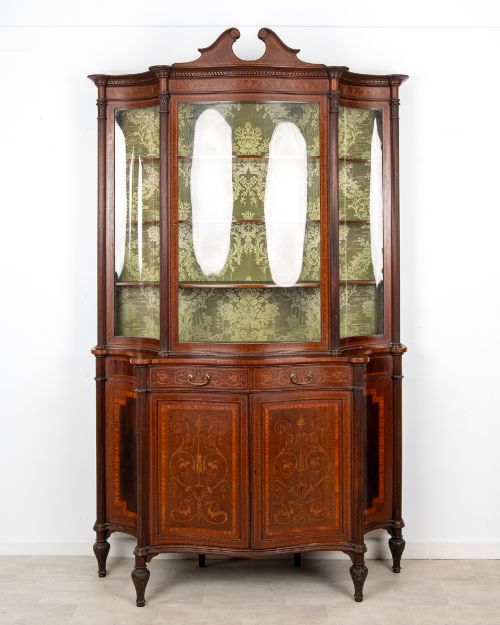
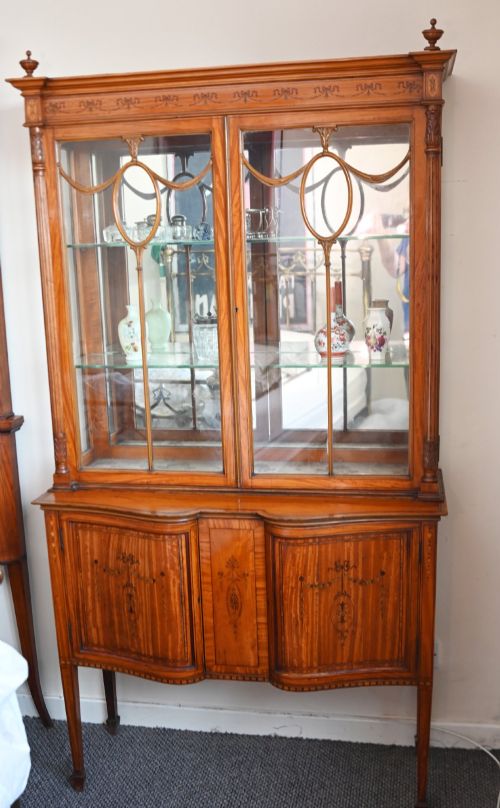
A sheraton revival display cabinet brings neoclassical elegance into a room, offering glazed shelving designed to showcase porcelain and glassware.
Sheraton Revival Display Cabinet
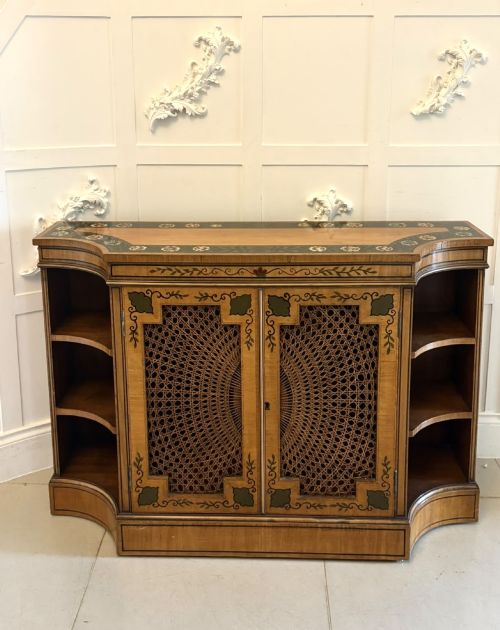
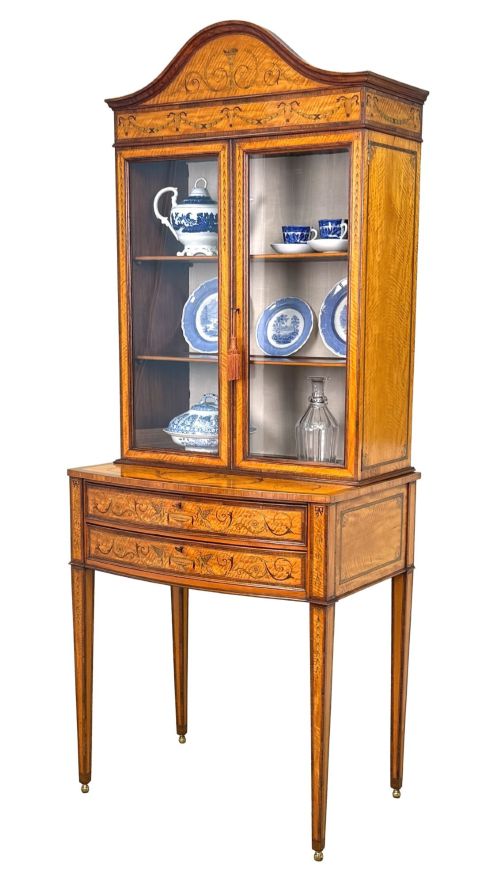
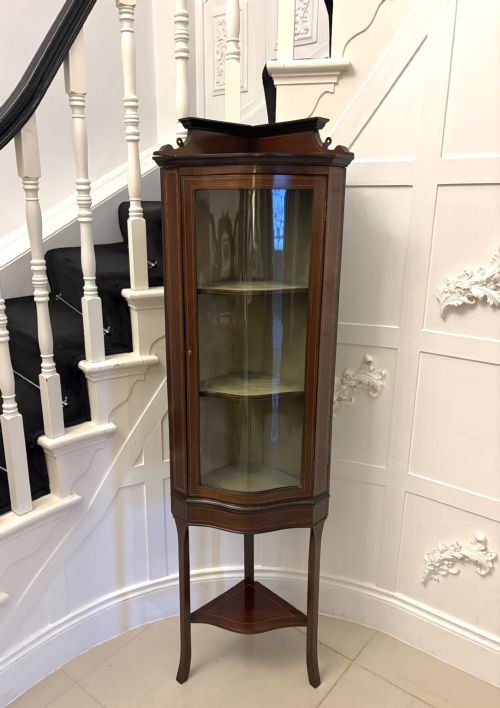
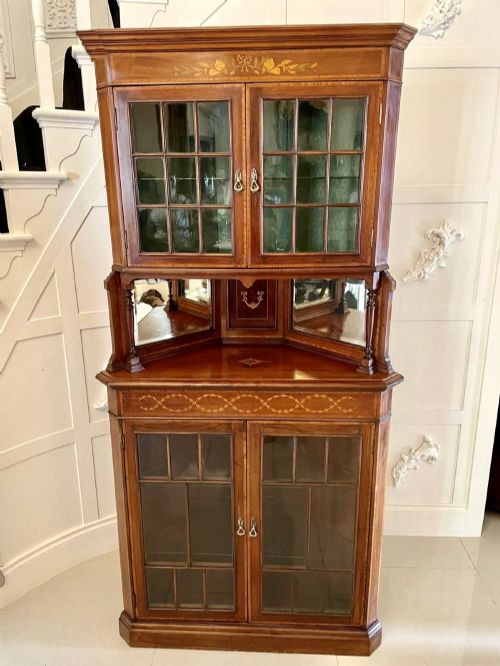
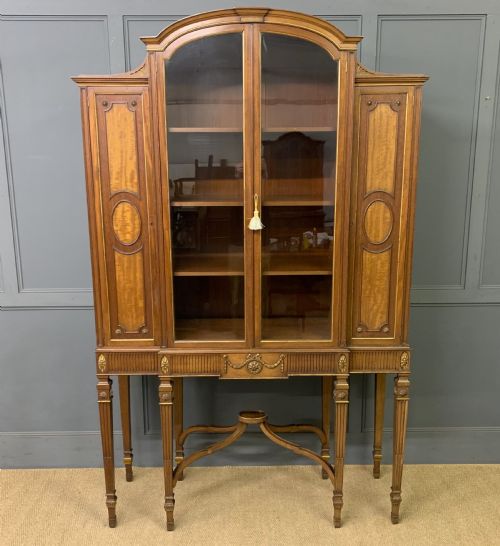
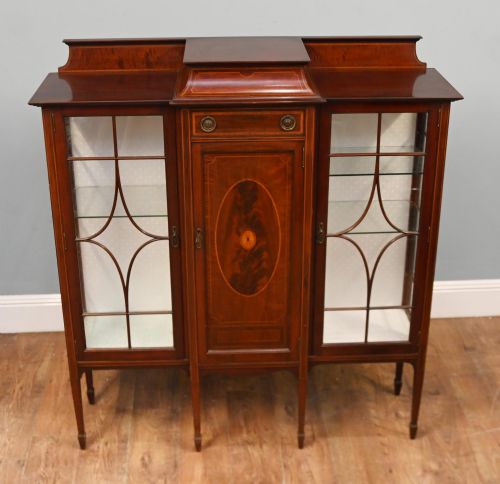
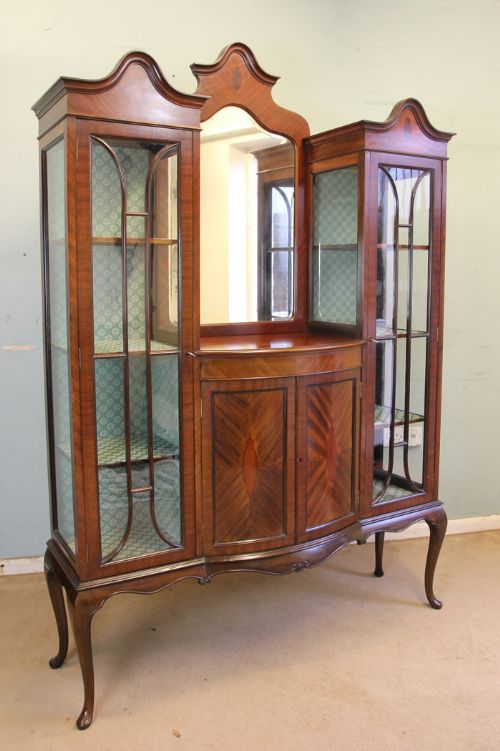
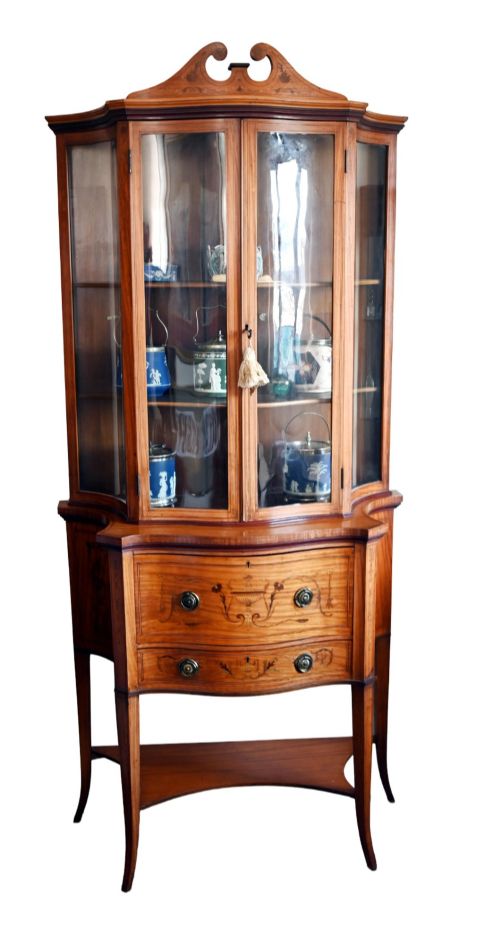
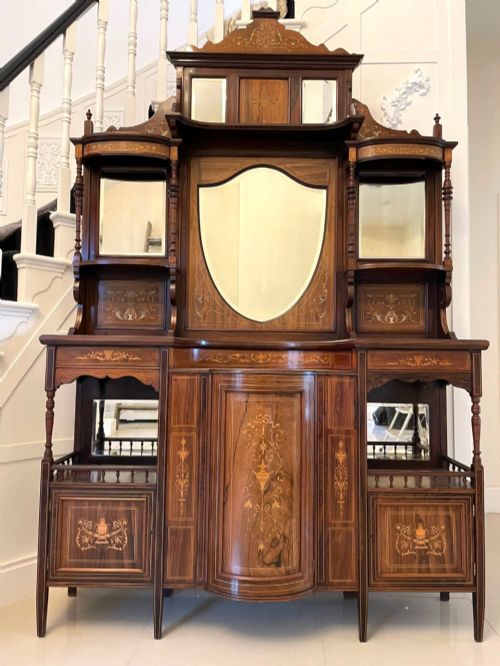
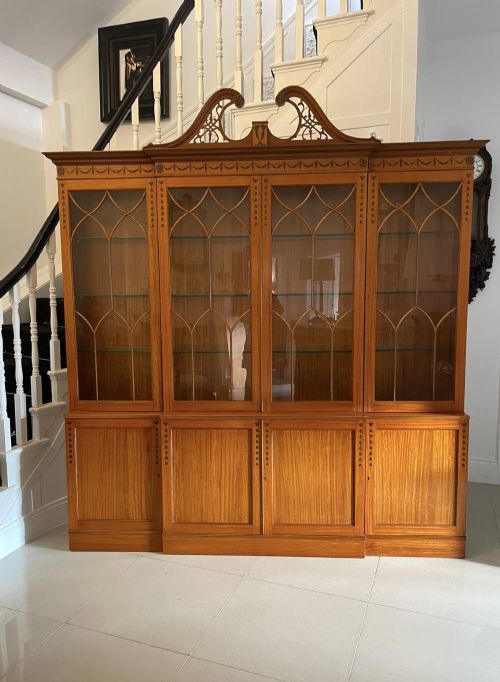
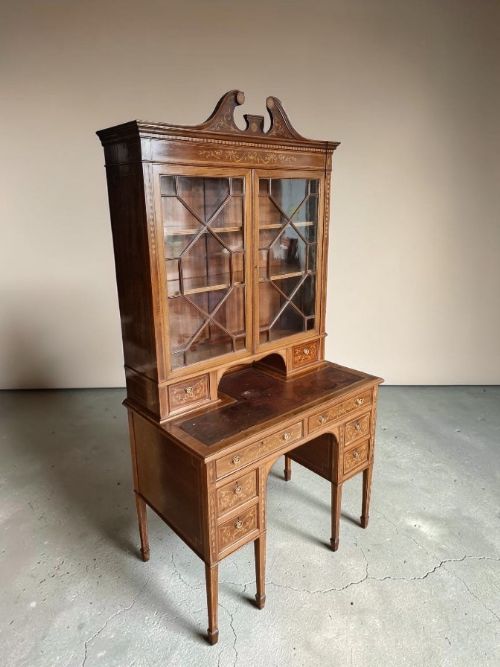
A sheraton revival display cabinet is a piece of furniture created during the late nineteenth and early twentieth centuries, drawing inspiration from eighteenth-century neoclassical designs. These pieces appear in forms such as breakfronts, corner units, demi-lune cabinets, and tall bookcases with glass doors.
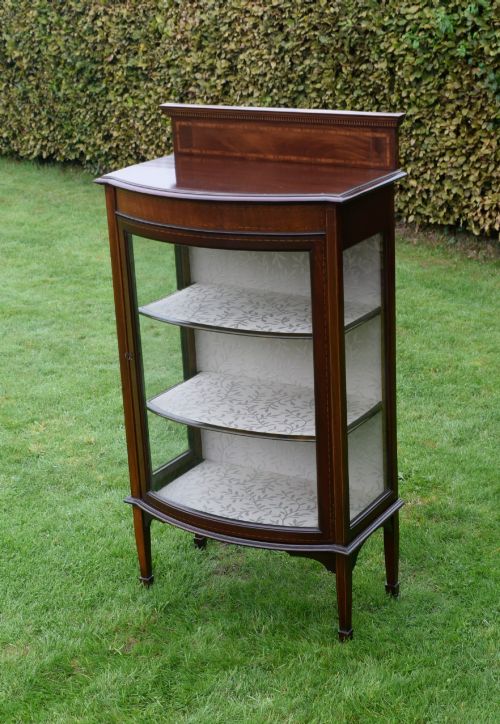
The version most commonly met on this page is the Edwardian mahogany display cabinet, frequently ornamented with delicate inlay and slender tapering legs. They span periods from the Victorian era through the Edwardian years up to the nineteen-thirties.
How They Were Made
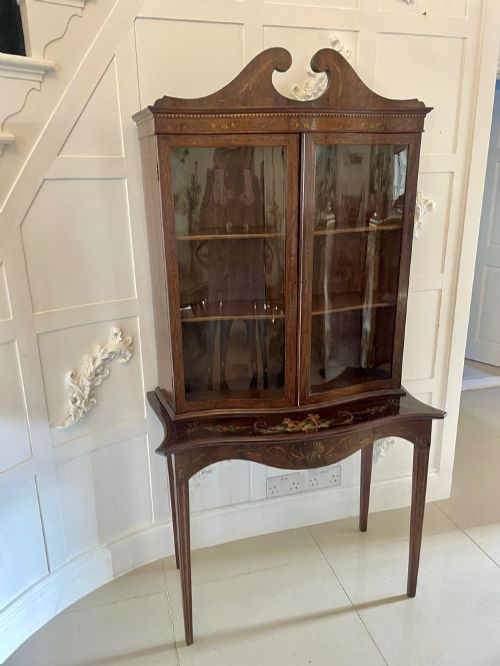
Cabinet makers utilised foundational timbers like mahogany and rosewood, often veneered with satinwood or birds eye maple to create contrasting panels. Surfaces received intricate marquetry, satinwood inlay, and hand-painted neoclassical motifs depicting swags, ribbons, and floral urns.
Glazing typically involved astragal bars arranged in geometric or curvilinear patterns across doors, while brass hardware secured the closures and internal fabric lined the display shelves.
Sheraton Revival Display Cabinet Retail Price Guide 2026
Typical asking prices for sheraton revival display cabinet among the pieces listed under this phrase on Sellingantiques today, from the lower quarter to the upper quarter. They describe what is for sale here now, not the wider market.
The inventory includes specialised forms such as corner cabinets, breakfronts, bijouterie tables, and bow-fronted display cases.
What Varies in Quality
The standard of a sheraton revival display cabinet rests upon the crispness of its marquetry and the choice of timbers, with finely figured satinwood and rich mahogany distinguishing superior examples from plain ones. Original hand-painted decoration adds considerable distinction compared to standard inlaid borders.
Proportion and scale dictate the visual success of the piece, where delicate astragal glazing bars and balanced serpentine or bow fronts reflect greater workshop skill.
Edwards & Roberts·Hampton & Sons·James Hicks
The Sheraton Revival Display Cabinet Glossary
- Astragal glazing
- Framework of wooden bars holding small panes of glass within cabinet doors. These intersecting lines form delicate geometric patterns characteristic of neoclassical furniture.
- Marquetry
- Decorative veneer patterns assembled from thin pieces of wood, shell, or ivory to form pictorial designs. Artisans fit these elements together precisely before applying them to the carcase.
- Satinwood
- A durable, lustrous timber native to India and Sri Lanka, prized for its golden sheen. Cabinet makers used it extensively for contrasting panels and banding.
- Bijouterie cabinet
- A specialised glass-topped table or cabinet intended for displaying small precious objects, medals, or jewellery. These pieces often feature hinged lids or shallow glazed drawers.
- Demi-lune
- A half-moon shape used for the footprint and top of console and cabinet furniture. This curved profile allows the piece to sit flush against a wall.
Sheraton Revival Display Cabinet: Frequently Asked Questions
What is a sheraton revival display cabinet?
These are late Victorian and Edwardian display pieces modeled after the neoclassical furniture designs of the eighteenth century. They use classical motifs, light woods, and glass panels to exhibit household collections.
Cabinet makers produced them in various configurations, including corner units, side cabinets, and tall bookcase formats, utilising mahogany and satinwood.
How were they used originally?
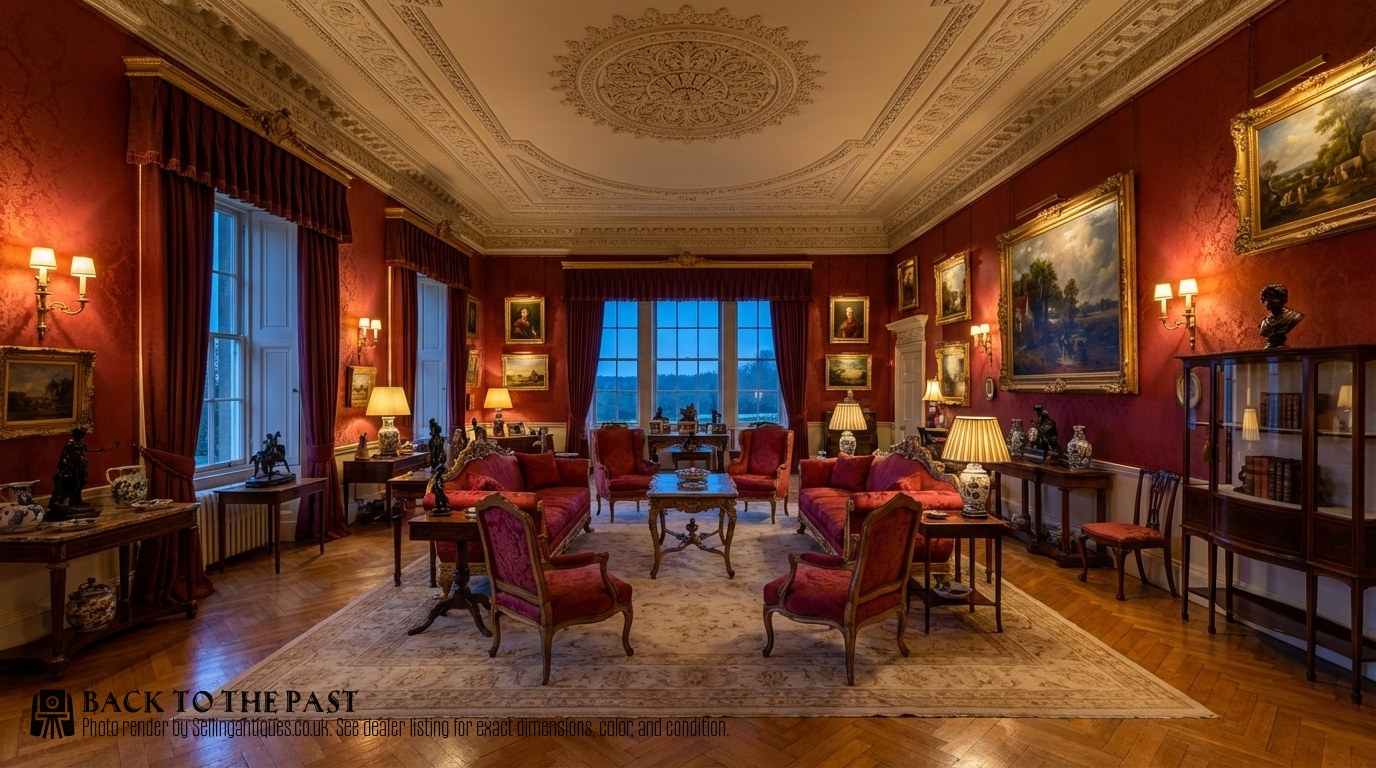
Wealthy households utilised these cabinets to store and display imported porcelain, fine glassware, and curiosities collected during travels. The glass doors protected delicate items from dust while keeping them visible to guests in drawing rooms and parlours.
Smaller bijouterie versions were specifically designated for holding medals, trinkets, and personal accessories at waist height.
How do I distinguish Edwardian from Victorian examples?
Victorian examples tend to feature denser timbers, heavier proportions, and darker finishes, whereas Edwardian pieces often display lighter satinwood veneers and more delicate painted decorations. The transition in style reflects changing domestic tastes toward brighter, airier drawing room interiors.
Construction details and registration marks can also help narrow down the decade of manufacture within the broader nineteenth and twentieth century timeline.
How do I care for antique satinwood furniture?
Satinwood and polished mahogany require protection from direct sunlight to prevent the golden tones from fading and the veneers from drying out. Maintaining stable indoor humidity levels prevents the timber and inlay work from warping or cracking.
Gentle dusting with a soft, dry cloth is sufficient for routine upkeep, avoiding silicone-based polishes that can damage historic finishes.