





Sheraton Mahogany Card Table
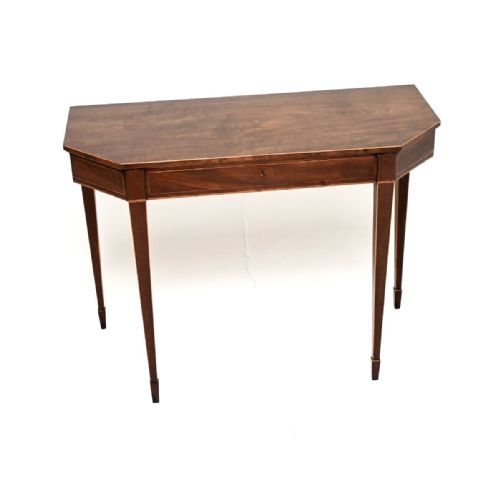
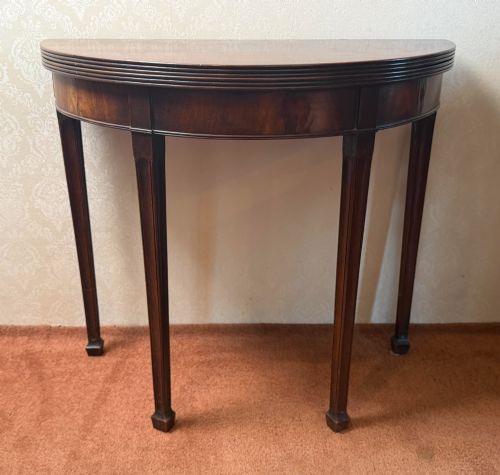
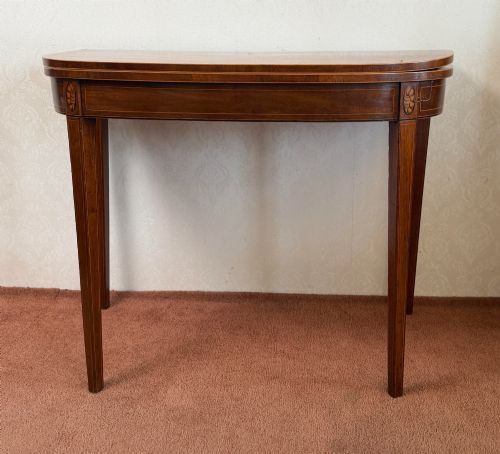
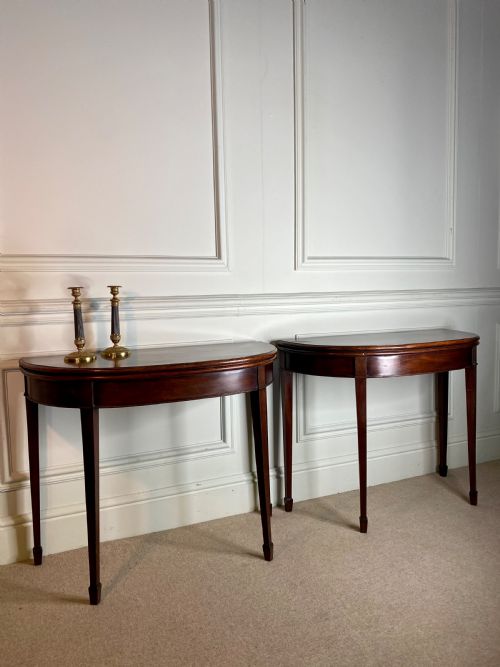
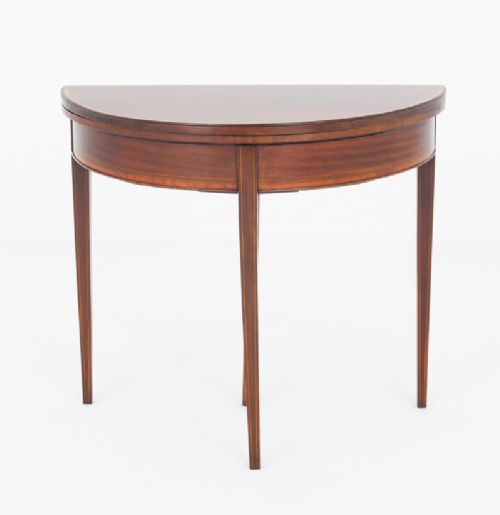
These pieces of a Sheraton mahogany card table combine fold-over tops with delicate classical lines, offering a versatile surface that transforms from a console into a gaming table.
Sheraton Mahogany Card Table
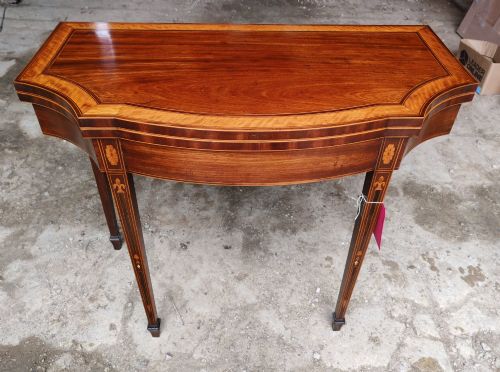
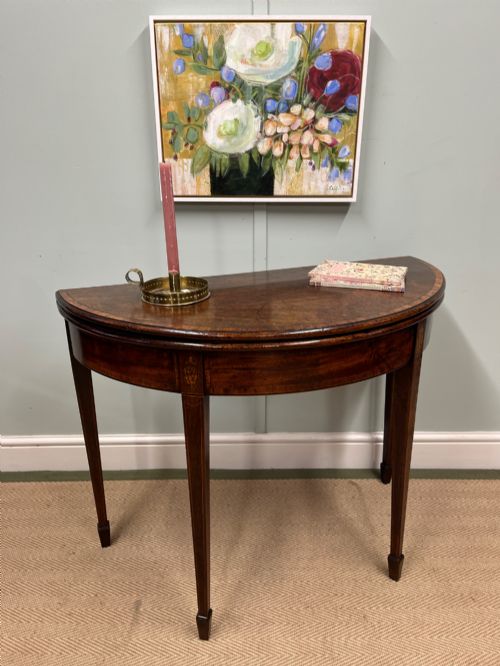
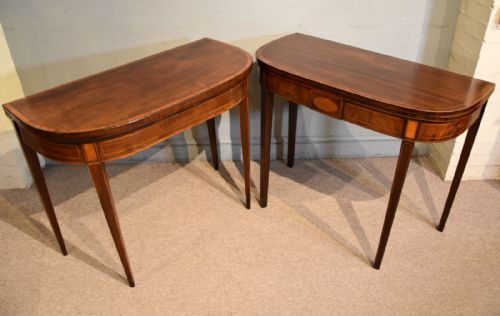
When you search for a sheraton mahogany card table, you encounter furniture dating from the eighteenth century through the Edwardian Sheraton Revival period. The predominant form is the demi-lune or half-moon shape, which sits flush against a wall until opened for play.
Many examples double as tea tables or occasional tables with fold-over leaves. The construction spans Georgian origins, nineteenth-century interpretations, and later revival pieces produced around nineteen hundred.
How they were made
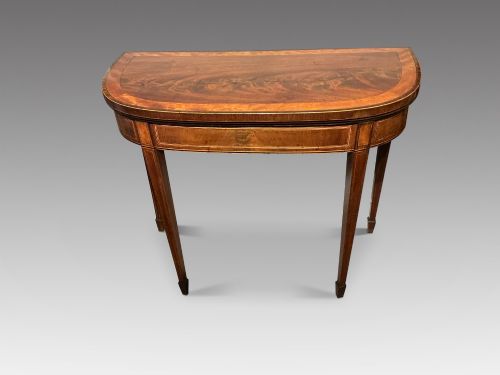
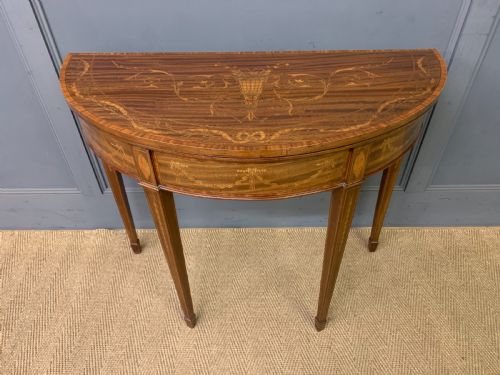
Cabinetmakers utilised solid mahogany and wood veneers over secondary timbers, shaping the tops with straight or curved edges. Marquetry and stringing relied on contrasting timbers such as satinwood and boxwood inlaid into the primary surface.
Hinges and pivoting mechanisms allowed the dual-leaf top to rotate and rest flat upon an enclosing frame or swing leg. Hand-painted details appear on select surfaces alongside intricate wood inlay.
One Edwardian games table specifically includes the royal and pleasant game of goose painted right onto the folding top.
What varies in quality
The sophistication of the wood inlay dictates much of the visual hierarchy among these pieces, separating simple geometric stringing from elaborate marquetry. Figured grain in the Honduras mahogany top also elevates an example above plain timber stocks.
Proportion and the crispness of the classical tapering legs determine the success of the design. Period authenticity and the retention of original brass hardware separate eighteenth-century originals from later revival interpretations.
Howard and Son's·Maples of London
The Sheraton Mahogany Card Table Glossary
- Demi-lune
- A half-moon shape used for the top and frame of side and card tables. This profile allows the furniture to sit flat against a wall.
- Fold-over
- A hinged table top that doubles in surface area when opened. The upper leaf rotates or flips to rest upon a supporting framework.
- Stringing
- Thin inlaid lines of contrasting wood such as boxwood set into channels on the mahogany surface. This technique outlines borders and legs.
- Satinwood
- A durable exotic timber with a golden sheen utilised for contrasting inlay and veneered panels. It provides bright detail against dark mahogany.
- Sheraton Revival
- A late nineteenth and early twentieth century style that reinterprets neoclassical forms. Makers drew inspiration from original eighteenth-century pattern books.
Sheraton Mahogany Card Table: Frequently Asked Questions
How do I use a card table today?
These tables function well as console or side tables against a hallway wall when closed. Opening the leaf provides an occasional surface for lamps or card games.
Their compact footprint allows them to fit into small rooms without dominating the space.
How do I tell an original from a revival?
Eighteenth-century and Georgian pieces display construction methods, timber shrinkage, and wear consistent with age. Revival pieces from around nineteen hundred often feature different secondary woods and standardised machine-cut elements.
Examine the interior framing and hinge fixings to understand the period of manufacture.
What is the difference between tea and card tables?
Tea tables and card tables share similar fold-over top constructions and proportions. Card tables often retain internal baize or felt surfaces designed for gaming.
Many examples served dual purposes for both dining and evening entertainment.
Where should I place a demi-lune table?
The curved semi-circular profile suits entryways, landings, and narrow spaces where rectangular furniture protrudes too far. Placing one beneath a mirror creates a classic focal point.
They also anchor empty wall spaces in living rooms.