
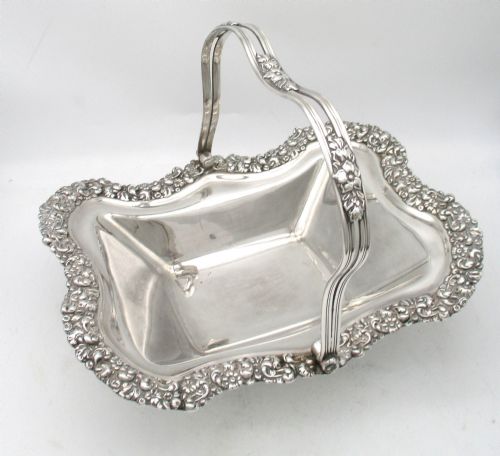
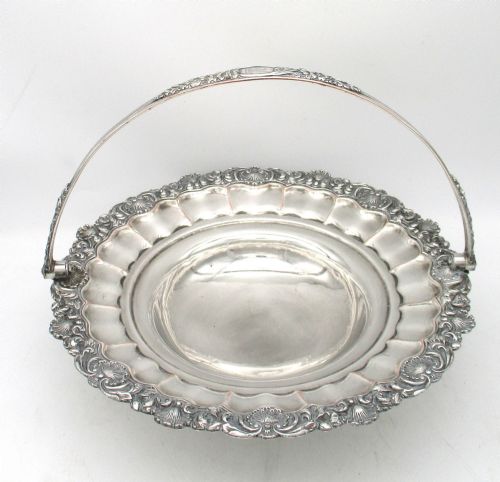


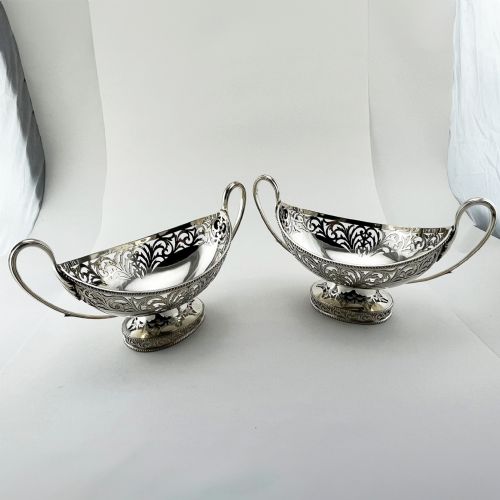


Sheffield Silver Plate Dish
A sheffield silver plate dish brings tangible Georgian elegance to the table, combining a copper core with fused silver to create durable and lustrous serveware.
Sheffield Silver Plate Dish
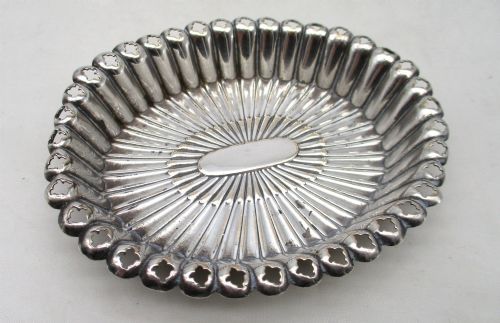
A sheffield silver plate dish encompasses a variety of serving vessels, ranging from baskets and meat domes to tureens and trays originating primarily from the eighteenth and nineteenth centuries.
The selections available include items spanning the Georgian, Regency and Victorian periods, reflecting diverse dining customs through specialised forms such as warming dishes, knife trays and chamber candlesticks.
How they were made
Makers fused a sheet of silver to a thicker copper ingot through heat and pressure before rolling the combined metals into thin sheets for fabrication.
Craftsmen utilised gold wash for interior highlights on specific vessels and incorporated wood or glass elements where practical for handles and inserts.
Workers shaped the plated metal into baskets using wirework techniques or formed rigid covers, trays and tureens by hand and press.
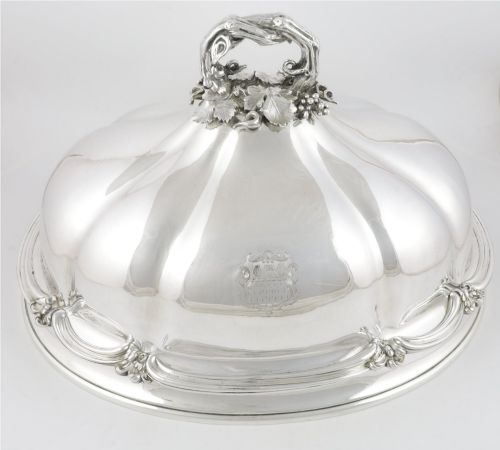
Several meat domes on offer once guarded the dinners of specific nobility, including a duke.
What varies in quality
Subtlety of form and crispness of chased or applied borders differentiate finer serving vessels from standard production pieces.
The integrity of the fused silver layer over the underlying copper determines long-term durability and the preservation of original mounts and crests.
Design complexity, such as wirework assembly or multi-piece construction for warming dishes and candelabra, indicates higher workshop standards.
Roberts Cadman·Henry Wilkinson·Creswick·Matthew Boulton·Thomas Bradbury·Walker Knowles·Dan Holy·James Deakin·Fenton Brothers·William Hutton Sons
The Sheffield Silver Plate Dish Glossary
- Old Sheffield Plate
- A material produced by fusing silver to a copper core before rolling, distinct from later electroplated wares. Pieces created this way often reveal a faint copper line at cut edges.
- Tureen
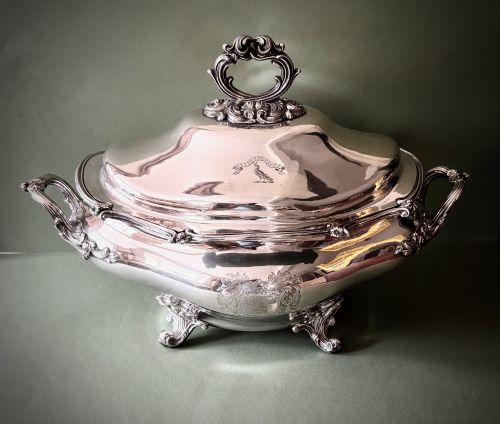
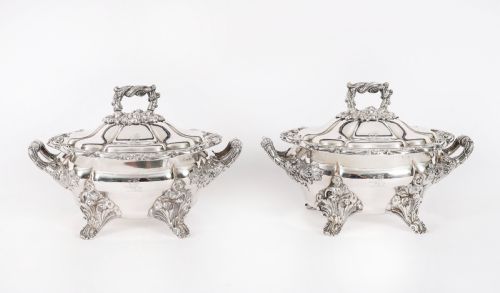
- A deep covered vessel designed for serving soups, sauces or entrees at the table. These items frequently arrive in matched pairs or include integrated warming stands.
- Mazarine
- A pierced insert or draining plate placed inside a dish to separate food from juices. Such components demonstrate specialised culinary use in formal dining.
- Meat Dome
- A large domed cover used to keep joints of meat warm during transit from kitchen to table. These pieces often bear armorial crests or maker marks.
- EPNS
- Electroplated Nickel Silver, a later nineteenth-century method where a silver coating is applied via electricity rather than thermal fusion. This technique superseded traditional plate processes.
Sheffield Silver Plate Dish: Frequently Asked Questions
How do I clean old sheffield plate?
Wash gently using warm water and mild soap, avoiding harsh abrasives that can wear through the thin silver layer to the copper beneath.
Dry thoroughly with a soft cloth and apply a silver polish sparingly only when necessary to maintain the finish.
Can I use these dishes for serving food?
Many examples remain entirely functional for serving dry foods, bread or fruit during formal meals and gatherings.
For items with a gold wash interior or delicate wirework, limit usage to display or gentle presentation to preserve the historic surfaces.
What is the difference between old sheffield plate and epns?
Old Sheffield Plate involves physically fusing a sheet of silver to copper through heat and rolling, creating a layered metal structure.
Electroplated nickel silver utilises an electrical current to deposit a thin layer of silver over a base metal alloy, a process introduced later.
How do I identify the date of a piece?
Examine the construction methods, edge wires and styles such as Regency reeding or Victorian naturalism to narrow down the manufacturing decade.
Maker marks and touchmarks stamped into the metal provide further clues regarding the workshop and active period.