


Sheffield Silver Candlesticks
Sheffield silver candlesticks bring the formal elegance of Georgian and Victorian dining rooms directly to modern tables.
Sheffield Silver Candlesticks
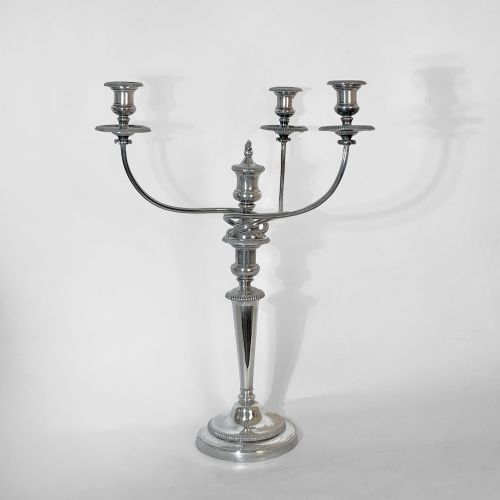
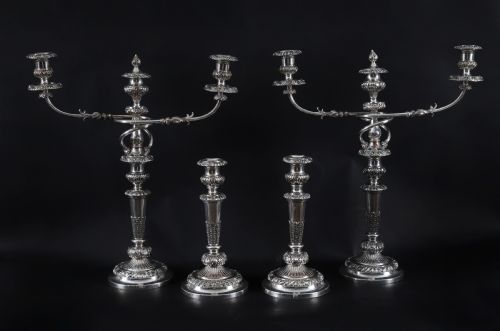
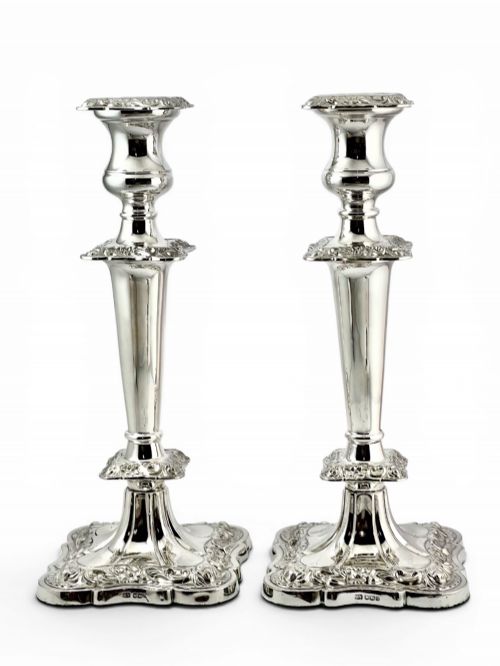
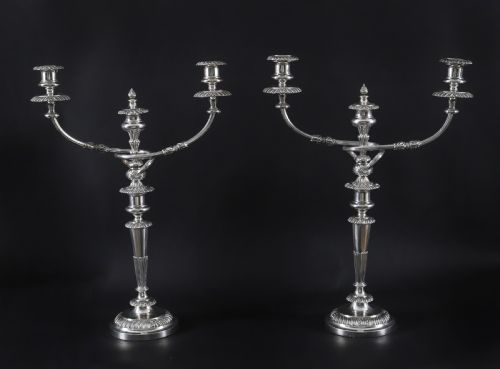
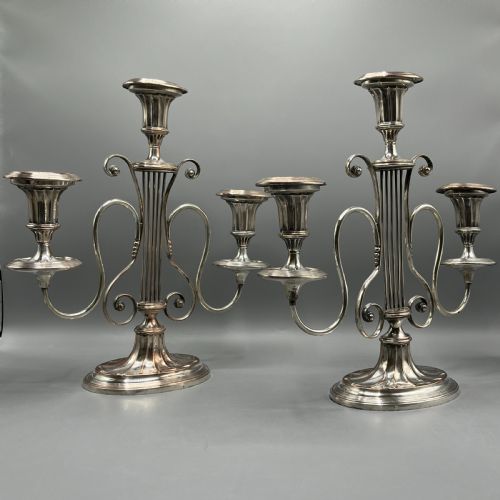
When you search for sheffield silver candlesticks, you encounter a variety of lighting forms spanning the eighteenth, nineteenth, and early twentieth centuries. These objects include standard table candlesticks, multi-light candelabra, chambersticks with small pans for bedrooms, and extending telescopic designs.
How They Were Made
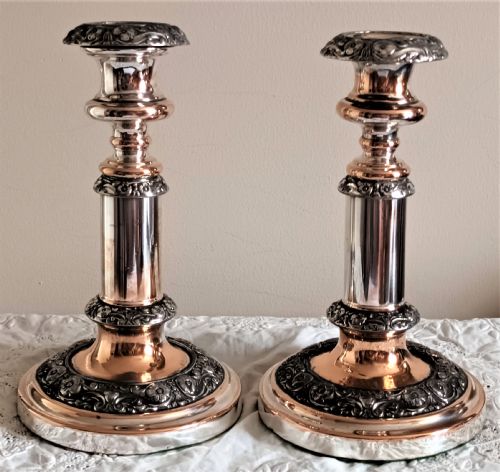
Old Sheffield plate was produced by fusing a sheet of silver to a thicker copper ingot through heat and pressure, then rolling the composite metal down into sheets for fabrication. This technique often reveals thin lines of copper showing through at the high points of wear or along edges.
Solid sterling pieces utilised traditional casting, spinning, and stamping methods before receiving official assay office marks in Sheffield. Many hollow-are candlesticks were weighted internally with resin or plaster to provide stability during use.
Sheffield Silver Candlesticks Retail Price Guide 2026
Typical asking prices for sheffield silver candlesticks among the pieces listed under this phrase on Sellingantiques today, from the lower quarter to the upper quarter. They describe what is for sale here now, not the wider market.
Listings feature items spanning the Georgian, Victorian, and Edwardian periods in both solid sterling silver and Old Sheffield plate.
What Varies in Quality
The crispness of chased or cast ornamentation distinguishes finer items from simpler production pieces, particularly in floral motifs and classical detailing. Proportion and balance also dictate worth, as well-weighted examples stand firmly without heavy leaning.
Preservation of the original surface plating plays a significant role in value, with excessive copper bleed reducing the visual appeal of plated wares. Maker attribution through clear stamps or hallmarks adds documentary weight to superior objects.
Matthew Boulton·Thomas Bradbury & Sons Ltd·James Dixon & Sons·Elkington·William Hutton & Sons·Walker & Hall
The Sheffield Silver Candlesticks Glossary
- Old Sheffield Plate
- An early composite material made by fusing silver and copper together before rolling, distinct from later electroplating.
- Sconce
- The detachable metal pan fitted into the top of a candlestick to catch dripping wax and hold the taper securely.
- Telescopic
- A sliding shaft design allowing the height of the candlestick stem to be adjusted up and down.
- Chamberstick
- A low portable candlestick fitted with a handle and a small saucer base for carrying around a house.
- Hallmark
- Official stamped symbols indicating metal purity, the assay office, and the date letter for solid silver pieces.
Sheffield Silver Candlesticks: Frequently Asked Questions
How do I clean tarnished silver candlesticks?
Gentle washing with warm soapy water and a soft cloth removes everyday dust and grease without harming the metal surface. Specialised silver dips or pastes should be used sparingly on solid pieces and avoided entirely on Old Sheffield plate to prevent stripping the thin silver layer.
Storing pieces in tarnish-resistant cloths or bags helps maintain the polished finish between uses. Regular light dusting prevents heavy chemical cleaning from becoming necessary.
What is Old Sheffield plate?
Old Sheffield plate is a fused dual-metal material created by heating a silver sheet onto a copper base. This technique was developed in the eighteenth century before electroplating became common.
Items made this way often show subtle hints of copper showing through on sharp edges or undersides. This characteristic helps identify the early fusion manufacturing method from nineteenth-century electroplated wares.
How can I tell the difference between periods?
Georgian examples often display refined Neoclassical proportions with urn sockets and fluted columns. Victorian and Edwardian items tend toward heavier ornamentation, twisted columns, or revivalist styles.
Hallmarks on solid silver provide precise dating through official assay office marks and date letters. Unmarked plated items rely on stylistic cues and manufacturing techniques for approximate dating.