
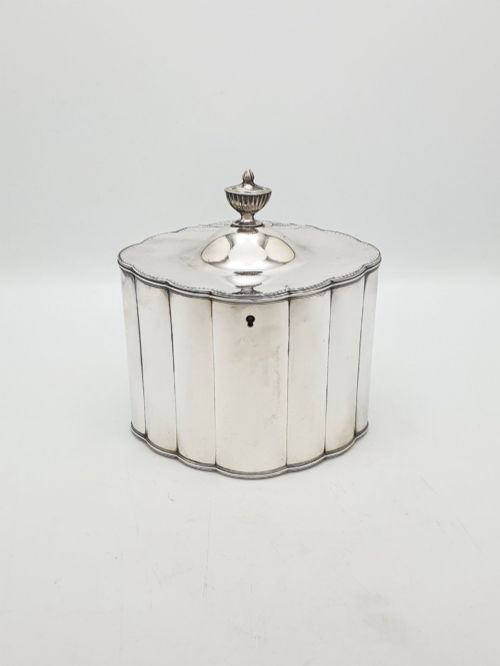
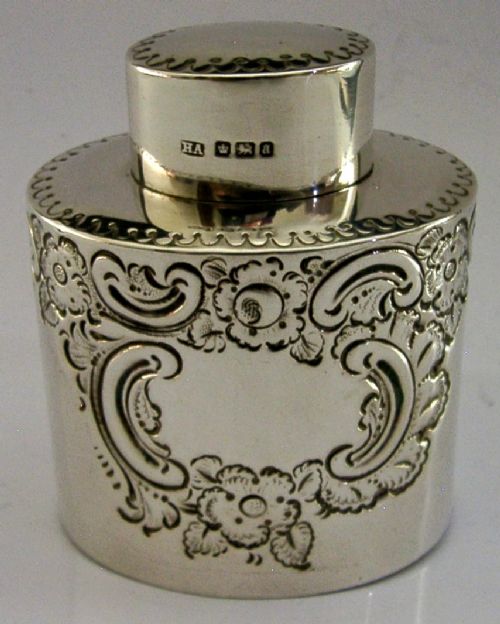
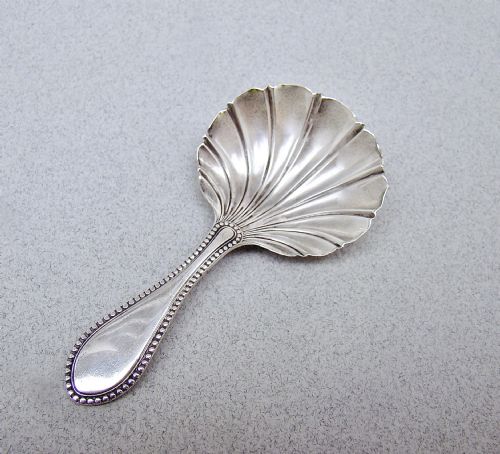
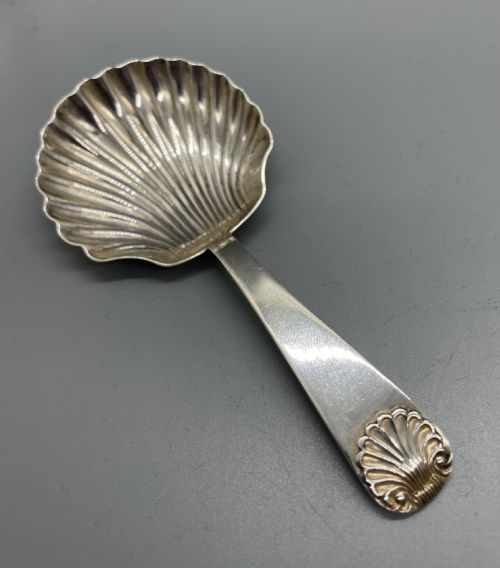
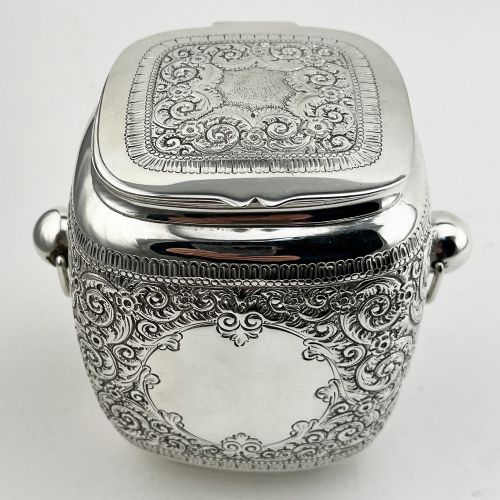


Sheffield Silver Caddy
A sheffield silver caddy brings refined Birmingham and Yorkshire metalwork to the tea table, offering a secure vessel to store precious leaves.
Sheffield Silver Caddy
A sheffield silver caddy encompasses small boxes, canisters, and specialised spoons designed to hold and measure loose tea leaves. These pieces emerge predominantly from Victorian and Edwardian workshops, alongside earlier Georgian and Regency examples.
Formations range from straightforward circular vessels to elaborate boxes featuring decorative textures such as basket-weave patterns. Biscuit barrels and sifter spoons also appear among the objects associated with this category.
Distinctions in quality
Quality rests upon the weight of the metal and the crispness of the chased or engraved ornamentation applied to the body. Pieces displaying substantial gauge silver or careful silver plating demonstrate superior manufacturing standards.
The reputation of the maker and the clarity of the assay marks contribute significantly to the standing of an individual piece. Workmanship involving intricate details, such as basket-weave textures or fitted spoons, separates standard production from finer examples.
Materials recorded across the inventory include sterling silver, silver plate, copper, ebony, and electroplated nickel silver.
Martin Hall & Co·Atkin Brothers·Walker & Hall·Robert & Belk·James Dixon & Sons·William Briggs
The Sheffield Silver Caddy Glossary
- Sheffield plate
- A composite material made by fusing a layer of silver to a copper base before forming it into an object. This technique preceded modern electroplating methods.
- Sterling silver
- A silver alloy containing substantial purity by weight, standard for British domestic hollowware and flatware. Assay offices marked these items to guarantee their metallic composition.
- Tea caddy
- A container designed to store tea safely in an era when tea was an expensive commodity. Lidded boxes often included internal compartments or locks.
- Caddy spoon
- A short-handled spoon shaped specifically to measure loose tea leaves from a caddy into a pot. These spoons frequently match the decorative style of the tea canister.
- Biscuit barrel
- A covered vessel used for storing biscuits on the dining table, produced in similar plated and silver materials to tea caddies.
Sheffield Silver Caddy: Frequently Asked Questions
What is a sheffield silver caddy used for?
These vessels held dry tea leaves securely in domestic parlours during periods when tea was kept under lock and key. The containers preserved the aroma and flavour of expensive leaves.
Today, collectors use them to display traditional metalwork or to store small dried goods. They serve as decorative focal points on sideboards and tables.
How do I identify a sheffield silver caddy?
Examination involves locating hallmarks or maker stamps stamped directly into the metal surface. These marks indicate the assay town of Sheffield alongside the specific metal standard.
stylistic clues such as Victorian ornamentation or Edwardian proportions help narrow down the period of manufacture. Matching spoons often bear corresponding date letters.
What materials are used in these caddies?
Pieces are constructed from solid sterling silver or various forms of silver plate over a base metal such as copper. Ebony additions occasionally appear on handles and knobs.
Electroplated nickel silver also occurs in later nineteenth and twentieth-century pieces. Each material dictates the weight and care required for the object.
How do I care for silver caddies?
Regular dusting with a soft cloth keeps the surfaces clean without wearing down thin plating. Avoid harsh chemical dips that damage the original finish and remove desirable historical patina.
Store pieces in stable environments away from direct moisture to protect vulnerable materials like ebony or copper cores.