



Sheffield Plated Vessels
Sheffield plated vessels are durable hollowware items fused from copper and silver, prized for their genuine period craftsmanship.
Sheffield Plated Vessels
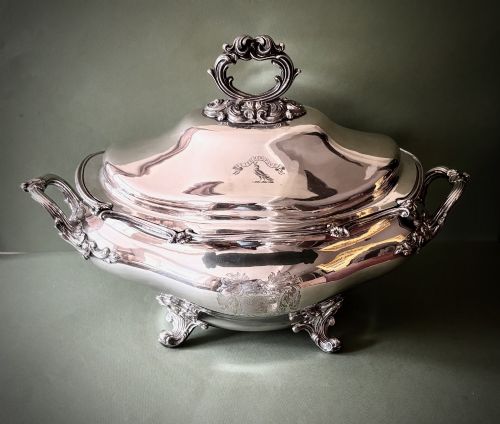
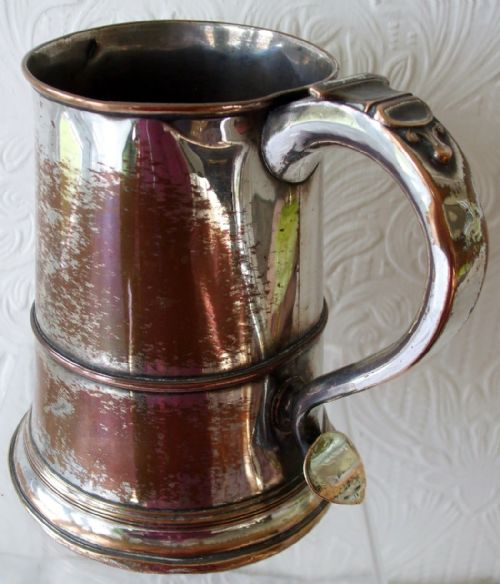
When you search for sheffield plated vessels, you encounter functional and decorative items forged primarily during the Georgian, Regency, and Victorian eras. These range from domestic drinking vessels like tankards, mugs, beer jugs, and coffee pots to formal dining items such as tureens, gravy warmers, and wine coolers.
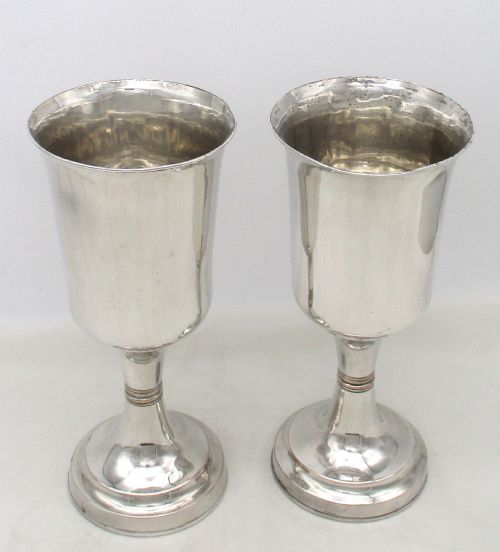
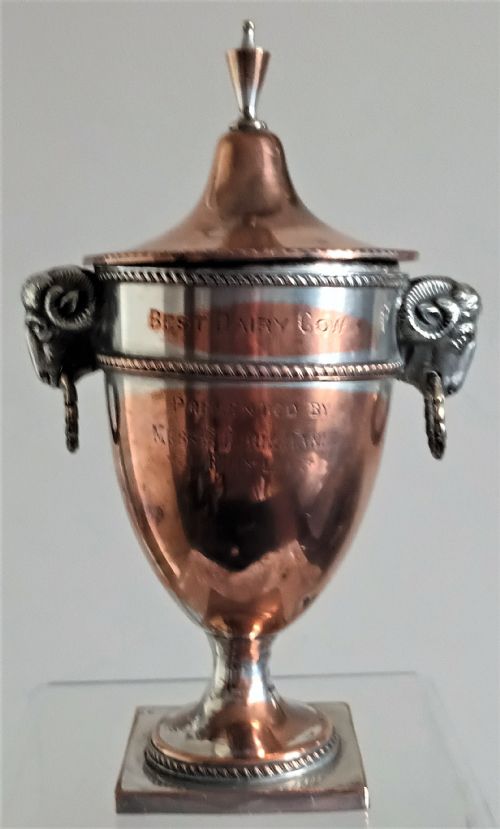
The pieces on this page also include ecclesiastical forms like communion chalices and church cups, alongside miniature decorative urns. The common thread is the fusion technique that preceded modern electroplating, creating substantial items with a distinct metallic character.
How they were made
These items are constructed by fusing a thin sheet of silver to a thicker copper ingot under heat and pressure, a process invented in the eighteenth century. Makers then hammered, rolled, and shaped this composite metal into hollowware forms.
Details such as handles, rims, and mounts were often formed from separate pieces of metal or reinforced with cane, wood, or metal cores to provide structural rigidity. Early marks were stamped into the metal before the silver layer wore thin through generations of polishing.
Sheffield Plated Vessels Retail Price Guide 2026
Typical asking prices for sheffield plated vessels among the pieces listed under this phrase on Sellingantiques today, from the lower quarter to the upper quarter. They describe what is for sale here now, not the wider market.
Gravy warmers, also known as argyles, feature sneaky internal tubes designed to hold boiling water so gravy stayed hot without scorching.
What varies in quality
Quality rests in the preservation of the original silver sheet over the copper core, particularly around high-wear areas like rims, handles, and bases where cleaning leaves its mark. Pieces that retain crisp hand-beaten contours and distinct maker marks sit higher in the range than those softened by excessive polishing.
The integrity of applied mounts and the balance of form further separate standard domestic wares from exceptional pieces like church chalices or argyles. Heavier gauge metal indicates a more substantial foundation before the fusion process took place.
Richard Morton·Joseph Rodgers & Sons
The Sheffield Plated Vessels Glossary
- Old Sheffield Plate
- A composite material made by fusing silver and copper together, creating a layered sheet used for eighteenth and nineteenth century hollowware before electroplating became common.
- Argyle
- A specialised vessel designed to keep gravy warm via an internal compartment filled with hot water.
- Chalice
- A stemmed sacramental cup used for drinking wine during religious communion services.
- Tureen
- A large, deep bowl with a lid utilised for serving soups, stews, or vegetables at the dining table.
- Loving Cup
- A large drinking vessel equipped with multiple handles, passed around among guests at banquets and celebrations.
Sheffield Plated Vessels: Frequently Asked Questions
What is Old Sheffield Plate?
Old Sheffield Plate is a specific material created by thermally fusing a thin layer of silver onto a thick copper ingot.
This fused metal was then rolled into sheets and worked by hand into hollowware vessels before modern electroplating techniques were invented.
How do I clean these vessels?
Clean these items gently using a soft cloth and a mild polish formulated specifically for silver or silver plate.
Avoid aggressive scrubbing, as vigorous abrasion can wear through the thin silver layer and expose the underlying copper core.
Can I use these for drinking?
Many tankards, mugs, and jugs remain structurally sound and water-tight for serving beverages at the table.
However, some collectors prefer to display them as decorative historical objects rather than putting antique silver plate into daily culinary service.
How do I date these pieces?
Dating relies on stylistic clues such as Georgian or Regency silhouettes, decorative motifs, and manufacturing techniques.
Early maker marks and the thickness of the visible copper seams at unplated edges also help establish the chronological period.