

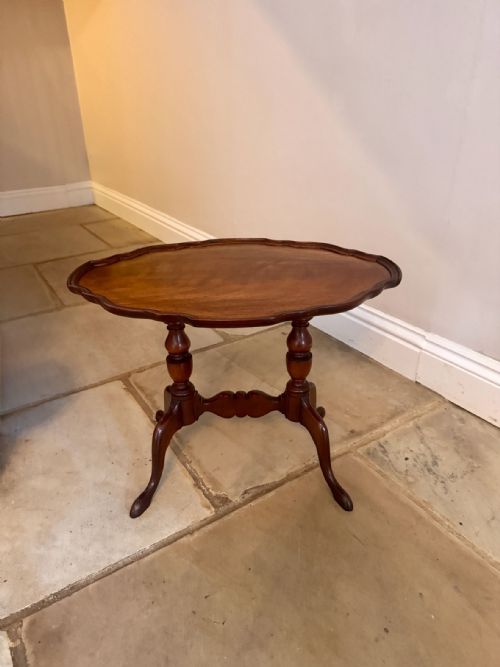
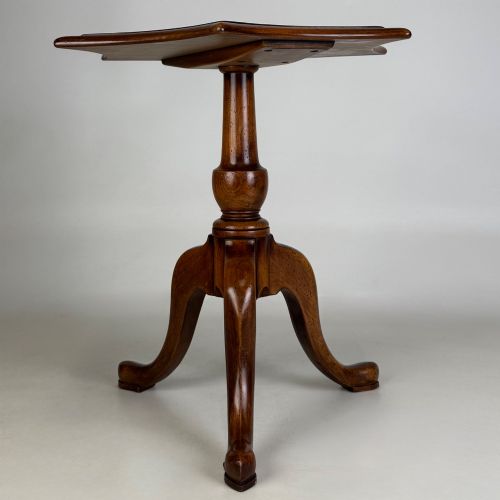
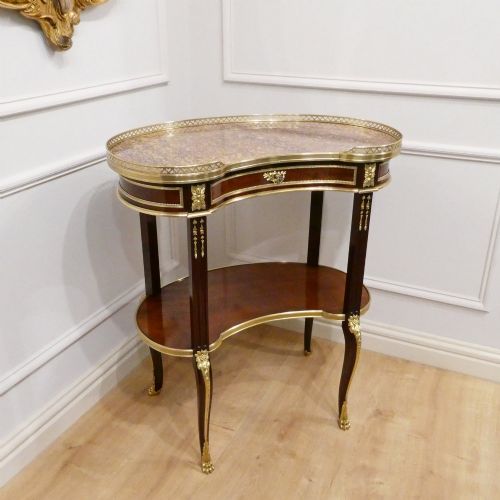
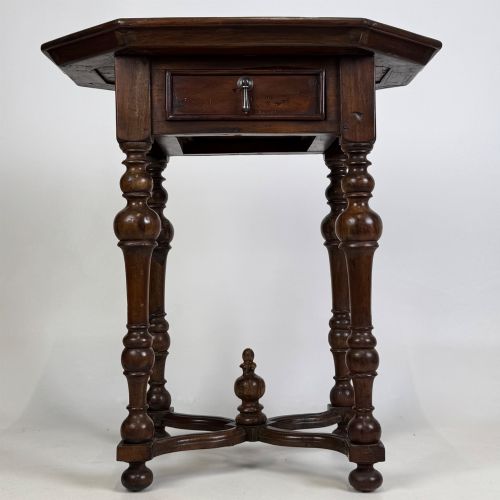
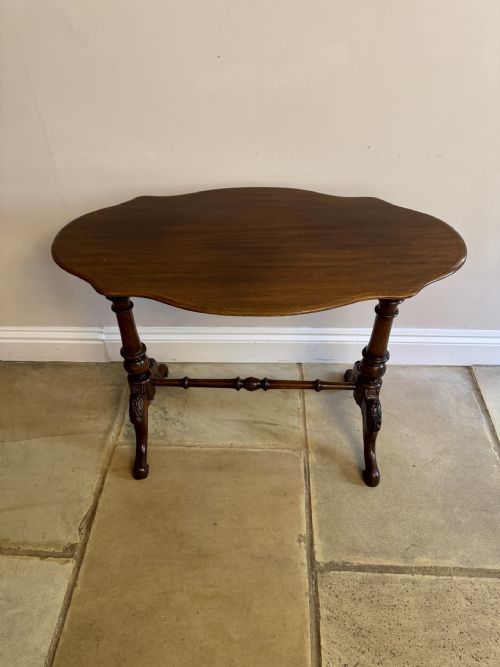


Shaped Top Occasional Table
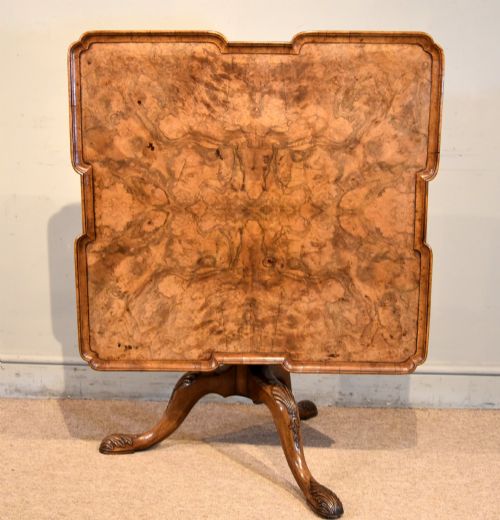
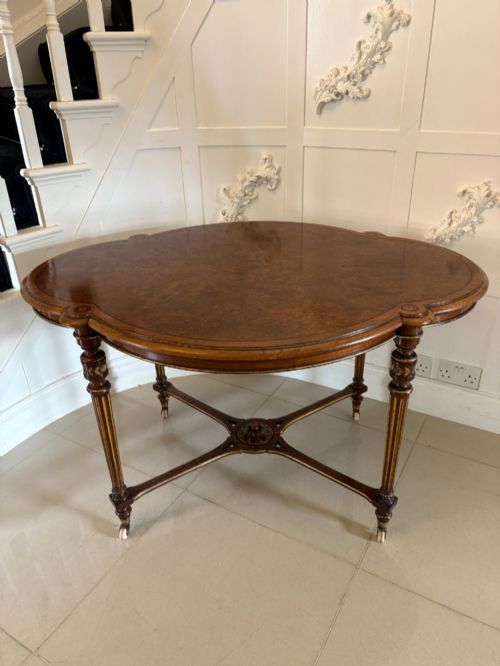
A shaped top occasional table brings compact surface space and subtle period character to a room.
Shaped Top Occasional Table
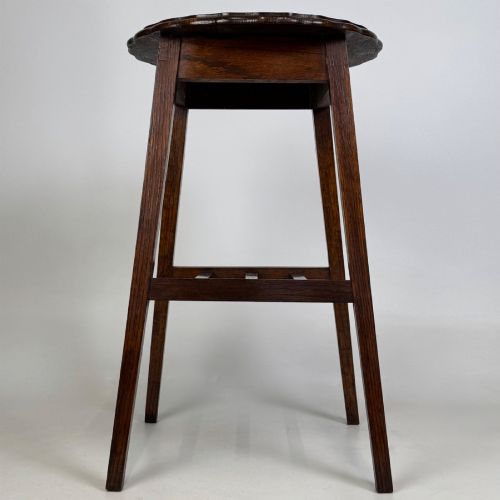
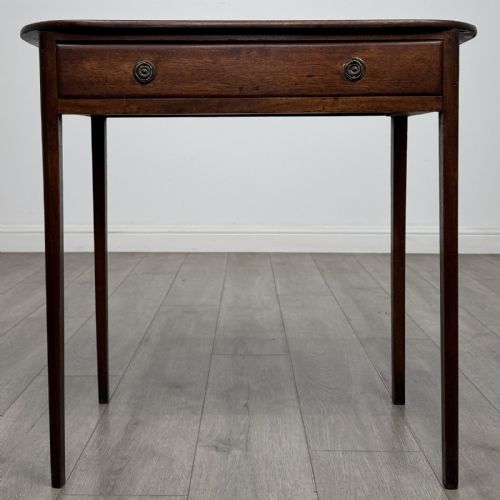
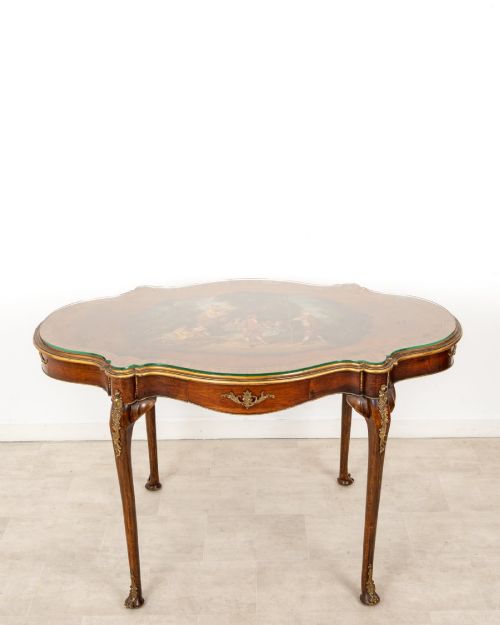
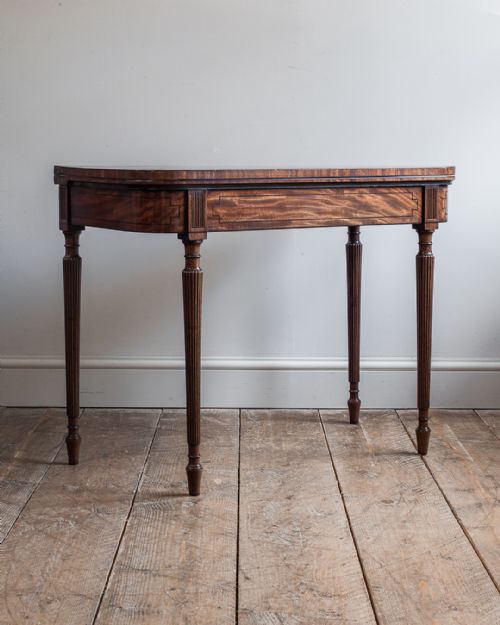
A shaped top occasional table encompasses portable and static small-scale furniture designed for flexible placement throughout a home. The pieces found here span the nineteenth century, the Edwardian era, and the early twentieth century, taking forms such as lamp tables, wine tables, centre tables, and nests of tables.
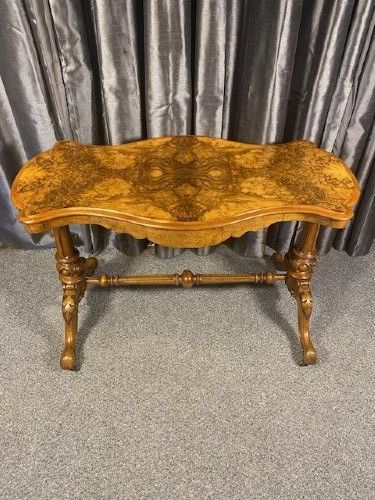
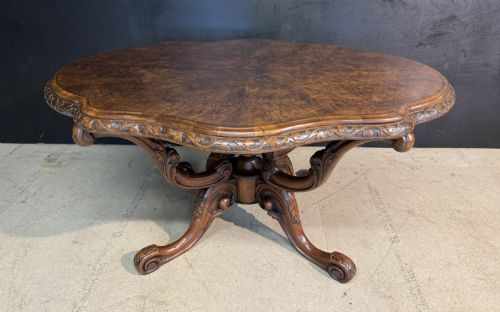
The most common versions met on this page are Victorian burr walnut lamp and centre tables, alongside Edwardian mahogany and rosewood examples. Makers produced these items in various contours, including kidney-shaped, D-shaped, heart-shaped, and serpentine outlines, reflecting stylistic revivals from Louis XV to Art Nouveau and Anglo-Indian design.
These tables served diverse functions in period interiors, from holding lamps and books to displaying decorative objects in parlours and drawing rooms. Their varied silhouettes allowed them to fit into corners or sit beside seating where standard rectangular tables proved too bulky.
How they were made
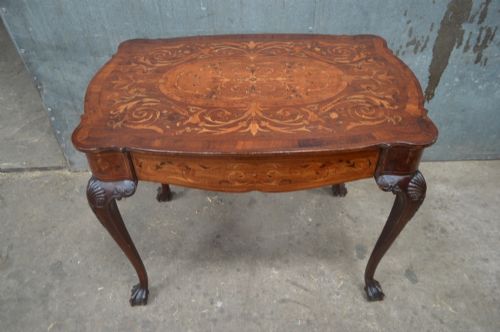
Cabinet makers utilised a foundation of solid timbers such as mahogany, walnut, and rosewood, often applying decorative veneers of burr walnut, satinwood, and birch across the surfaces. Tops frequently feature intricate marquetry, parquetry, or stringing in contrasting woods to define the curving edges.
Structural embellishments relied on traditional joinery combined with cast or hand-chased brass and ormolu mounts, particularly on French-influenced and revival pieces. Certain tables incorporate inset marble slabs, copper panels, or glazed compartments to create specialised surfaces for display and daily use.
Shaped Top Occasional Table Retail Price Guide 2026
Typical asking prices for shaped top occasional table among the pieces listed under this phrase on Sellingantiques today, from the lower quarter to the upper quarter. They describe what is for sale here now, not the wider market.
Some tables feature secret hinges or tiny glazed compartments, built so an owner could gaze at their prized trinkets without opening a drawer.
What varies in quality
The distinction between standard domestic production and exceptional workshop output lies in the selection of timber figures and the precision of the inlay. Tables featuring highly figured burr walnut, matched veneers, and meticulously cut marquetry represent a higher tier of craftsmanship than plain timber surfaces.
Construction depth and decorative hardware further differentiate the range. Finer pieces incorporate substantial carved details, solid secondary timbers, and high-grade ormolu or gilt bronze mounts rather than pressed metal or simpler turned legs.
Maison Millet·F. Linke·Edwards and Roberts·Morris and Co
The Shaped Top Occasional Table Glossary
- Burr walnut
- A wood harvested from the warted growths of walnut trees, yielding rich, swirling grain patterns highly prized for tabletops and veneer work.
- Ormolu
- Gilded bronze mounts and decorative accents applied to furniture, frequently seen on French revival pieces from the nineteenth century.
- Marquetry
- The art of applying pieces of veneer to a structure to form decorative patterns and pictorial designs.
- Bijouterie table
- A glass-topped display table designed specifically for showcasing small valuable items, medals, or jewellery.
- Vernis Martin
- A simulated Japanese lacquer technique developed in France, utilised to create luminous painted finishes on fine cabinets and tables.
Shaped Top Occasional Table: Frequently Asked Questions
What is a shaped top occasional table?
A shaped top occasional table is a small, moveable piece of furniture featuring a top cut to an irregular, curved, or serpentine outline rather than a standard rectangle or circle. These tables were designed for flexible use in nineteenth and early twentieth-century interiors.
Craftsmen produced them in various forms, including lamp tables, wine tables, and nests, utilising woods like mahogany, walnut, and rosewood to complement formal reception rooms.
How were these tables used?
In period homes, these tables served as functional surfaces for lamps, writing materials, or decorative ornaments. Their compact dimensions and curved edges allowed them to sit comfortably beside seating or in corners where space was limited.
Certain specialised forms, such as bijouterie tables, included glass tops for displaying small collections, while tea tables and nests provided expandable utility when entertaining guests.
How do I identify Victorian examples?
Victorian examples of shaped top tables typically feature dense timbers such as burr walnut or mahogany, often enhanced with marquetry inlay or turned pillar supports. The construction reflects mid to late nineteenth-century workshop standards, utilising solid secondary woods and traditional joinery.
Stylistic cues often point to Victorian interpretations of French rococo or local parlour furniture preferences, distinguishing them from later Edwardian or twentieth-century lighter satinwood pieces.
Are Edwardian tables different?
Edwardian tables generally display lighter proportions and brighter woods, such as satinwood and inlaid mahogany, reflecting a shift away from heavier Victorian aesthetics. Designs from this period frequently incorporate Art Nouveau motifs or revival styles with delicate stringing and tapered legs.
These pieces tend to feel airier in construction, aligning with the changing interior decoration trends of the early twentieth century.