






Curved Leg Tea Table
A curved leg tea table offers elegant proportions and practical low surface space, bringing refined period character to any sitting room.
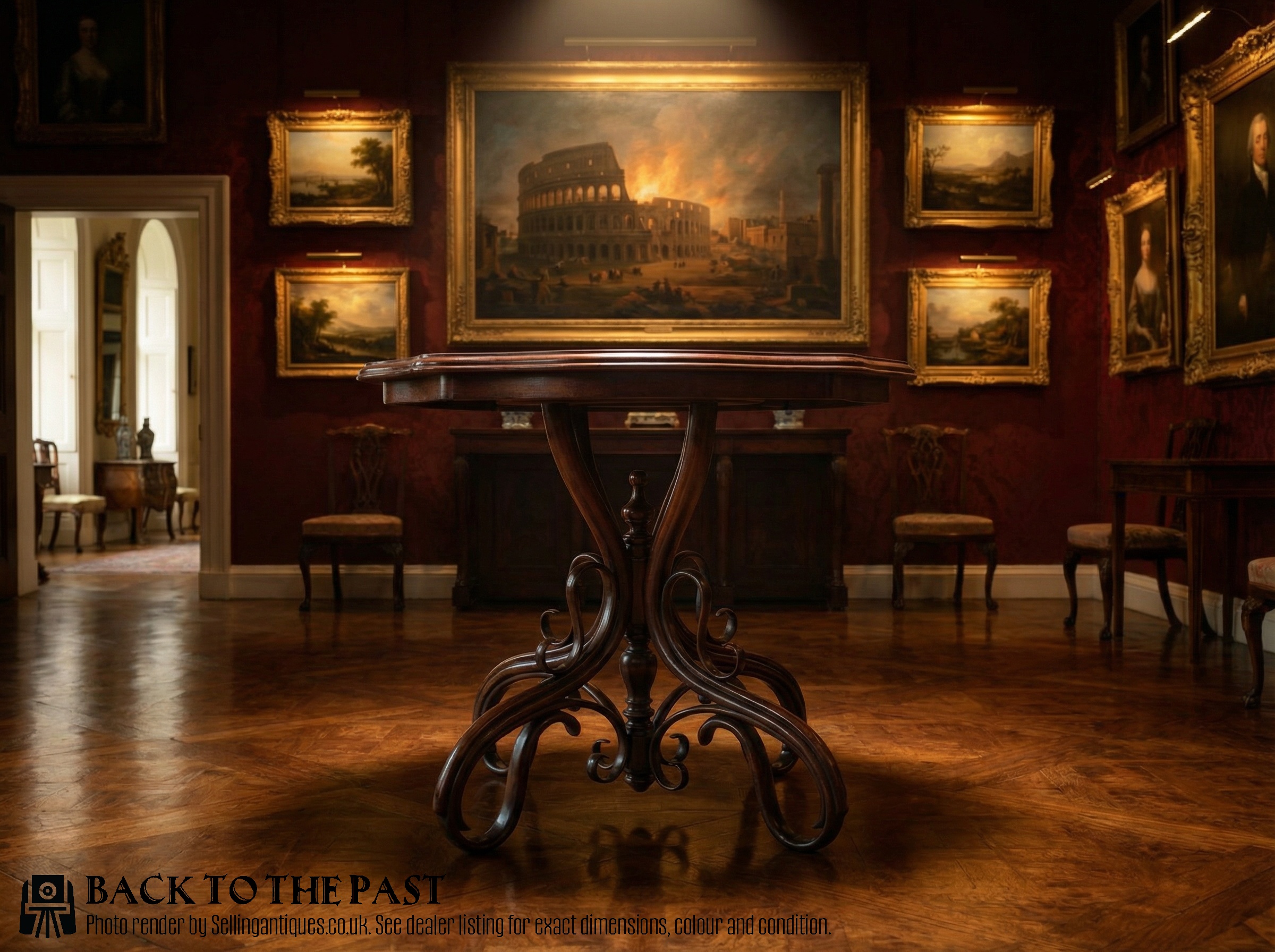
Curved Leg Tea Table
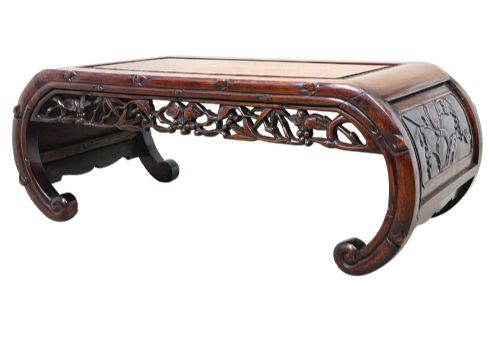
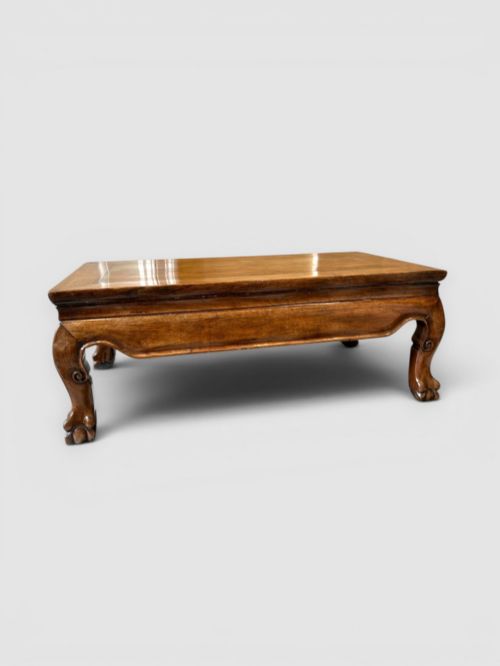
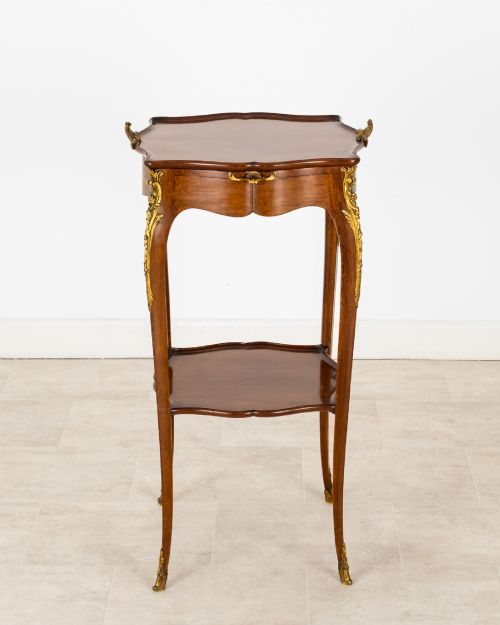
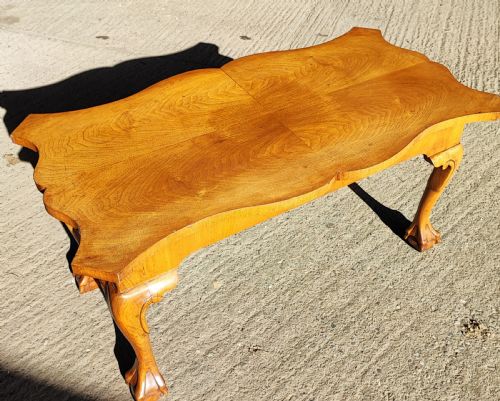
A curved leg tea table encompasses a varied selection of occasional, coffee, centre, and card tables designed with sweeping supports. You are likely to meet pieces spanning from the late nineteenth century through to the art deco era and the mid-twentieth century.
The forms range from traditional English mahogany and satinwood occasional furniture to French ormolu-mounted designs, oak tiled pieces, and low Chinese opium tables. Styles stretch across Edwardian refinement, art nouveau, Louis XV revival, Sheraton revival, and traditional Chinese aesthetics.
Origins represented in these listings cross English, French, and Chinese workshops, uniting diverse cultural traditions under the shared feature of graceful curved legs. Each form serves modern living as a functional coffee or side table while carrying distinct historical craftsmanship.
How they were made
Makers utilised solid timbers including mahogany, oak, elm, and hardwood alongside walnut veneer and satinwood for decorative surfaces. These woods provided the structural integrity needed to shape slender, curved legs without compromising strength.
Detailing relied on specialised craftsmanship, integrating brass or ormolu mounts, ceramic art nouveau tiles, and delicate inlaid marquetry. Traditional joinery secured the curved framework, ensuring each table could withstand daily use as an occasional or tea surface.
Curved Leg Tea Table Retail Price Guide 2026
Typical asking prices for curved leg tea table among the pieces listed under this phrase on Sellingantiques today, from the lower quarter to the upper quarter. They describe what is for sale here now, not the wider market.
Several tables were built low enough to serve opium, proving that historic lounging had very specific furniture requirements.
What varies in quality
Quality reveals itself in the harmony of the timber selection and the precision of the curved leg profile. Finer examples display carefully matched veneers, such as burr walnut, and hand-cut inlay that integrates seamlessly into the primary wood.
The execution of decorative elements like cast ormolu mounts, glazed tiles, or carved joints separates standard production from exceptional craftsmanship. Superior proportion and balanced weight distribution ensure the table remains stable despite its slender, curving supports.
François Linke·Thonet
The Curved Leg Tea Table Glossary
- Ormolu
- Gilded bronze ornamentation applied to furniture mounts. This decorative technique is frequently found on French revival pieces.
- Marquetry
- Decorative patterns formed by inserting pieces of veneer into a master wood structure. Craftsmen use this to create intricate surface designs on tabletops.
- Occasional table
- A small, versatile table designed for sporadic use around a room. These pieces function easily as tea or coffee surfaces.
- Foldover table
- A dual-surface table featuring a hinged top that opens to expand the usable area. This design often appears in card and gaming tables.
- Burl walnut
- Wood grain marked by swirling knots and intricate patterns used for high-end veneering. It provides a rich visual depth to table surfaces.
Curved Leg Tea Table: Frequently Asked Questions
What is a curved leg tea table?
A curved leg tea table is a low or occasional surface supported by graceful, sweeping legs, designed originally for serving tea or displaying decorative objects.
Today, these versatile pieces serve well as coffee tables or side tables in contemporary sitting rooms.
How do I style an antique table?
Mixing these tables with modern seating creates a balanced interior that highlights the character of the aged timber and curved supports.
Keep the surface styling minimal with a few books or a ceramic bowl to let the craftsmanship remain the focus.
How do I tell periods apart?
Edwardian and Sheraton revival pieces often feature lighter satinwood, delicate inlay, and Edwardian restraint, while art deco tables favour streamlined geometry and burr walnut veneers.
Earlier nineteenth-century examples lean towards heavier mahogany construction and ornate ormolu mounts.
Were these always used for tea?
While many started as tea or occasional tables, the category also includes low opium tables, centre tables, and card tables with foldover tops.
Their varied heights and shapes make them adaptable for multiple functions in a modern home.