

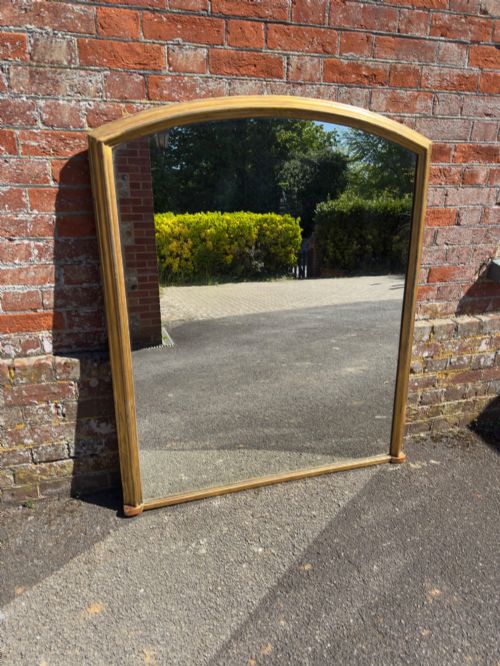


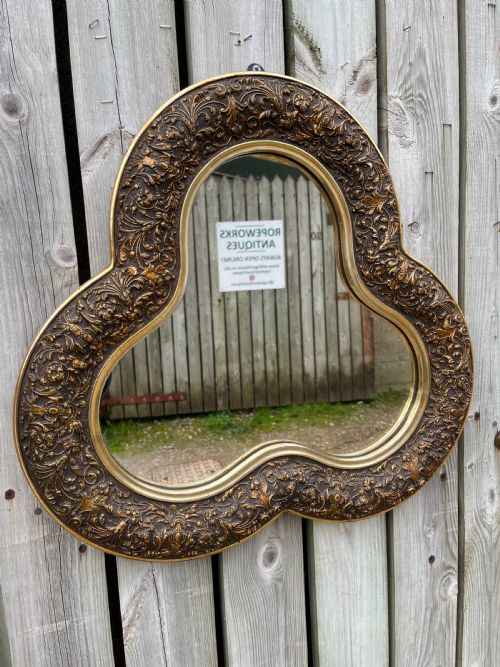


Shaped Giltwood Wall Mirror
A shaped giltwood wall mirror brings instant depth and reflective light to a room, drawing the eye with rich carved detail and warm metallic surfaces.
Shaped Giltwood Wall Mirror
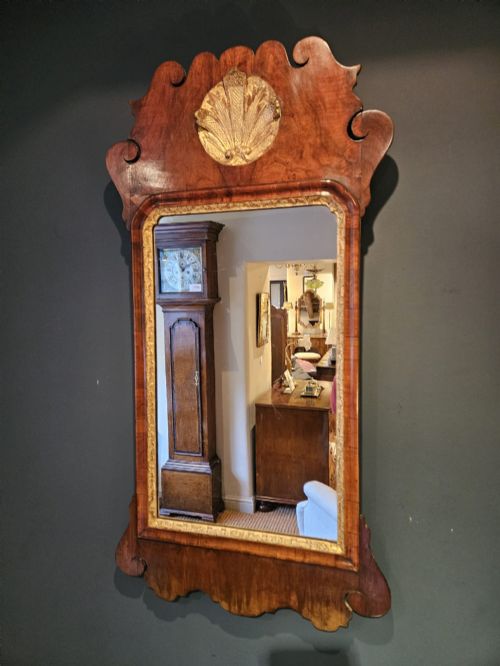
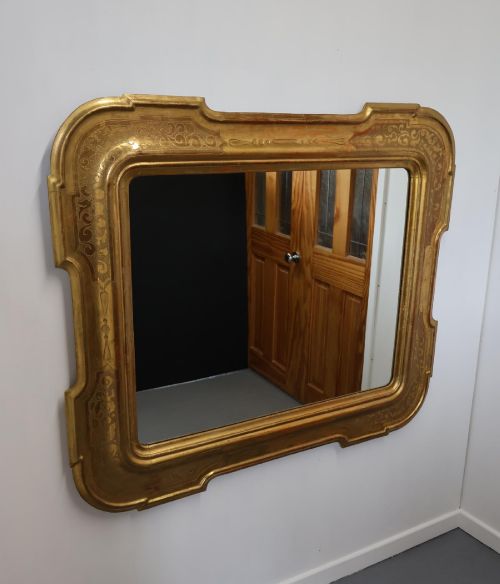
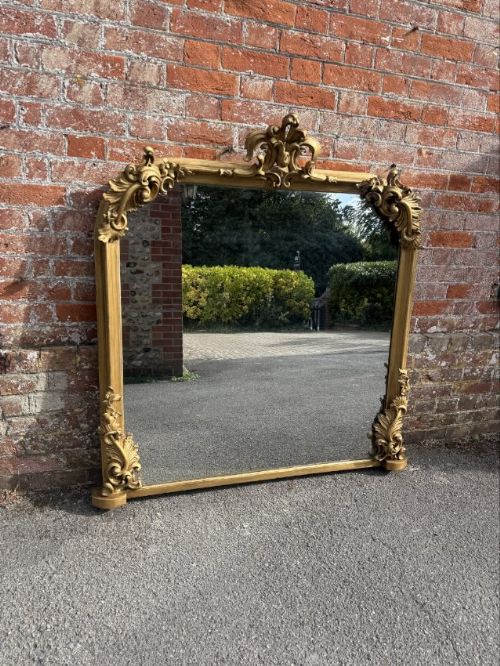
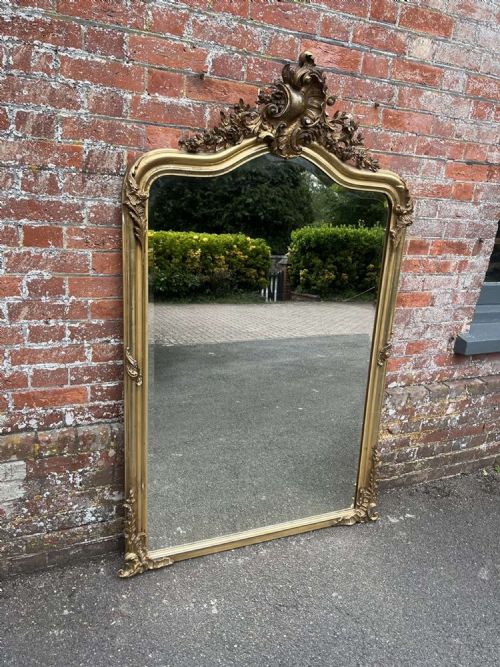
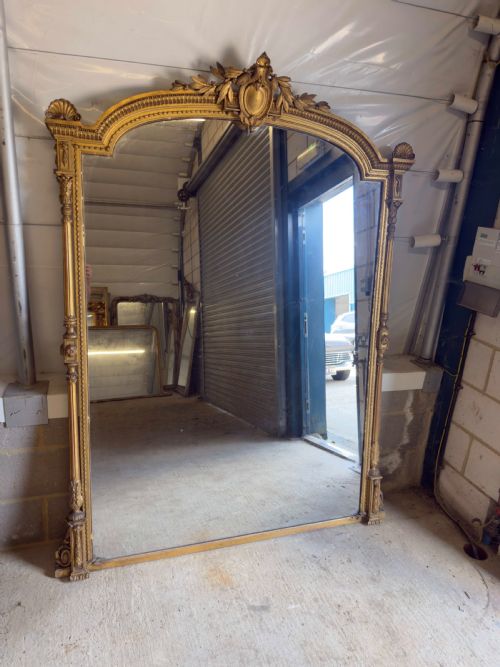
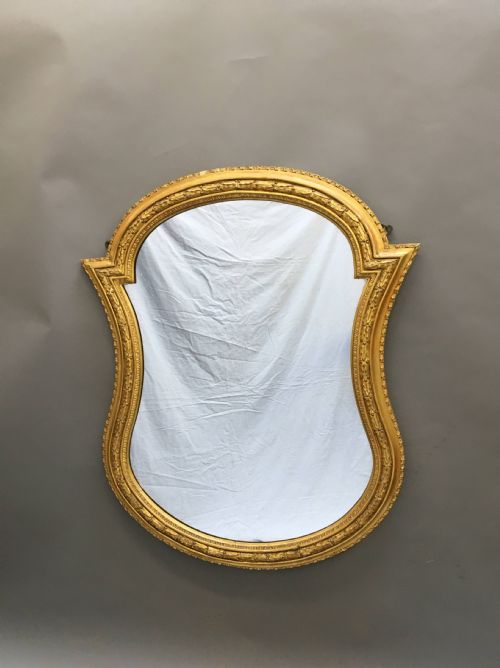
A shaped giltwood wall mirror combines decorative timber framing with reflective glass, designed to hang on principal walls or rest above fireplaces. When you search for a shaped giltwood wall mirror, you encounter large formats built to dominate an interior space with curved contours and elaborate outlines.
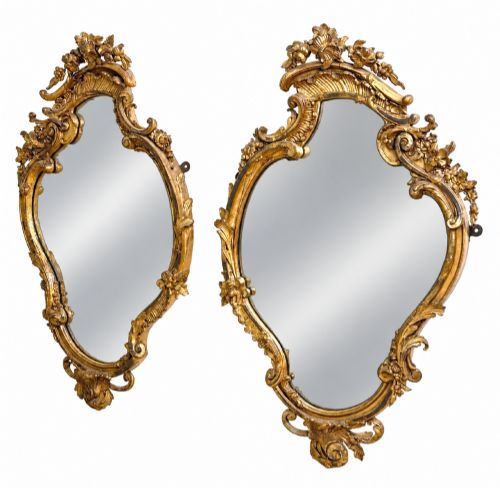
The selections span the nineteenth century, including pieces attributed to the Victorian era alongside continental French Rococo and Neoclassical designs. English overmantel mirrors and French chateau styles appear frequently, often featuring shaped tops and substantial proportions.
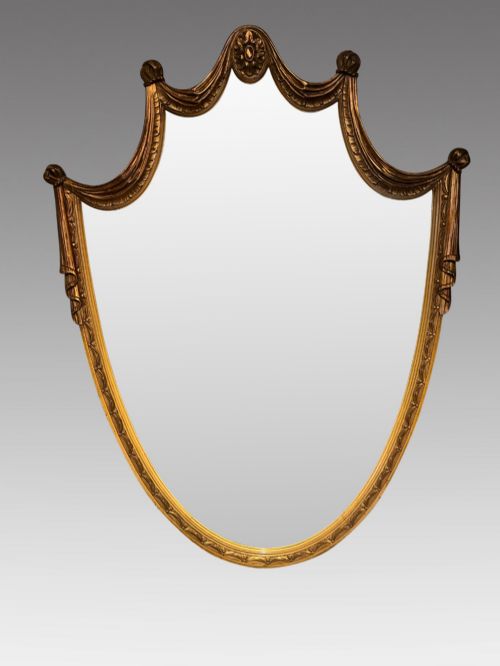
Makers utilised specific geometries, ranging from quatrefoil and shield shapes to arched or undulating frames. These large pieces served both practical dressing functions and decorative roles in formal nineteenth-century interiors.
Materials and construction
Craftsmen built these frames using carved wood and applied gesso, layering plaster over a wooden base to create deep relief ornamentation before gilding. This combination allowed artisans to form crisp scrolls, laurel leaves, and ribbed columns along the border.
The gilded finish was achieved by applying gold leaf over the prepared gesso surface, sometimes complemented by burnishing to catch the light. Original mirror glass sits within the rebate, often showing the subtle foxing and depth associated with nineteenth-century plate manufacture.
Shaped Giltwood Wall Mirror Retail Price Guide 2026
Typical asking prices for shaped giltwood wall mirror among the pieces listed under this phrase on Sellingantiques today, from the lower quarter to the upper quarter. They describe what is for sale here now, not the wider market.
Materials recorded across current inventory include carved wood, gesso, gold leaf, and glass.
Evaluating quality
Quality rests upon the crispness of the wood carving and the depth of the gesso relief beneath the gold leaf. Finer examples display hand-carved botanical motifs and well-defined structural lines rather than purely moulded composition ornament.
The integrity of the original gilding and the retention of early mirror glass distinguish superior pieces from later restorations. Heavier framing timbers and substantial backboards indicate robust nineteenth-century workshop standards.
The Shaped Giltwood Wall Mirror Glossary
- Giltwood
- Wood that has been coated with gold leaf or powder. This surface treatment provides a warm metallic sheen that resists tarnishing over decades.
- Gesso
- A plaster mixture applied to wood frames to create a smooth base for carving and gilding. Artisans modelled this compound to achieve intricate decorative relief.
- Overmantel mirror
- A large horizontal looking glass designed to hang directly above a fireplace mantelpiece. These pieces often anchor the decorative scheme of a nineteenth-century room.
- Rococo Revival
- A nineteenth-century design movement inspired by eighteenth-century French styles characterised by asymmetrical curves, scrollwork, and naturalistic motifs.
- Quatrefoil
- A symmetrical shape featuring four lobes or rounded foils. This geometric outline appears in specific nineteenth-century mirror frames.
Shaped Giltwood Wall Mirror: Frequently Asked Questions
Where should I hang a large overmantel mirror?
These large mirrors sit naturally above a living room fireplace, where their scale balances the hearth and reflects light across the space. They can also anchor a dining room wall to amplify natural illumination.
Ensure the wall construction and fixings can support the substantial weight of carved wood and gesso frames before mounting.
How do I distinguish French Rococo from Victorian styles?
French Rococo pieces often feature flowing, organic scrolls and laurel leaf framing inspired by continental chateaux. Victorian English examples frequently incorporate structured architectural elements like ribbed columns.
Both styles utilise carved wood and gesso, but the decorative vocabulary reveals the workshop's regional origin.
What causes the dark spots on antique mirror glass?
The silvering behind nineteenth-century glass oxidises slowly over time, producing mottled areas known as foxing. This natural ageing process confirms the authenticity of the original plate.
Collectors often prize this characteristic for the gentle historical depth it brings to the reflection.
How do I care for nineteenth-century giltwood frames?
Dust the carved surfaces gently with a soft, dry brush to prevent particle buildup within the gesso relief. Avoid liquid cleaners and modern polishes, which can strip or damage the delicate gold leaf.
Keep the mirror away from direct sunlight and damp environments to protect both the timber frame and the silvered glass.