

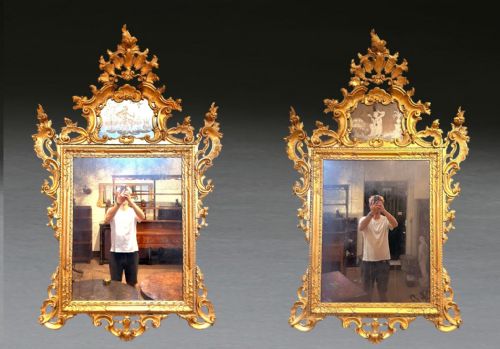

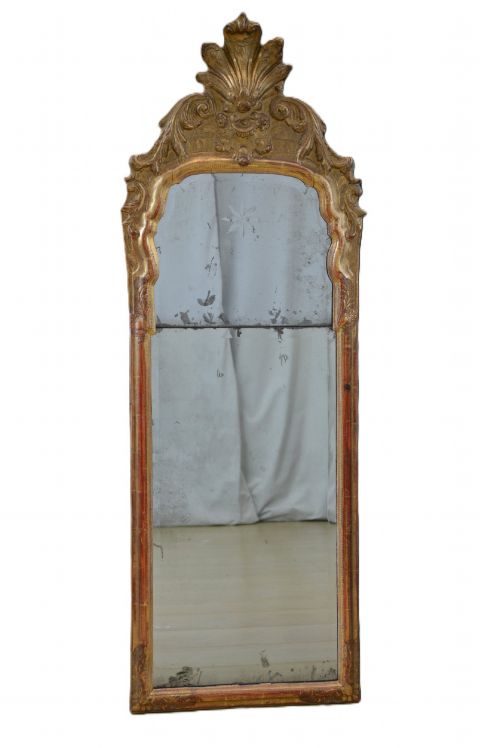


Antique Etched Gilt Mirror
An antique etched gilt mirror brings light and grand architectural presence to a room through gilded surfaces and engraved glass.
Antique Etched Gilt Mirror
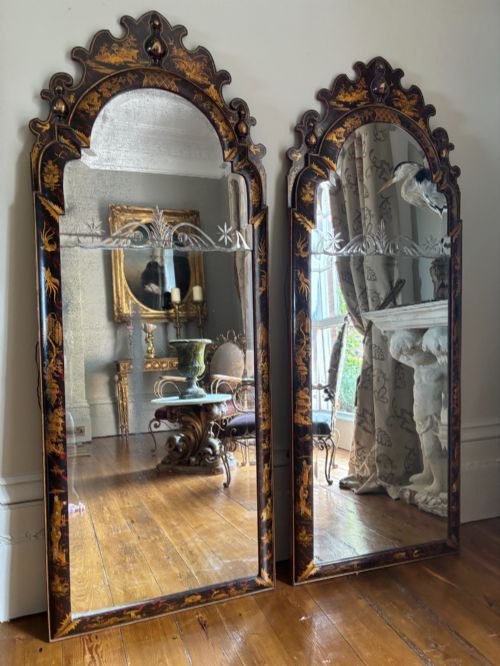
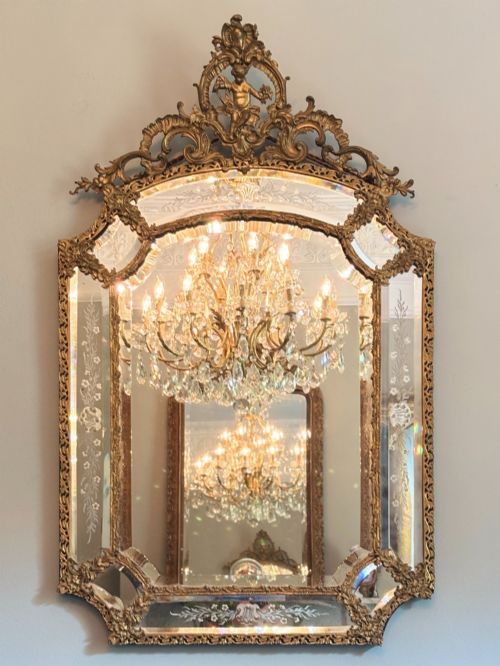
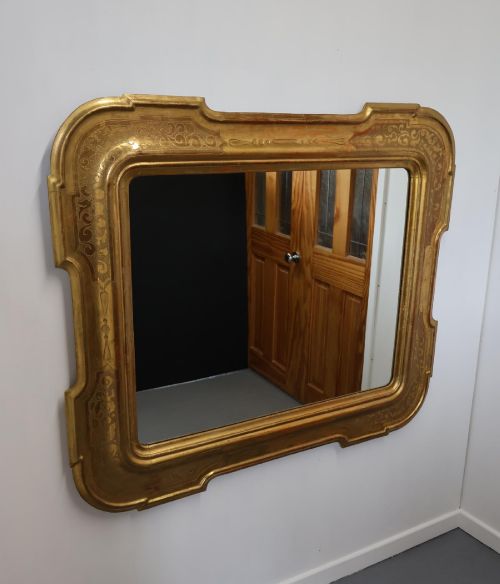
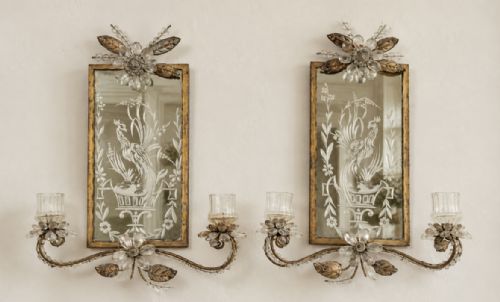
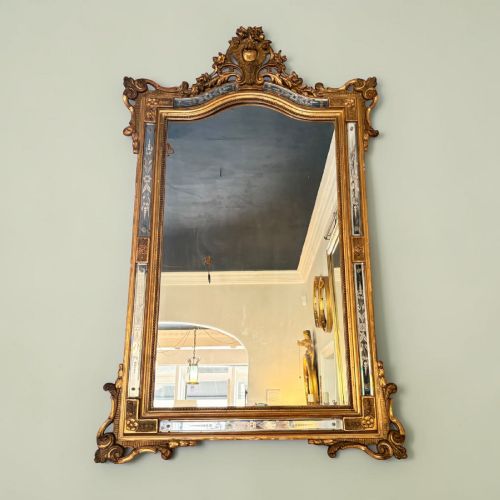
An antique etched gilt mirror combines carved wooden frames with decorated glass plates to create reflective focal points. Buyers exploring an antique etched gilt mirror will find wall mirrors, overmantels, and pier mirrors spanning periods from the eighteenth century through the twentieth century.
Overmantel mirrors and large wall mirrors dominate the forms, offering substantial scale for domestic interiors. Smaller pier mirrors and cushion frames provide alternatives suited to narrower wall spaces between windows.
Materials and construction
Frames are constructed from carved wood or gesso over a wooden base, finished with gold leaf or giltwood. Artisans applied layers of gesso to create smooth surfaces suitable for intricate relief carving before gilding.
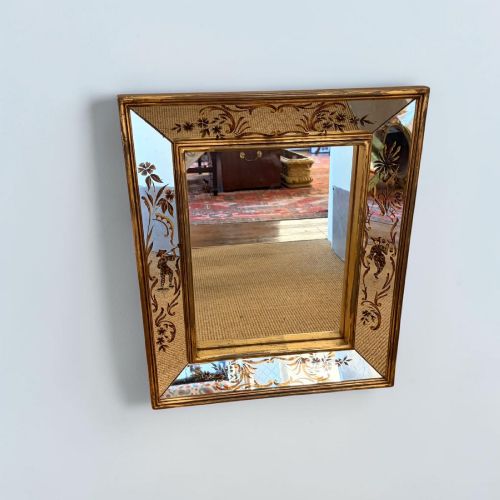
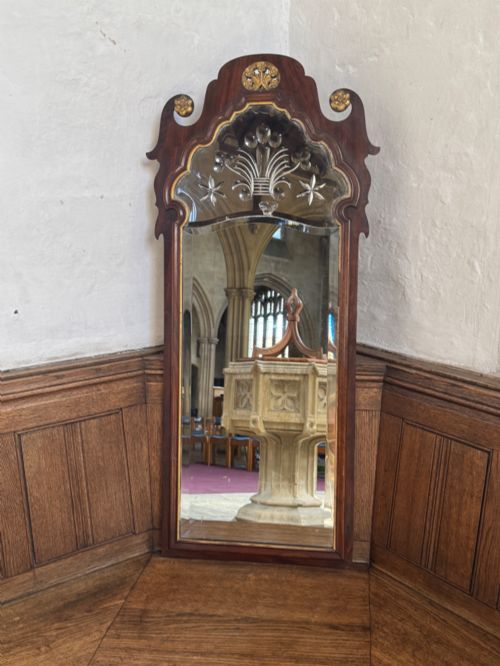
Mirror plates utilise traditional glass fabrication, sometimes featuring reverse cut plates, eglomise decoration, or surface etching. Engraving and etching on the glass surface create delicate patterns that catch and refract ambient light.
Antique Etched Gilt Mirror Retail Price Guide 2026
Typical asking prices for etched gilt mirror among the pieces listed under this phrase on Sellingantiques today, from the lower quarter to the upper quarter. They describe what is for sale here now, not the wider market.
Materials represented across the collection include glass, giltwood, gesso, gold leaf, and carved wood.
Factors of quality
Quality rests in the crispness of the hand-carved woodwork and the depth of the gilding. Superior examples exhibit finely detailed gesso and deeply carved wooden elements rather than flat or cast substitutes.
The sophistication of the glass work dictates the distinction between standard and exceptional pieces. Hand-etched or engraved plates with intricate designs and clear mirror glass demonstrate superior craftsmanship.
The Antique Etched Gilt Mirror Glossary
- Giltwood
- Wood that has been coated with gold leaf or a gold-coloured metallic finish. This technique creates a radiant surface that reflects candlelight and daylight.
- Gesso
- A plaster-like mixture applied to wood frames to provide a smooth base for carving and gilding. Artisans used it to build up high-relief decorative mouldings.
- Pier mirror
- A tall, narrow mirror designed to hang on the wall space between two windows. These pieces often sat above small console tables.
- Eglomise
- A process of applying cold painting and gold leaf to the rear face of glass. It produces a distinctive decorative border with a reflective sheen.
- Overmantel mirror
- A wide mirror designed specifically to hang above a fireplace mantelpiece. They frequently feature arched tops and horizontal proportions.
Antique Etched Gilt Mirror: Frequently Asked Questions
Where should I hang an overmantel mirror?
An overmantel mirror sits naturally above a fireplace mantelpiece, anchoring the vertical space of the chimney breast. The generous width balances the hearth below while reflecting light across the room.
Ensure the fixings securely support the weight of the wooden frame and glass plate into solid wall anchors.
How do I clean an antique gilt frame?
Dust the carved wooden frame gently with a soft, dry brush to remove surface particles. Avoid liquid cleaners and harsh chemicals, which can strip the delicate gold leaf or damage historic gesso.
Take care around areas of flaking gilding to preserve the original surface integrity over time.
What is a pier mirror used for?
A pier mirror occupies the narrow wall section between two windows, a spot historically known as the pier. By placing a mirror in this position, eighteenth and nineteenth-century rooms maximised available natural light.
Today, these vertical mirrors work well in hallways, narrow entryways, or flanking larger pieces of furniture.
How do I identify a Venetian mirror?
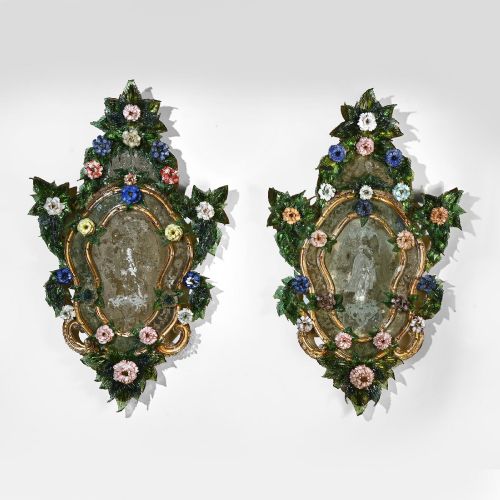
Venetian mirrors often feature heavily engraved glass plates decorated with floral motifs, birds, or scrollwork. The frames themselves frequently incorporate shaped glass elements fixed with decorative rosettes.
Look for intricate edge bevelling and hand-cut details that distinguish these pieces from standard framed wall mirrors.