


Seventeenth Century Portrait
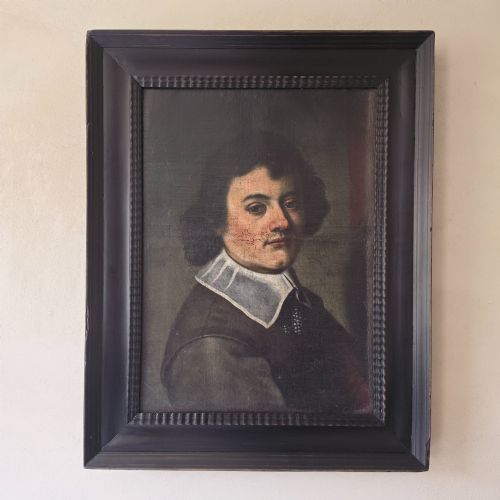
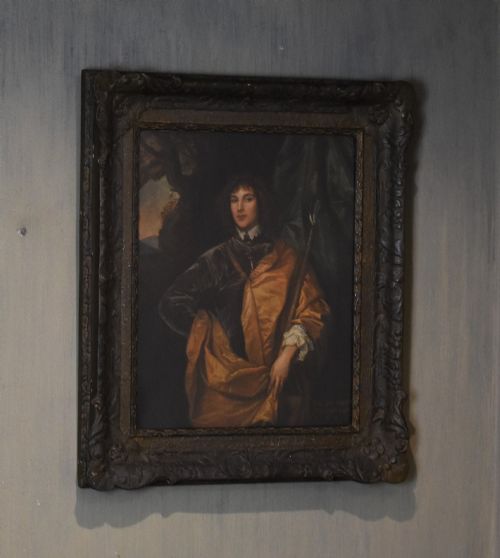
A seventeenth century portrait captures figures in oil and print, offering a direct encounter with subjects from the Stuart and Baroque eras.
Seventeenth Century Portrait
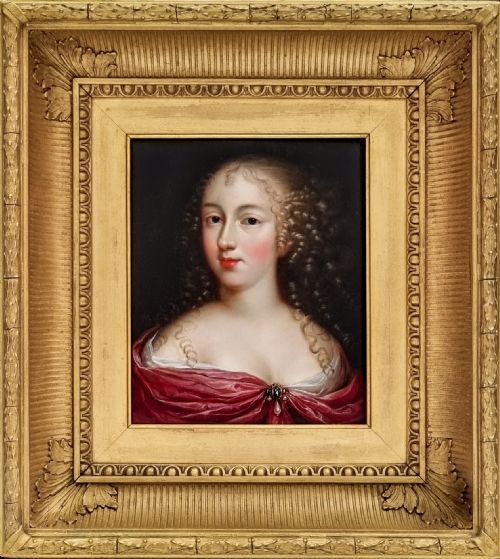
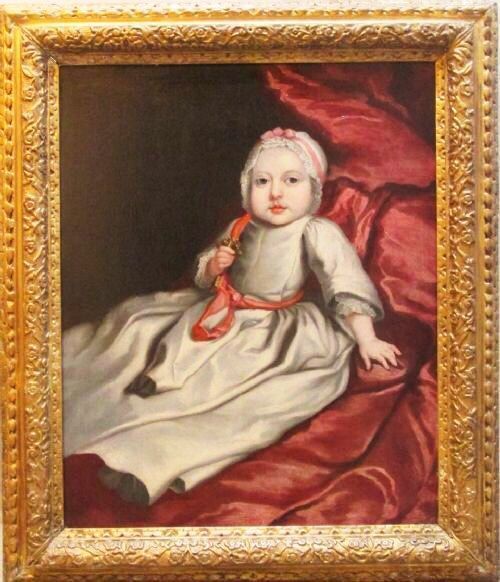
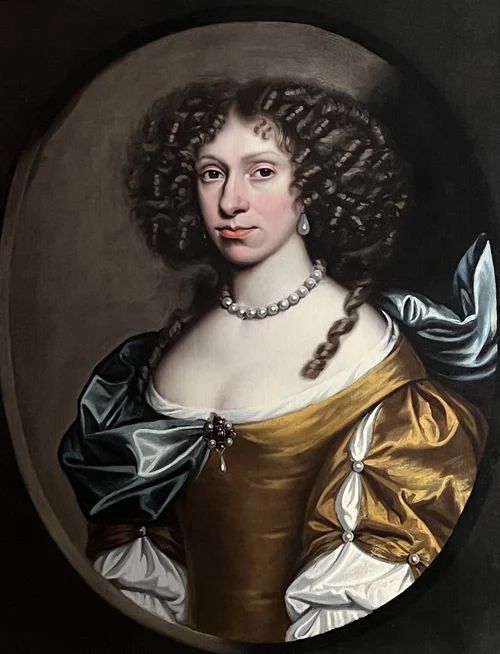
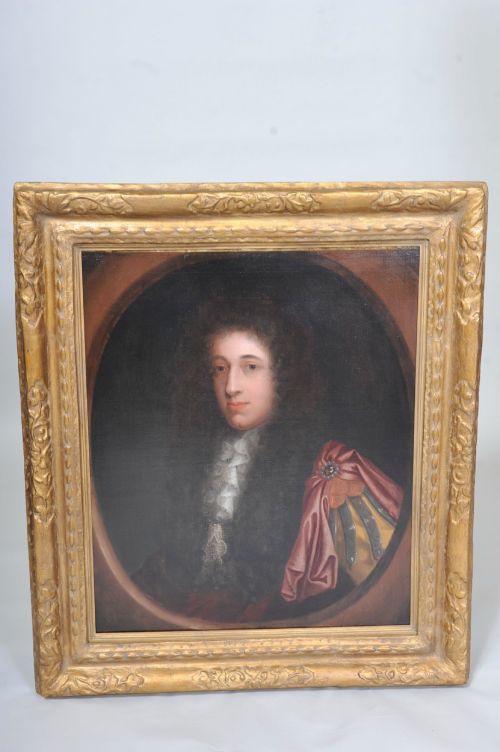
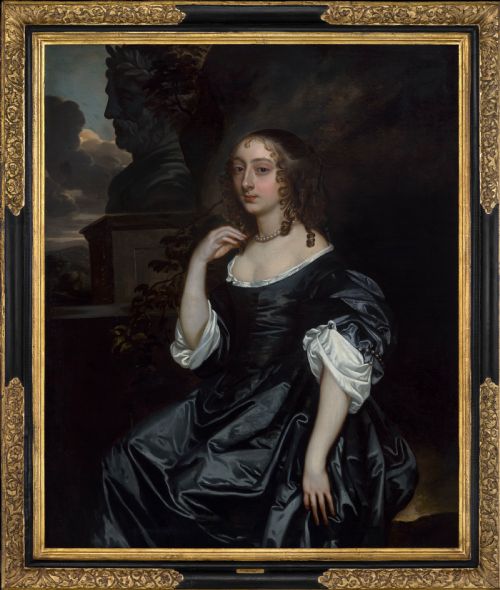
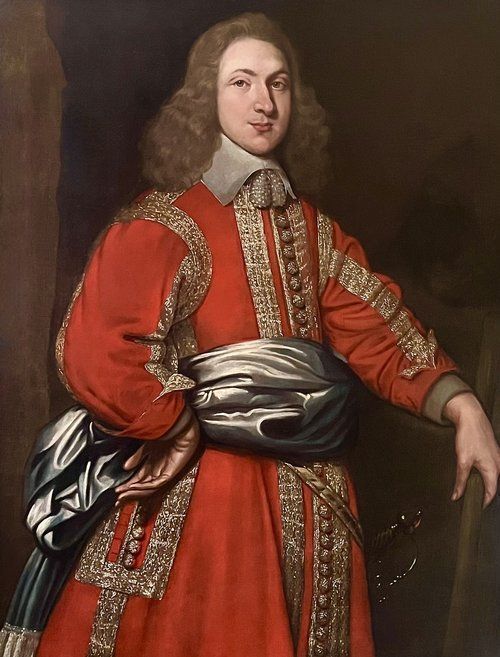
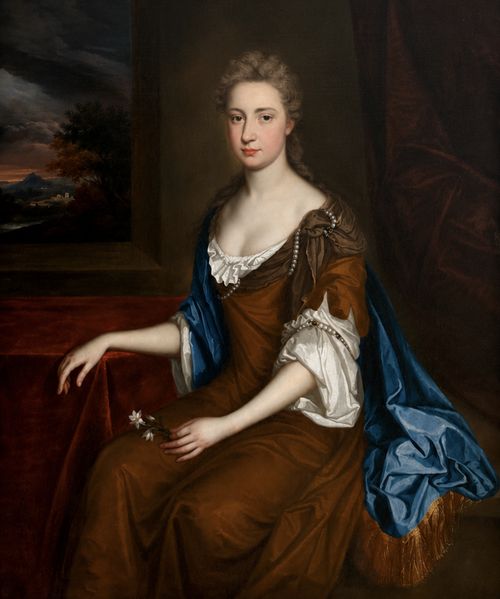
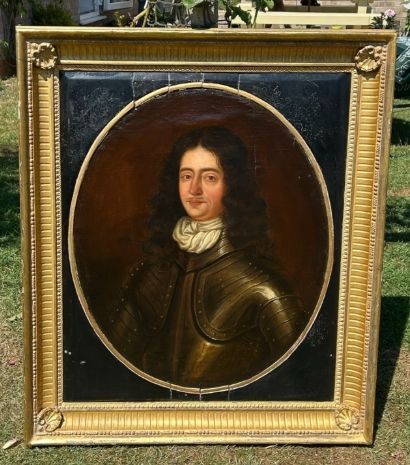
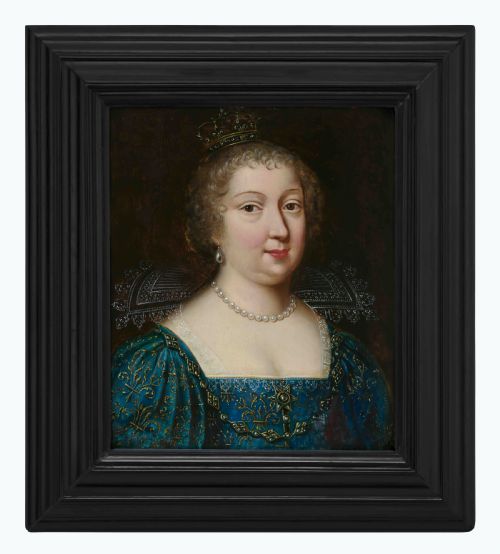
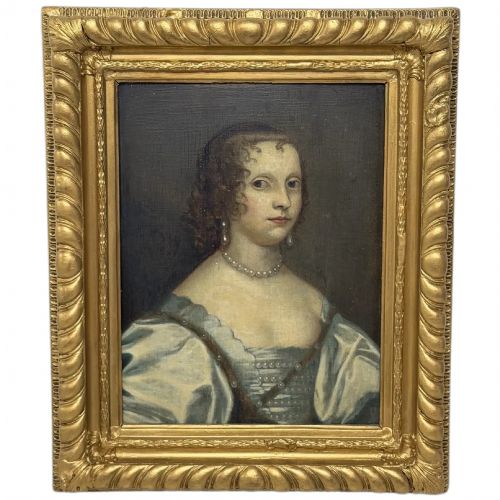
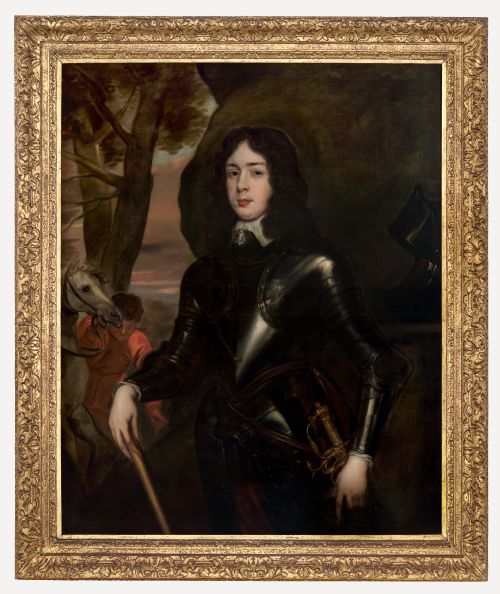
A seventeenth century portrait presents likenesses of aristocrats, officers, clergy and ladies executed in oil on canvas or panel during the 17th Century and related periods. These artworks range from grand depictions of royalty by continental masters to provincial studies of gentlemen and gentlewomen.
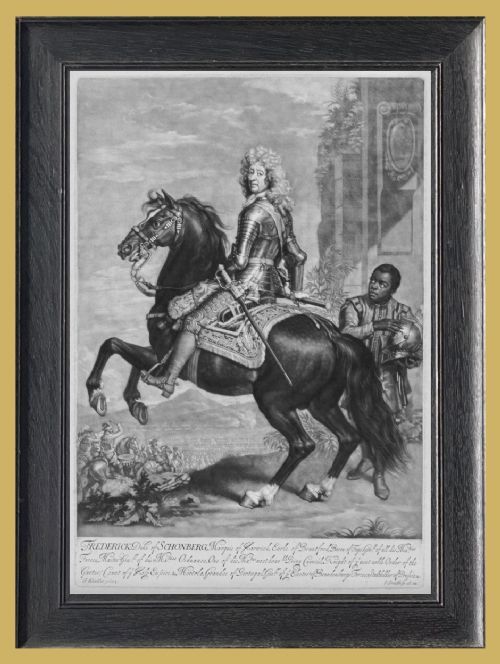
Buyers encounter oil paintings alongside later mezzotints and prints reproducing famous canvases from the Dutch Golden Age and British schools. The most frequent discoveries on this page are oil paintings on canvas framed in period giltwood.
Subjects often wear ruffs, lace collars or military armour, reflecting the social status and political allegiances of the sitter. Works span direct studio output, copies after van Dyck or Rembrandt, and later interpretations produced across the 18th and 19th centuries.
Materials and technique
Artists built these works using oil paint applied to woven canvas stretched over wooden frames or laid upon prepared wood panels such as oak. Pigments were layered over underpaintings to create deep drapery and realistic flesh tones, frequently finished with a protective varnish.
Prints and mezzotints utilise paper surfaces, employing inked copper plates to transfer fine tonal gradations derived from original painted compositions. Frames are constructed from wood ornamented with gold leaf and giltwood mouldings to enclose the canvas.
Listings feature oil paintings and prints spanning the 16th Century, 17th Century, 18th Century, and early 1900s.
Distinctions in quality
Quality rests upon the dexterity of the brushwork in rendering facial expressions, hands and fabric textures such as silk and lace. Master works display subtle control of light and shadow, whereas workshop copies or later reproductions often present stiffer lines and flatter planes.
The integrity of the original canvas support, the stability of the paint layer and the presence of historic or period framing contribute significantly to the standing of an individual piece.
DAVID SCOUGALL·JOHN SMITH·SIR GODFREY KNELLER·SIR PETER LELY·MICHAEL DAHL·NICOLAES MAES·THOMAS HILL·PIETER NASON·SAMUEL COOPER·JOHN HOSKINS
The Seventeenth Century Portrait Glossary
- Mezzotint
- A printmaking process where the copper plate is roughened to achieve dark tones and scraped to produce lighter areas, allowing for subtle tonal portraits.
- Baroque
- An artistic style characterised by drama, rich colour and grand scale, prominent in 17th century European painting.
- Panel painting
- An artwork executed on a flat piece of wood, commonly oak in northern European works, providing a rigid support before canvas became dominant.
- Giltwood
- Wood carved and coated with gold leaf or metallic powder, frequently used for elaborate historic picture frames.
- Studio of
- A term indicating a work produced by assistants or pupils under the direct supervision of a master artist.
Seventeenth Century Portrait: Frequently Asked Questions
How do I identify a 17th century portrait?
Examine the costume, hair styles and framing methods typical of the period, noting lace collars, doublets and wigs. Material analysis of the canvas and underlying wood panels also aids in establishing the age of the work.
Compare the handling of paint and signatures with known examples from British and Dutch schools of the era.
Were these portraits painted from life?
Many grand portraits were painted from life during formal sittings, though sitters frequently posed for assistants in the master workshop. Copies and studio repetitions were often produced for family members or political allies.
Posthumous portraits relied on earlier miniatures or sketches to record the likeness of the subject.
How should I display an oil painting at home?
Position the framed painting away from direct sunlight and radiators to protect the canvas and oil pigments from cracking. Maintain stable indoor humidity levels to safeguard both the wooden stretcher and the paint layer.
Ensure the wall mount securely supports the weight of the heavy giltwood frame.
What is the difference between an original and a later print?
An original oil painting is a unique work created by hand on canvas or panel during the active period of the artist. Prints and mezzotints are mechanical reproductions on paper issued to disseminate famous compositions widely.
Prints carry different value and aesthetic qualities compared to direct painted works.