

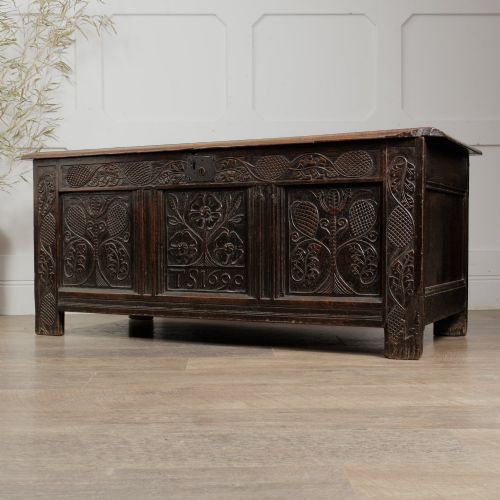
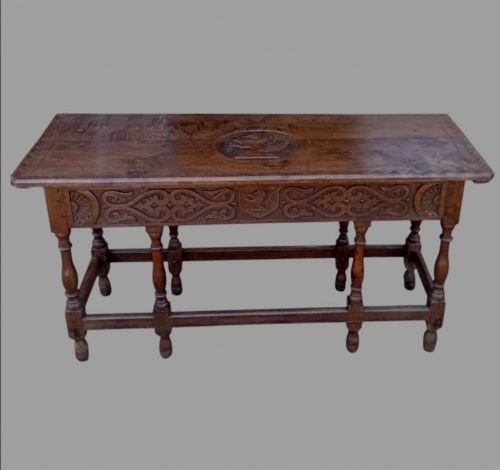
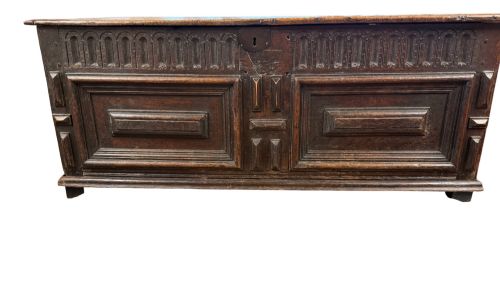
Seventeenth Century Carved Oak
Seventeenth century carved oak brings robust timber furniture and architectural panels into domestic spaces, prized for honest construction and enduring presence.
Seventeenth Century Carved Oak
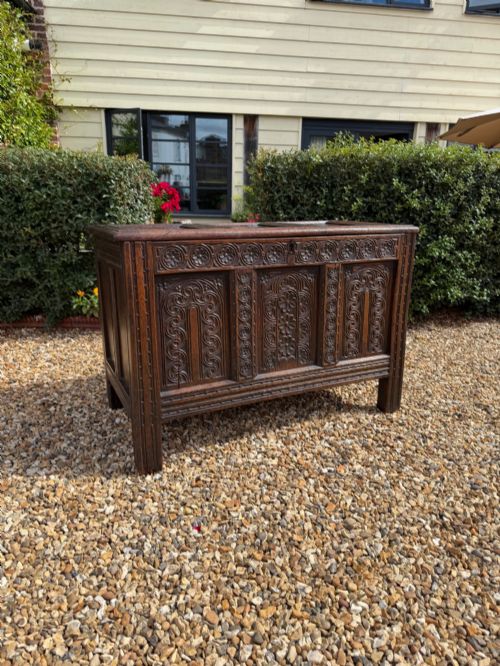
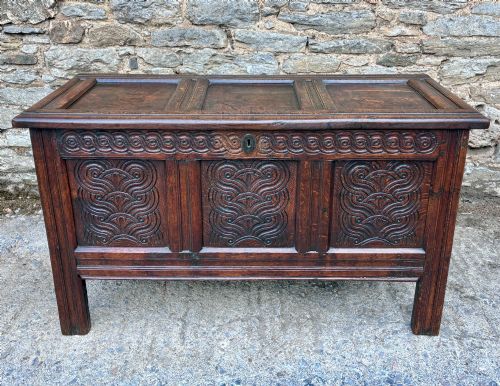
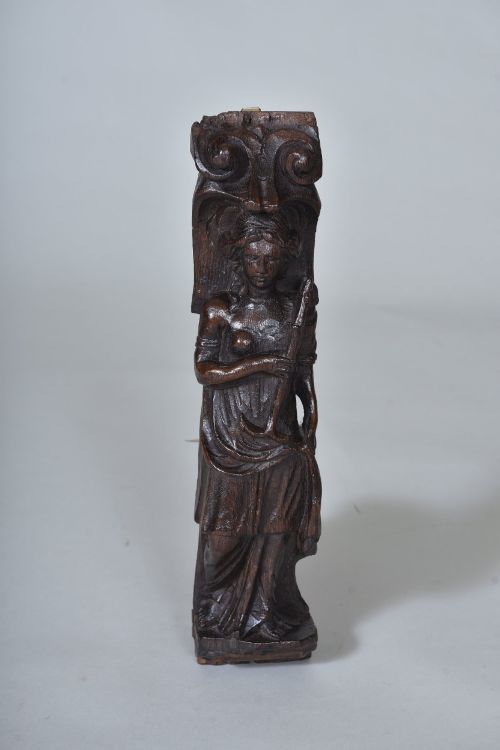
Seventeenth century carved oak encompasses heavy storage chests, jointed chairs, draw leaf dining tables, and panelled cupboards made for domestic utility. Buyers searching for seventeenth century carved oak encounter sturdy timbers shaped by period joinery methods and surface carving.
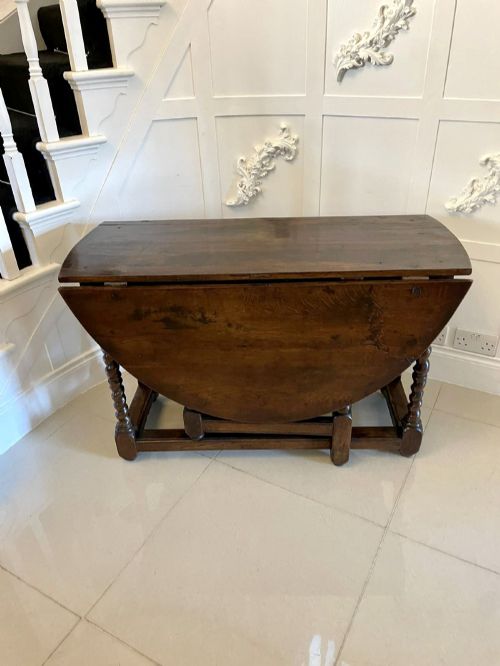
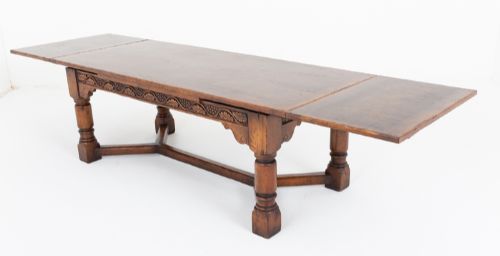
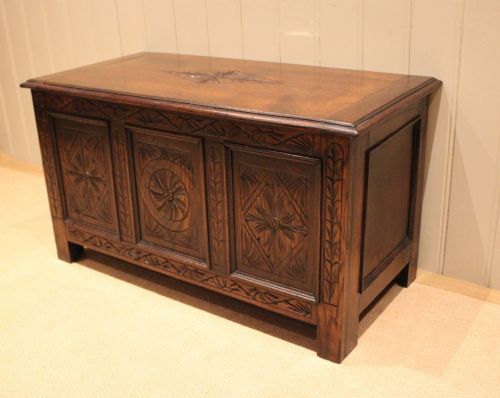
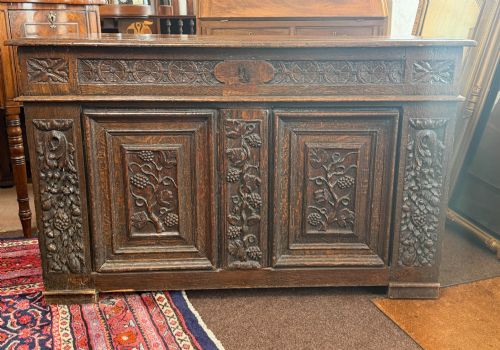
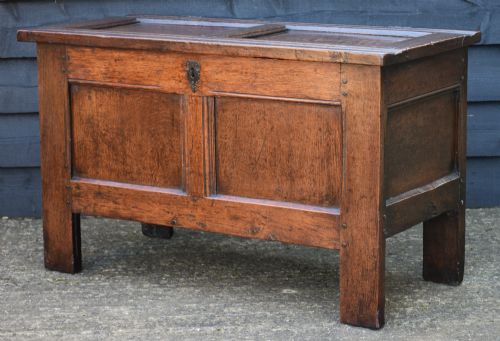
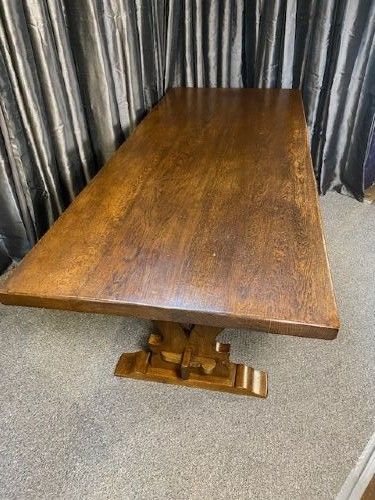
Coffers, chests of drawers, and court cupboards dominate the forms, alongside wainscot armchairs and refectory dining tables. Pieces span genuine seventeenth century origin through to revival interpretations produced during later periods.
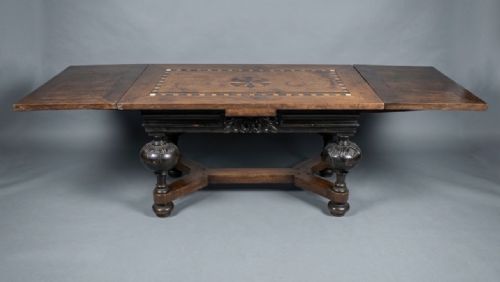
Regional variations appear in British examples, including Welsh, Lancashire, Cheshire, and Yorkshire forms, alongside Dutch pieces featuring inlaid details.
Distinguishing Quality
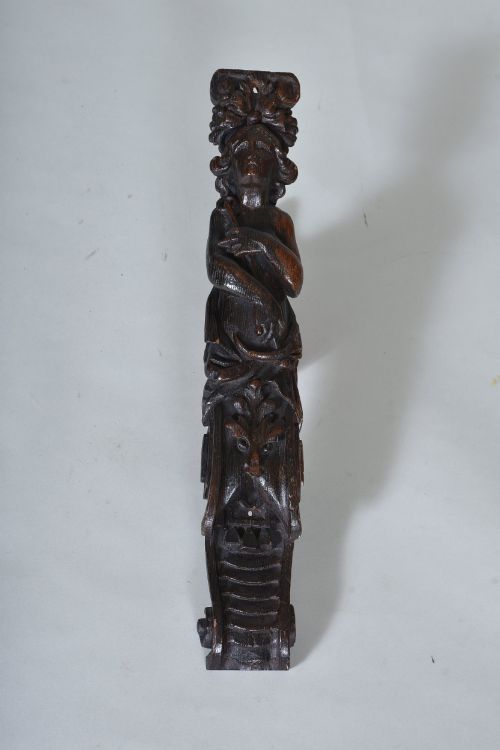
Proportion and surface finish separate standard examples from finer works, visible in the depth of hand carving and the integrity of original patination. Bold proportions and untouched surfaces reflect the skill of the original workshop.
The degree of later adaptation alters the character of surviving pieces, distinguishing items retaining their original structure from those altered in subsequent centuries.
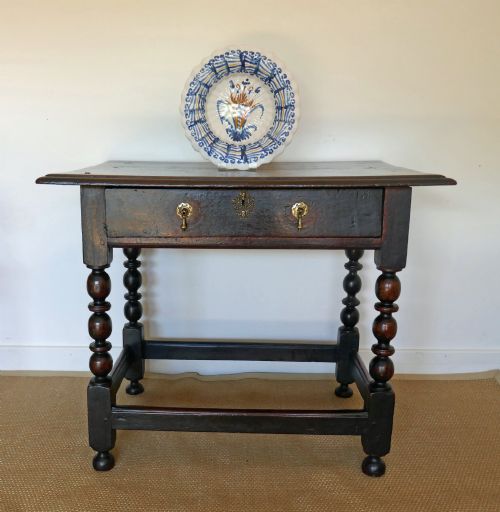
Object forms span chests of drawers, coffers, dining tables, armchairs, side tables, court cupboards, and dressers.
The Seventeenth Century Carved Oak Glossary
- Coffer
- A large wooden storage chest with a hinged lid, often panelled and carved on the front. These vessels held household valuables, textiles, and documents.
- Wainscot chair
- A heavy wooden armchair constructed with panelled backs and solid wooden seats. They represent status and craftsmanship from the period.
- Draw leaf table
- A dining table equipped with sliding extension leaves tucked beneath the main top. This mechanism expands the surface area for dining.
- Refectory table
- A long dining table supported by heavy legs and stretcher rails. They served communal dining halls and large domestic spaces.
- Court cupboard
- A formal tiered storage cabinet used for displaying plate and storing household items. They feature enclosed lower sections and recessed upper stages.
Seventeenth Century Carved Oak: Frequently Asked Questions
How do I identify period oak furniture?
Examine the construction methods, tool marks, and timber shrinkage visible across the panels and joints. Genuine period pieces display hand tool texturing and pegged joinery consistent with early workshop practices.
Compare the timber colour and surface patination across different sections of the piece to understand its age and history of care.
What is a wainscot chair?
A wainscot chair is a solid wooden armchair built using panelled construction methods similar to wall panelling. They feature rigid upright backs, solid seats, and substantial armrests.
These chairs were costly items produced for prominent household members during the seventeenth century.
How should I care for antique oak?
Keep wooden furniture away from direct heat sources and dramatic humidity fluctuations to prevent timber splitting. Apply traditional wax sparingly to nourish the grain and maintain the surface sheen.
Dust regularly with a soft dry cloth rather than using modern liquid polishes that can damage old wax surfaces.