




Pair Carved Wood Statues
Pair carved wood statues bring symmetry and sculptural weight to a room, spanning centuries of global craftsmanship from European saints to Asian temple figures.
Pair Carved Wood Statues
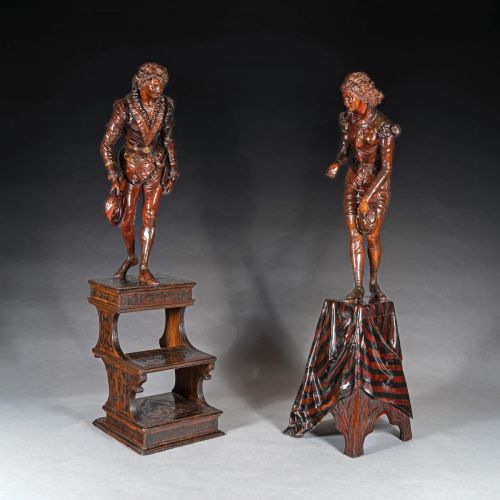
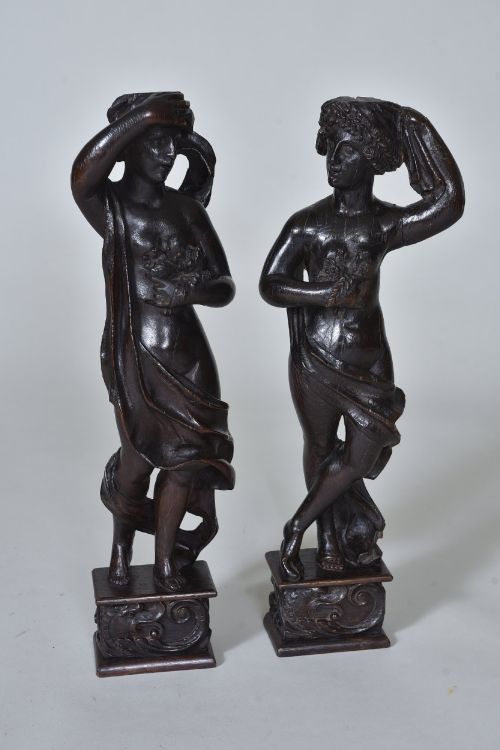
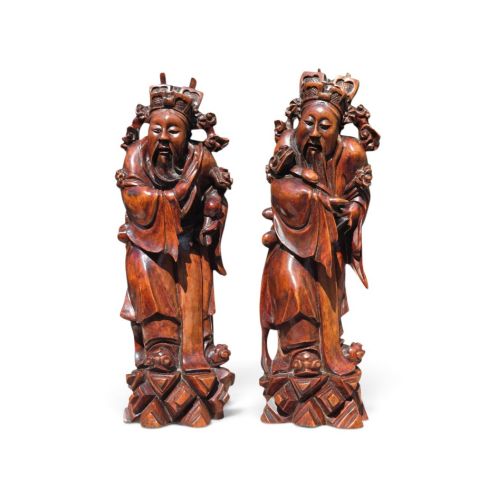
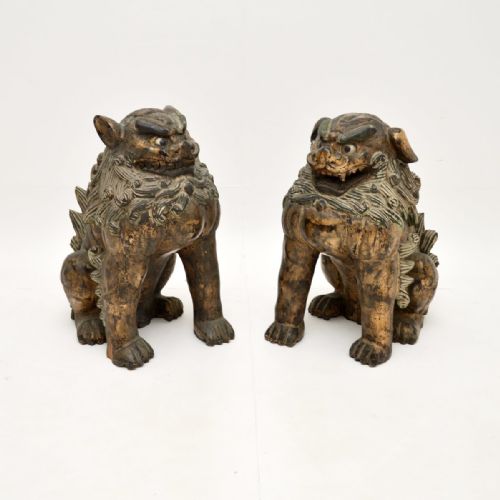
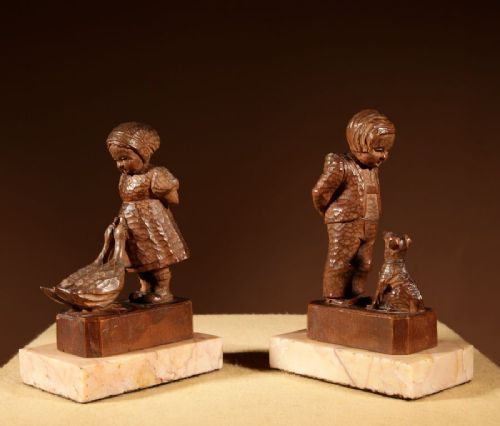
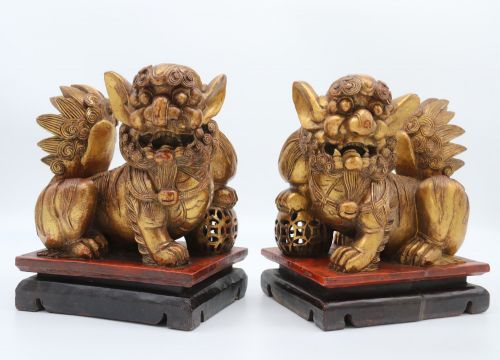
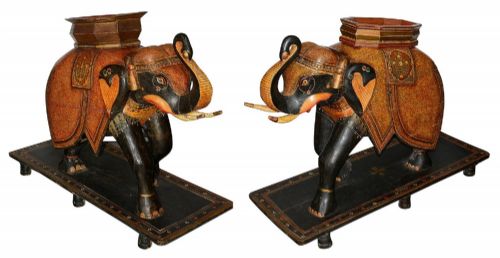
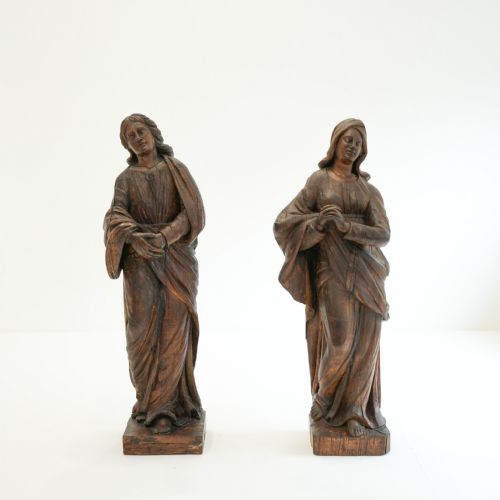
Pair carved wood statues comprise matched dual figures shaped from timber, ranging from religious saints and mythological beasts to animals and human subjects. Buyers encounter items originating across international traditions, including European Black Forest carvings, Chinese hardwood figures, and folk art pieces.
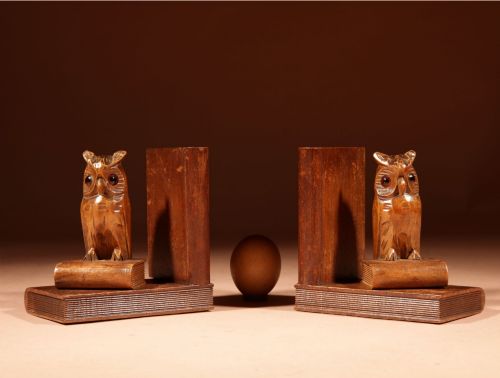
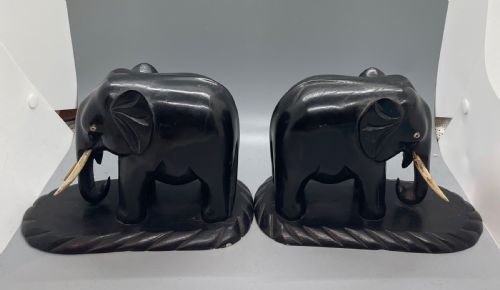
The selection includes functional items like bookends and candlesticks alongside pure decorative sculptures and architectural reliefs. Dating spans from sixteenth-century oak church figures to twentieth-century art deco works and modernist animal studies.
How they were made
Carvers utilised diverse timbers depending on regional traditions and the desired detail, employing dense hardwoods like oak, teak, and ebony alongside softer limewood and pine. Artisans shaped these materials using gouges and chisels to create deep relief and fully rounded forms.
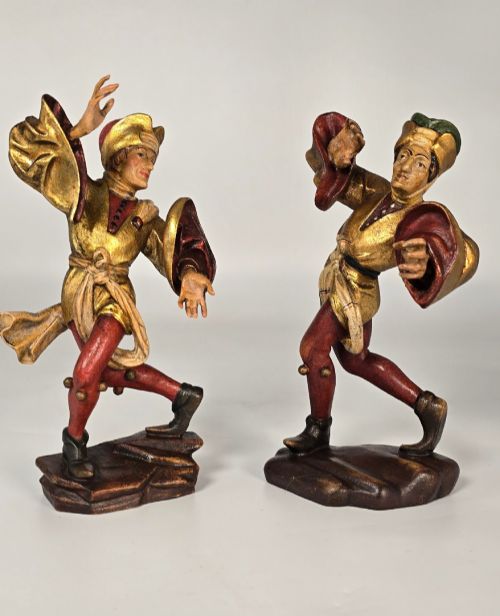
Many surfaces received additional treatment through polychrome paint, gold leaf, lacquer, or ebonisation to enhance visual depth and protect the timber. Hand finishing defined the texture of hair, drapery, and anatomical details across both European workshop pieces and Asian temple carvings.
Listings feature oak, teak, ebony, and limewood carved into animal and human forms across multiple centuries.
What varies in quality
Quality rests in the anatomical proportion and the confidence of the tool marks left by the carver. Superior examples demonstrate fluid movement in figures and precise muscle or feather definition in animal subjects.
The integrity of the original surface finish, whether aged gilding, polychrome pigment, or polished hardwood, determines visual success. Balance between the two individual pieces dictates the strength of the matched display.
Valentino Besarel
The Pair Carved Wood Statues Glossary
- Polychrome paint
- Decoration applied in several colours directly to the timber surface. This technique frequently appears on religious figures and folk art carvings.
- Gilt wood
- Timber treated with a thin layer of gold leaf or powder. It provides a reflective surface often seen on baroque and neoclassical sculptures.
- Hardwood
- Timber derived from broad-leaved angiosperm trees, such as oak, teak, and mahogany. These dense woods allow for fine, crisp detail in sculptural work.
- Black Forest
- A nineteenth-century Swiss and German style of wood carving focused on realistic animals and regional figures. Linden and walnut are common timbers for these works.
- Relief
- Sculpture where the figures project from a flat background rather than existing in the round. This method suits architectural ornaments and wall panels.
Pair Carved Wood Statues: Frequently Asked Questions
How do I style pair carved wood statues at home?
Place matched figures on mantelpieces, sideboards, or pedestals where symmetry enhances their visual impact. Allow sufficient space around the statues so the carved details remain distinct from background walls.
Pair them with complementary items such as heavy bookends or candle holders to build a cohesive display. Ensure the wood tone harmonises with surrounding furniture to maintain a balanced interior.
What periods do these carved figures represent?
The pieces span from the sixteenth century through to the art deco era of the twentieth century. Early examples typically feature European religious subjects in oak, while later Victorian and twentieth-century works embrace folk art and animal studies.
Asian pieces frequently reflect nineteenth-century Qing dynasty traditions or regional colonial craftsmanship. Each era brings distinct tool techniques and stylistic proportions to the timber.
How should I care for antique wood sculptures?
Keep wooden statues away from direct sunlight and sudden temperature shifts to prevent timber splitting. Dust gently with a soft, dry cloth rather than using liquid polishes.
Maintain stable indoor humidity levels to protect both the carved wood and any applied surface finishes like paint or gold leaf. Handle the figures by their main body rather than protruding limbs or delicate carved elements.
What is the difference between European and Asian carvings?
European pieces often focus on religious iconography, classical mythology, or realistic regional fauna such as bears and deer. These works frequently utilise oak, walnut, or limewood with deep undercut drapery and fur texture.
Asian carvings traditionally employ dense hardwoods like teak and ebony to depict temple guardians, mythical beasts, and symbolic animals. The execution emphasises flowing linear grace and polished surfaces.