

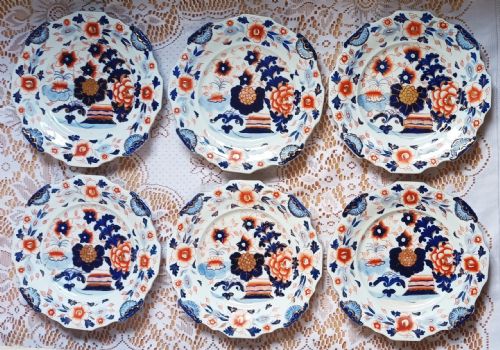

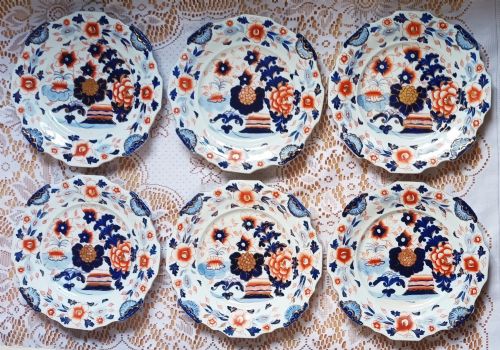
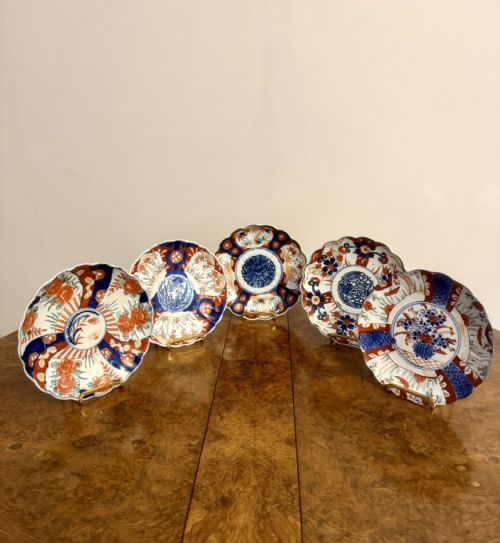


Set of Imari Plates
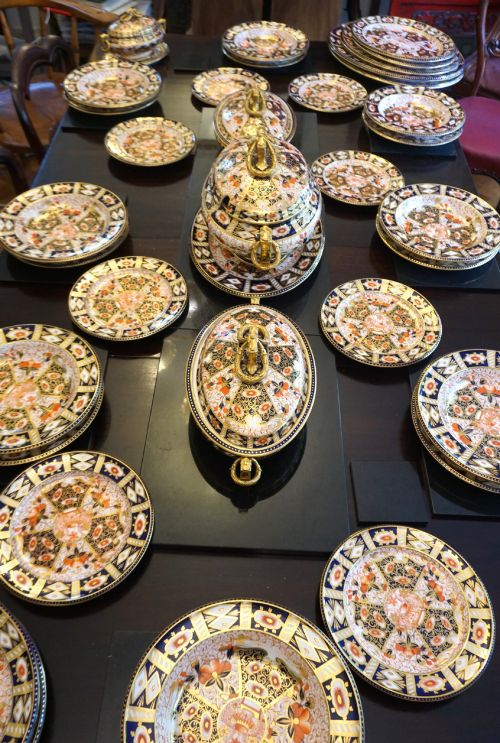
A set of imari plates brings rich cobalt blue and iron-red enamel onto the table, offering centuries of decorative impact.
Set of Imari Plates
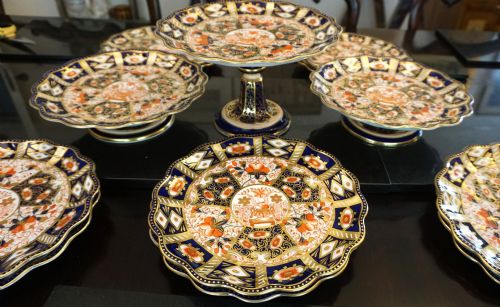
A set of imari plates encompasses dining and dessert services produced across the eighteenth and nineteenth centuries, featuring both imported Japanese wares and English interpretations. Buyers encounter dessert services, dinnerware sets, and smaller collections of decorative dishes.
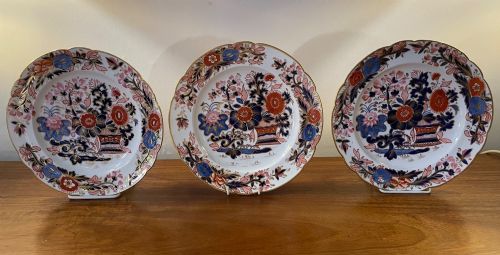
The English potteries adopted the characteristic palette for ironstone china, earthenware, and porcelain, producing items influenced by Japanese Meiji and Regency styles. These domestic services sit alongside genuine Japanese exports displaying traditional motifs.
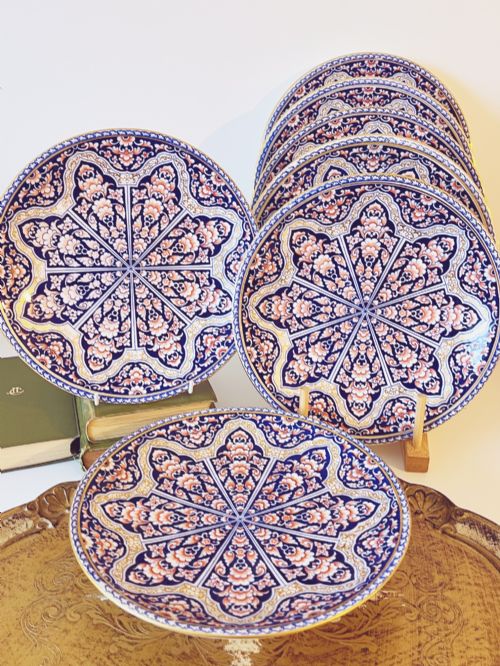
Sets vary in scale from small groupings of four or five up to substantial dinner and dessert services comprising numerous matching pieces. Each configuration serves both display purposes and traditional dining arrangements.
Assessing quality in imari services
The crispness of the underglaze blue painting and the precision of the overglaze enamel work dictate the visual appeal of any service. Superior pieces display finely registered details that align cleanly with the moulded contours.
The preservation of the gold leaf and enamel pigments across a matched set determines its desirability. Even wear across all pieces indicates a uniform history of gentle use and careful storage.
Set of Imari Plates Retail Price Guide 2026
Typical asking prices for set of imari plates among the pieces listed under this phrase on Sellingantiques today, from the lower quarter to the upper quarter. They describe what is for sale here now, not the wider market.
Listings feature porcelain, ironstone, and earthenware bodies decorated with enamel, gold leaf, and glaze across the 18th and 19th centuries.
Royal Crown Derby·Wedgwood·Masons·Minton·Coalport·Davenport
The Set of Imari Plates Glossary
- Imari palette
- A decorative scheme utilising underglaze cobalt blue, iron-red enamel, and gold leaf highlights. This distinctive combination originated in Japan and was later copied by European potteries.
- Ironstone
- A heavy, durable type of earthenware patented in the nineteenth century. It provided a strong body well suited to patterned dinner services.
- Meiji period
- The era of Japanese history spanning from 1868 to 1912, associated with many exported decorative plates. Works from this time often exhibit crisp enamel painting.
- Dessert service
- A collection of matching plates and serving pieces intended for the final course of a formal meal. These sets frequently include specialised comports alongside standard plates.
Set of Imari Plates: Frequently Asked Questions
Can I use antique imari plates for dining?
Most antique sets remain robust enough for careful use, though hand washing is essential to protect the enamel and gold leaf.
Modern dishwashers and harsh detergents will quickly degrade the historic overglaze decoration.
How do I tell English imari from Japanese imari?
English examples typically utilise ironstone, bone china, or earthenware bodies with heavier potting characteristics. Japanese pieces generally employ fine porcelain and often display distinct foot ring marks from the kiln.
Examining the underside and weight of the ceramic usually reveals the origin of manufacture.
What does Japan pattern mean on English plates?
English factories used the term Japan pattern to describe domestic ironstone or porcelain decorated in the imari style. These nineteenth century wares imitated imported Japanese export goods.
Potters adapted traditional oriental motifs to suit European dining tastes.