
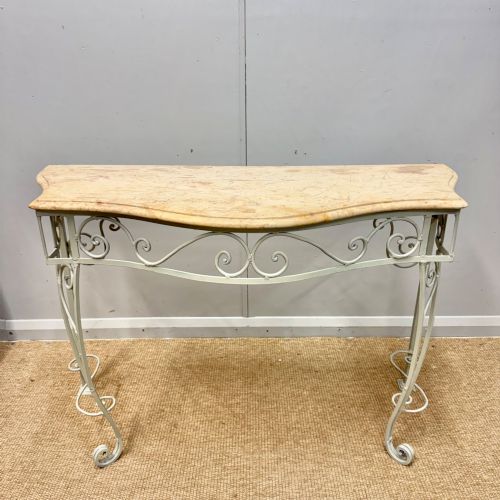
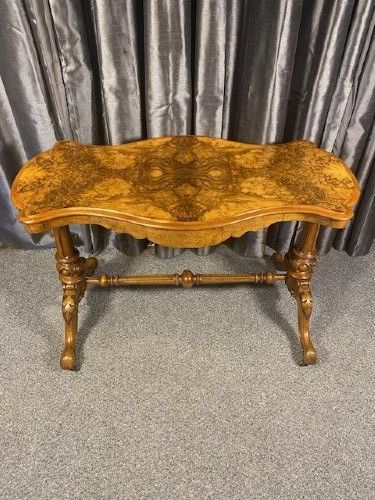
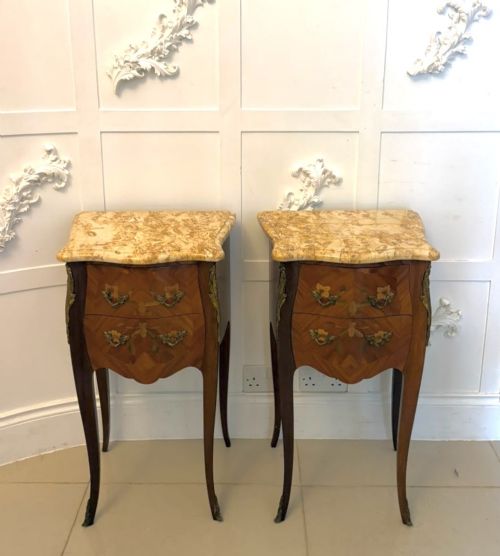
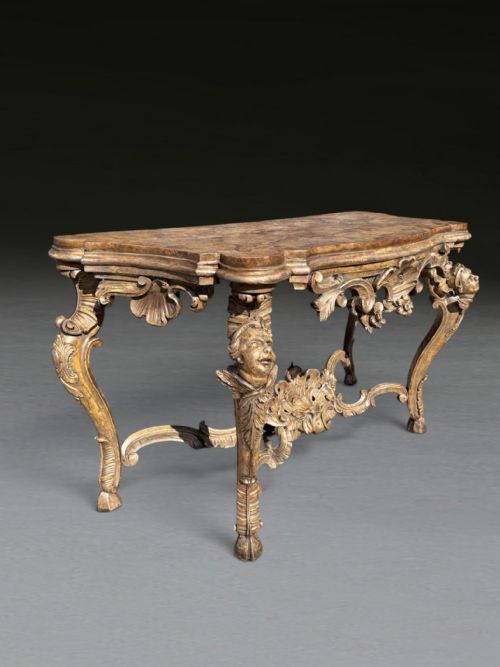

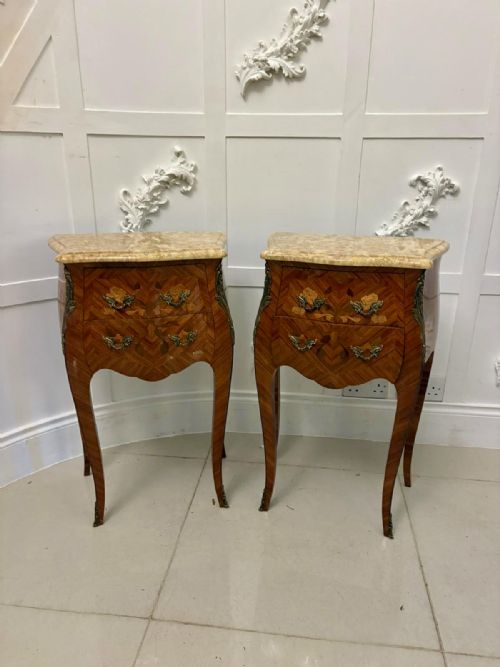
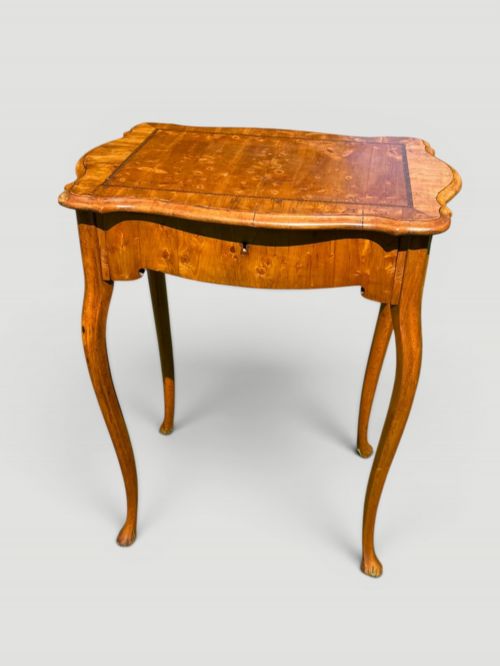

Serpentine Top Side Table
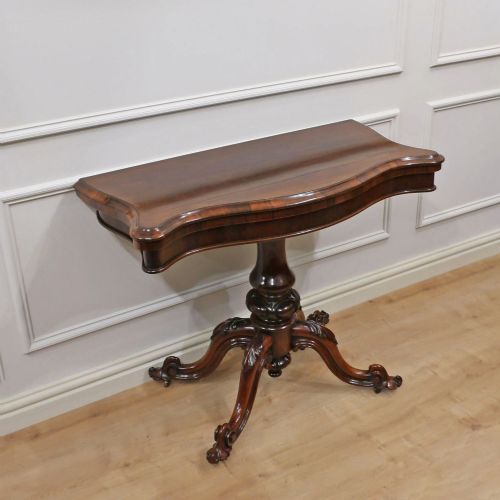
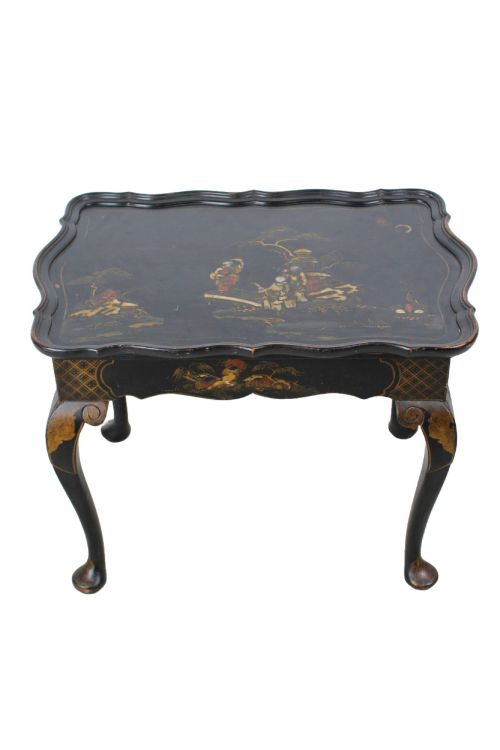
A serpentine top side table brings sweeping, curved elegance to a room with its distinctive undulating front.
Serpentine Top Side Table
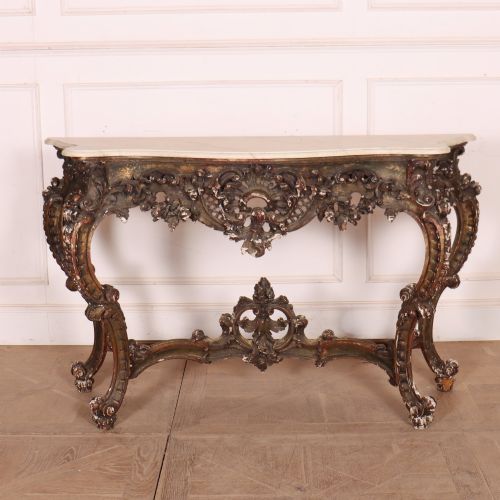
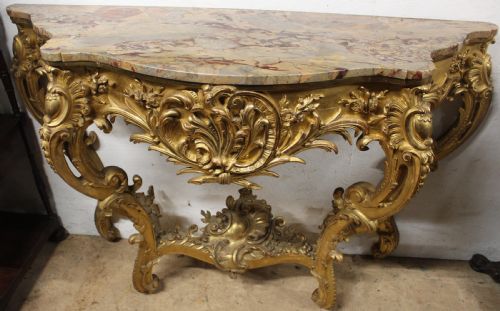
The materials and origins range widely, from mahogany and walnut examples produced in Britain to French Kingwood, giltwood, and marble-topped consoles. Pieces date from the eighteenth century through the nineteenth century and into the early twentieth century, showing influences from Louis XV styles to Chippendale revivals.
Most examples meet on this page as side tables, consoles, or card tables, often displaying figured veneers or heavy marble tops supported by carved frames.
Materials and construction
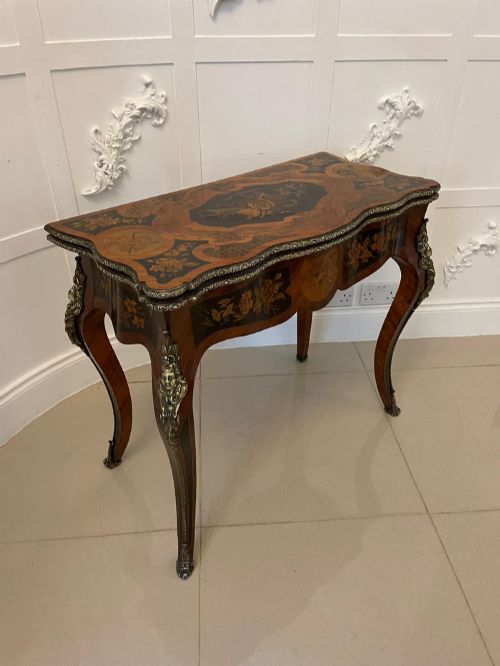
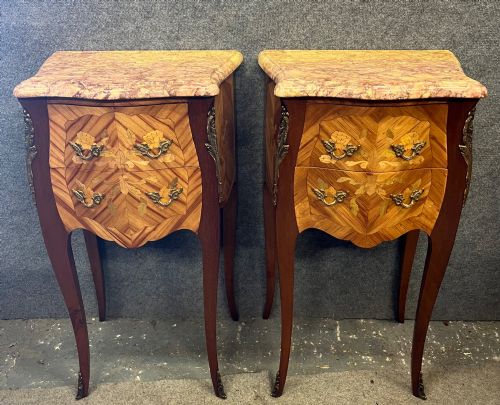
Cabinet makers utilised dense timbers such as mahogany, walnut, and rosewood, frequently applying intricate marquetry and burr veneer patterns to follow the complex curves of the top. Solid woods provided structural integrity for the sweeping frames, while specialised cutting allowed timber grain to flow along the undulating edge.
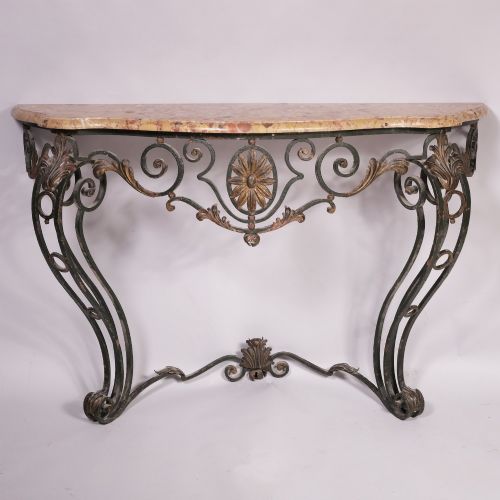
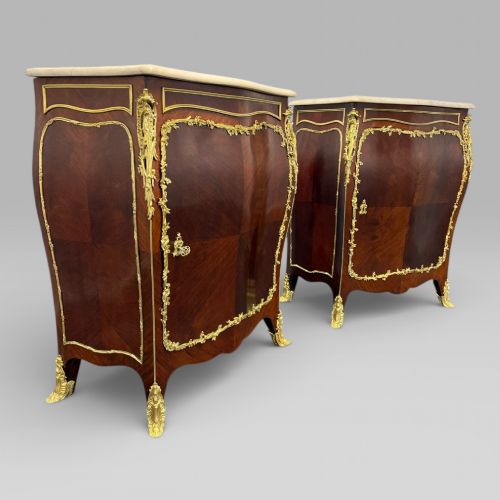
Many continental and console variants incorporate heavy marble slabs cut precisely to fit the serpentine outline, sometimes mounted with cast or gilt bronze or ormolu mounts. Carved giltwood, wrought iron, and polished leather further define the construction across different regional workshops and revival styles.
Listings span the eighteenth, nineteenth, and early twentieth centuries, incorporating mahogany, walnut, marble, and giltwood forms.
Evaluating craftsmanship and detail
Quality rests in the precision of the timber shaping and the integrity of the veneer work as it negotiates tight curves without lifting or splitting. Finer examples display crisp hand-carving on the frames and heavy, well-fitted marble slabs that sit flush against the shaped wooden mouldings.
The depth of figuring in mahogany or burr walnut and the sophistication of marquetry inlay separate standard production from exceptional pieces. Superior proportions and harmonious integration of mounts or galleries indicate skilled workshop origin.
E. Kahn
The Serpentine Top Side Table Glossary
- Serpentine
- A shape featuring a concave centre flanked by two convex ends, creating an undulating line. This contour defines the characteristic profile of the top.
- Marquetry
- Decorative patterns formed by fitting together thin veneers of various woods and materials onto a structured base. It appears frequently on French and revival tables.
- Ormolu
- Gilded bronze mounts applied to furniture for decorative accent. These metal elements embellish the corners and aprons of high-status tables.
- Console
- A table designed to stand against a wall, frequently secured with brackets or resting on front legs. Many examples in this category feature heavy marble tops.
- Gallery
- A raised raised rim or border surrounding the edge of a table top. It serves to keep items secure on the surface.
Serpentine Top Side Table: Frequently Asked Questions
Where do you place a serpentine top side table?
These pieces suit entrance halls, drawing rooms, or living spaces where the curved silhouette can be appreciated without blocking traffic. Console versions stand flush against walls, while freestanding card or tea tables sit centrally or beside seating.
Their decorative profiles add movement to flat architectural spaces, often paired with a mirror or lamp placed upon the marble or timber surface.
How do I care for a marble top table?
Marble surfaces require regular dusting with a soft cloth and immediate wiping of acidic liquids like wine or citrus to prevent staining. Avoid harsh chemical cleaners that can dull the polished finish over time.
Applying a specialist stone wax helps protect the porous surface while maintaining the natural lustre of the material.
What is the difference between a console and a side table?
Console tables traditionally fix to a wall or rely on front legs for support, frequently featuring decorative bases designed to be viewed from the front. Side tables are fully freestanding with four legs and finished details on all sides.
Console variations in this category more commonly feature heavy marble tops, whereas side tables tend to utilise timber or leather surfaces.
How can I tell a Georgian piece from a Victorian revival?
Georgian pieces generally show understated timber construction with restrained carving, focusing on figured mahogany or walnut grain. Victorian and later revival pieces often incorporate heavier proportions, elaborate marquetry, ormolu mounts, or French styling.
Examining the secondary woods and construction methods inside the drawers or beneath the top helps clarify the period of manufacture.