
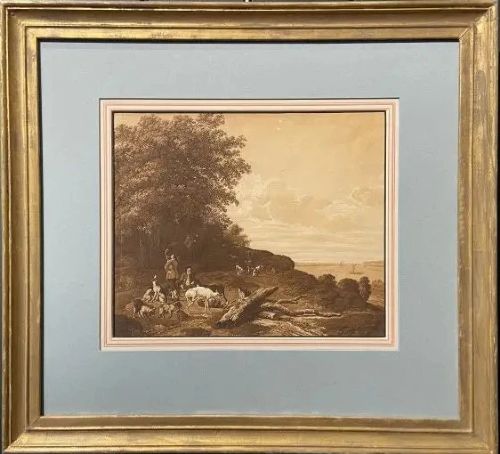
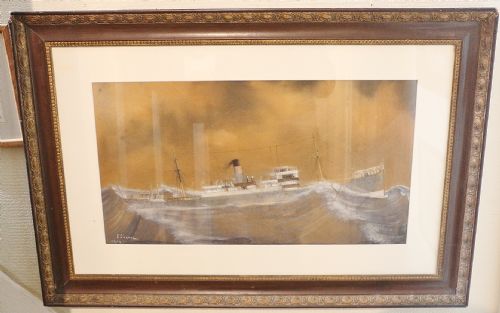
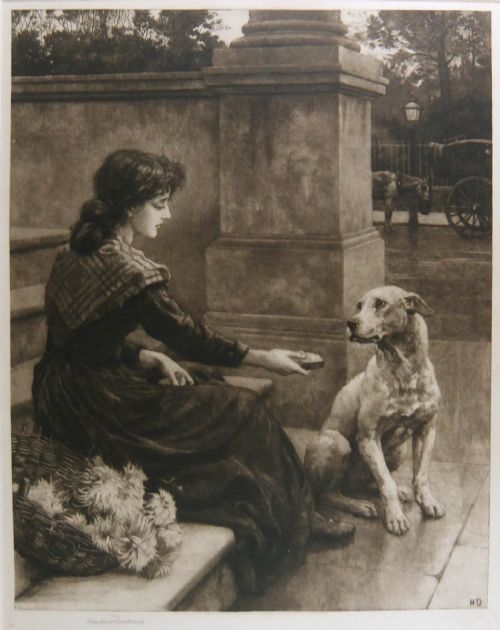
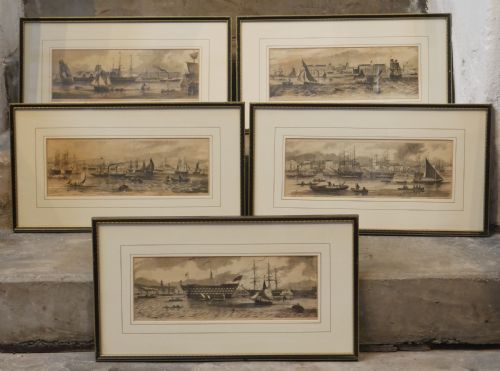


Sepia Print Wall Art
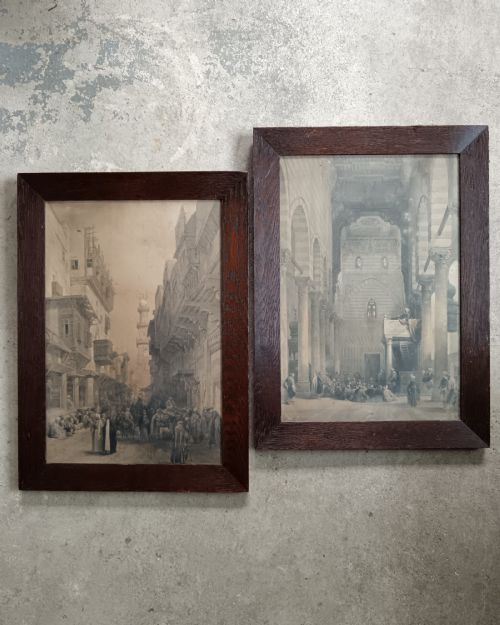
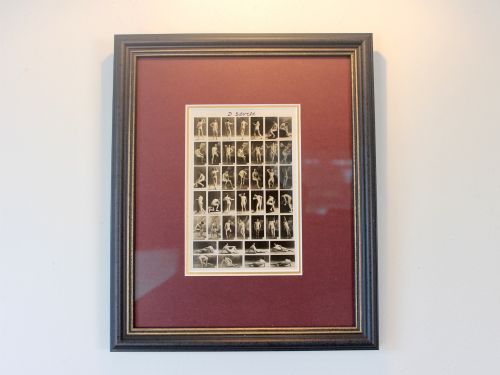
These sepia print wall art pieces bring monochrome depth and historical character to a room.
Sepia Print Wall Art
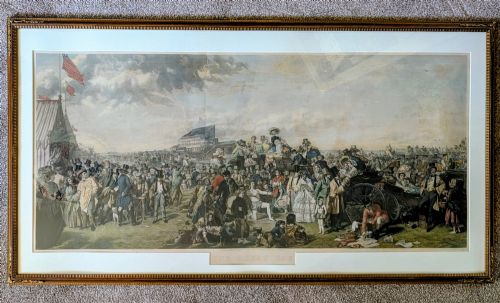
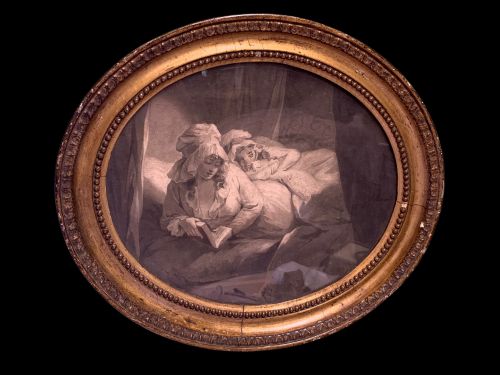
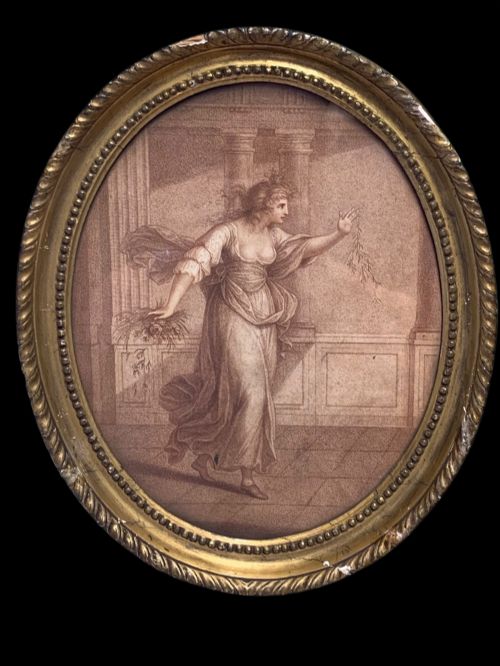
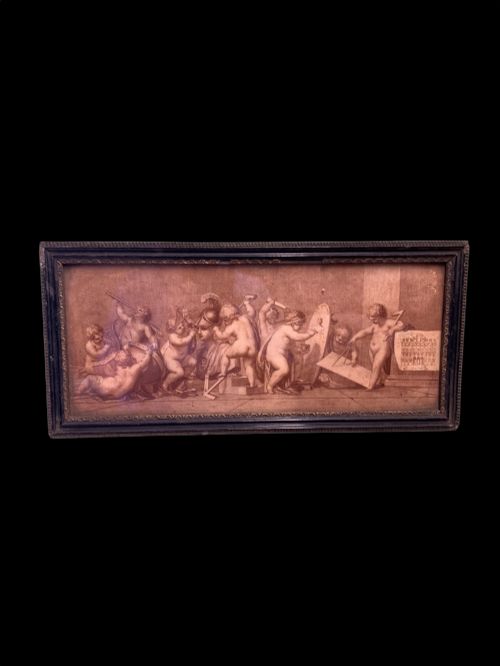
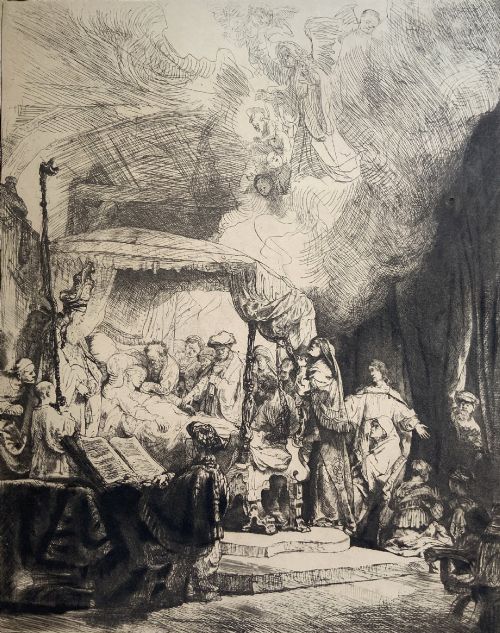
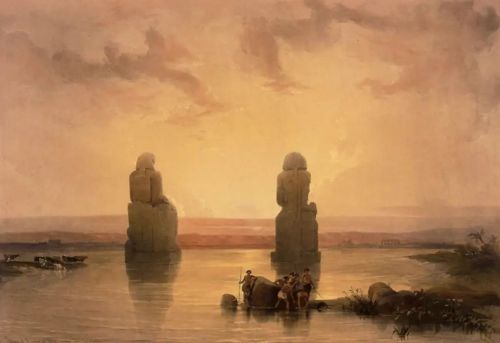
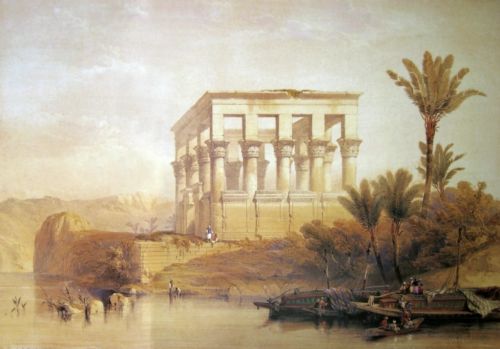
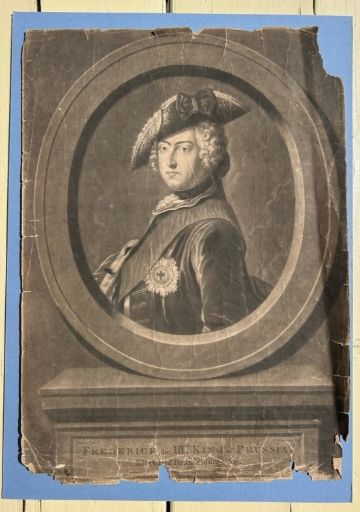
When you search for sepia print wall art, you encounter a range of monochromatic works spanning several centuries, capturing subjects from classical mythology and royal portraits to topographical scenes and maritime views. The selections here heavily favour 18th-century engravings, Victorian prints, and early 20th-century etchings.
You will frequently find framed prints and engravings housed behind glass, often retaining their period frames made of wood, giltwood, or gold leaf. The imagery ranges from architectural drawings and battle scenes to studies of animals and figures.
The aesthetic relies on warm brown and monochrome tones derived from ink, stipple, and photographic processes. These pieces serve as focal points for traditional interiors, offering a distinct connection to past craftsmanship.
How They Were Made
The works rely primarily on paper sheets marked with ink, pencil, or photographic chemicals, executed through techniques such as etching, engraving, lithography, mezzotint, and drypoint.
Frames utilise wood, giltwood, and gold leaf to house and protect the paper, often secured beneath glass to shield the delicate ink and wash from environmental moisture.
One listed 18th-century engraving records a racehorse named Creeping Molly, forever preserved in her sprinting prime.
What Varies in Quality
Quality rests on the crispness of the impression transferred from the original plate or block, alongside the preservation of the paper's original tone without excessive foxing or fading.
The integrity of the accompanying frame matters significantly, with period frames retaining their original gilding or wood finish commanding greater attention than later replacements.
William Powell Frith·Amand-Durand·David Roberts·Richard Houston·Herbert Dicksee·Louis Haghe·Joshua Reynolds·Julian Mandel·Claude Lorrain·John Boydell·Snaffles·Frank Greenwood·Louis Icart
The Sepia Print Wall Art Glossary
- Engraving
- A printmaking method where an artist cuts lines directly into a metal plate with a burin. This technique produces sharp, precise lines that hold their definition across numerous impressions.
- Etching
- A process where acid bites lines into a metal plate covered with an acid-resistant ground. It allows for free-flowing, expressive linework characteristic of many period works.
- Stipple engraving
- A method of creating an image using dots rather than continuous lines. It achieves subtle tonal gradations, particularly useful for flesh tones and soft fabrics.
- Mezzotint
- A tonal printmaking process where the metal plate is roughened uniformly to produce rich dark areas. Scraped highlights create smooth gradations of light and shadow.
- Lithography
- A planographic printing process based on the repulsion of oil and water. Artists draw on limestone or metal plates to produce accurate reproductions of original sketches.
Sepia Print Wall Art: Frequently Asked Questions
How should I hang these framed prints?
Keep these works away from direct sunlight to prevent the paper from fading and the ink from losing its tonal depth.
Ensure your wall fixings match the weight of the wood and glass housing to secure the frame safely.
Can I replace the original glass?
Preserving the original glass is ideal because it maintains the historical authenticity of the piece.
If the glass breaks, consult a specialist framer to source appropriate conservation-grade materials.
How do I identify a stipple engraving?
Look closely at the surface for patterns of fine dots rather than solid lines or cross-hatching.
This technique creates soft shadows often found on 18th-century portraits and classical subjects.
What is the difference between an etching and an engraving?
An engraving uses direct physical force with a tool to carve lines into metal.
An etching relies on acid to bite the lines into the plate, resulting in softer, more varied strokes.