


Sepia Portrait Drawing
A sepia portrait drawing offers a direct encounter with historical presence through monochrome tones, capturing character with enduring warmth and subtlety.
Sepia Portrait Drawing
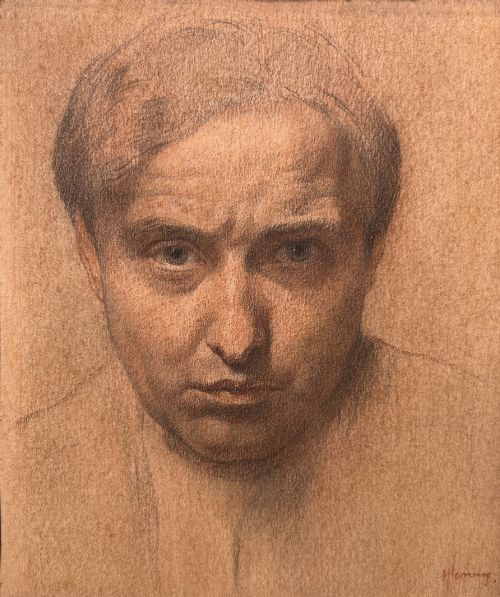
A sepia portrait drawing is a work on paper utilising monochrome ink, chalk, charcoal, or pencil to render human subjects across multiple centuries. Buyers encounter examples spanning from the seventeenth century through the Victorian era and into the early twentieth century.
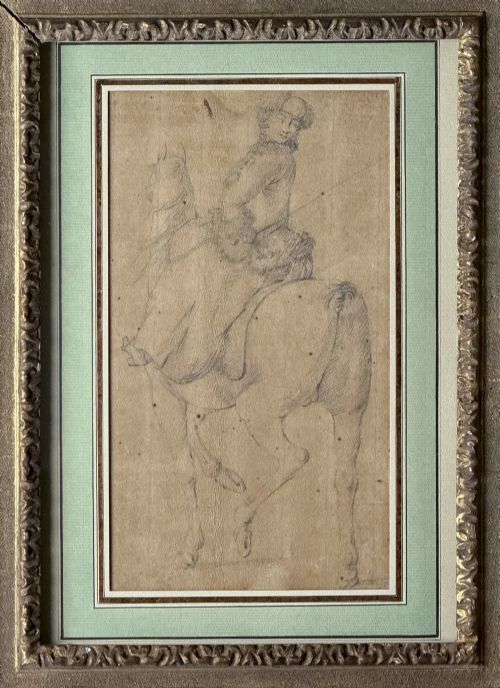
The selection ranges from early equestrian and old master studies to mid-nineteenth century portraits of gentlemen, ladies, and children. Framed artwork forms the primary format, preserving these delicate works behind glass within wood frames.
Origin points stretch from Northern European schools to British and French studios. Works frequently capture notable historical figures, writers, or sitters from specific past eras.
Materials and construction
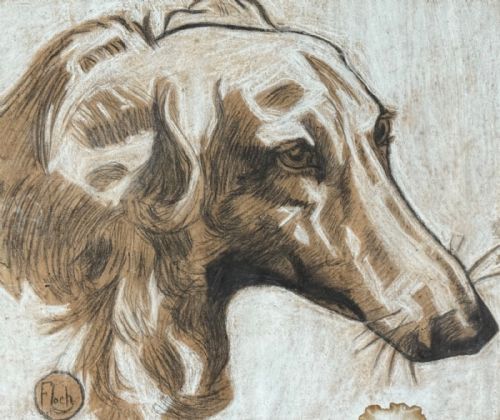
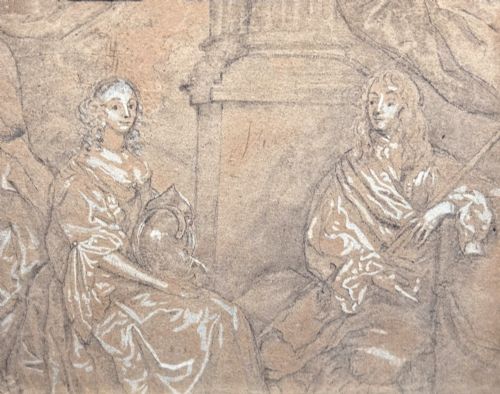
Artists executed these works on paper using ink, chalk, charcoal, pencil, and graphite, often heightening the monochrome tones with watercolour or gouache. Buff paper and standard drawing sheets serve as the primary grounds for the media.
Framing typically involves wood and gilt gesso surrounds with protective glass, securing the fragile works on paper against environmental damage. The combination of pencil underdrawing with ink wash or charcoal creates depth and tonal variation.
Support materials include wood and gilt gesso frames enclosing original works on paper, accompanied by historical subjects ranging from writers to nobility.
Assessing quality and execution
Quality rests upon the sureness of the draughtsmanship and the expressive capability demonstrated in the handling of pencil, chalk, or ink. Masterful control over tone and shadow defines works by accomplished hands compared to simpler studio outputs.
Condition of the paper and the preservation of the delicate monochrome pigments heavily influence the integrity of each piece. Original period frames of wood or gilt gesso also contribute to the completeness and character of the surviving artwork.
Peter Lely·Van Dyck·Herbert Johnson Harvey·Dame Laura Knight·Theobald Chartran·Henri Josephe Hesse·George Richmond
The Sepia Portrait Drawing Glossary
- Monochrome
- Execution in a single colour or shades of a single colour, typically sepia, brown, or black ink. This approach focuses attention entirely on line, tone, and form rather than polychromatic hues.
- Gouache
- An opaque method of watercolour paint utilised to add highlights and solid areas of tone to drawings. It provides denser coverage than transparent watercolour washes.
- Gesso
- A plaster mixture applied to wood frames and moulded into decorative reliefs before gilding or finishing. It forms the hard base for ornamental antique frame details.
- Buff paper
- A warm, pale brownish-yellow paper stock commonly used by artists to provide a mid-tone ground. Highlights applied in white chalk or gouache stand out effectively against this surface.
Sepia Portrait Drawing: Frequently Asked Questions
How should I hang a sepia portrait drawing?
Keep these works on paper away from direct sunlight to prevent the fading of ink, pencil, and paper. Maintaining stable indoor humidity protects both the delicate drawing media and the wooden frame.
Position the artwork at eye level in a room with controlled light levels. Professional framing with UV-filtering glass ensures long-term preservation.
How do I identify the period of a drawing?
Examine the costume, hairstyle, and framing style of the portrait for clues to the era. Clothing details and paper characteristics often align closely with documented historical fashions.
Signatures, inscriptions on the reverse, and artist attribution provide further dating evidence. Stylistic markers connect pieces to specific movements like the Victorian or Art Deco periods.
What is the difference between an ink and a pencil drawing?
Ink drawings utilise fluid media applied with a pen or brush, resulting in permanent, high-contrast lines and washes. Pencil and graphite offer softer tonal gradations and finer linear detail.
Many period works combine both media, using pencil for initial structure and ink for tonal depth. This dual approach creates the characteristic layered richness seen in antique sketches.
Are these drawings original works or prints?
The listings consist of original artwork created by hand using charcoal, chalk, ink, or pencil. Each piece represents a unique execution rather than a mass-produced reproduction.
Close inspection under magnification reveals the physical stroke of the pencil and texture of the ink on paper. Artists signed many of these historical sheets upon completion.