



French Neoclassical Drawing
These french neoclassical drawing works capture the disciplined line and classical balance of earlier centuries on paper and framed prints.
French Neoclassical Drawing
When you search for french neoclassical drawing, you encounter works on paper executed in graphite, ink, charcoal, and chalk alongside framed prints and architectural engravings.
The selections span the eighteenth century, the Georgian era, the nineteenth century, and the Bourbon Restoration period, alongside twentieth-century architectural prints and furniture items sharing the same aesthetic vocabulary.
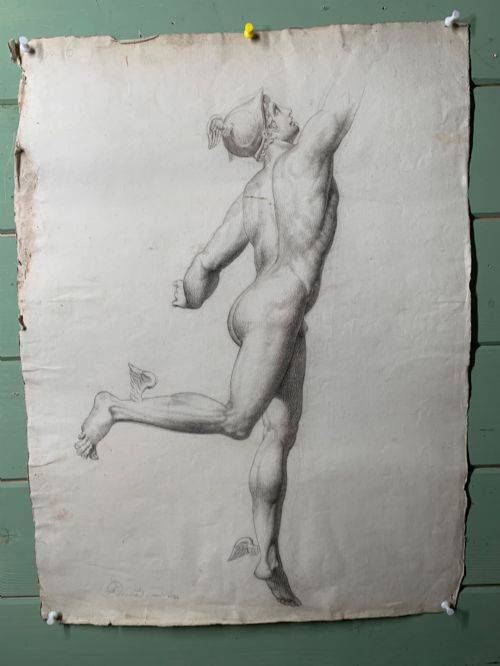
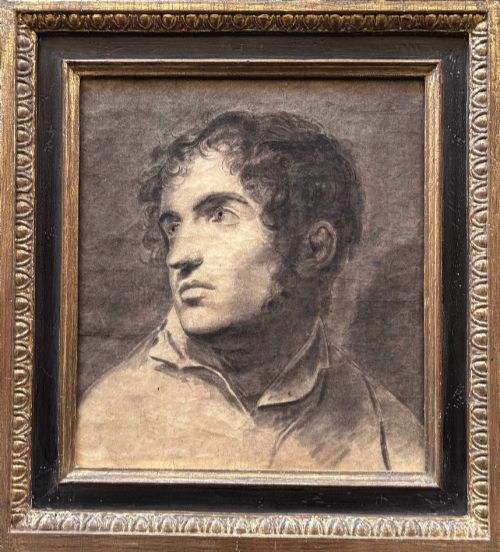
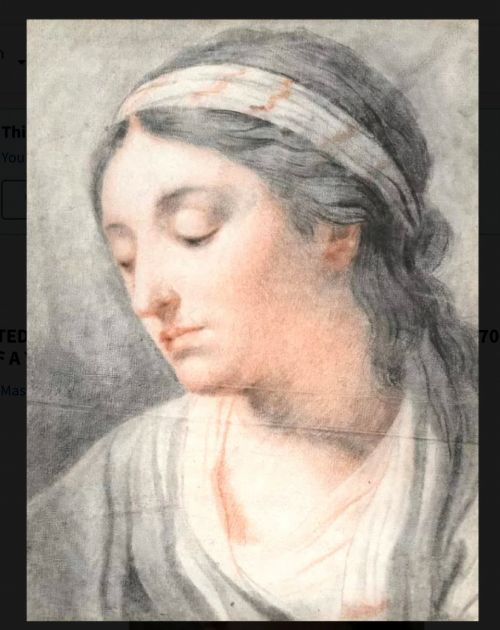
Portraits of young men, young girls, and gentlemen appear alongside academic studies of deities such as Hermes and historical renderings after artists like François-André Vincent and Pierre-Paul Prud'hon.
Materials and execution
The works utilise paper as the primary support, marked by artists using graphite, ink, charcoal, and chalk to achieve tonal depth and precise contour.
Frames incorporate walnut, giltwood, and ebonised wood, matching the materiality seen in related drawing room cabinets, sideboards, and parquetry draw-leaf tables.
French Neoclassical Drawing Retail Price Guide 2026
Typical asking prices for french neoclassical drawing among the pieces listed under this phrase on Sellingantiques today, from the lower quarter to the upper quarter. They describe what is for sale here now, not the wider market.
Current listings feature paper, ink, charcoal, graphite, and chalk across eighteenth-century and nineteenth-century periods.
Judgements of quality
Quality rests upon the sureness of the hand in graphite and ink, distinguishing academic exercises from hurried copies.
The clarity of architectural engravings and the preservation of paper surfaces determine the visual strength of each piece.
Henri Josephe Hesse·François-André Vincent·Marie Leczinska·Pierre-Paul Prud'hon
The French Neoclassical Drawing Glossary
- Graphite
- A form of carbon used as a drawing medium. It provides fine grey lines and tonal shading on paper.
- Chalk
- A soft mineral material used for sketching and drawing. It creates velvety marks well suited to figure studies.
- Engraving
- A printmaking technique where an image is incised into a metal plate. This allows for precise architectural lines.
- Bourbon Restoration
- A historical period spanning the early nineteenth century in France. It influences the portraiture and decorative arts of the era.
French Neoclassical Drawing: Frequently Asked Questions
What periods do these drawings come from?
The works originate primarily from the eighteenth and nineteenth centuries, including the Georgian era and the Bourbon Restoration.
Some later twentieth-century architectural prints also appear within the selection alongside period furnishings.
What mediums were used by the artists?
Artists employed paper supports marked with graphite, ink, charcoal, and chalk to build form and shadow.
Framing materials commonly include walnut, giltwood, and ebonised wood.
How do portraits differ from architectural prints?
Portraits focus on individual sitters, such as gentlemen, young girls, or historical figures, often rendered in ink and graphite.
Architectural prints and engravings depict structural monuments like the Arc de Triomphe with precise linear detail.
Are furniture pieces included with the drawings?
Certain listings feature larger items like walnut parquetry tables and drawing room cabinets associated with the neoclassical style.
These share the aesthetic period of the framed works on paper.