


Sepia Paper Engraving
These sepia paper engraving pieces capture centuries of printed artistry, offering buyers rich tonal depth and historic character for display.
Sepia Paper Engraving
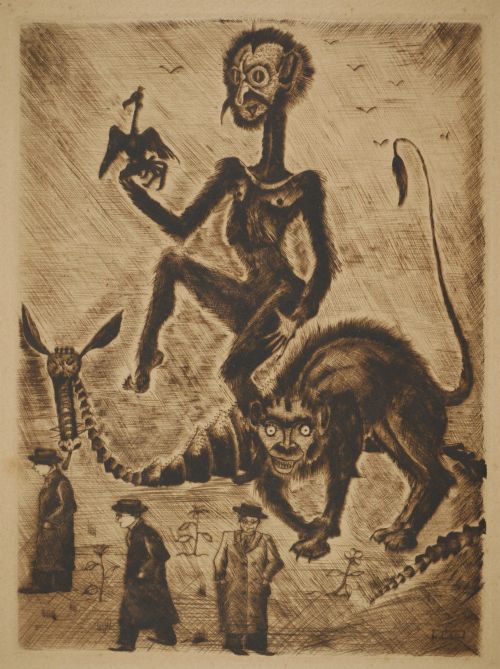
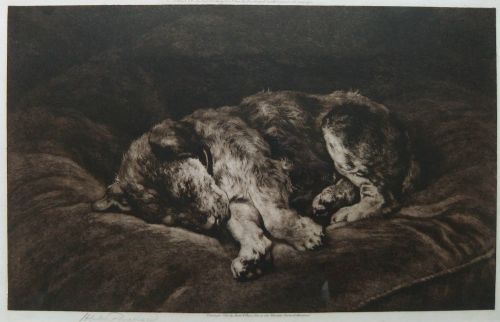
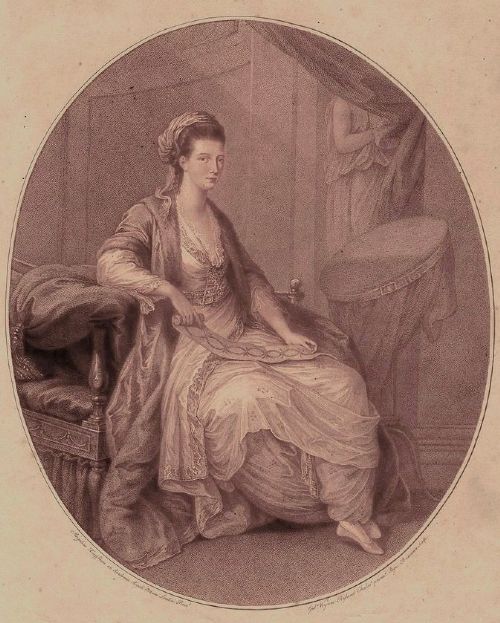
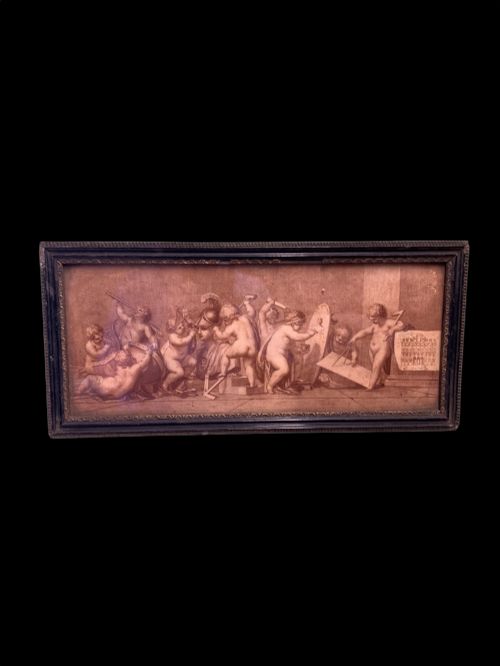
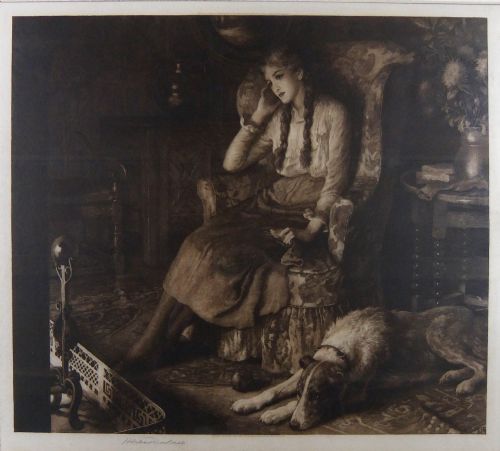
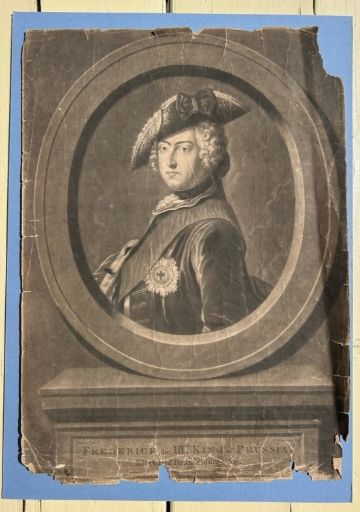
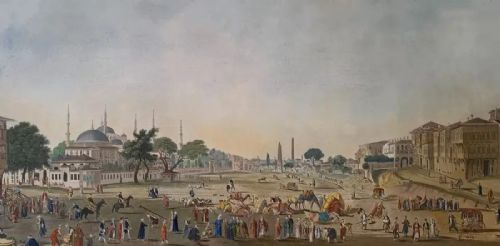
When you search for a sepia paper engraving, you encounter works produced across several centuries, spanning the eighteenth, nineteenth, and early twentieth periods. These pieces include portraits, animal studies, architectural views, and classical scenes rendered in brown monochrome tones.
The selections on this page draw from Georgian and Edwardian eras, incorporating styles such as Neoclassical, Victorian, Surrealism, and Orientalism. You will find framed artwork alongside unmounted prints, etchings, and mezzotints.
Subjects range from eighteenth-century nobility and naval officers to racehorses, bulldogs, and architectural bridges like Blackfriars. The common thread is the paper substrate combined with brown ink or wash techniques.
How they were made
Makers utilised paper as the primary support, applying ink through intaglio printing methods such as engraving and etching. Plates made of metal received incisions that held the ink transferred under pressure.
Certain works incorporate watercolour alongside ink to enrich the sepia palette. Wood and glass typically appear in the framing materials associated with these antique works.
Listings feature works spanning the eighteenth, nineteenth, and early twentieth centuries, utilising paper, ink, watercolour, and wood.
What varies in quality
The distinction between tiers rests upon the clarity of the plate impression and the subtlety of the sepia tonal range. Early impressions from eighteenth-century plates deliver sharper lines than worn later strikes.
Paper condition and the preservation of the ink dictate the visual strength of the piece. Strong contrast without fading elevates the presence of the artwork.
Kurt Lorein Victor Peiser·Herbert Dicksee·Antoine Pesne·Anton Ignaz Melling·James Dobie·Edgar J. Maybery·Andrea Mantegna·Frank Greenwood
The Sepia Paper Engraving Glossary
- Engraving
- A printmaking technique where an artist cuts lines directly into a metal plate with a burin. This produces precise, clean lines that hold ink for transfer.
- Etching
- A process where acid bites lines into a metal plate through a protective ground. This allows for freer, more painterly strokes than direct engraving.
- Mezzotint
- A tonal printmaking method that works from dark to light by roughening the metal plate. It creates rich, velvety gradations well suited to portraits.
- Drypoint
- An intaglio method where the artist scratches directly into the metal without acid. This raises a burr that prints with a soft, velvety line.
- Lithograph
- A planographic printing process based on the repulsion of oil and water. It uses a flat stone or metal plate rather than carved incisions.
Sepia Paper Engraving: Frequently Asked Questions
How do I date an old engraving?
Dating relies on paper characteristics, plate style, and recorded publishing details often printed in the margins. Costumes and typography also provide reliable chronological markers.
Examining the watermark within the paper sheet frequently narrows the production window to a specific decade or mill.
Are these works original antique prints?
The selections encompass original period impressions pulled from the plate during the era of creation. Each print reflects the technology and artistic standards of its specific century.
Modern reproductions do not share the plate wear, paper degradation, or ink characteristics found in these historical examples.
How should I frame paper engravings?
Conservation framing protects antique paper from light damage, humidity, and acid transfer. Use UV-filtering glass and acid-free mats that keep the paper from touching the glazing.
Keep framed works away from direct sunlight and damp environments to preserve the integrity of the ink and paper.
What is the difference between an etching and an engraving?
An engraving uses physical force with a tool to carve lines into metal. An etching relies on chemical acid to bite the design into the plate.
Etched lines typically exhibit slightly softer edges compared to the crisp precision of direct hand engraving.