



Scumbled Pine Cupboard
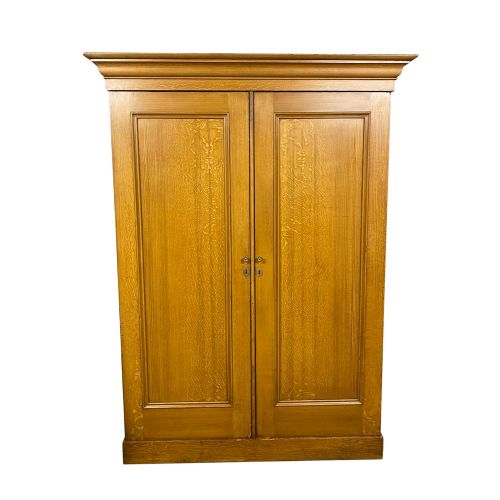
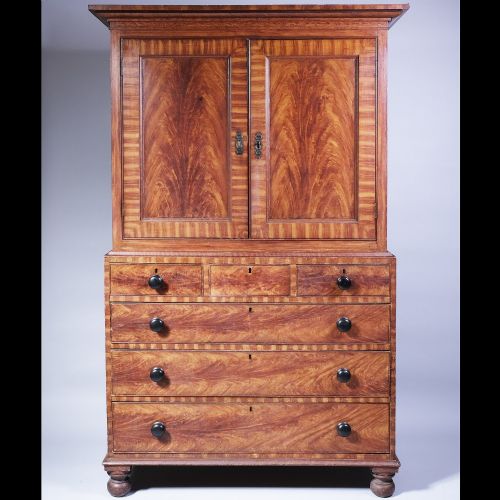
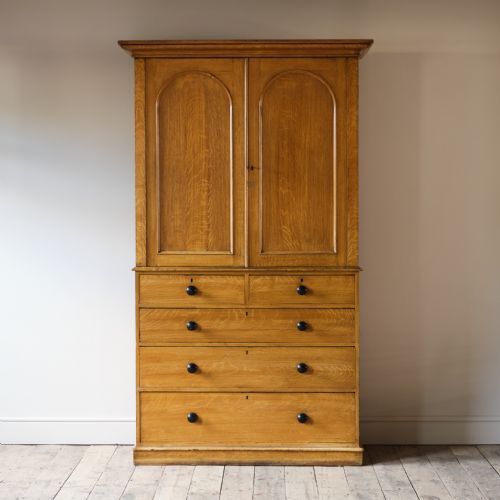
These scumbled pine cupboard pieces bring honest country character into a room through inventive grain-painted surfaces.
Scumbled Pine Cupboard
A scumbled pine cupboard is a practical piece of storage furniture constructed from softwood and finished with a decorative translucent glaze designed to imitate costly timber. Buyers searching for a scumbled pine cupboard encounter large housekeeper cupboards, kitchen dressers, corner cabinets, and compactum wardrobes dating across the nineteenth century.
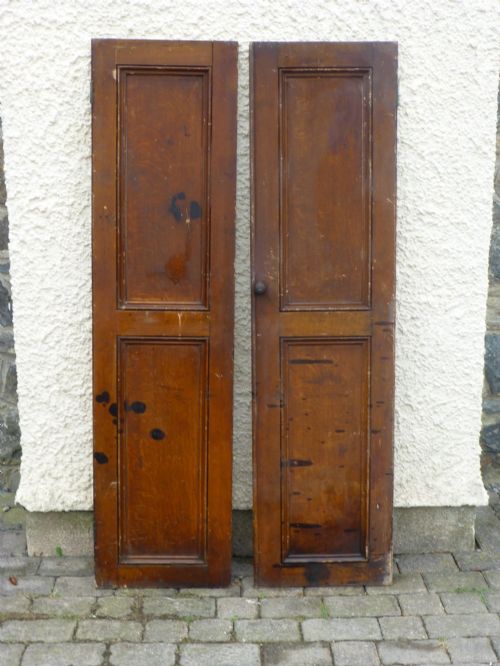
The nineteenth century examples on this page span Victorian country styles, rustic farmhouse forms, and late Georgian corner pieces. Most items display regional British origins, including Scottish and West Country workshops, alongside architectural salvage elements such as pantry doors.
Domestic forms dominate the selection, ranging from linen presses and wardrobe designs to kitchen dresser bases. These items served functional roles in period homes while offering decorative presence through their painted finishes.
How they were made
Constructed primarily from sturdy pine, these pieces utilise solid timber planks assembled with traditional joinery suited to utilitarian furniture. Carpenters built carcasses and doors designed to withstand heavy daily use in kitchens, sculleries, and linen rooms.
The defining decorative technique involves scumble paint, a translucent tinted glaze applied over a lighter base coat and manipulated with combs, feathers, or rags to simulate the grain of oak. This faux finish allowed households to achieve the appearance of expensive hardwood using accessible local pine.
Scumbled Pine Cupboard Retail Price Guide 2026
Typical asking prices for scumbled pine cupboard among the pieces listed under this phrase on Sellingantiques today, from the lower quarter to the upper quarter. They describe what is for sale here now, not the wider market.
Some nineteenth-century decorators used folded rags and combs to drag wet glaze, leaving behind spirited faux oak grain that fooled visitors.
What varies in quality
Quality in these painted pieces rests primarily on the integrity and artistry of the original surface decoration. Faux oak graining executed with deliberate brushwork and varied movement elevates a piece above simpler, flat monochrome applications.
The survival of untouched early paint finishes defines the upper tier of examples. Pieces retaining their original brass hardware and unblemished structural pine demonstrate superior historical preservation.
The Scumbled Pine Cupboard Glossary
- Scumble
- A translucent glaze or darker paint layer applied over a pale base coat and manipulated while wet to create decorative patterns or simulated wood grain. This technique transformed plain softwood into rich faux timber.
- Compactum
- A large multi-compartment wardrobe designed to maximise storage by combining hanging space with drawers and linen shelves. These units often feature substantial proportions and fitted interiors.
- Housekeeper cupboard
- A tall, multi-door storage piece traditionally used by domestic housekeepers to store linens, dry goods, and household supplies. They typically offer deep shelving enclosed by sturdy panelled doors.
- Linen press
- A tall piece of furniture featuring upper sliding trays or shelves enclosed by doors, positioned above a chest of base drawers. They were essential for keeping household textiles flat and organised.
- Simulated oak
- A painted decorative finish that mimics the characteristic medullary rays and growth rings of genuine oak timber. Craftsmen utilised specialised tools to drag and texture the wet glaze.
Scumbled Pine Cupboard: Frequently Asked Questions
What is a scumbled pine cupboard?
A scumbled pine cupboard is a nineteenth-century storage piece made from softwood and finished with a decorative glaze designed to imitate oak.
These pieces range from kitchen dressers and corner cabinets to large housekeeper cupboards and wardrobes.
How do you clean scumbled paint?
Cleaning original scumbled surfaces requires gentle dusting with a soft dry cloth to protect the fragile glaze layer.
Moisture and chemical cleaners should be avoided because nineteenth-century oil-based glazes can soften or lift when exposed to harsh liquids.
Where were these cupboards used?
These cupboards served utilitarian storage roles in kitchens, pantries, sculleries, and bedrooms across British country houses and farmhouses.
Housekeepers relied on them to organise linens, provisions, and tableware away from dust and pests.
How can you identify original paint?
Original painted finishes show natural wear patterns, mellowed patination, and consistent ageing across the entire surface of the timber.
Close inspection under natural light reveals the layered depth of the translucent scumble glaze applied over the pine base.