




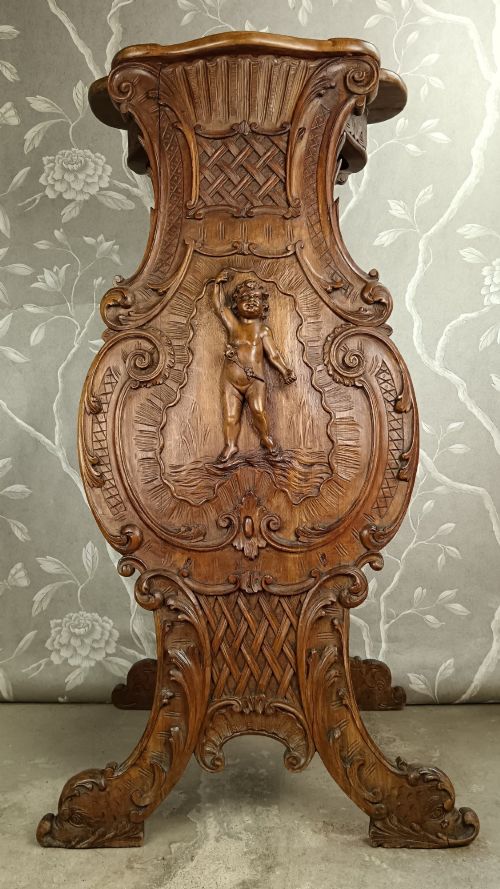
Sculpture Display Column
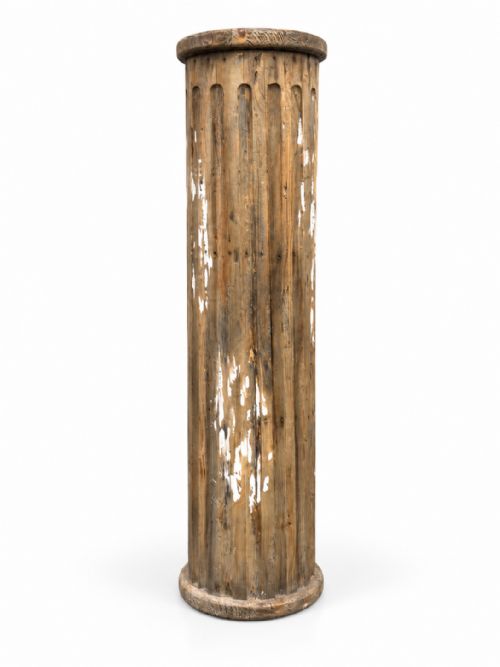
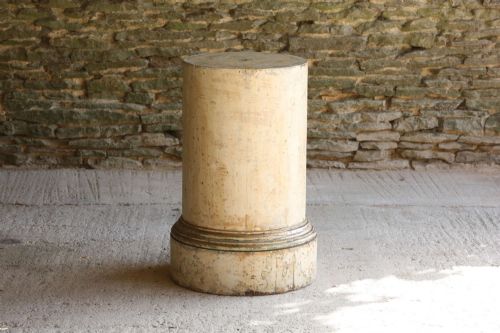
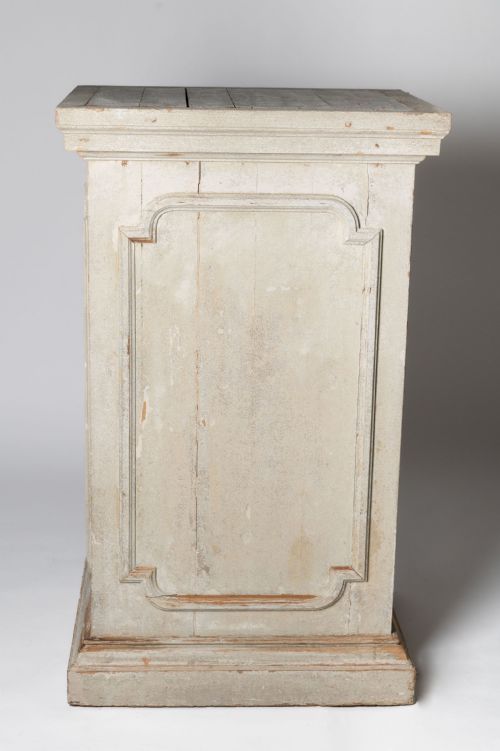
A sculpture display column lifts a bust or figure into the room, and these pieces bring architectural weight to any corner.
Sculpture Display Column
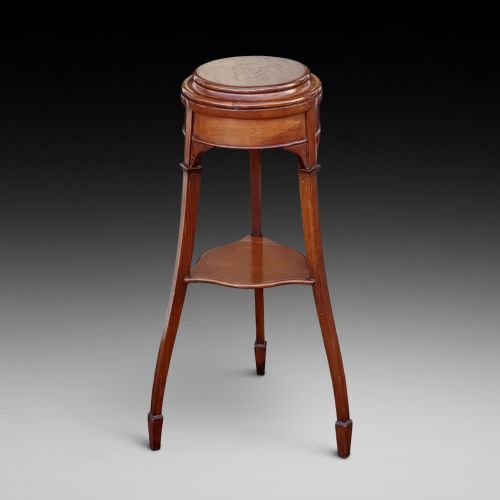
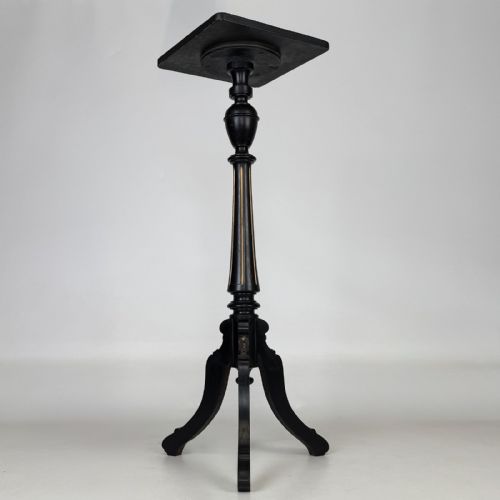
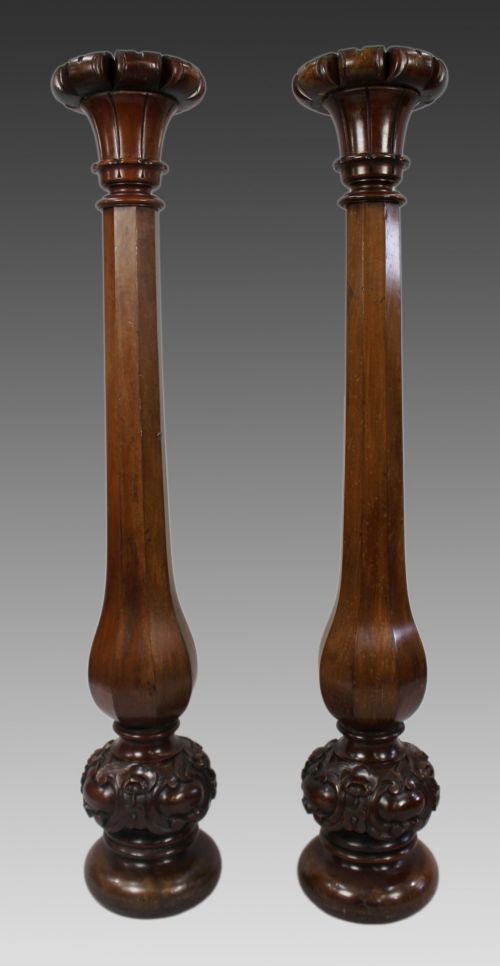
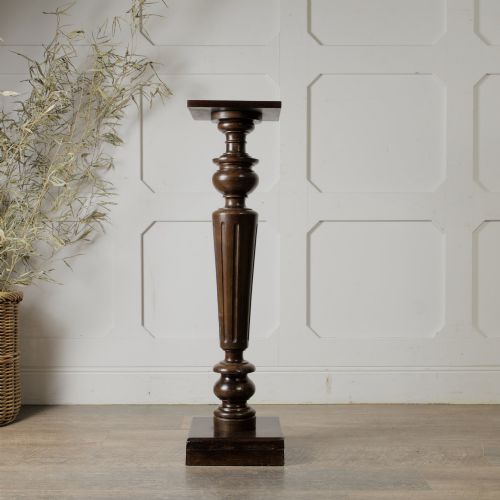
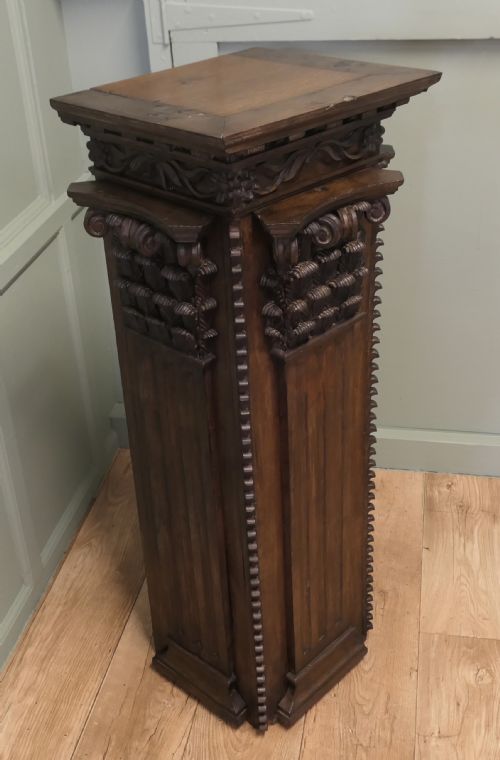
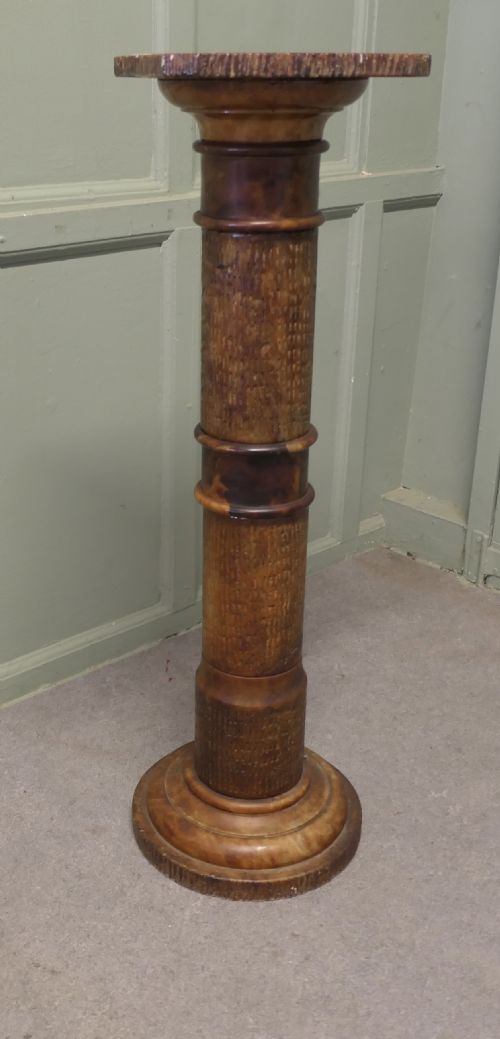
A sculpture display column serves to elevate art, taking the form of pedestals, plinths, torcheres, and plant stands designed to support busts, vases, and figures. Buyers searching this phrase meet items originating primarily from the nineteenth century and the early twentieth century, spanning Victorian, Edwardian, and Art Deco periods.
The architectural lineage draws heavily on classical vocabulary, manifested in Neoclassical, Italian Renaissance Revival, and French designs. Workshops across England, France, Italy, and Sweden produced these supports in configurations ranging from simple cylindrical columns to triform bases and tripod plant stands.
Materials and Construction
Cabinetmakers and stone masons utilised a distinct palette of dense timbers and mineral specimens. Hardwoods such as mahogany, walnut, oak, satinwood, amboyna, and ebonised wood appear alongside painted finishes, faux marble, and carved plaster.
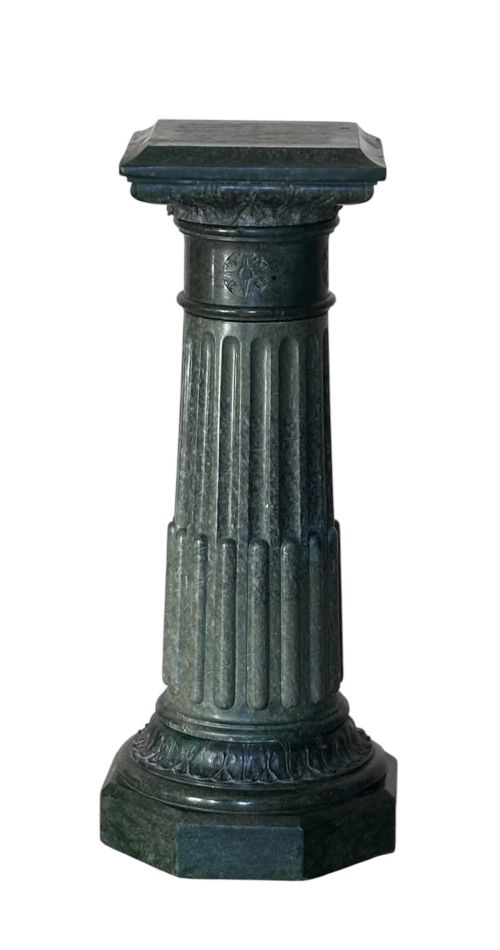
Stonemasons worked extensive varieties of marble, including Bardiglio, Carrara, Verde Antico, and Rouge marble, often pairing stone tops with wooden columns or turning solid blocks. Turning, hand carving, and joinery unite these mixed materials into stable vertical shafts.
Sculpture Display Column Retail Price Guide 2026
Typical asking prices for sculpture display column among the pieces listed under this phrase on Sellingantiques today, from the lower quarter to the upper quarter. They describe what is for sale here now, not the wider market.
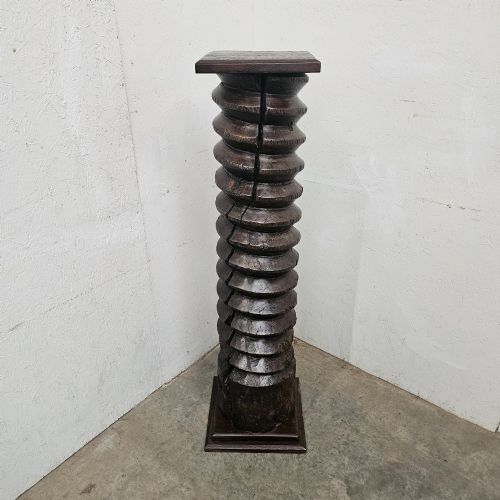
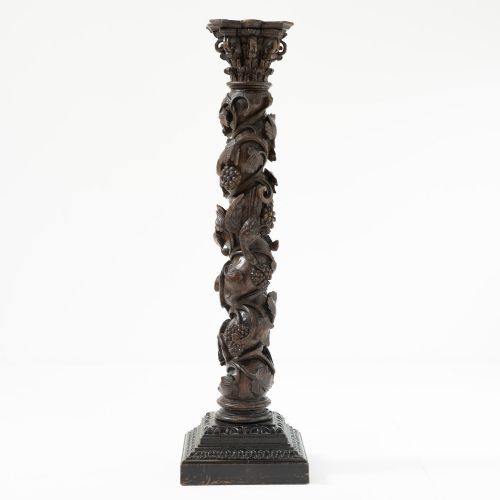
One listed item began life as a heavy wooden wine press screw thread before finding a new vocation as a sculptural pedestal.
The Standard of Execution
Quality rests upon the ambition of the carving and the selection of materials. Finely figured walnut, amboyna, or solid variegated marble distinguish exceptional examples from simpler painted pine or grain-painted substitutes.
Proportion and structural rigour separate standard workshop output from exhibition quality pieces. Crisp acanthus carving, solid timber turning, and well-matched marble sections dictate the upper tier of these supports.
Gillow & Co.
The Sculpture Display Column Glossary
- Plinth
- A heavy base supporting a statue or column. It provides stability and visual grounding for the elevated object.
- Torchiere
- A tall stand or candlestick holder adapted for display. These pieces often feature slender shafts intended for prominent placement in a room.
- Solomonic
- A helical or spiral column shaft twisting upwards. This form adds dynamic movement to classical architectural supports.
- Triform
- A base possessing three sides or feet. This geometric arrangement ensures balance on uneven floors.
- Verde Antico
- A dark green serpentine marble with white veining. It was frequently utilised in classical revival columns for dramatic contrast.
Sculpture Display Column: Frequently Asked Questions
What fits on a sculpture display column?
These supports accommodate marble busts, bronze figures, ceramic vases, and potted plants. Their tops range from small circular platforms to wide square surfaces.
Selecting a stand requires matching the weight and footprint of the art to the surface area of the column.
How do I date a wooden column?
Dating relies on timber selection, tool marks, and stylistic revival periods. Victorian pieces often use heavy mahogany or amboyna, while Edwardian and later pieces shift towards lighter satinwood or birch.
Examination of the underside and joints reveals construction methods specific to nineteenth and early twentieth-century workshops.
Are marble columns heavy?
Solid stone columns possess substantial weight and require careful placement in a room. Many examples combine wooden internal cores with marble tops or veneers to manage mass.
Checking the construction helps determine whether a column is solid stone or a painted wooden imitation.
Where should I place a column?
Columns work well in corners, framing doorways, or as freestanding room focal points. Their vertical presence draws the eye upward and defines empty wall space.
Ensuring adequate floor clearance prevents accidental knocks to the sculpture displayed atop.