






Edwardian Tripod Plant Stand
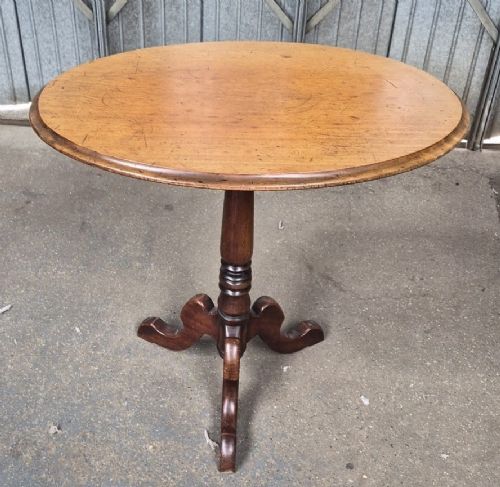
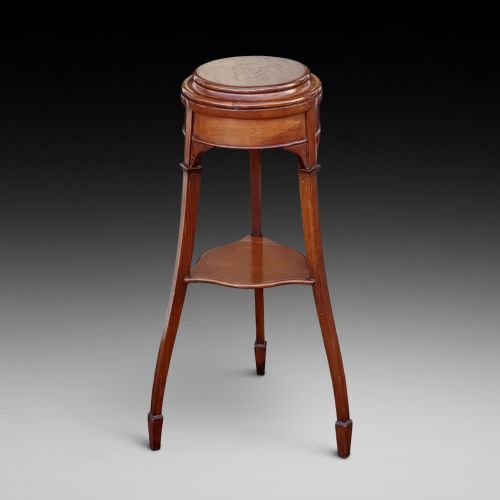
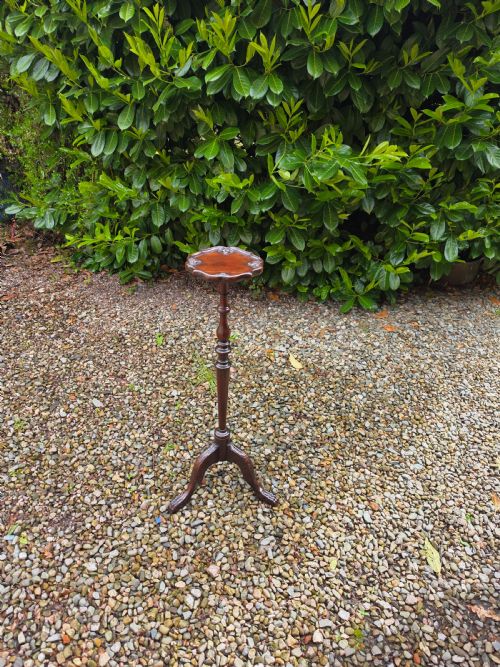
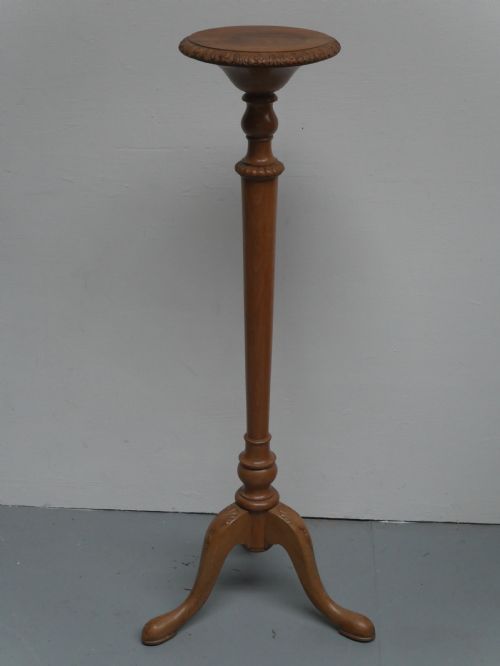
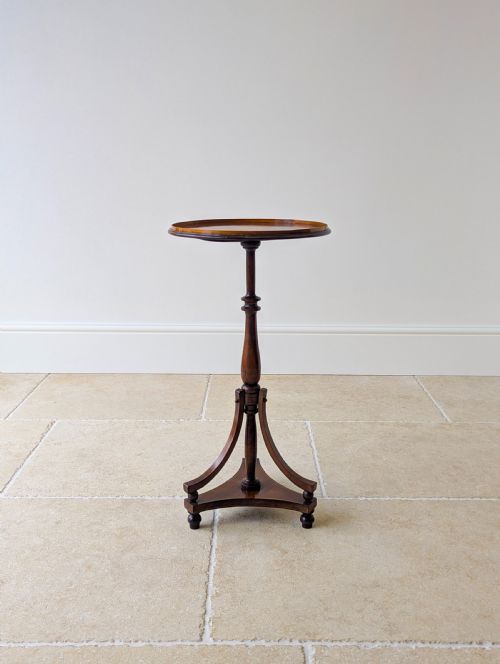
An Edwardian tripod plant stand elevates a botanical display while anchoring a corner with slender timber legs.
Edwardian Tripod Plant Stand
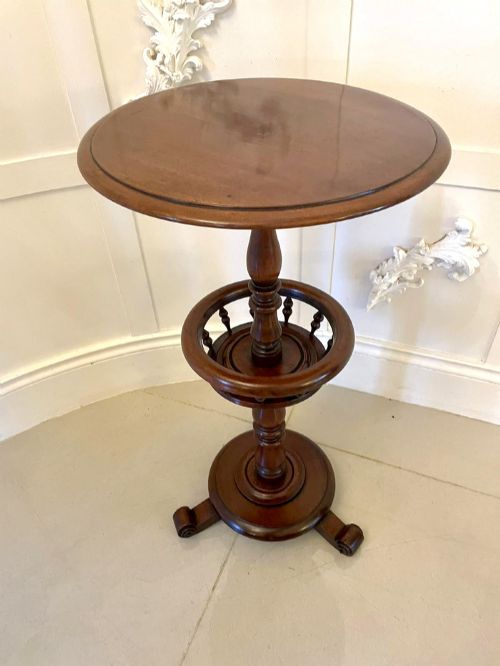
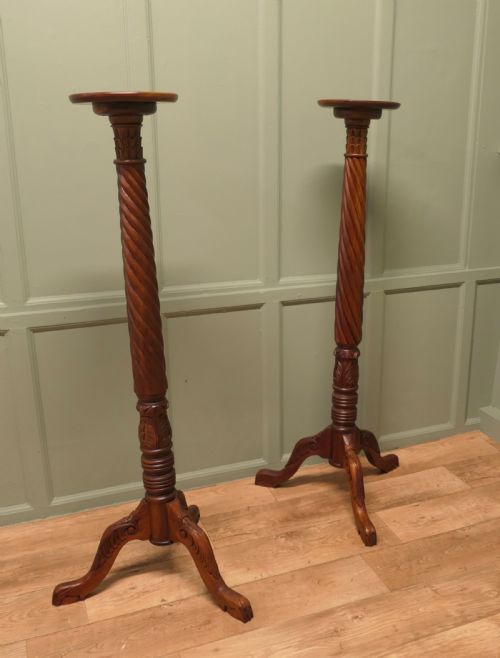
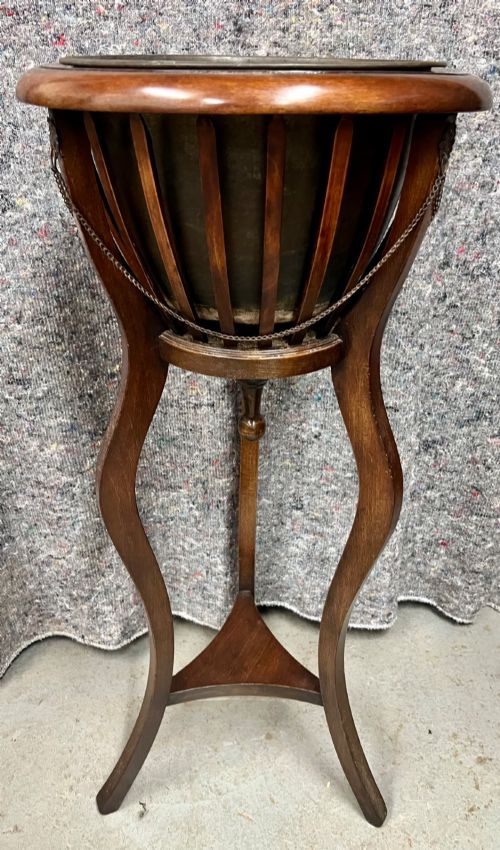
An edwardian tripod plant stand serves as a raised platform for foliage, urns, and lamps, combining utility with decorative presence. These small tables appear in forms such as torchere stands, jardiniere supports, and occasional tables.
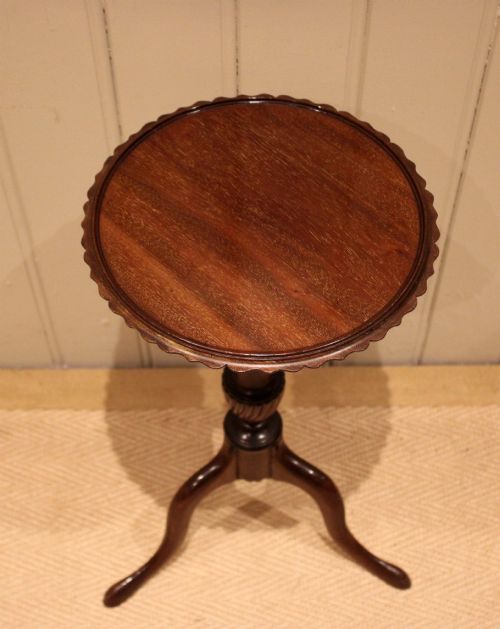
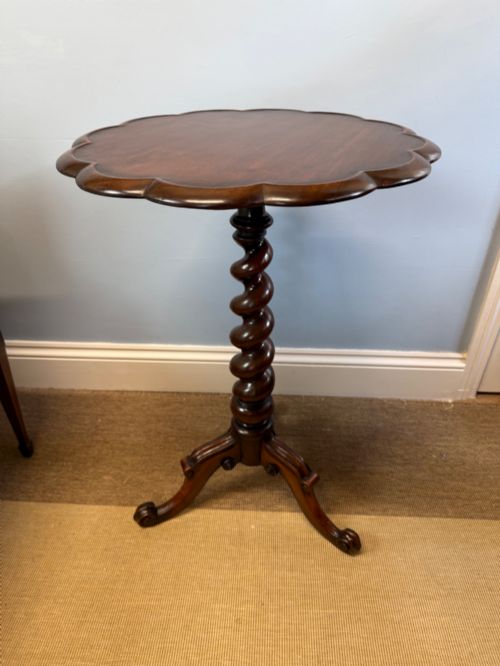
The version most commonly met on this page is constructed from mahogany or walnut, featuring three slender legs descending from a circular or star-shaped top. Pieces span from the Edwardian period through adjacent Victorian and early twentieth-century decades.
Beyond the primary Edwardian examples, related items include wine tables, pedestal stands, and side tables in styles ranging from Georgian revival to Art Nouveau and Adam revival. They occupy minimal floor space while adding vertical interest to a room.
Materials and Construction
Cabinetmakers utilised hardwoods such as mahogany, walnut, rosewood, and oak for these stands, often selecting timber for rich grain patterns. Inlaid decoration, brass mounts, and carved details enhance the surfaces of these tripod structures.
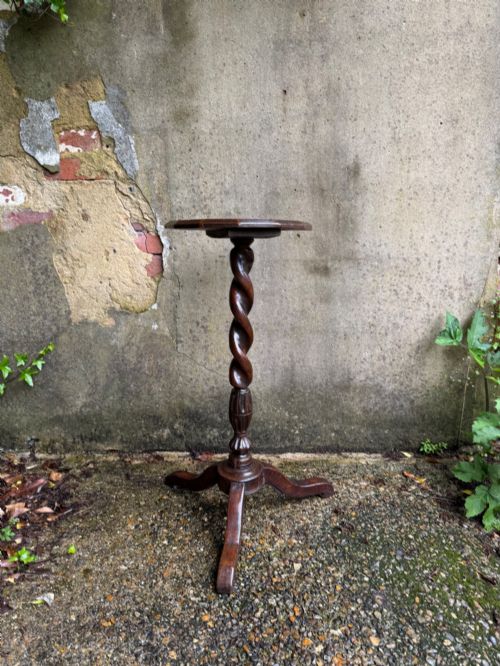
Construction techniques involve three-legged tripod bases designed for stability on uneven floorboards, paired with turned, barley twist, or carved vertical shafts. Tops are joined firmly to the central column to support the weight of heavy plants or decorative objects.
Edwardian Tripod Plant Stand Retail Price Guide 2026
Typical asking prices for edwardian tripod plant stand among the pieces listed under this phrase on Sellingantiques today, from the lower quarter to the upper quarter. They describe what is for sale here now, not the wider market.
Several stands double as elephant side tables, reminding us that Victorian interiors enjoyed an unexpected touch of safari.
Judging Quality
Quality rests in the crispness of carved details, the choice of timber figure, and the rigidity of the tripod joint. Pieces with finely inlaid decoration or substantial solid hardwoods demonstrate superior workshop execution.
Stability and proportion distinguish finer examples from simpler utility stands. A well-balanced frame with clean turning and careful joinery maintains its poise over decades of use.
The Edwardian Tripod Plant Stand Glossary
- Tripod
- A piece of furniture supported by three legs. This configuration provides steady balance on domestic floor surfaces.
- Torchere
- A tall, slender stand designed to hold a light or a decorative urn. Originating as candleholders, they later supported electric lamps and tall plants.
- Jardiniere
- A decorative pot or stand for holding plants and flowers. These containers often feature waterproof liners or raised rims.
- Inlay
- A technique of inserting contrasting materials into wood surfaces to form decorative patterns. Common materials include lighter woods and brass.
- Occasional table
- A small, versatile table used for light domestic tasks. These pieces can be moved easily around a room as needed.
Edwardian Tripod Plant Stand: Frequently Asked Questions
What is an edwardian tripod plant stand used for?
These stands hold potted plants, ferns, or floral arrangements to elevate greenery off the floor. They also serve as surfaces for lamps, vases, and small decorative items.
Placing them in corners or beside seating areas adds vertical dimension to interior arrangements. Their compact footprint makes them suitable for rooms with limited space.
How do I care for a mahogany stand?
Dust the timber regularly with a dry cloth to prevent dirt accumulation. Avoid placing wooden stands in direct sunlight or near heat sources to protect the finish.
Applying occasional furniture wax preserves the lustre of the wood. Use protective pads underneath pots to prevent moisture damage to the top.
How do I identify an edwardian piece?
Edwardian furniture dates from the reign of King Edward VII between nineteen hundred and nineteen ten. Pieces from this era often feature lighter proportions and mahogany or walnut timbers.
Inlay work and revival styles, such as Georgian and Sheraton influences, frequently appear on furniture from this period. Compare the construction methods and wood ageing to confirm the era.
Are these stands stable on carpets?
Tripod bases generally maintain good contact on flat carpets because three points establish a plane. Thick or deep-pile carpets may require careful placement to ensure the stand does not wobble.
Adjusting the position slightly helps settle the three feet securely. Heavier bases provide additional reassurance against tipping.