


Scrolled Leg Dining Table
A scrolled leg dining table brings sturdy timber and classical curves to a room, offering the surface space needed for everyday meals and gatherings.
Scrolled Leg Dining Table
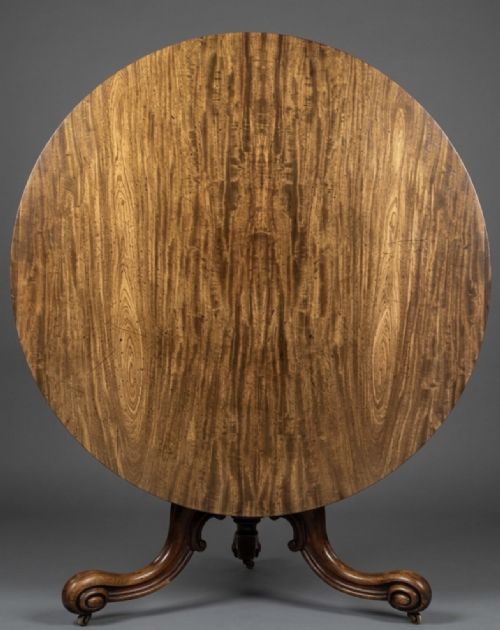
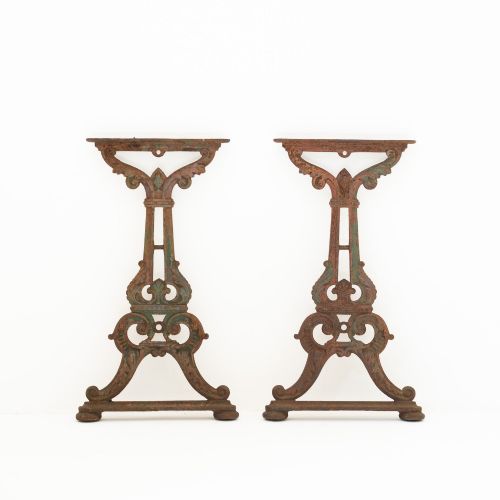
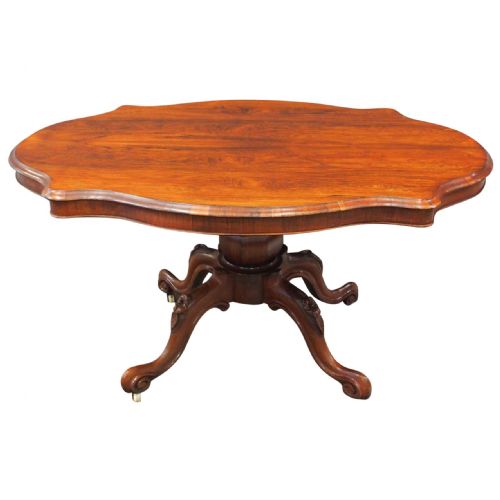
A scrolled leg dining table search leads buyers toward nineteenth-century dining tables, breakfast tables, and related serving furniture rooted in Georgian, Regency, and Victorian aesthetics. The selections on this page span heavy mahogany timbers, French walnut, and occasional cast iron supports, reflecting the variety of forms created during these periods.
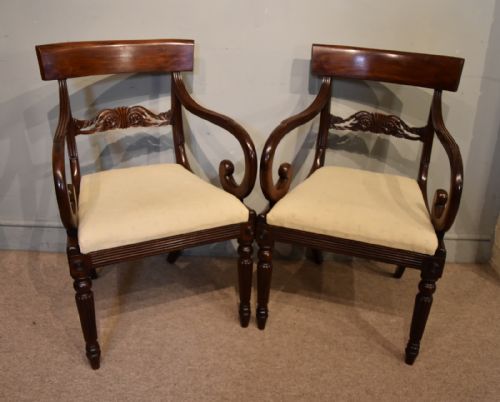
While the exact phrase points towards a dining table, the items present include circular breakfast tables, centre tables, and sideboards alongside the seating and table bases. Buyers will encounter both grand country house proportions and more compact nineteenth-century formats across mahogany and walnut constructions.
Construction methods and materials
Makers utilised solid timbers such as mahogany and walnut, frequently selecting flame mahogany veneer and boxwood stringing to add decorative detail to table tops. Structural elements rely on robust joinery suited to supporting heavy timber leaves and central pedestals.
Some nineteenth-century breakfast tables were designed with tilt-top mechanisms so they could stand flat against a wall when not holding porridge.
Assessing quality and craftsmanship
Quality rests in the selection of timber grains, such as figured flame mahogany and segmented walnut tops, which show careful attention to visual appeal. The crispness of carved scrolls and the integration of boxwood details distinguish finer examples from plain utility pieces.
Proportion and structural integrity dictate the standing of a piece, separating grand country house furniture from smaller workshop output. The weight of the timber and the stability of the central columns or bases govern daily utility and longevity.
The Scrolled Leg Dining Table Glossary
- Mahogany
- A dense, reddish-brown tropical hardwood favoured for its stability and fine grain throughout the Georgian and Victorian periods. It took a high polish and resisted warping well.
- Regency
- An architectural and decorative style spanning the early nineteenth century, characterised by classical restraint and influences from ancient Greece and Rome. Proportions remained elegant and often featured dark woods.
- Victorian
- The period covering the reign of Queen Victoria, marked by revivals of earlier styles alongside industrial innovations in furniture production. Pieces from this era range from heavy walnut tables to cast iron bases.
- Centre table
- A freestanding table designed to be viewed from all sides, placed in the middle of a room rather than against a wall. These often featured circular tops and sturdy central pillars.
Scrolled Leg Dining Table: Frequently Asked Questions
How do I care for mahogany surfaces?
Mahogany requires dusting with a soft, dry cloth and protection from direct sunlight and excessive heat to prevent the wood from drying out.
Applying a traditional beeswax polish occasionally helps maintain the lustre of the timber grain.
Are these tables suitable for daily use?
Nineteenth-century tables were built from solid hardwoods designed to withstand heavy domestic service, making them practical for modern dining.
Using heat-resistant mats protects the polished timber surface from marks during meals.
How can I tell a Regency piece from a Victorian one?
Regency furniture tends to display restrained classical lines with simpler geometric forms and dark mahogany surfaces.
Victorian pieces often exhibit heavier proportions, ornate carvings, and a wider variety of timbers like burr walnut and rosewood.