
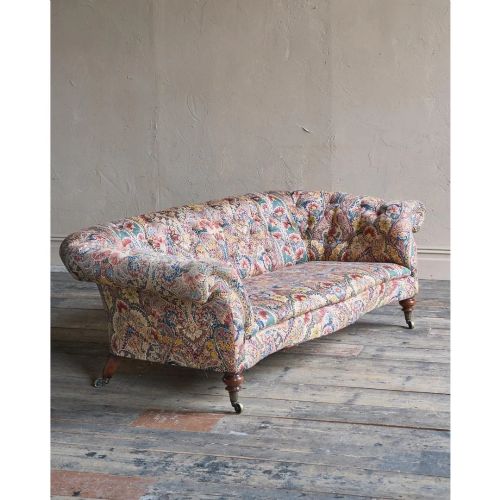
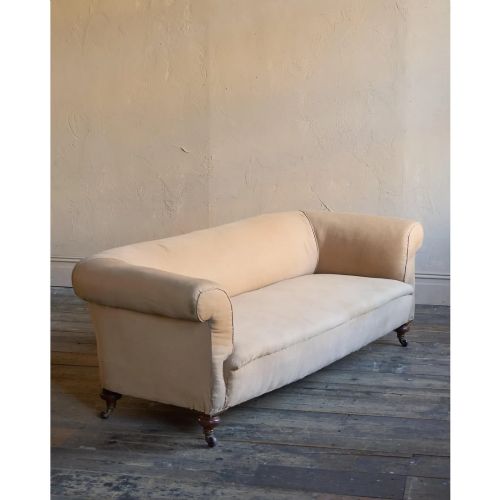
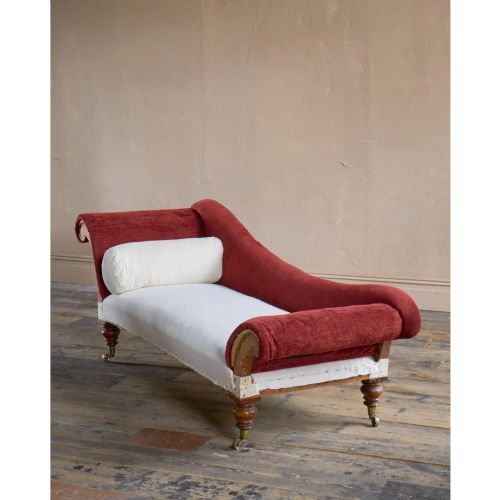
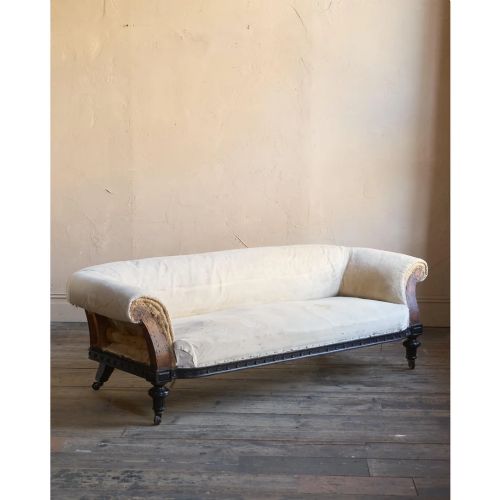
Scrolled Arm Sofa
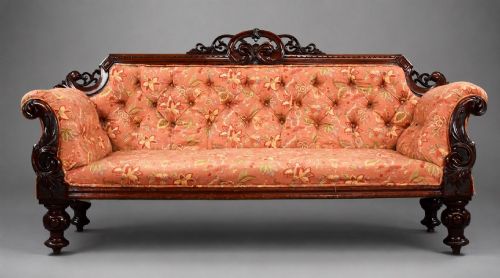
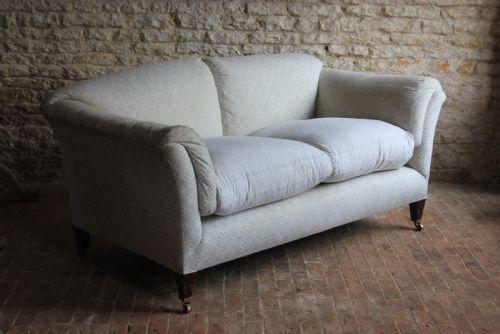
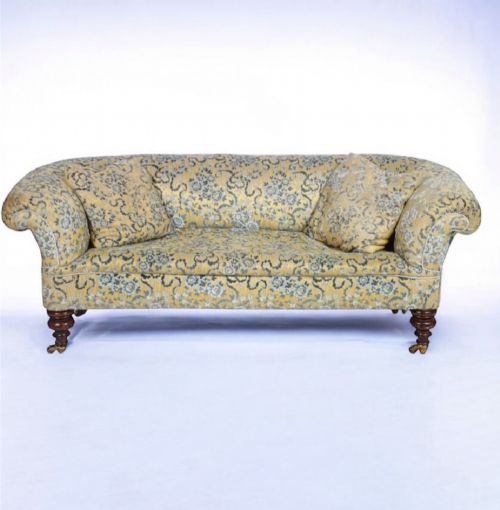
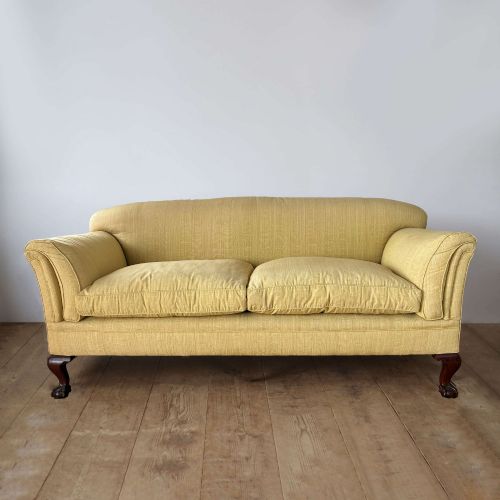
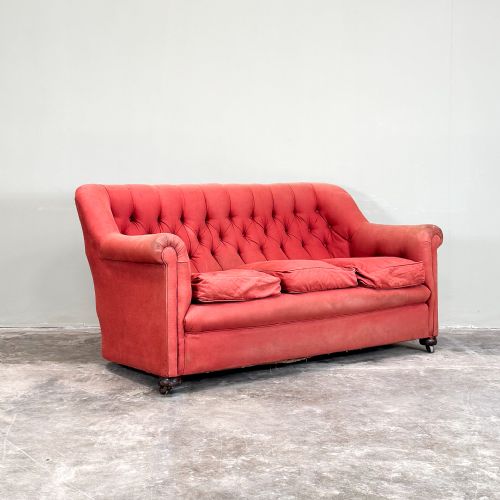
A scrolled arm sofa brings nineteenth-century presence into a room, offering deep comfort paired with architectural timber framing.
Materials and Construction
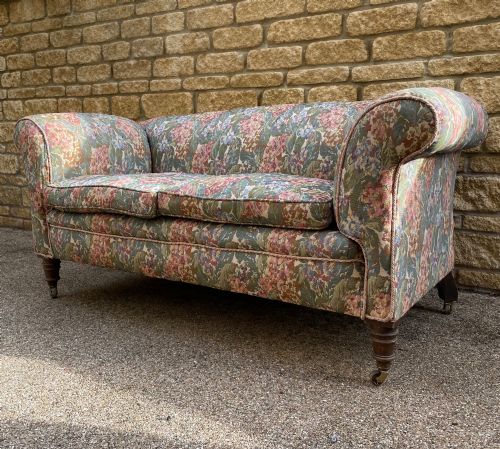
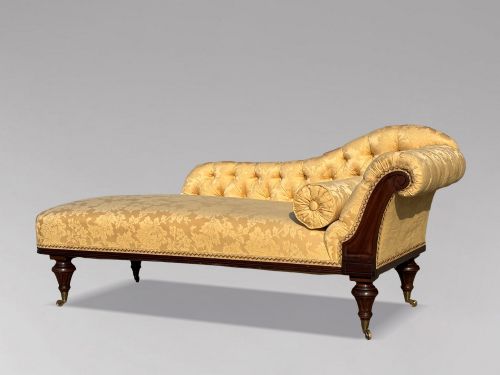
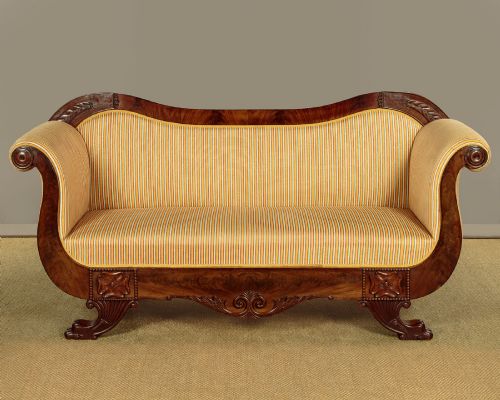
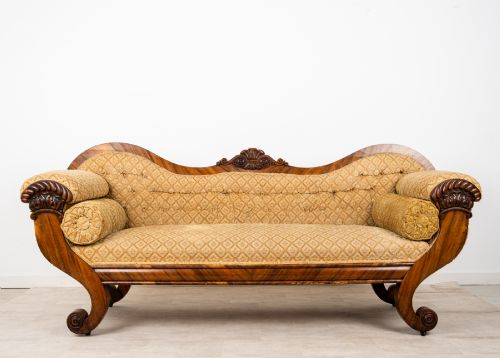
Frames are built from dense timbers such as mahogany, rosewood, and walnut, often shaped with carved scroll ends and supported on turned wooden legs or sabre legs. Brass details frequently appear as castors or decorative roundels.
Upholstery relies on traditional fabrics including velvet, leather, damask, and heavy woven textiles, secured over padded springs and webbing to create deep, supportive seating.
Judging Quality and Execution
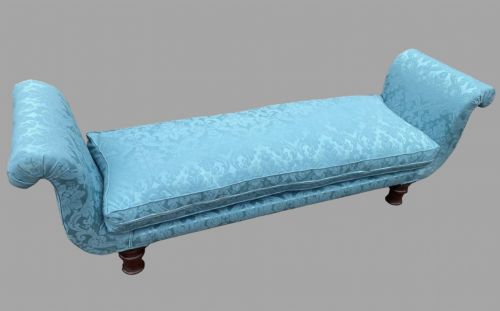
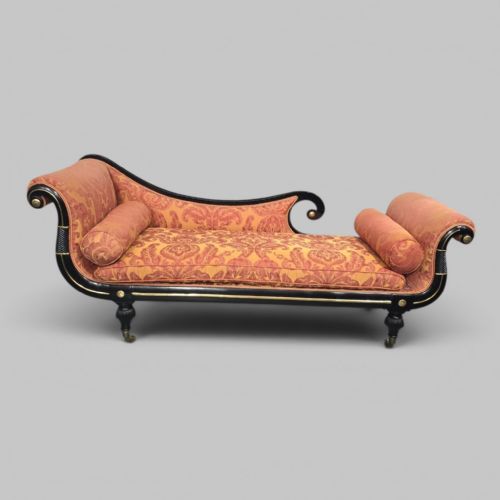
The distinction between standard output and the top of the range lies in the crispness of the timber carving and the architectural balance of the scroll ends. Superior examples display refined proportions, whether in the lyre-shaped curves of a Regency couch or the precise joinery of a country house settee.
Makers' marks and attribution to established workshops elevate certain pieces significantly. Quality also shows in the integration of secondary woods and the weight of the brass mounts.
Object forms include standard sofas, two-seater settees, drop-arm designs, window seats, and daybeds.
Howard and Sons·Holland and Sons·Gillows
The Scrolled Arm Sofa Glossary
- Chaise Longue
- An upholstered long chair designed for reclining, combining the backrest of a sofa with a seat long enough to support the legs. These pieces often feature a single scrolled end.
- Chesterfield
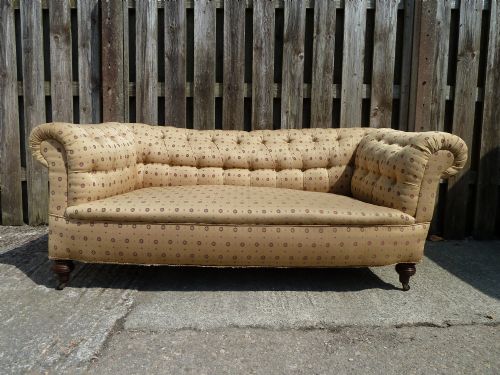
- A deep-buttoned upholstered sofa traditionally characterised by arms and back of the same height. Nineteenth-century variants frequently incorporate scrolled arms and leather or fabric coverings.
- Settee
- A medium-sized upholstered seat with a back and arms, designed for two or more people. They appear in Victorian and Edwardian iterations with turned legs and scroll ends.
- Sabre Leg
- A concave-curved furniture leg that tapers towards the floor, typical of Regency design. This form provides outward stability and a lighter visual profile.
- Récamier
- A type of daybed or chaise longue with two elevated ends and an open side, named after French society figure Madame Récamier. These pieces reflect classical French Empire influence.
Scrolled Arm Sofa: Frequently Asked Questions
How do I identify a Regency scrolled arm sofa?
Regency examples typically exhibit lighter timbers like rosewood or simulated rosewood, alongside classical motifs such as lyre shapes and sabre legs with brass capped roundels.
The scroll ends on these pieces tend to curl tightly inward, reflecting the influence of French Empire and classical design.
What is the difference between a settee and a chaise longue?
A settee provides upright seating for two or more people with a uniform backrest and two arms. It functions primarily as a main living room sofa.
A chaise longue is built for reclining, featuring a backrest that extends only partially along the length of the frame to accommodate extended legs.
Are Victorian Chesterfield sofas comfortable for daily use?
Victorian Chesterfields were constructed with deep, sprung upholstery and durable horsehair or textile stuffing intended for heavy domestic use. Their generous proportions make them practical for modern seating.
The sprung backs and scrolled arms provide solid support when sitting upright or lounging.
How do I care for antique upholstery fabric?
Antique velvet, damask, and leather require gentle vacuuming with a soft brush attachment to remove dust without damaging the fibres. Direct sunlight should be avoided to prevent fading.
Professional cleaning is recommended for antique textiles to preserve the original weave and underlying padding.