


Period Daybed
These period antique daybed examples combine Regency and nineteenth-century forms with brass, mahogany, and simulated rosewood for elegant seating.
Period Daybed
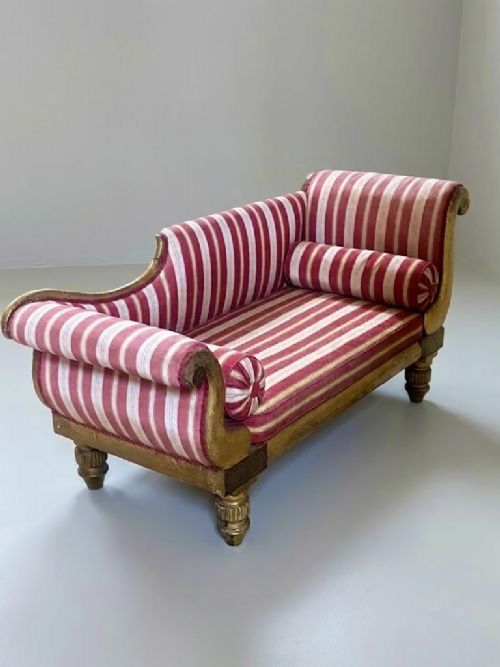
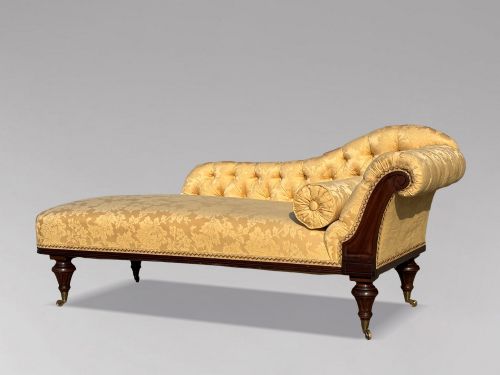
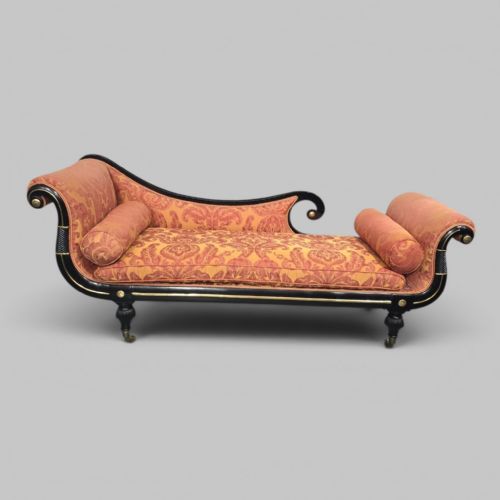
A period antique daybed encompasses nineteenth-century and Regency daybeds, chaise longues, and scroll-end sofas designed for reclining. These seating forms draw upon Regency, Louis XVI, and William IV styles.
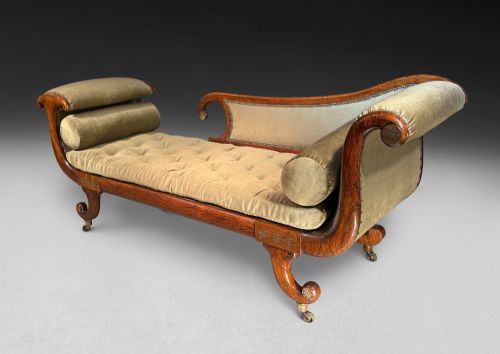
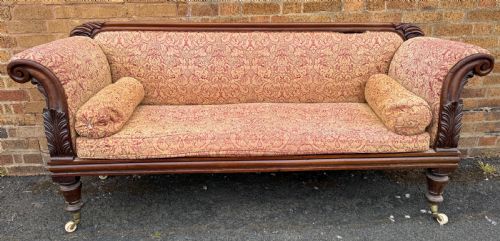
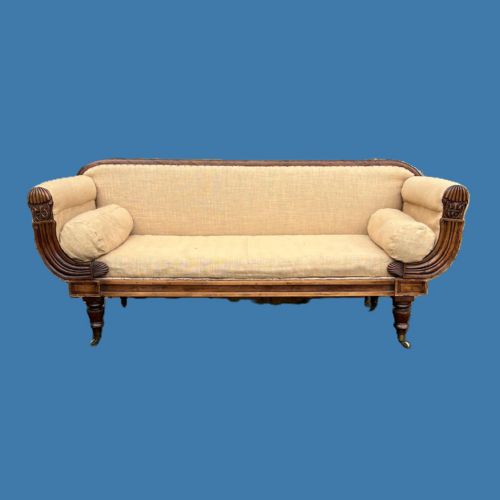
The pieces appearing here lean heavily toward Regency mahogany and simulated rosewood daybeds, alongside Edwardian brass beds and painted settles from the eighteenth century. Buyers encounter scroll ends and double scroll-ended frames frequently.
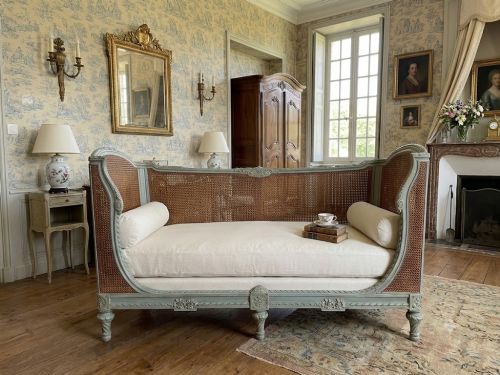
Origins span English country houses, French workshops, and Swedish interiors, offering various seating proportions from single daybeds to large four-seater settees.
Materials and construction
Wood frameworks utilise solid mahogany, simulated rosewood, ebonised wood, and painted timber, often enhanced by brass inlay or carved scroll details.
Upholstery relies on traditional fabrics including damask, velvet, silk, and general upholstery fabric, paired with cane panels where French Louis XVI influence appears.
Listings feature mahogany, simulated rosewood, and brass, spanning periods from the eighteenth century to the early twentieth century.
Quality and execution
The standard of carving on mahogany frames and the precision of brass inlay define the upper tier of these daybeds. Finer examples display crisp scroll ends and careful timber selection.
The integrity of the underlying frame and the quality of the textile finish, whether silk, damask or velvet, distinguish standard production from exceptional country house pieces.
The Period Daybed Glossary
- Scroll end
- A curved wooden terminal styling the arm or back of a sofa or daybed. This feature defines many Regency designs.
- Simulated rosewood
- Timber painted to imitate the grain and colour of genuine rosewood. This technique was popular during the Regency period.
- Canapé corbeille
- A French-style rounded daybed or settee with enclosing back and arms. Examples appear in painted finishes with cane panels.
- Campaign sofa
- A portable seating form adapted for travel. These pieces utilise durable timbers like mahogany for strength.
Period Daybed: Frequently Asked Questions
How do I place a daybed in a room?
These daybeds and chaise longues suit placement against a main wall or floating within a large reception room. Their finished backs and scroll arms make them suitable centrepieces.
Pair them with neutral walls to highlight the timber grain and upholstery fabrics like silk or damask.
How do I identify a Regency daybed?
Regency daybeds typically feature mahogany or simulated rosewood frames with distinct scroll ends. Brass inlay and carved details frequently appear on these pieces.
They date from the early nineteenth century and often reflect classical architectural influences.
What fabrics are used on these daybeds?
Upholstery materials range from traditional silk and damask to velvet and standard woven fabrics. Many pieces retain or have been restored with period-appropriate textiles.
Cane panels also appear on painted frames influenced by French eighteenth-century designs.