

Scroll Arm Armchair
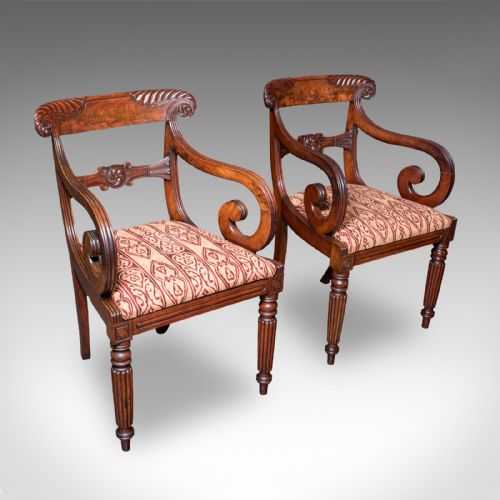
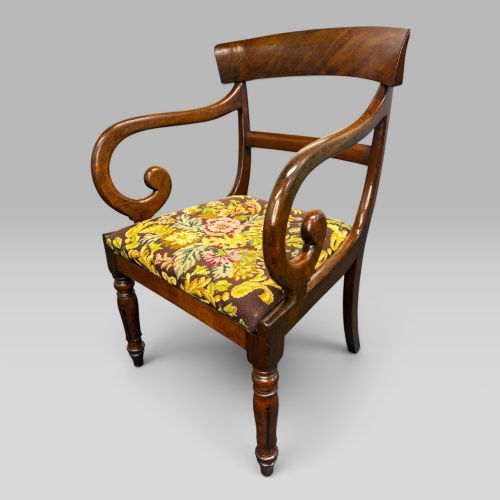
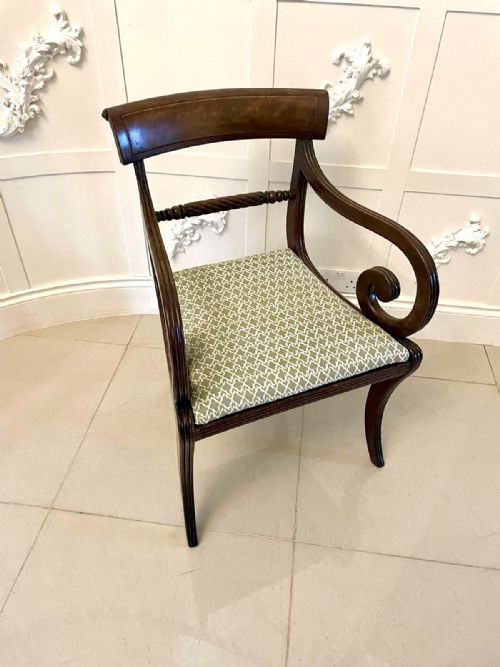
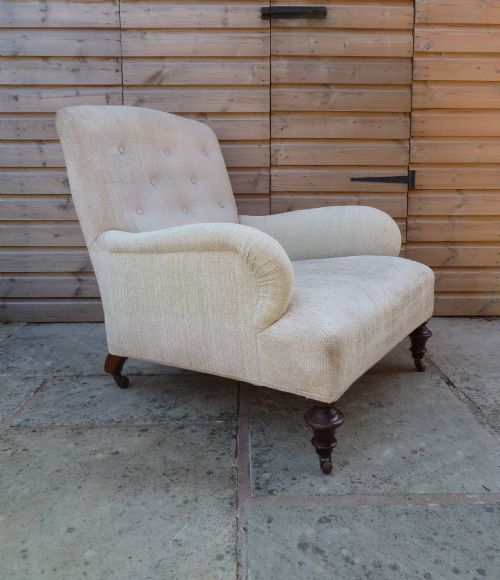
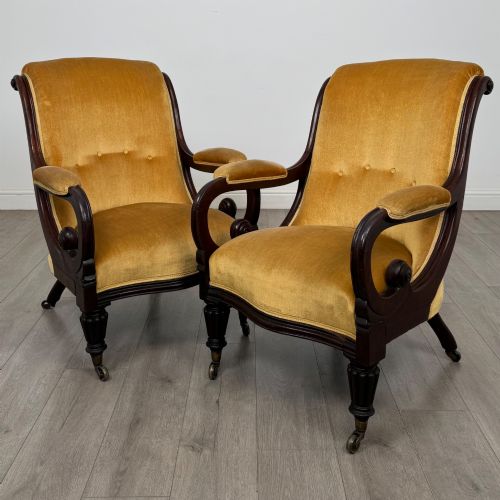
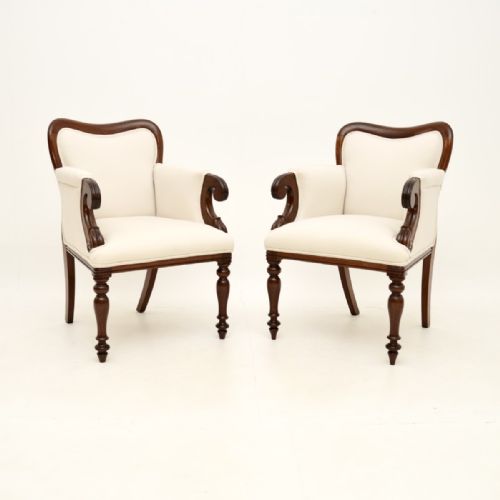
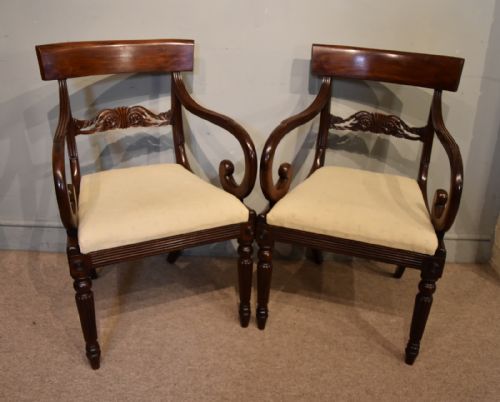
A scroll arm armchair offers robust support through curved timber terminals, combining formal library seating with deep country house comfort.
Scroll Arm Armchair
The inventory on this page consists predominantly of nineteenth-century pieces alongside Edwardian examples, spanning forms from formal desk chairs and dining carvers to deep-seated library armchairs.
Originating across English, French, and Italian workshops, these seating options utilise traditional timbers and various upholstery finishes to suit studies, drawing rooms, and libraries.
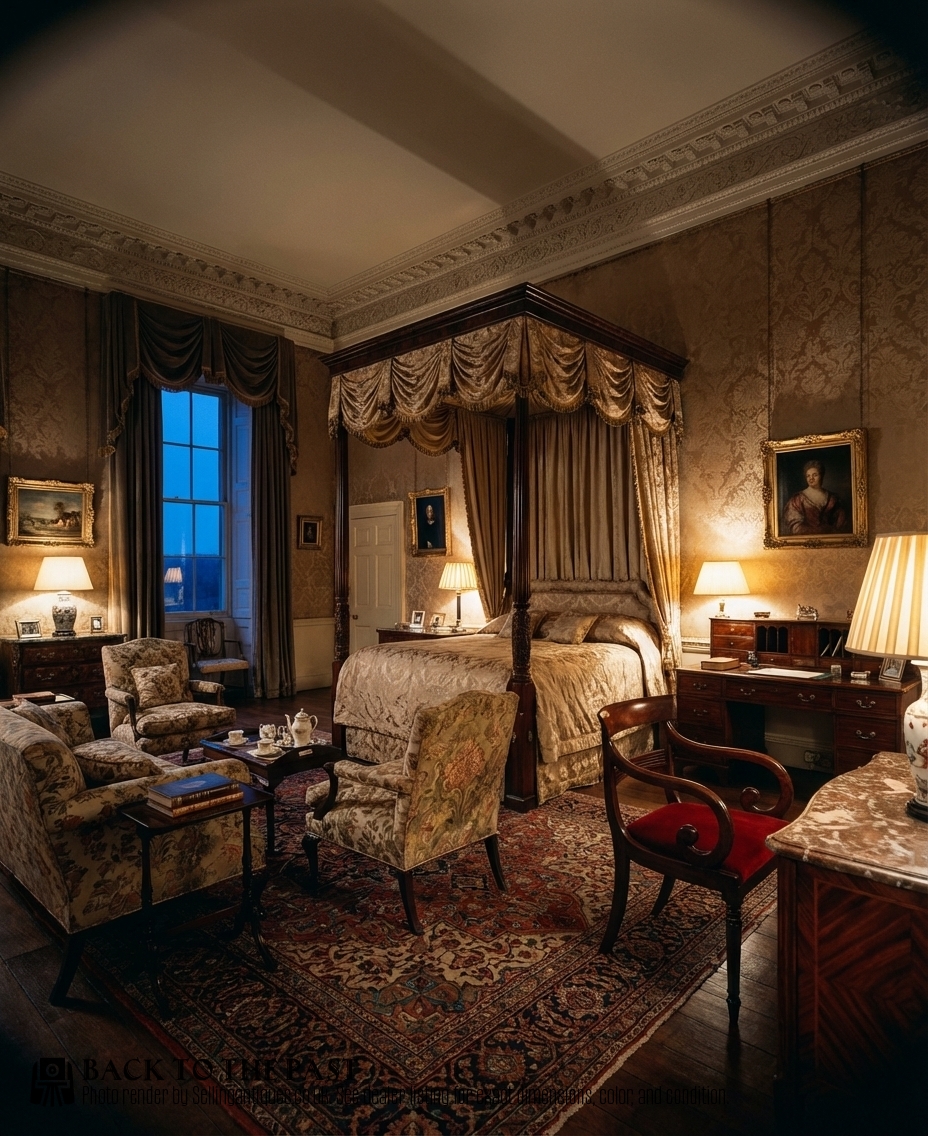
Materials and Construction
Cabinetmakers constructed the frames of these chairs using solid hardwoods such as mahogany, rosewood, walnut, and birch, often incorporating carved details, brass inlays, or bentwood techniques.
Upholstery methods paired traditional stuffing materials with durable coverings including leather, velvet, fabric, and linen, sometimes secured with decorative buttoning or brass elements.
Scroll Arm Armchair Retail Price Guide 2026
Typical asking prices for scroll arm armchair among the pieces listed under this phrase on Sellingantiques today, from the lower quarter to the upper quarter. They describe what is for sale here now, not the wider market.
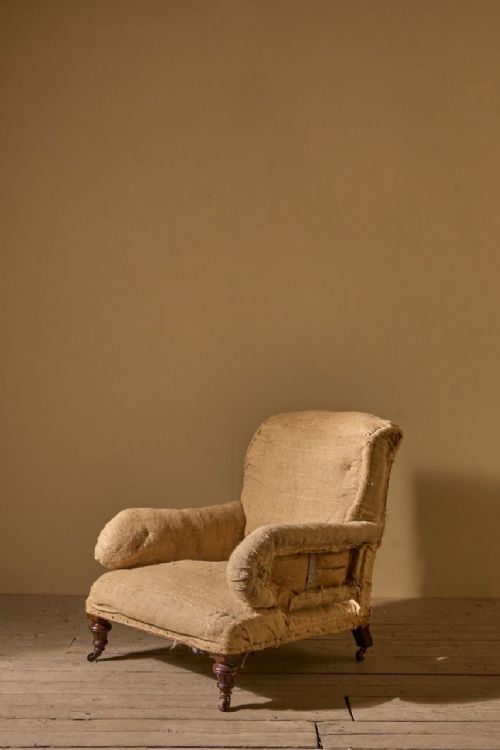
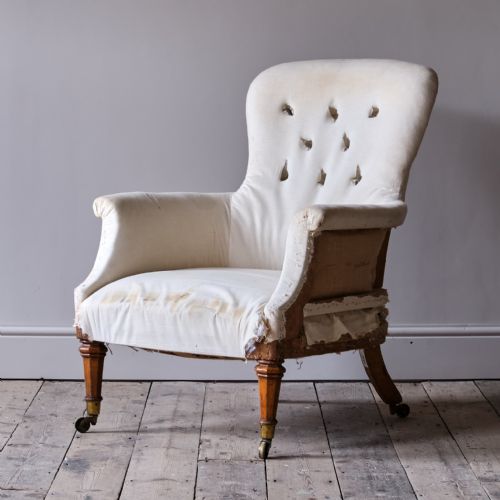
Several armchairs are recorded simply as recovered items, patiently awaiting someone to choose a fresh textile for their scroll backs.
Distinguishing Quality
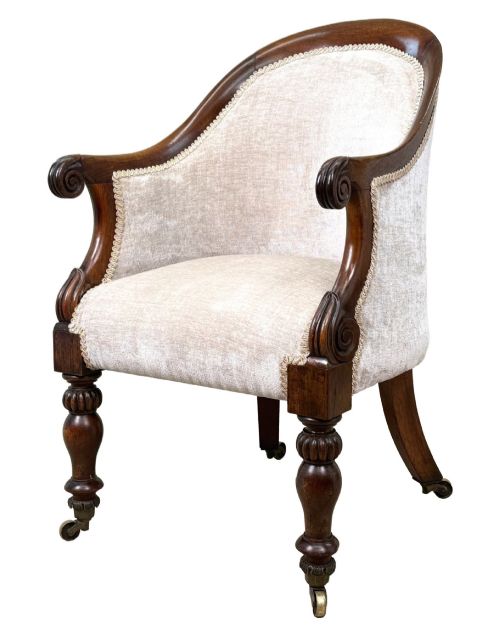
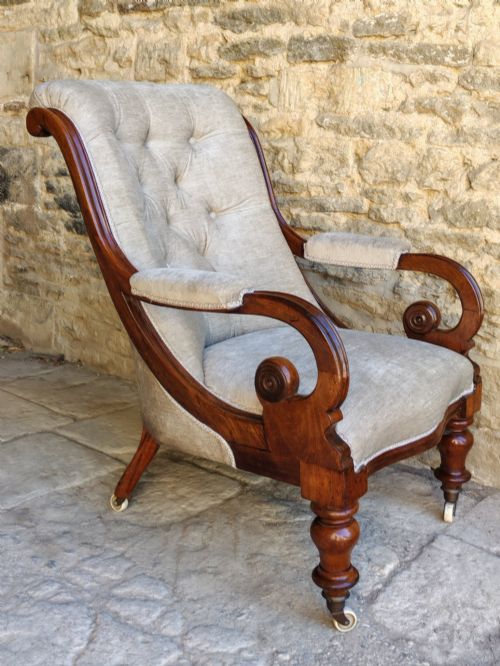
Quality rests upon the crispness of the timber carving on the scroll terminals, the structural integrity of the hardwood frame, and the proportional balance between the arms, legs, and backrest.
Finer examples display superior timber selection, such as figured mahogany or rosewood, alongside meticulous joinery and authentic period upholstery treatments that preserve the intended silhouette.
Howard and Sons·Gillows
The Scroll Arm Armchair Glossary
- Scroll arm
- An armrest terminating in a tightly curved or rolled wooden or upholstered end. This feature provides both hand support and distinct aesthetic character.
- Carver chair
- An armchair designed in a style matching a set of dining chairs. These pieces typically feature open arms to accommodate dining at a table.
- Bergere
- An enclosed upholstered armchair with a wooden frame. They often incorporate cane panels or deep squab cushions.
- Sabre leg
- A concave sweeping leg that tapers toward the foot. This form is frequently found on Regency period seating.
- Elbow chair
- A traditional term for an armchair with low elbow rests. They serve as versatile seating in libraries and offices.
Scroll Arm Armchair: Frequently Asked Questions
What distinguishes a Regency scroll arm armchair?
Regency pieces often feature dark hardwoods like mahogany or rosewood, sometimes accented with brass inlay or supported by sabre legs. Their lines tend to reflect classical revival influences popular in the early nineteenth century.
In contrast, later Victorian iterations frequently adopt softer profiles with plush upholstery designed for fireside or library comfort.
How were these armchairs used historically?
These chairs served multiple domestic functions depending on their build, acting as desk chairs in studies, carver chairs at dining tables, or fireside seats in reception rooms.
Deeply upholstered versions were placed in libraries and morning rooms to provide extended comfort for reading and conversation.
How do I identify the period of an armchair?
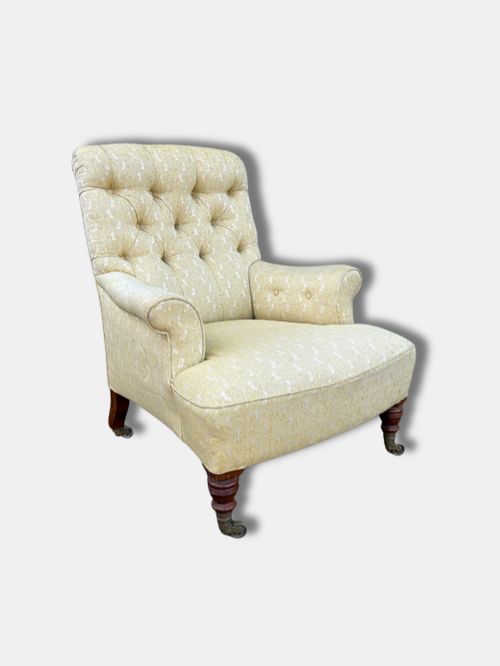
Period identification relies on examining the timber species, leg geometry, and structural framing methods. Regency examples show classical lines and brass details, while Victorian pieces often display heavier proportions and buttoned upholstery.
Edwardian and later twentieth-century iterations typically offer lighter wood tones or simplified frames reflecting changing domestic fashions.
What upholstery materials are common on these chairs?
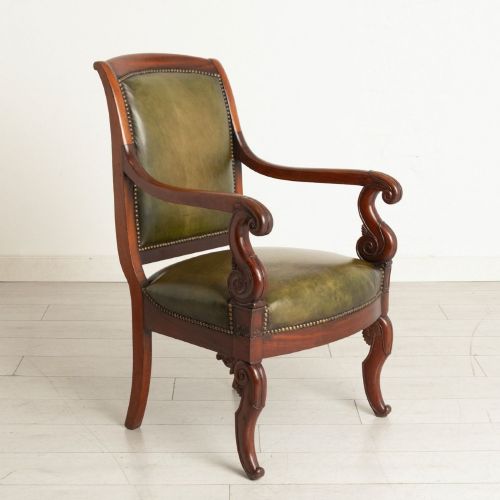
Historical upholstery includes green leather for library and desk chairs, alongside patterned fabrics, velvet, linen, and floral textiles for drawing room seating. Buttoning and ticking are also frequently recorded across French and English pieces.
Many surviving frames retain later coverings applied to match subsequent interior decorative schemes.