
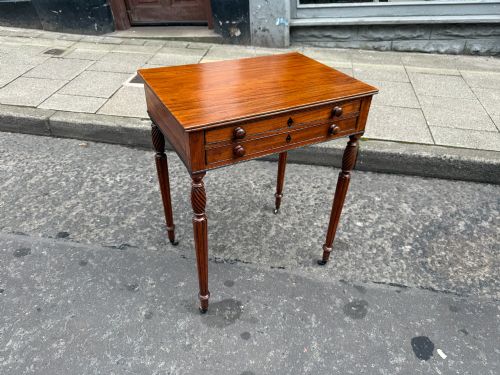
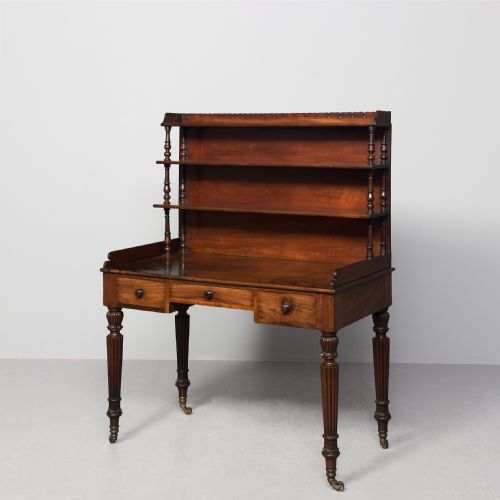
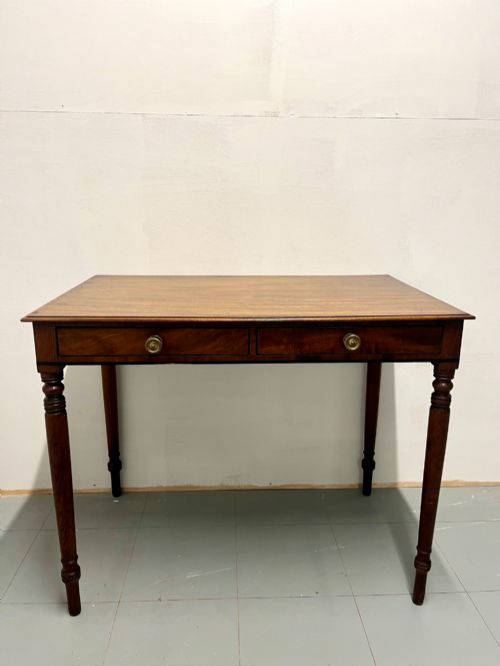
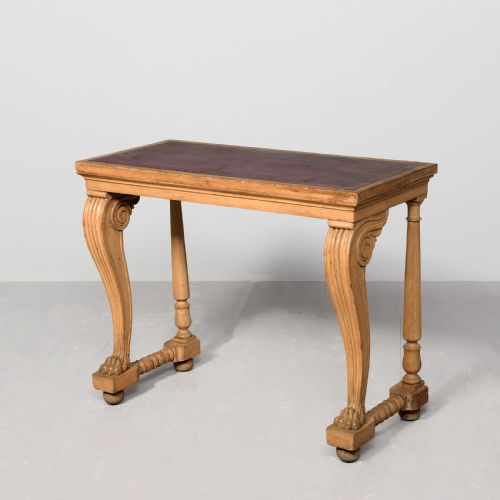


Scottish Regency Table
These scottish regency table designs combine heavy timber and precise inlay to anchor a room.
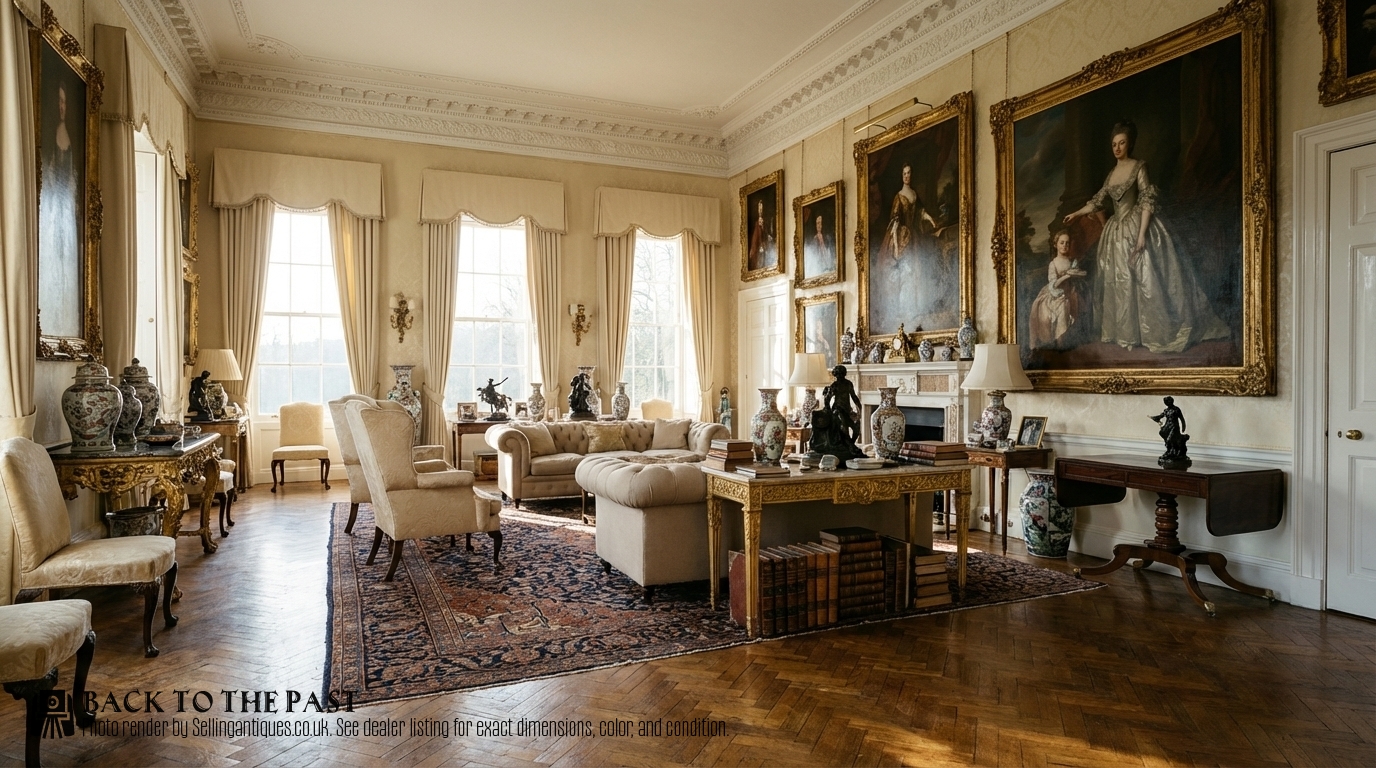
Scottish Regency Table
A scottish regency table covers everything from folding tea and card tables to larger dining pieces, sofa tables, and occasional side stands. The pieces span periods from the Georgian era through the nineteenth century, aligning with Regency and George III styles.
Makers and workshops in Edinburgh and Kelso produced much of this furniture, employing rosewood and mahogany alongside lighter veneers. You are most likely to encounter card tables, tea tables, and sofa tables resting on pillar supports or pedestals.
Materials and construction methods
Cabinetmakers built these pieces using solid timbers like mahogany and rosewood, often applying flame mahogany, satinwood, or pollard oak veneers to prominent surfaces. Crossbanding and brass details completed the outer edges and mounts.
Table tops frequently pivot, fold, or incorporate lateral slides, supported by pillar pedestals or turned legs that demonstrate precise joinery. Interior compartments in work tables and desks reveal careful secondary wood framing.
Scottish Regency Table Retail Price Guide 2026
Typical asking prices for scottish regency table among the pieces listed under this phrase on Sellingantiques today, from the lower quarter to the upper quarter. They describe what is for sale here now, not the wider market.
Listings feature woods including rosewood, mahogany, satinwood, and brass alongside glass and leather elements.
Markers of distinction in craftsmanship
Quality rests in the selection of timber figures, such as dense flame mahogany or richly figured rosewood, matched evenly across top surfaces. Grain continuity across hinged leaves and drawer fronts shows deliberate planning by the maker.
The precision of crossbanding, brass inlay, and structural joinery separates standard production from workshop pieces attributed to known cabinetmakers. Carved pedestals and stable pedestal bases indicate higher ambition in the design.
James Mein of Kelso·William Trotter·Morison of Ayr·Mitchell and Russell of Glasgow
The Scottish Regency Table Glossary
- Crossbanding
- A strip of veneer applied to the border of a table top running perpendicular to the main grain. This technique frames the primary wood and adds a decorative geometric border.
- Flame mahogany
- A veneer cut from the branch junction of a mahogany tree to create a rolling, flame-like pattern. Makers used it on prominent table tops to catch the light.
- Teapoy
- A small stand or box on a pillar base designed to hold tea caddies and blending bowls. They appear frequently alongside work tables in domestic interiors.
- Sofa table
- A rectangular table designed to stand in front of a sofa, typically featuring drop leaves at either end. They often include small drawers beneath the top.
Scottish Regency Table: Frequently Asked Questions
How do I identify a Scottish table?
Look for specific regional timbers, distinct veneer choices like pollard oak or satinwood, and structural proportions associated with northern workshops.
Attributions often point to known makers operating in Edinburgh or Kelso during the early nineteenth century.
Where were these tables placed?
Dining and centre tables stood in principal entertaining rooms, while smaller card and tea tables lined parlour walls until needed.
Sofa tables sat directly in front of seating furniture, and occasional work tables rested near hearths or windows.
What woods were used most?
Mahogany and rosewood dominate the surviving examples, supported by lighter decorative accents in satinwood, lacewood, and birch.
Veneers provided varied surface patterns while structural frames relied on sturdy native and imported hardwoods.
How do I care for rosewood?
Keep wooden surfaces away from direct sunlight and excessive heat sources to prevent the natural oils from drying out.
Dust gently with a dry cloth and avoid silicone-based polishes that build up over time.