




Scottish Server
A Scottish antique server brings robust cabinetry and understated dining room utility into a room, formed across periods from Georgian grace to Victorian heft.
Scottish Server
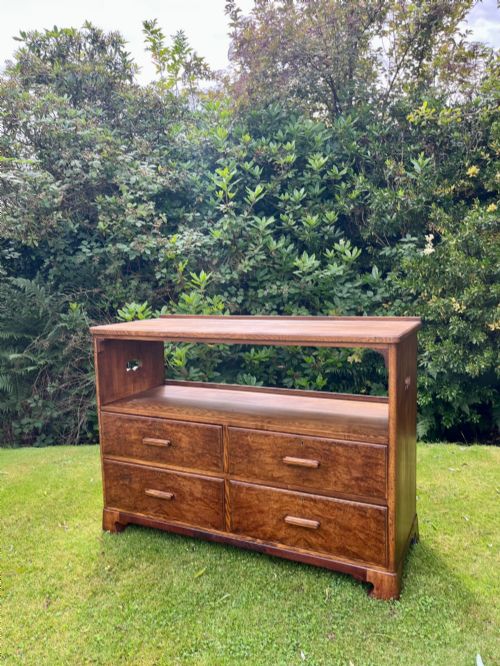
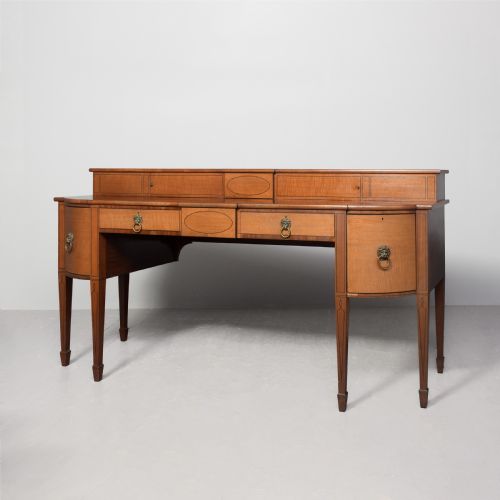
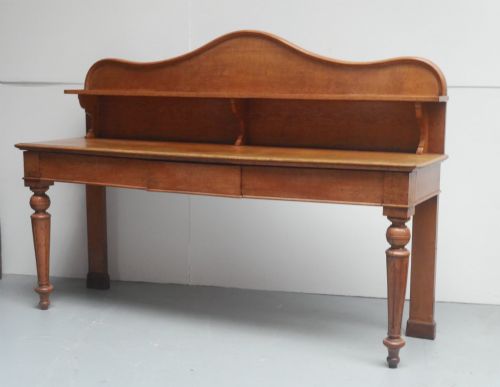
A scottish antique server encompasses large mahogany sideboards, serving tables, and oak dresser bases designed for formal dining rooms and country houses. These pieces provide surface space and storage for serving food and displaying silver during meals.
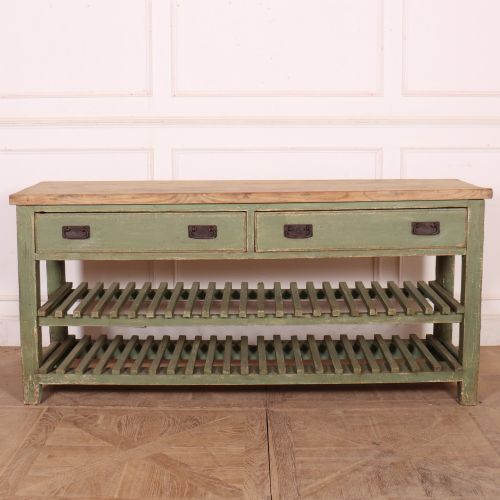
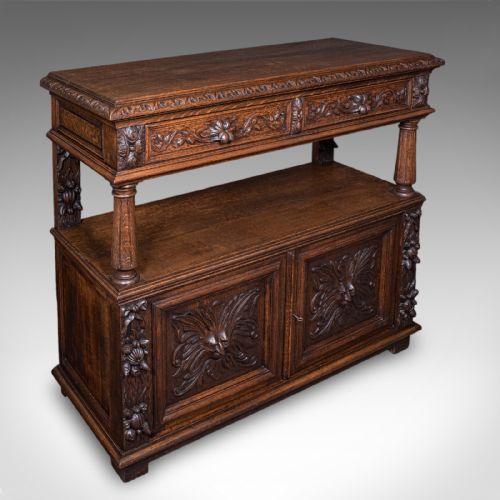
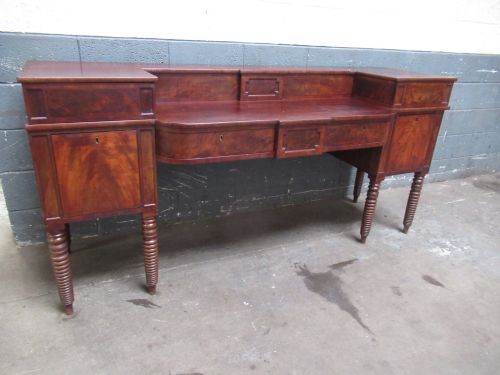
The most common examples on this page date from the Georgian and Victorian eras, often exhibiting regional Scottish cabinet-making traits such as stage-backs or deep bowfronts. Oak and mahogany dominate the forms, supplemented by occasional painted surfaces and pine carcasses.
Makers such as Whytock and Reid also contribute side cabinets and serving tables from later periods, carrying forward traditional forms into the twentieth century. Buyers encounter everything from rustic farmhouse potboard bases to grand stage-back sideboards.
How they were made
Cabinet-makers relied heavily on solid mahogany, flame mahogany veneer, and oak, constructing carcasses that withstood heavy daily use in domestic service. Secondary timbers like pine appear in drawer linings and internal framing.
Joinery techniques combined traditional hand-cut dovetails for drawers with sturdy tenon frames for larger side tables and dresser bases. Surface finishes ranged from polished natural grain to scumbled paint effects on kitchen furniture.
Scottish Server Retail Price Guide 2026
Typical asking prices for scottish server among the pieces listed under this phrase on Sellingantiques today, from the lower quarter to the upper quarter. They describe what is for sale here now, not the wider market.
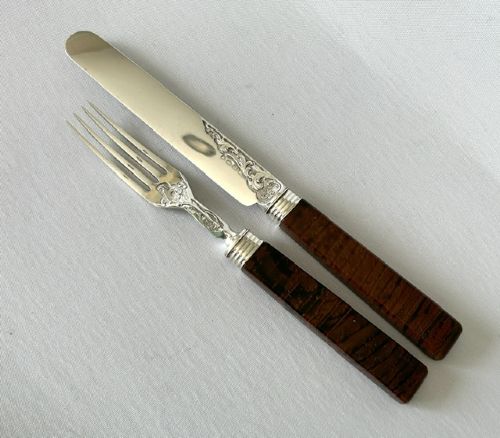
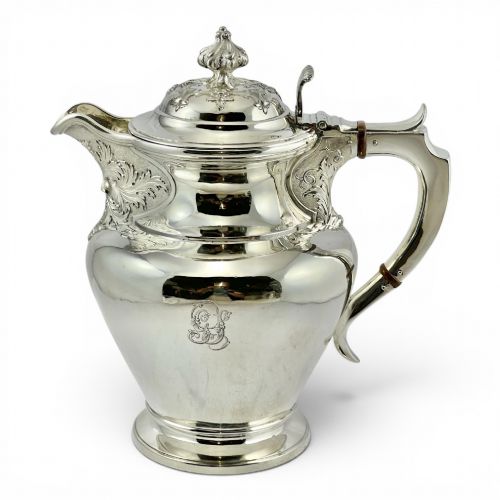
One determined dining room piece arrived accompanied by a heavy silver cheese dish and cover.
What varies in quality
The calibre of a Scottish antique server depends on the selection of timber, particularly the grain figuration in flame mahogany veneers or the density of the oak. Superior examples display thoughtful timber matching across drawer fronts and top boards.
Proportion and regional detail separate ordinary utility pieces from exceptional cabinet work, such as the presence of a stage-back or well-executed Gothic detailing. The integration of maker signatures, where present, alters the standing of the piece.
Whytock and Reid·James Mein of Kelso·John McDonald·William Ferguson·R Grey
The Scottish Server Glossary
- Stage-back
- A raised rear superstructure on a sideboard or serving table, often fitted with small shelves or compartments for displaying plate.
- Potboard
- An open slatted lower shelf on a dresser base traditionally used for storing pots and heavy kitchen utensils.
- Scumbled
- A decorative paint technique applied over a base coat to simulate the varied grain of more expensive woods.
- Bowfront
- A convex curved front contour typical of certain Georgian and Victorian case pieces.
- Chiffonier
- A compact sideboard or low cabinet equipped with shelves and enclosed lower storage, popular during the Regency and Victorian periods.
Scottish Server: Frequently Asked Questions
What is a Scottish antique server used for?
These pieces function as serving stations and storage units in dining rooms, holding dishes, cutlery, and silverware during meals.
They also provide a display surface for serving vessels, jugs, and decorative objects in both formal and domestic interiors.
How do I identify a Georgian Scottish server?
Georgian examples often feature solid mahogany or flame mahogany veneers, classical proportions, and distinctive regional stage-backs.
They rely on traditional hand-cut joinery and lack the heavy ornamentation typical of later Victorian revivals.
Where were these servers placed in a home?
Dining rooms and large halls served as the primary locations for these substantial pieces of furniture.
Kitchens and sculleries housed the more utilitarian oak dresser bases and potboard variants.
How do I care for antique mahogany and oak?
Keep wooden surfaces away from direct heat sources and sudden humidity changes to prevent timber movement and veneer lifting.
Apply traditional wax polish sparingly and buff with a soft cloth to maintain the finish without building up residue.