

Scientific Antiques
Scientific antiques combine precise early measurement with honest engineering, offering tangible links to historical exploration and domestic observation.
Scientific Antiques
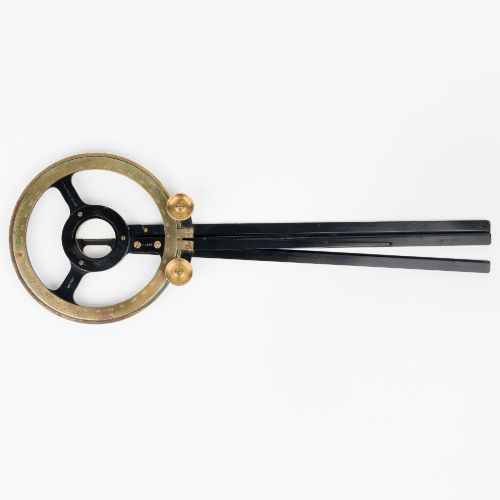
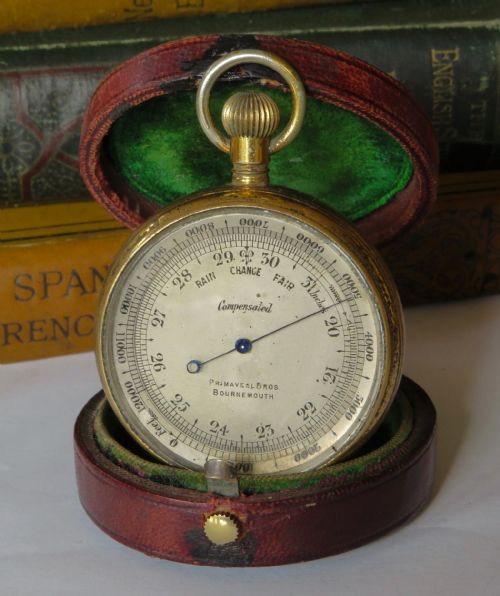
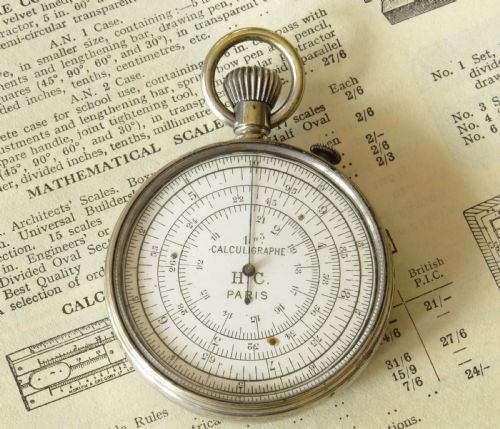
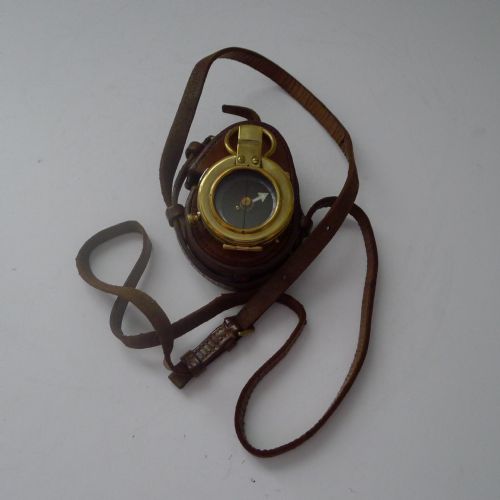
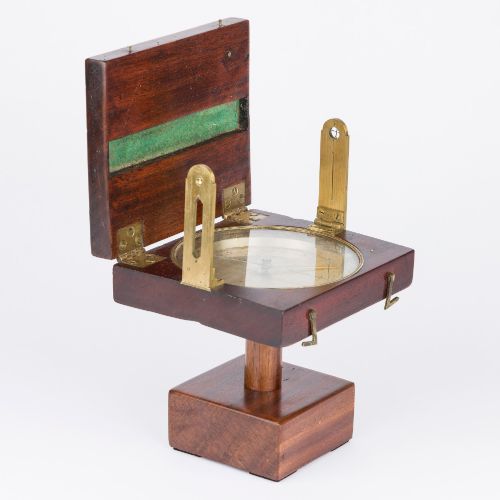
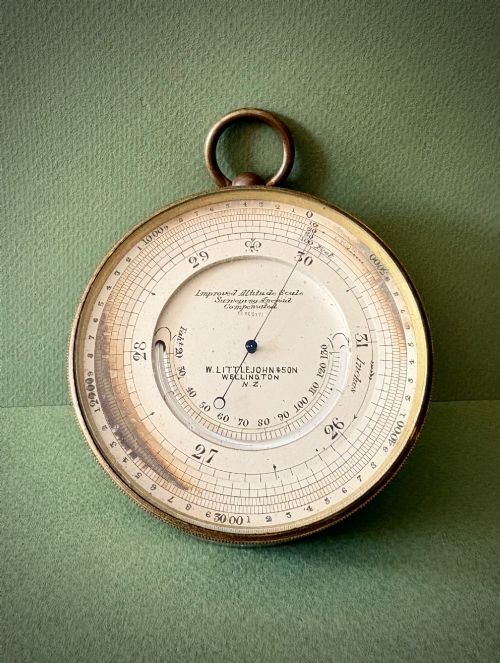
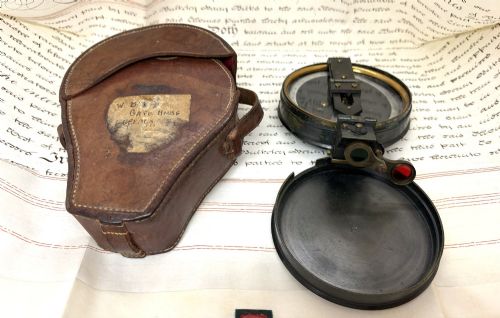
Scientific antiques encompass precision instruments designed for navigation, meteorology, calculation and observation across several centuries. When exploring scientific antiques, buyers frequently encounter portable pocket barometers, desk barographs and field compasses housed in compact wooden cases. These instruments reflect the practical demands of surveyors, mariners and natural philosophers from the Georgian, Victorian and Edwardian eras.
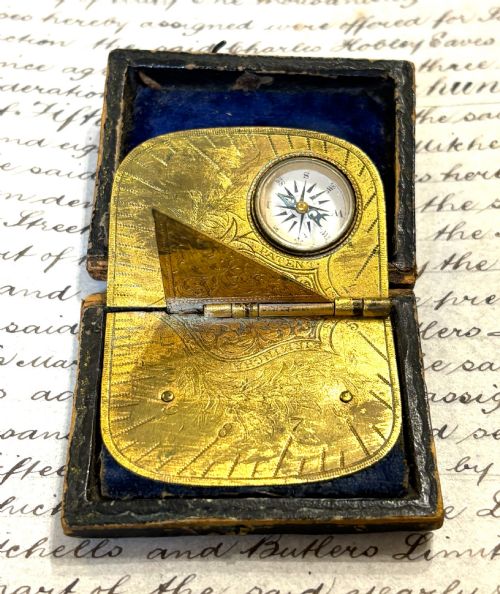
The selection on this page ranges from 18th-century library telescopes and mahogany stick barometers to late 19th-century pocket altimeters and brass theodolites. Tabletop orrery models, folding pocket sundials and specialised magnifiers also appear alongside institutional barographs cased in oak with bevelled glass. Each object represents a specific milestone in mechanical design and practical measurement.
Origin and period heavily dictate the character of these pieces, with London makers dominating the earlier centuries while regional workshops and continental makers expand the selection by the late 1900s. Buyers will find that domestic weather-recording devices and portable field gear form the majority of available domestic pieces. These items demonstrate how scientific utility gradually integrated into middle-class homes and professional practices alike.
Materials and construction methods
Brass and polished mahogany provide the primary structural foundation for the majority of these instruments, ensuring both durability and weight. Makers combined cast and turned brass components with seasoned hardwoods to withstand rigorous field use and variable climates. Steel, glass, paper and occasional leather accents complete the assemblies of pocket compasses, microscopes and barometers.
Meticulous hand-finishing defines the construction, from engraved compass dials and silvered barometer scales to hand-stitched leather cases and velvet linings. Makers utilised precise hand-cutting techniques for gear teeth, lens mounts and vernier scales long before mass production standardised output. Original paper instructions, charts and trade labels frequently accompany these devices, preserving the maker's original documentation.
The evidence records brass, mahogany, glass and paper as the most frequent materials utilised across 19th-century scientific instruments.
Evaluating craftsmanship and survival
Quality in scientific antiques rests primarily upon the crispness of the original engraving, the integrity of the optical or mechanical components, and the survival of matching fitted cases. Instruments bearing signatures from recognised makers demonstrate superior metallurgical work and precision calibration compared to anonymous workshop output. The retention of original lacquer, unpolished brass surfaces and working internal linkages separates superior survivals from heavily restored examples.
The presence of secondary elements such as original brass tripod stands, fitted wooden boxes, secondary lenses and manufacturer paperwork elevates an instrument's completeness. Pieces that retain their original bevelled glass, working barograph drum mechanisms or intact paper dial faces command greater appreciation among collectors. Minor signs of authentic field usage often add character, provided the core mechanical and optical elements remain undisturbed.
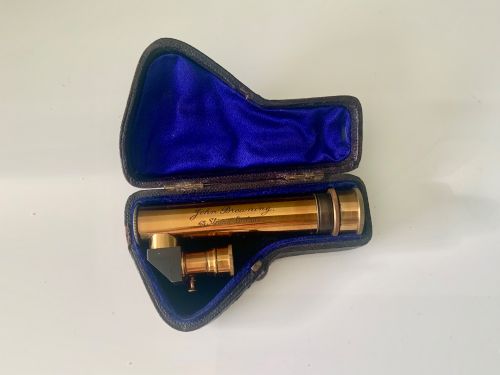
Negretti & Zambra·Nairne & Blunt·John Browning·De Grave Short & Co·W&S Jones
The Scientific Antiques Glossary
- Barograph
- A self-recording aneroid barometer that traces atmospheric pressure onto a revolving paper chart over the course of a week. These devices usually feature clockwork drums housed in oak or mahogany cases.
- Theodolite
- A precision instrument mounted on a tripod for measuring horizontal and vertical angles in surveying and civil engineering. Early examples feature complex brass vernier scales and spirit levels.
- Orrery
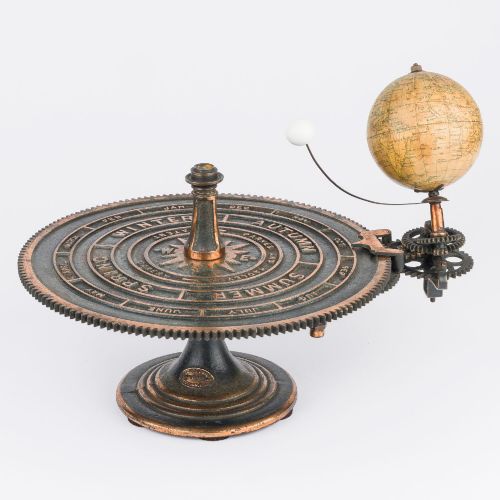
- A mechanical model of the solar system that illustrates the relative positions and motions of planets and moons around the sun. These educational devices often utilise brass gear trains operated by a manual crank.
- Aneroid barometer
- A portable device for measuring atmospheric pressure without using liquid mercury, relying instead on a flexible metal capsule. Pocket versions frequently double as altimeters for mountaineers and surveyors.
- Linen loupe
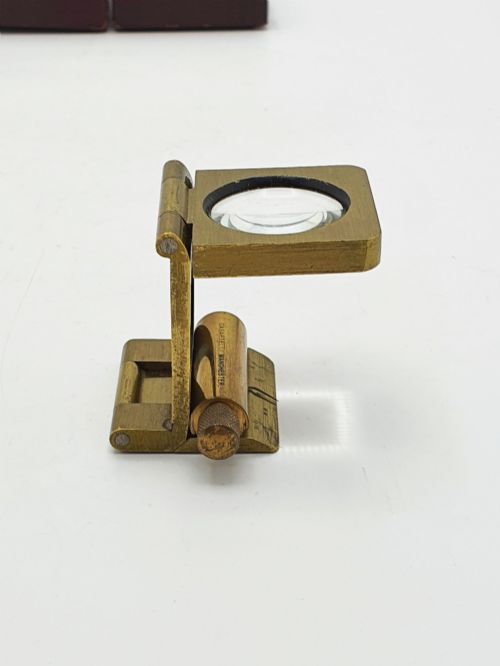
- A small folding magnifier originally utilised in the textile trade to inspect the weave count of fabrics. Examples often incorporate brass frames and integrated measuring scales.
Scientific Antiques: Frequently Asked Questions
How do I operate a vintage barograph?
A barograph operates via a clockwork drum that rotates once every seven days while an inked arm records atmospheric pressure fluctuations onto a paper chart. Winding the internal clock mechanism carefully and replacing the ink nib ensures continuous mechanical recording.
Paper charts must be changed weekly to maintain accurate meteorological logs, and the brass leveling feet should be adjusted so the bed remains entirely horizontal on a stable surface.
Can antique pocket barometers still measure altitude?
Pocket barometers and altimeters from the late nineteenth century remain mechanically capable of tracking barometric changes associated with altitude. However, changes in ambient weather patterns will influence the reading alongside physical elevation.
These delicate instruments require professional recalibration if used for active hiking, though many collectors prefer to preserve them as historical desk pieces rather than field tools.
How do I clean brass scientific instruments?
Cleaning antique brass requires minimal intervention to preserve the natural aged patina and original lacquer applied by the maker. Heavy chemical polishes should be avoided because they strip away historical surface oxidation and erase fine engraving details.
A soft, dry microfiber cloth is generally sufficient to remove surface dust from brass bodies, glass lenses and wooden storage cases.
What is the difference between a telescope and a spyglass?
A spyglass typically refers to a compact, multi-draw portable telescope designed for quick deployment by travellers, mariners and military officers. These collapsible units prioritize portability over high magnification.
Larger telescopes, such as library or field models, often require dedicated wooden tripod stands and feature more complex lens configurations for stationary observation.