


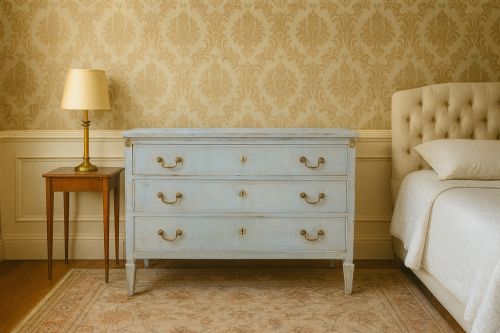

Scandinavian Wooden Chest
A scandinavian wooden chest brings practical storage and regional character into a room through painted pine or figured birch.
Scandinavian Wooden Chest
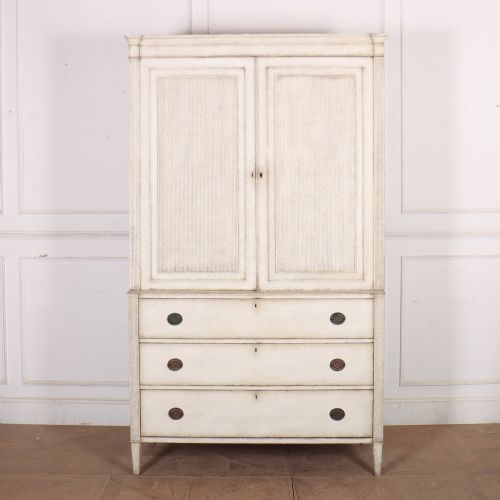
When you search for a scandinavian wooden chest, you encounter a varied group of storage forms including rustic blanket boxes, strong boxes, marriage chests, and tall chests of drawers. These pieces hail primarily from the eighteenth and nineteenth centuries, reflecting the domestic needs of Swedish and broader Scandinavian households.
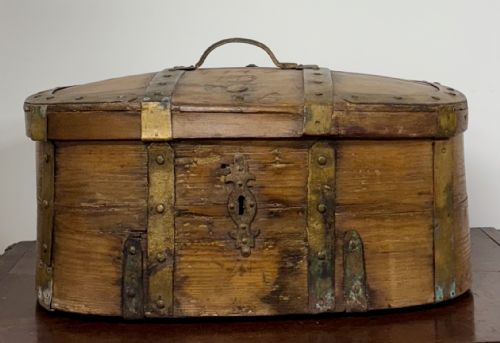
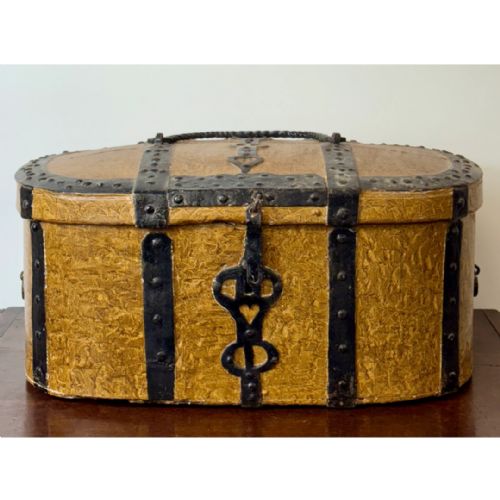
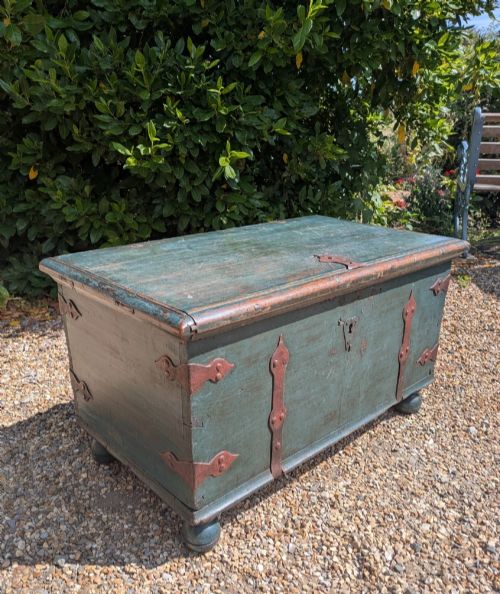
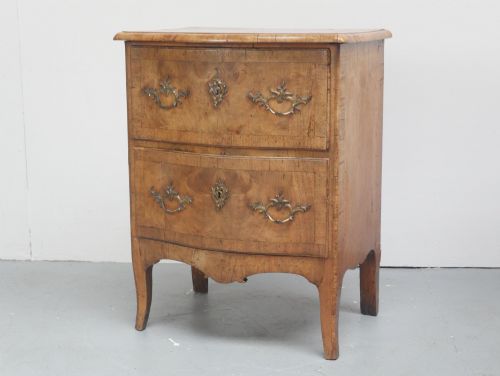
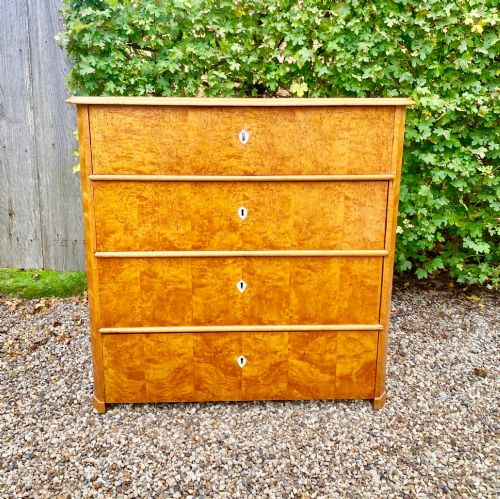
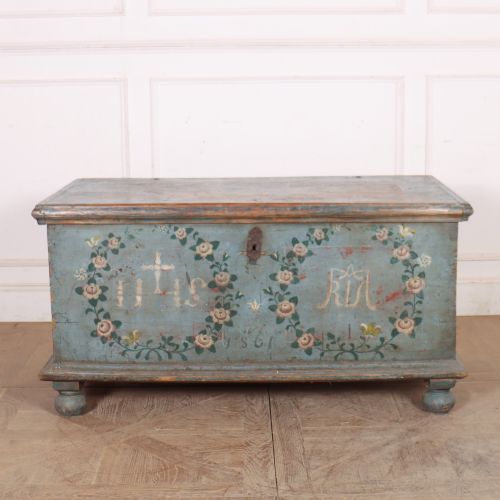
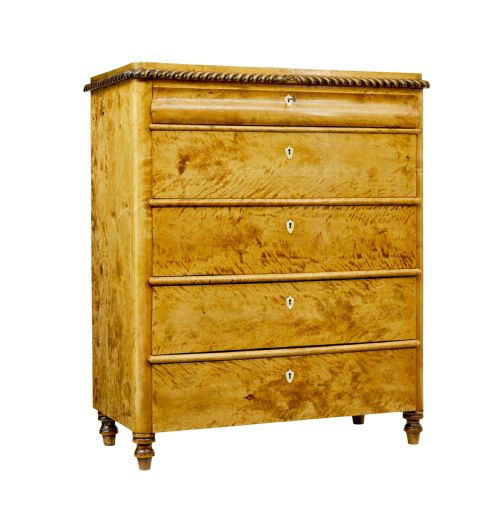
The most common examples on this page are pine boxes finished with hand-painted decoration, alongside sturdy chests of drawers rendered in birch or satin birch. Alongside these domestic storage units, you will spot specialised items such as shaped strong boxes and marriage chests dated to the mid nineteenth century.
Originating in northern European traditions, these items range from simple folk art pieces meant for everyday utility to neoclassical commodes and polished Biedermeier secretaires. Each type served a specific function in the home, from holding linens and valuables to organising personal papers and garments.
How they were made
Joiners and country craftsmen built these pieces predominantly using native softwoods like pine and hardwoods such as birch, oak, and elm. Panels were joined using traditional methods and reinforced where necessary with hand-forged iron strapwork or brass fittings.
Surface decoration played a major role in the construction process, with artisans applying layers of paint, graining, or simulated birch finishes to pine carcases. Specialised boxes often received intricate hand-painted folk art motifs or shaped profiles cut directly from the solid timber.
Listings feature pieces spanning the eighteenth and nineteenth centuries, alongside items from the 1850s, 1860s, 1870s, and 1930.
What varies in quality
Quality in these pieces rests upon the precision of the joinery and the integrity of the original surfaces, distinguishing simple utilitarian containers from sophisticated workshop productions. The execution of hand-forged ironwork and the delicacy of painted folk art ornament dictate the visual standing of each piece.
The choice of timber creates a distinct hierarchy, moving from basic rustic pine through to figured satin birch and meticulously matched veneers on neoclassical or Biedermeier commodes. Well-preserved original paintwork and clear regional characteristics elevate an item far above later or heavily restored equivalents.
Gemla Fabrikers
The Scandinavian Wooden Chest Glossary
- Marriage chest
- A celebratory storage chest commissioned for a wedding, frequently inscribed with dates and initials alongside painted folk art. These pieces held the bride's dowry and linens.
- Strong box
- A heavy storage box built for securing valuables, reinforced with iron strapwork and fitted with robust locks. They were essential for protecting money and important documents.
- Gustavian
- The Swedish neoclassical style spanning the late eighteenth century, characterised by restrained proportions and lighter painted finishes. It drew inspiration from French Louis XVI design.
- Biedermeier
- A central European and Scandinavian style emphasising clean lines and domestic comfort over excessive ornamentation. It favoured the natural grain of woods like birch.
- Caddy top
- A raised, stepped lid profile commonly found on top of chests of drawers and boxes. This shaping adds architectural definition to the upper surface.
Scandinavian Wooden Chest: Frequently Asked Questions
What is a marriage chest?
A marriage chest is a traditional storage trunk commissioned to mark a wedding, often bearing painted initials, dates, and folk art motifs. Families used them to store the domestic linens and household goods brought to the union.
These pieces occupy a distinct place in Scandinavian craft history, combining utility with sentimental and artistic value. They remain recognizable by their celebratory inscriptions and careful painted decoration.
How do I care for painted pine?
Painted pine surfaces require stable indoor humidity and protection from direct sunlight to prevent the historic paint from fading or flaking. Dusting gently with a dry, soft cloth is sufficient for routine maintenance.
Avoid using modern chemical cleaners, abrasive cloths, or excessive moisture on these antique finishes. Preserving the original paint layer is essential for maintaining the character and historical integrity of the piece.
What is a Gustavian commode?
A Gustavian commode is a Swedish neoclassical chest of drawers dating from the late eighteenth century. These pieces exhibit restrained lines, symmetrical proportions, and pale painted finishes inspired by French design.
They serve as functional storage furniture while introducing a lighter aesthetic to a room. Their refined carving and pale tones distinguish them from heavier rustic pieces.
How do I distinguish birch from pine?
Birch is a hard timber featuring a tighter grain pattern and often a warm, golden honey tone with subtle figuring. Pine is a softer softwood with prominent growth rings and knots, typically lighter in its natural state.
While pine was frequently painted or grained, birch was often left exposed and polished to highlight its natural grain. This difference in material directly influenced whether a piece received a painted finish or a clear polish.