
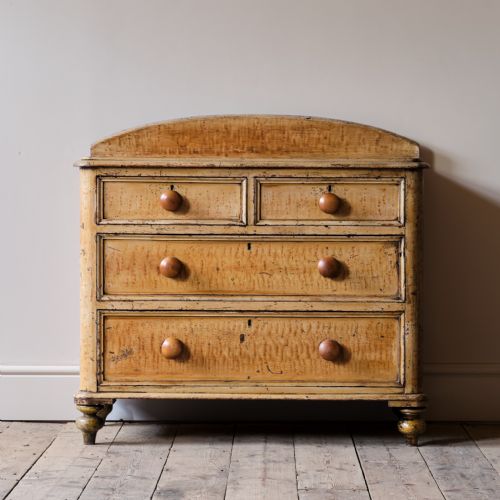
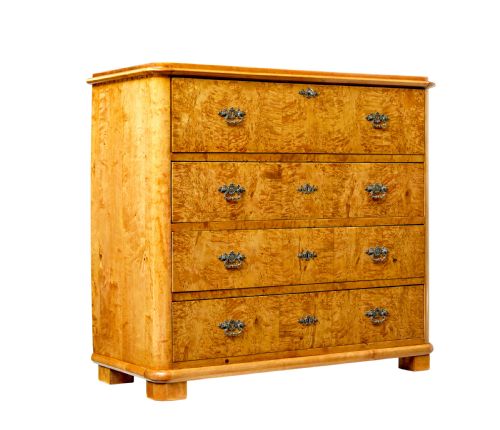
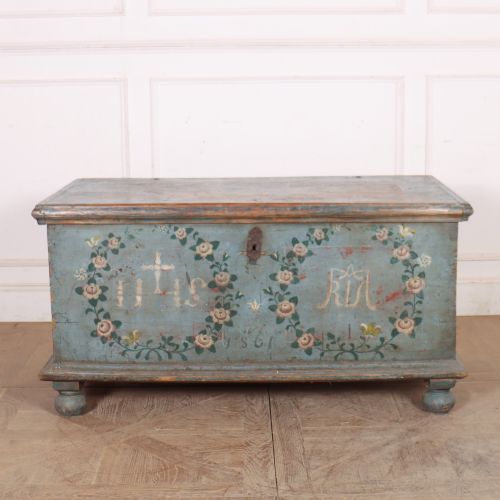
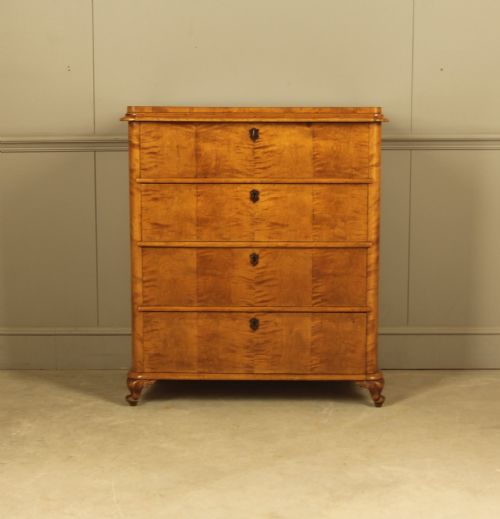
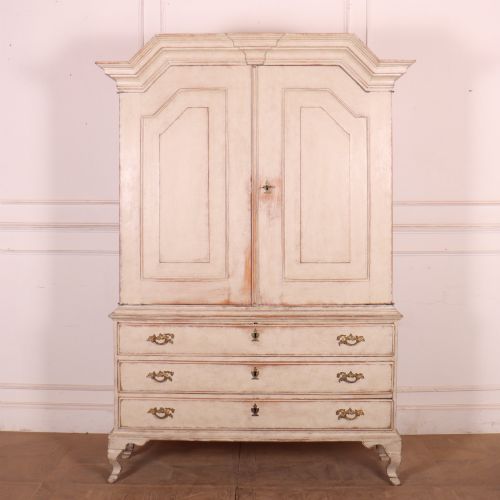


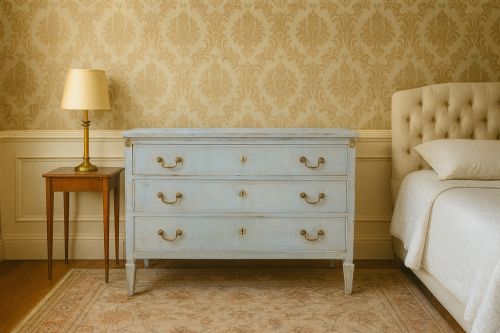

Scandinavian Storage Chest
A scandinavian storage chest brings practical utility and rich painted character into a room, offering robust housing for household linens and dry goods.
Scandinavian Storage Chest
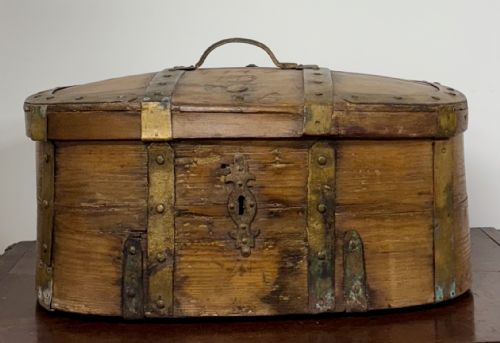
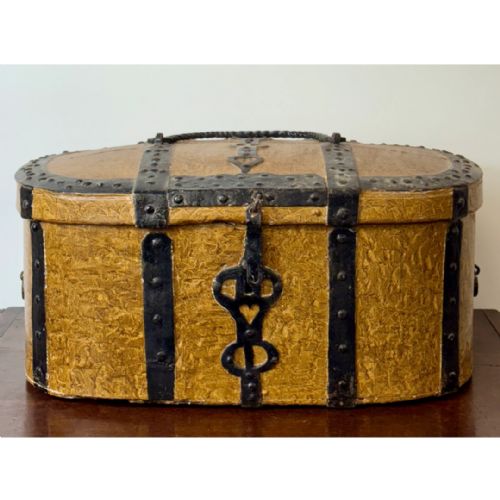
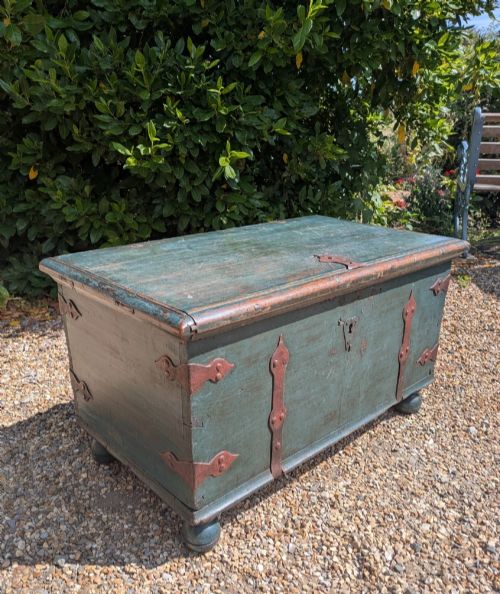
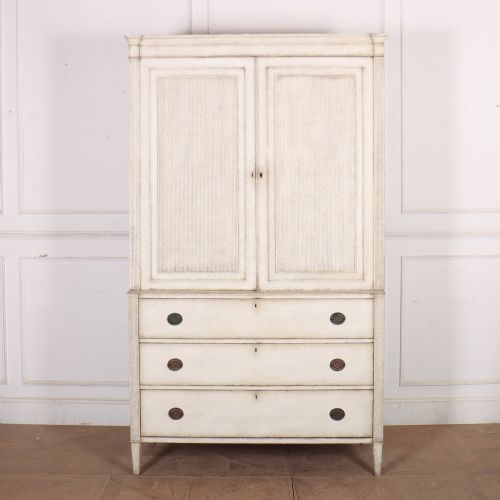
A scandinavian storage chest encompasses everything from heavy trunk and coffer forms to multi-drawer chests, marriage pieces, and smaller tabletop boxes. Buyers searching this phrase meet mostly nineteenth-century items alongside eighteenth-century examples, built in pine, oak, and various birch timbers.
The regional variations lean heavily towards Swedish and broader Scandinavian rural traditions, with painted pine blanket boxes and dome-top coffers appearing frequently. Alongside these rustic storage boxes, one finds formal chests of drawers in burr birch, flame birch, and tiger birch.
Functional utility dictated the original making of these objects, serving households as strong boxes, linen cupboards, and commodes. Surviving pieces range from simple folk art painted containers to neoclassical Gustavian commodes and Empire revival designs.
How they were made
Makers constructed these pieces predominantly from solid pine, oak, and birch, utilising durable timbers suited to local forestry. Surface decoration often involved layers of paint, graining, or hand-painted folk motifs applied over the timber ground.
Ironwork played a structural and decorative role, with hand-forged strapwork, hinges, and corner brackets securing the heavy trunk lids and coffer joints. Brass hardware also appears on finer drawer units from the nineteenth century.
Several marriage chests retain painted initials and wedding dates from the 1860s, quietly waiting for their next household celebration.
What varies in quality
The distinction between standard utility items and exceptional pieces rests upon the integrity of the original paint surface and the fineness of the timber figure. Burr, tiger, and flame birch veneers or solids demand precise cabinetmaking skill, whereas folk art pieces rely on the character of the hand-painted decoration.
Structural joinery and the survival of original hand-forged iron strapwork or brass hardware separate untouched examples from heavily restored or altered pieces.
The Scandinavian Storage Chest Glossary
- Coffer
- A large heavy box used for storing valuables or household goods, often featuring a flat or dome top. These pieces typically rely on sturdy timber construction and iron reinforcement.
- Gustavian
- The Swedish neoclassical style spanning the late eighteenth century, characterised by restraint, symmetry, and pale painted finishes. Such pieces often draw inspiration from French Louis XVI designs interpreted through a Nordic lens.
- Marriage chest
- A celebratory storage piece commissioned or gifted for a wedding, frequently inscribed with dates, initials, or symbolic folk art painting. Pine and oak served as the common base materials for these domestic monuments.
- Strapwork
- Decorative or reinforcing bands of iron or brass applied across the exterior of trunks and chests. Hand-forged examples add significant visual weight and structural security to early boxes.
Scandinavian Storage Chest: Frequently Asked Questions
Where were these chests used?
These pieces served primary storage functions in domestic interiors, farmhouses, and grander Nordic homes. They held heavy textiles, winter woollens, silver, and important documents.
Trunks and coffers often sat at the foot of beds or in hallways, while multi-drawer chests functioned in bedrooms and parlours for daily clothing organisation.
How do I identify original paint?
Original paint surfaces show natural wear, mellow patina, and multiple underlying layers that reveal age under close inspection. Brush marks and pigment consistency match historical crafting methods.
Modern repainting or heavy restoration usually lacks the subtle crazing and integration with the timber grain found on untouched eighteenth and nineteenth-century pieces.
How do I care for antique pine?
Antique pine and painted surfaces require stable indoor humidity levels away from direct heat sources and strong sunlight. Sudden temperature shifts cause timber to warp and paint to flake.
Dusting with a dry, soft cloth preserves the finish. Avoid modern chemical polishes that strip fragile historic wax or oil layers.