




Scandinavian Painted Drawers
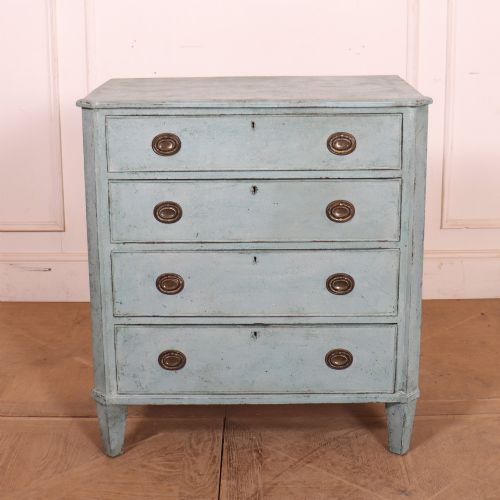
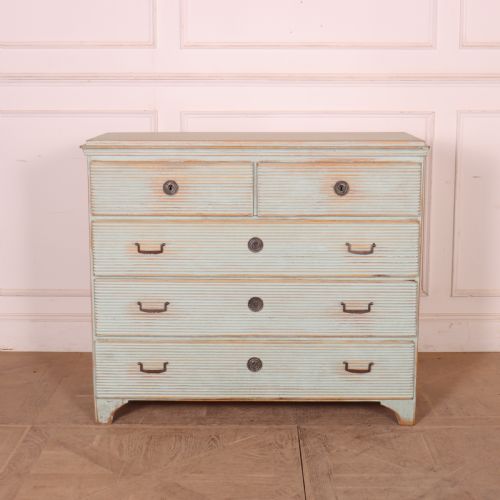
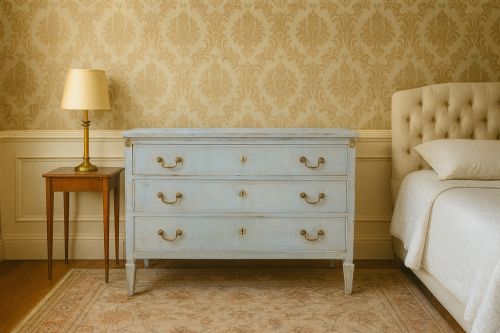
Scandinavian painted drawers bring character to a room through weathered pigment and practical storage.
Scandinavian Painted Drawers
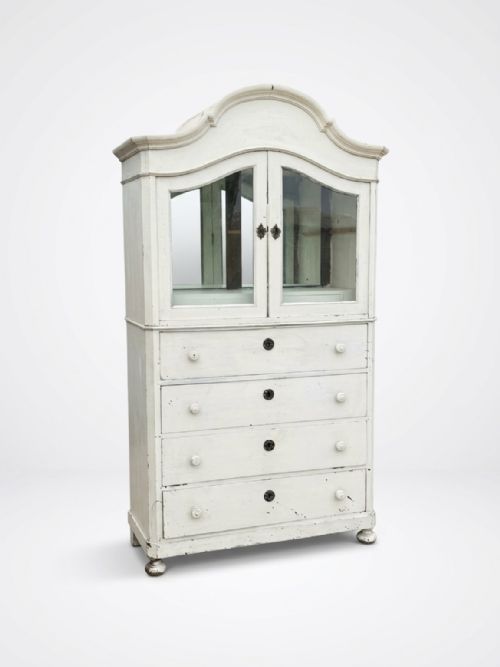
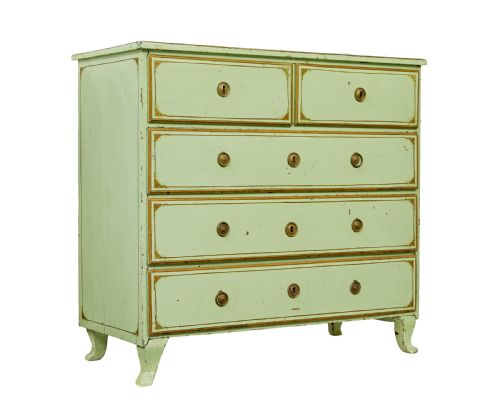
When you search for scandinavian painted drawers, you are looking at storage pieces originating from Sweden and Denmark, spanning the eighteenth and nineteenth centuries. These items include chests of drawers and commodes built to hold linen and household goods.
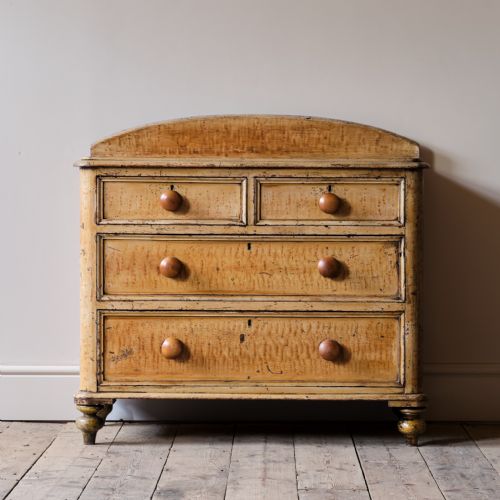
The version you are most likely to meet on this page is the nineteenth century pine chest, often finished in original paint that shows the wear of decades. Gustavian influences and serpentine fronts appear frequently alongside simpler country styles.
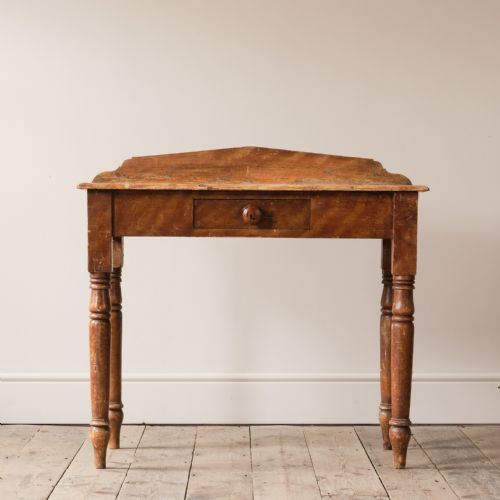
Makers ranged from local workshops producing rustic country pieces to larger factories applying simulated finishes like birch. The selection reflects both formal neoclassical design and robust folk art traditions.
Materials and construction
Makers relied primarily on pine and softwood for the carcase and drawer structures, using oak in earlier eighteenth century examples. Boards were joined simply and solidly to withstand daily use in northern European homes.
Surfaces were finished with paint, sometimes hand painted or layered over time to create patinated textures. Brass and iron hardware completed the construction, securing the drawers and doors.
Scandinavian Painted Drawers Retail Price Guide 2026
Typical asking prices for scandinavian painted drawers among the pieces listed under this phrase on Sellingantiques today, from the lower quarter to the upper quarter. They describe what is for sale here now, not the wider market.
Some nineteenth century makers enjoyed painting pine so convincingly that buyers still mistake soft timber for birch.
Judging quality
Quality rests in the survival of the original surface and the crispness of moulded details like fluted drawer fronts. Pieces with untouched historic paintwork command greater respect than those stripped or heavily repainted later.
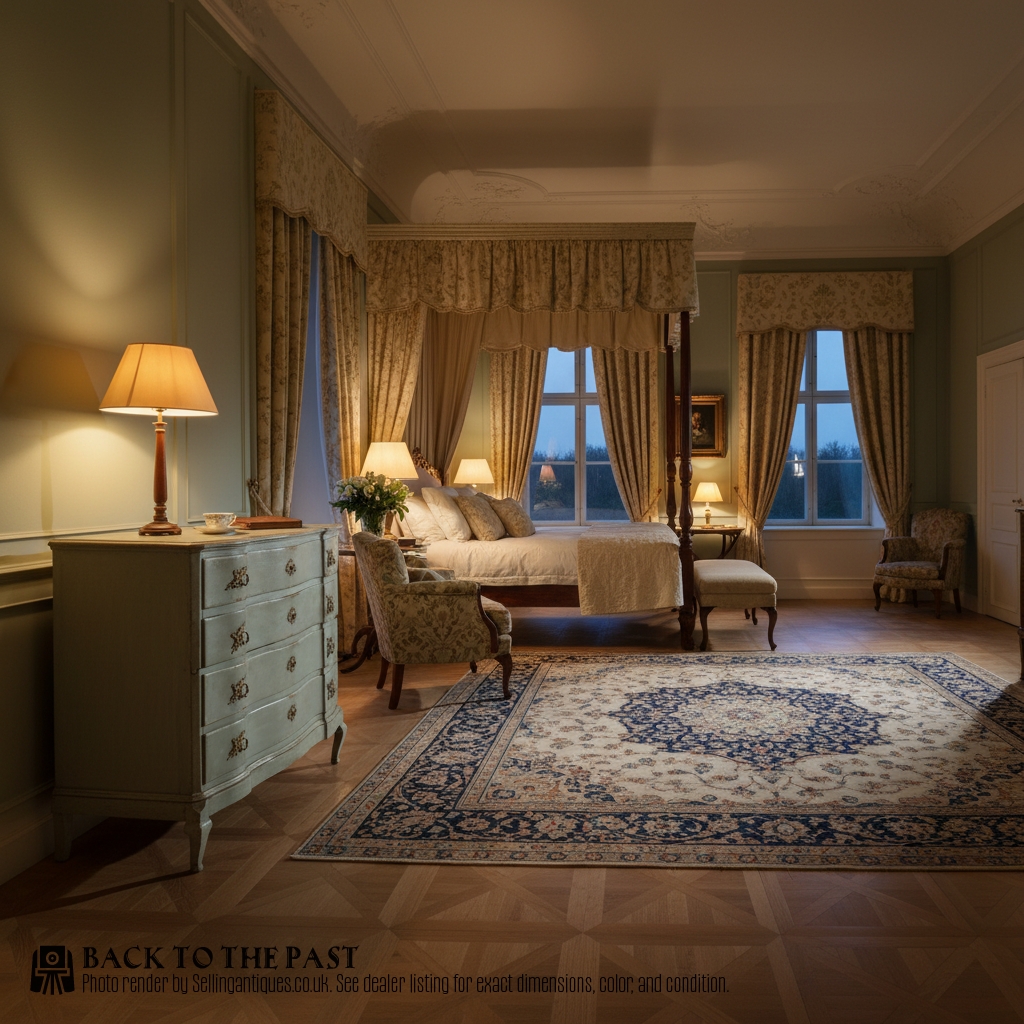
Proportion and form dictate the distinction between standard country utility pieces and finer neoclassical commodes. Serpentine shapes and well-executed simulated finishes require a higher level of joiner skill.
Gemla Fabrikers
The Scandinavian Painted Drawers Glossary
- Commode
- A low chest of drawers or cabinet designed in a formal European style. These often feature curved serpentine fronts and decorative painting.
- Gustavian
- The Swedish neoclassical style spanning the late eighteenth and early nineteenth centuries. It brings restrained symmetry and lighter colour palettes to furniture design.
- Serpentine
- A shape describing a front edge that curves outward in the centre and inward at the sides. This profile requires careful shaping of the wood and drawer fronts.
- Simulated birch
- A painted finish designed to imitate the appearance of expensive timber using simpler woods. Artisans applied pigments to pine to create realistic grain patterns.
- Original paint
- The earliest layer of decorative pigment applied to the timber surface during its period of manufacture. Collectors prize this condition for its authentic historic character.
Scandinavian Painted Drawers: Frequently Asked Questions
How do I clean painted furniture?
Dust surfaces regularly with a dry, soft cloth to prevent grime accumulation. Avoid harsh chemical cleaners that strip historic paint layers.
Maintain stable indoor humidity levels to protect the underlying pine from splitting or warping. Gentle care preserves the original decorative finish for years to come.
Are these pieces suitable for daily bedroom use?
These chests offer deep drawers and sturdy construction ideal for storing clothing and linens. Their historic charm brings warmth and practical storage to modern interiors.
Check drawer runners and internal depths to ensure they meet your specific storage needs. Most nineteenth century pieces function as reliably today as they did originally.
How can I tell eighteenth and nineteenth century pieces apart?
Earlier eighteenth century examples often utilise denser hardwoods like oak alongside baroque styling and heavier mouldings. Pine becomes the dominant material by the nineteenth century, paired with simpler country or Gustavian aesthetics.
Hardware styles and construction joints also offer clues to the decade of manufacture. Neoclassical motifs point towards the late seventeen-hundreds, while simpler pine chests frequently date from the eighteen-hundreds.
What does original paint mean?
Original paint refers to the earliest decorative coating applied when the furniture was first made. This layer shows natural wear, softening the appearance of the pigment.
Subsequent repainting alters the historic integrity and value of the piece. Collectors look for the subtle crackle and patina of the initial surface.