
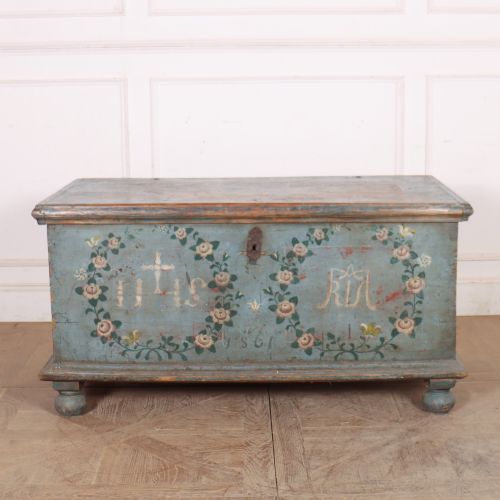


Scandinavian Painted Box
A scandinavian painted box brings hand-crafted folk tradition and practical storage into a room.
Scandinavian Painted Box
When you search for a scandinavian painted box, you encounter items designed for domestic storage across rural communities. These pieces range from small table-top containers and oval strong boxes to large marriage chests and blanket boxes.
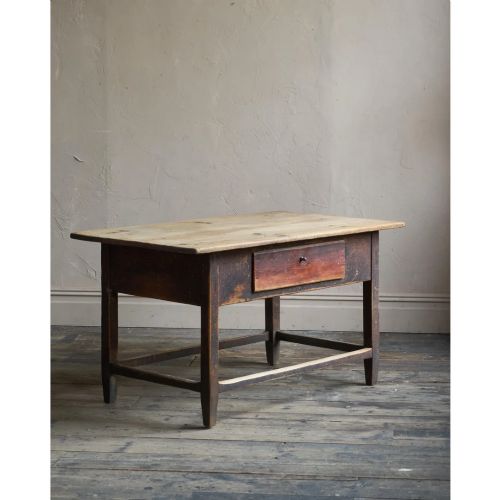
The objects frequently date from the eighteenth and nineteenth centuries, originating primarily from Sweden and Norway within folk art and rustic farmhouse traditions. Alongside smaller boxes, related forms such as coffers, benches with storage compartments, and occasional tables appear.
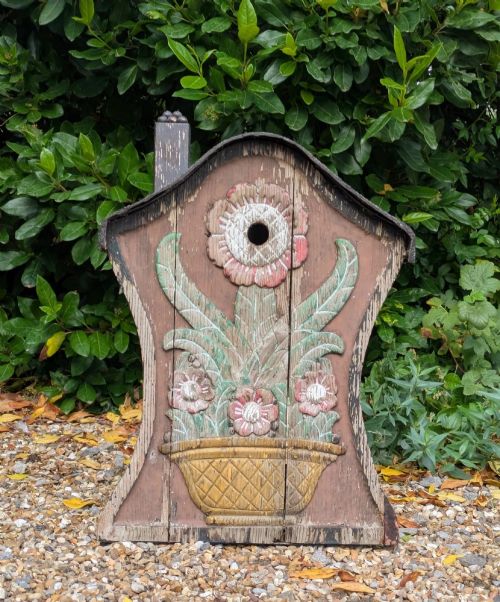
Makers constructed these items for everyday utility, often utilising pine as the primary timber. Surviving examples display hand-painted decoration, ranging from simple pigmented finishes to elaborate floral motifs and labyrinth designs.
How they were made
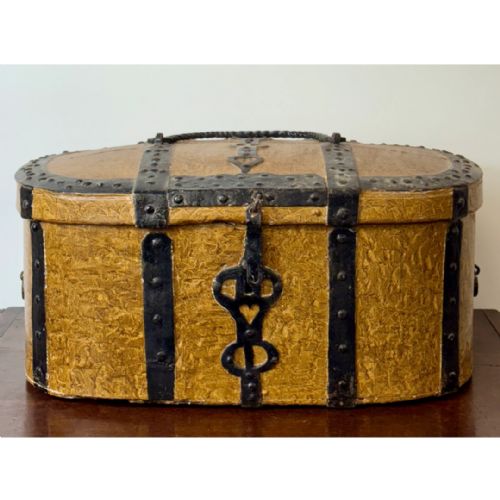
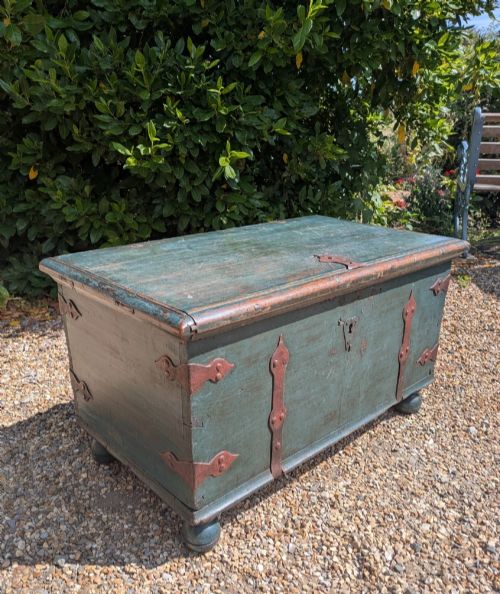
Joiners built these containers predominantly from solid pine, shaping panels to form rectangular, oval, or dome-top profiles. Workshops incorporated hand-forged iron and wrought iron strapwork, hinges, and corner brackets to reinforce the joints.
Decorators applied liquid pigment paint directly to the wooden surfaces, sometimes utilising graining techniques or intricate pinwork decoration. These painted finishes served to protect the softwood while expressing regional folk art styles.
What varies in quality
The survival and originality of the painted surface dictate the visual impact of each piece. Surviving examples with untouched nineteenth-century or eighteenth-century pigment carry greater historical weight than later repainted surfaces.
Construction methods also distinguish standard utility containers from finer bespoke commissions. Items featuring hand-forged iron strapwork, dovetail joints, or sophisticated folk art painting demonstrate higher levels of regional craftsmanship.
The Scandinavian Painted Box Glossary
- Strong box
- A heavy storage chest designed with secure iron fastenings and locks for valuable household goods. These containers often feature reinforced hinges and heavy strapwork.
- Marriage chest
- A large painted coffer commissioned to mark a wedding, frequently inscribed with initials and dates. These pieces served to hold the bride's dowry textiles.
- Tine
- A traditional Norwegian wooden food box constructed with bentwood sides and overlapping fingers secured by pins. These cylindrical or oval vessels often display traditional folk painting.
- Grained paint
- A decorative surface treatment applied to imitate the appearance of more expensive timbers such as oak or walnut. Painters used combs and brushes while the pigment remained wet to create the illusion of wood grain.
- Strapwork
- Decorative or reinforcing bands of iron attached across the exterior of a chest. These metal strips provide structural strength while adding linear pattern to the box.
Scandinavian Painted Box: Frequently Asked Questions
How old are these painted boxes?
Most surviving examples date from the eighteenth and nineteenth centuries, reflecting the peak of rural folk art production in Scandinavia. Artisans constructed them during periods when painted softwood furniture dominated domestic interiors.
Specific dates sometimes appear painted directly onto the exterior alongside initials or marriage ciphers. Stylistic details and ironwork provide further clues to the decade of manufacture.
What wood was used?
Pine serves as the predominant timber across these domestic containers, chosen for its availability and ease of working in rural workshops. Oak appears occasionally in sturdier strong boxes designed for heavier contents.
Carpenters relied on local softwoods for the structural panels, pairing them with hand-forged iron fittings. The uniform pine surfaces provided a smooth ground for the application of pigmented paint.
Are the painted surfaces original?
Many surviving pieces retain their first layer of pigmented paint, often showing natural wear from generations of domestic use. Pinwork decoration and surface craquelure help confirm the age of the finish.
Some items received later overpainting or touch-ups during their working lives to refresh faded colours. Examining the integration between the paint layers and the underlying pine helps determine the history of the surface.
How were they used?
Families utilised these containers for storing textiles, winter garments, dry foodstuffs, and valuable household documents. Larger dome-top coffers and marriage chests functioned as central furniture pieces in farmhouses.
Smaller oval strong boxes and table-top chests kept personal items secure and organised. Their portable nature allowed owners to transport belongings safely across rural regions.