



Scandinavian Country Furniture
Scandinavian country furniture brings robust pine and weathered painted surfaces to domestic interiors.
What Scandinavian country furniture is
Scandinavian country furniture encompasses nineteenth-century utilitarian and domestic pieces originating from Sweden and Denmark. Buyers searching for scandinavian country furniture encounter robust storage items, dining furniture and seating designed for practical rural households.
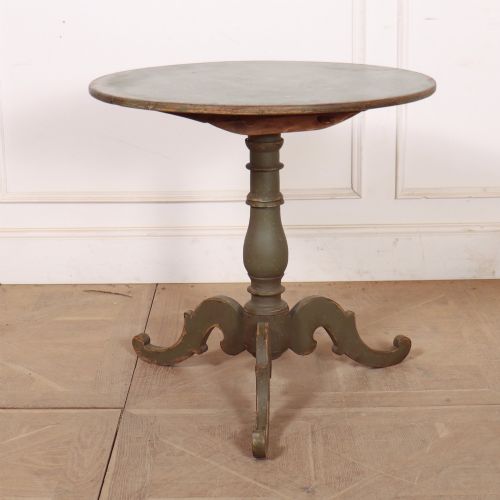
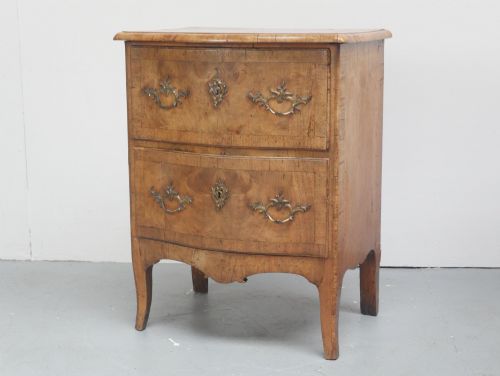
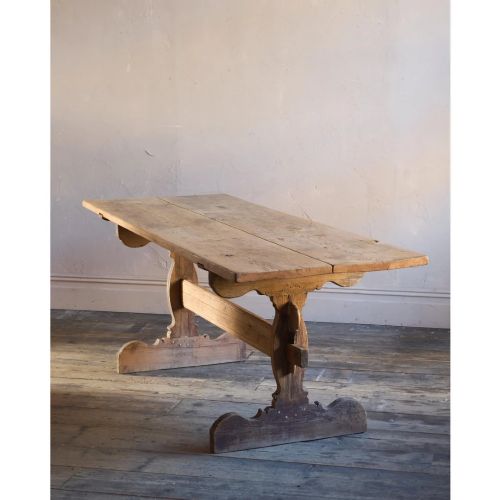
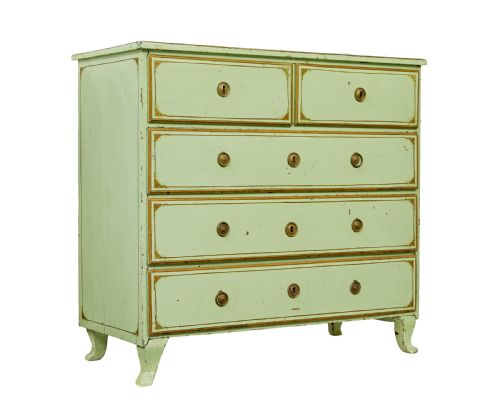
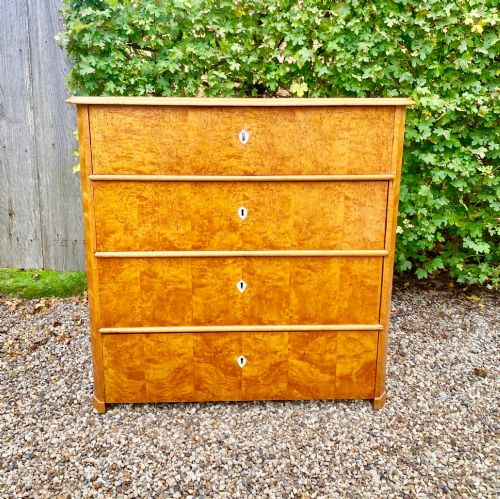
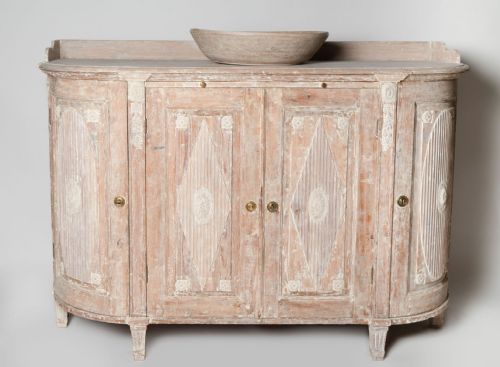
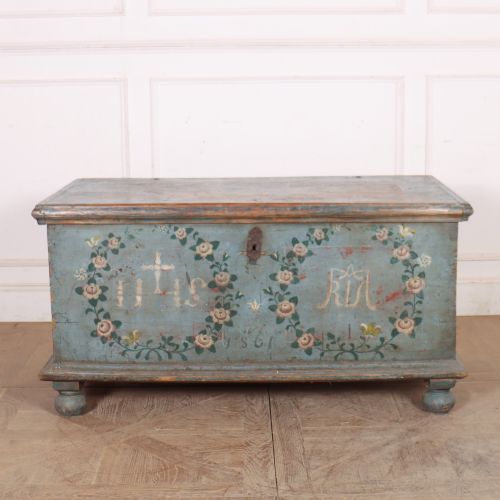
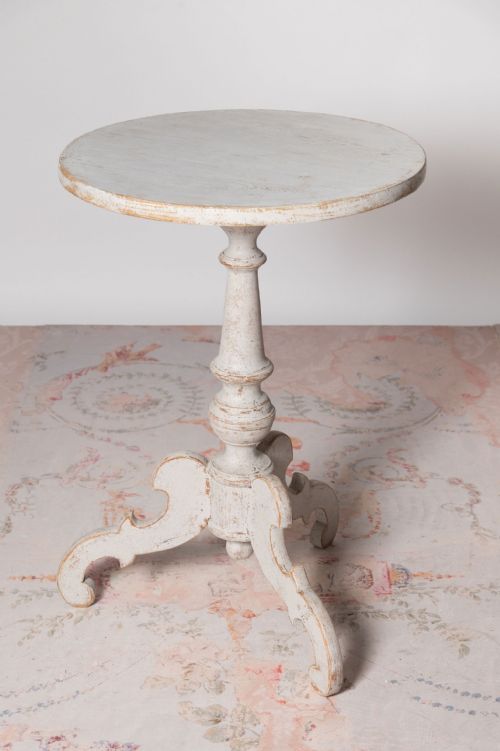
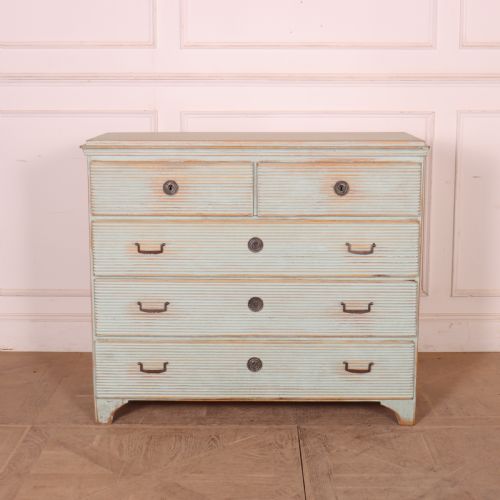
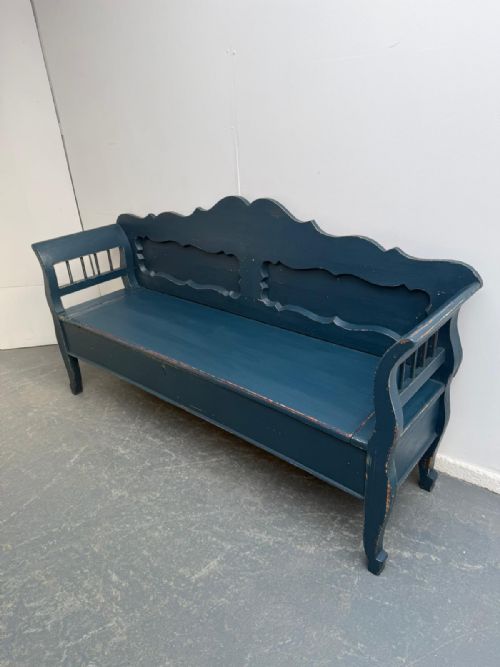
The selection centres on nineteenth-century forms including cupboards, cabinets, commodes, drop-leaf dining tables, occasional tables and childs armchairs. These pieces reflect regional vernacular traditions focused on everyday utility rather than formal court aesthetics.
Swedish and Danish origins dominate the available items, showcasing distinct regional interpretations of country craftsmanship. Forms range from kitchen clock cupboards and commodes to rustic armchairs and extended dining tables.
How they were made
Makers utilised softwoods, predominantly pine, as the primary structural material for constructing these domestic furnishings. Iron and brass hardware such as hinges and locks provide functional reinforcement and closure across cabinets and chests.
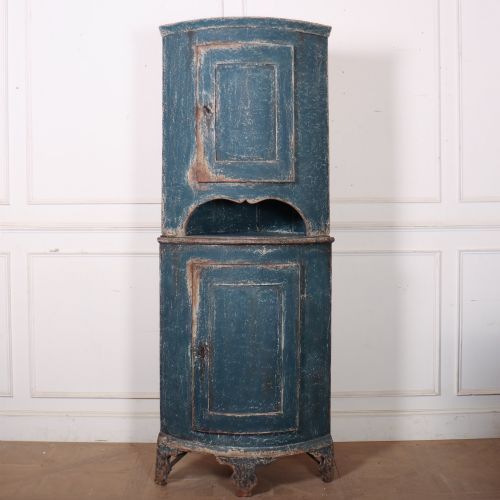
Surfaces frequently feature painted finishes, including original scraped paint that reveals earlier decorative layers beneath. Natural timber sits alongside layered painted softwood, combining structural pine with protective and decorative coatings.
Retail Price Guide 2026
Typical UK retail prices for scandinavian country furniture, calculated from the Sellingantiques database of over a million retail prices indexed since 2003. This retail price guide relies exclusively on Sellingantiques data; no external sources or auction records are used, so the figures do not describe the wider market.
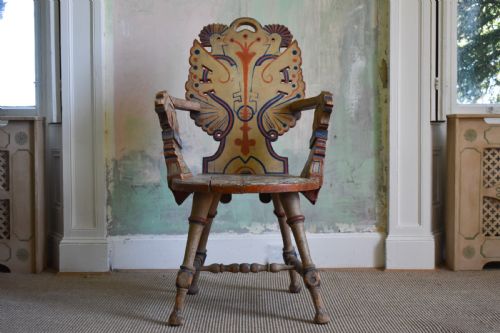
A tiny childs armchair waits patiently for someone half its size to arrive.
What varies in quality
The integrity of original surface treatments marks the primary distinction between standard examples and superior survivals. Pieces retaining authentic scraped paint finishes display greater historical depth than those stripped or repainted in later periods.
Construction methods and timber selection determine structural longevity among nineteenth-century utilitarian items. Heavier joinery and carefully proportioned hardware elevate the standing of individual cupboards and tables.
The Scandinavian Country Furniture Glossary
- Pine
- A softwood commonly utilised throughout nineteenth-century Scandinavian rural cabinet-making. It provides a lightweight yet resilient base for painted domestic furniture.
- Scraped paint
- A surface condition where layers of historical paint are partially revealed through intentional scraping. This technique exposes the chronological depth of a piece's decorative history.
- Slagbord
- A traditional Scandinavian drop-leaf dining table supported by swing legs. These tables offer flexible surface area for rural kitchens and dining spaces.
- Commode
- A low cabinet or chest of drawers designed for domestic storage. Continental examples often incorporate shaped fronts and painted finishes.
- Gustavian
- A Swedish neoclassical style that influenced Scandinavian design with restrained ornamentation and lighter colour palettes. It represents a more formal counterpoint to rustic country pieces.
Frequently Asked Questions
What is Scandinavian country furniture?
Scandinavian country furniture comprises nineteenth-century practical furnishings made primarily from pine and painted softwood in Sweden and Denmark.
These items include storage cupboards, dining tables, commodes and armchairs designed for everyday rural domestic life.
How do I identify original paint?
Original painted surfaces show natural wear patterns, integrated patination and multiple underlying layers visible beneath the top coat.
Scraped paint finishes reveal historical colour schemes accumulated across the nineteenth century rather than uniform modern applications.
What materials were used?
Makers relied heavily on pine and painted softwood for the main bodies of tables, cupboards and seating.
Iron and brass components such as hinges, latches and locks were incorporated to ensure structural durability in daily use.
Where were these pieces made?
The pieces originate from nineteenth-century rural households and workshops across Sweden and Denmark.
Regional vernacular traditions shaped the distinct forms of kitchen cabinets, clock cupboards and drop-leaf dining tables.
How do I live with pine furniture?
Nineteenth-century pine and painted pieces integrate easily into modern interiors by adding warmth and textural contrast through weathered timber and soft paint tones.
Maintaining stable indoor humidity protects the softwood structure and preserves fragile historical surface finishes.