
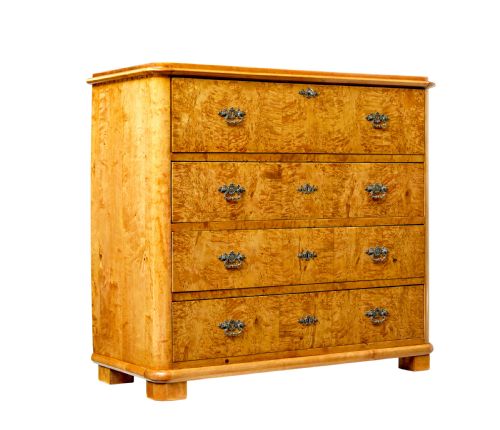


Scandinavian Birch Cabinet
Scandinavian birch cabinets bring pale warmth and clean lines to a room, spanning periods from nineteenth-century Biedermeier to mid-century modern.
Scandinavian Birch Cabinet
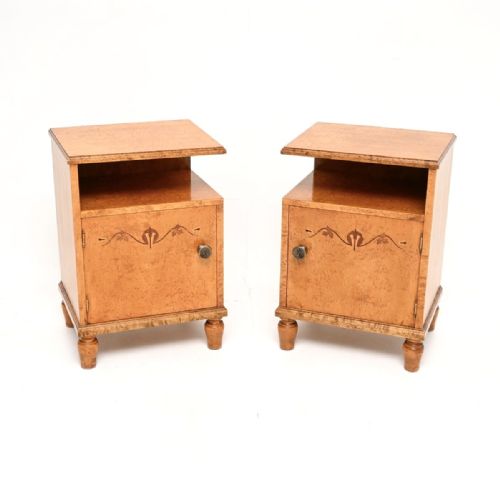
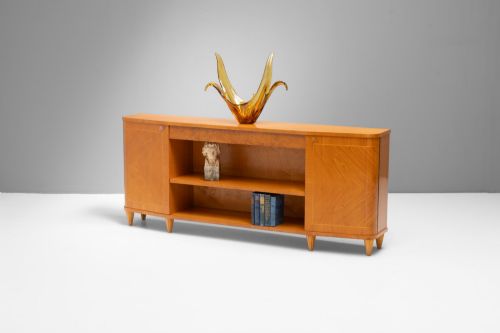
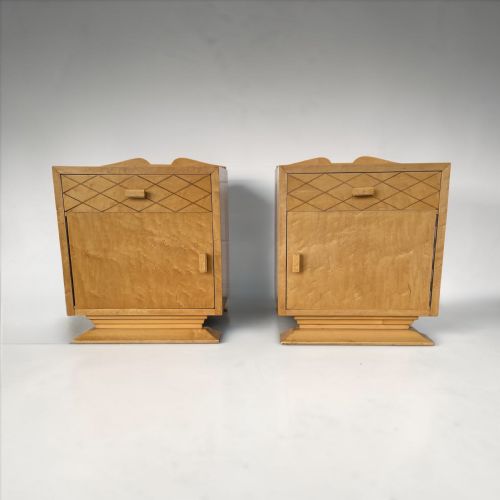
A scandinavian birch cabinet encompasses storage forms ranging from nineteenth-century secretaire chests and fitted cupboards to twentieth-century bookcases and bedside tables. The pieces on this page lean heavily toward Swedish origin, reflecting vernacular country traditions and refined urban styles like Biedermeier and Art Deco.
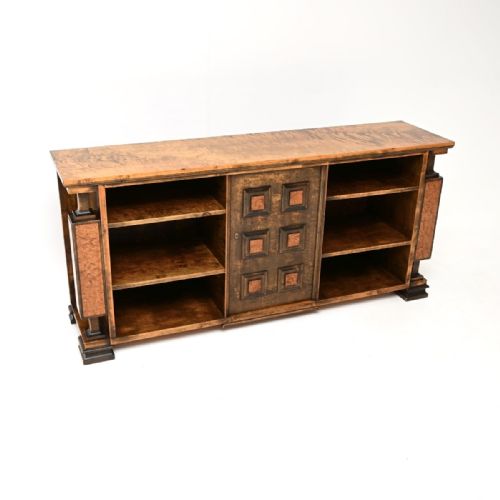
Buyers encounter solid timber alongside decorative figured veneers such as burr birch and satin birch, often paired with contrasting woods like walnut, elm, and ebonised details. Forms vary from sturdy upright bookcases and buffets to compact bedside cabinets and multi-drawer chests.
Nineteenth-century examples provide generous proportions and fitted writing compartments, while later twentieth-century iterations focus on streamlined surfaces and architectural profiles. These items serve practical storage needs while introducing distinctive northern European grain patterns to an interior.
How they were made
Cabinet makers utilised native birch timber, selecting figured sections like burr birch and satin birch for visible exterior surfaces. Veneers were carefully laid over sturdy underlying woods such as pine to create symmetrical grain patterns across doors and drawer fronts.
Construction details include hand-cut dovetails on drawer carcases and fitted internal pigeonholes in secretaires. Surfaces received smoothing and polishing to highlight the blonde luminosity of the wood, occasionally supplemented by contrasting ebonised wood details or brass hardware.
Swedish table boxes preserve centuries-old secrets in miniature, proving that grand cabinet-making skills fit comfortably on a tabletop.
What varies in quality
Quality rests upon the selection and matching of the birch veneer across primary surfaces, where symmetrical figuring elevates a piece above plain timber construction. The crispness of internal joinery, such as secret drawers within a secretaire or tightly fitted cupboard doors, indicates the level of workshop skill involved.
The integration of secondary woods and decorative accents, from marble tops to contrasting walnut or ebonised mouldings, determines the visual hierarchy between vernacular country items and high-style urban furniture. Well-preserved original surfaces retain the distinct warmth and chatoyancy of the blonde wood.
Sandberg & Co·Oscar Nilsson Nordiska Kompaniet
The Scandinavian Birch Cabinet Glossary
- Biedermeier
- A dominant nineteenth-century central European and Scandinavian style known for clean lines, utility, and emphasis on wood grain rather than heavy ornamentation. It produced practical furniture forms like secretaire chests and bookcases.
- Secretaire
- A cabinet featuring a pull-down or sliding writing flap that conceals a fitted interior of small drawers and pigeonholes. These items combine desk workspace with concealed chest storage.
- Burr birch
- A growth deformity in the birch tree that produces highly figured, swirling grain patterns. Cabinet makers prized this wood for decorative veneers on prominent surfaces.
- Satin birch
- A term applied to birch timber with a lustrous, light-reflecting grain that resembles satin. It appears frequently on nineteenth-century and Art Deco Scandinavian furniture.
- Ebonised wood
- Timber treated with a black finish to imitate ebony. Makers utilised this technique for contrasting mouldings, columns, and key escutcheons.
Scandinavian Birch Cabinet: Frequently Asked Questions
How do I identify a Biedermeier cabinet?
Biedermeier pieces rely on architectural restraint, smooth expanses of birch or burr birch veneer, and minimal carved decoration. They prioritise the natural grain of the timber over applied ornamentation.
Form follows function in these nineteenth-century items, resulting in clean silhouettes on chests, secretaires, and cupboards that integrate easily into modern spaces.
What is a secretaire chest of drawers?
A secretaire combines the functions of a chest of drawers and a desk by incorporating a hinged writing flap near the top. Lower drawers provide standard storage.
Opening the flap reveals smaller interior drawers and compartments designed for correspondence and paperwork, a popular feature in nineteenth-century Scandinavian homes.
How do I care for birch furniture?
Birch surfaces respond best to gentle cleaning with a soft, dry cloth to remove dust. Avoid placing the wood in direct sunlight or near heat sources to prevent the veneer from drying out.
Occasional application of appropriate furniture wax maintains the natural lustre of the blonde timber without building up a heavy artificial shine.
What distinguishes Art Deco Scandinavian pieces?
Scandinavian Art Deco cabinets from the nineteen-thirties feature streamlined geometries, smooth surfaces, and contrasting woods like elm or walnut paired with birch. They abandon nineteenth-century revival styles in favour of modernist simplicity.
These pieces often present low profiles, as seen in open bookcases and sideboards, focusing on functional interior layouts.