


Birch Wood Chest Drawers
These birch wood chest drawers combine Scandinavian grain patterns with sturdy proportions, offering generous storage alongside striking natural timber figuring.
Birch Wood Chest Drawers
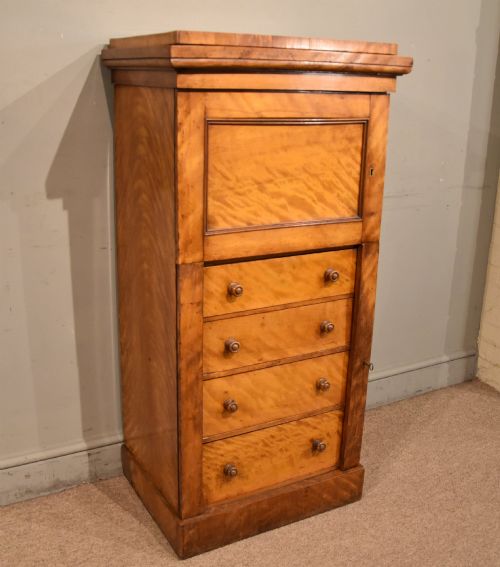
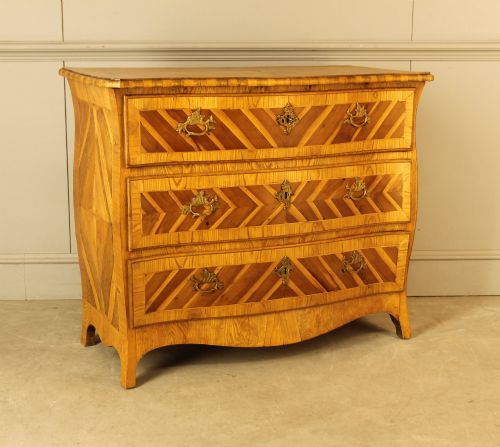
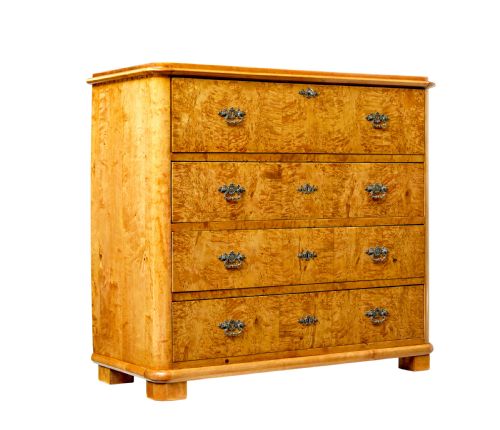
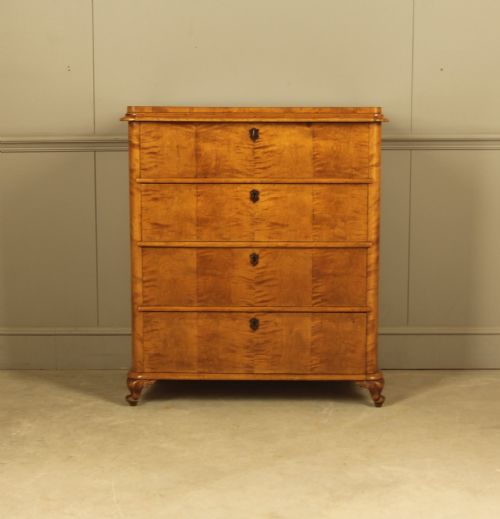
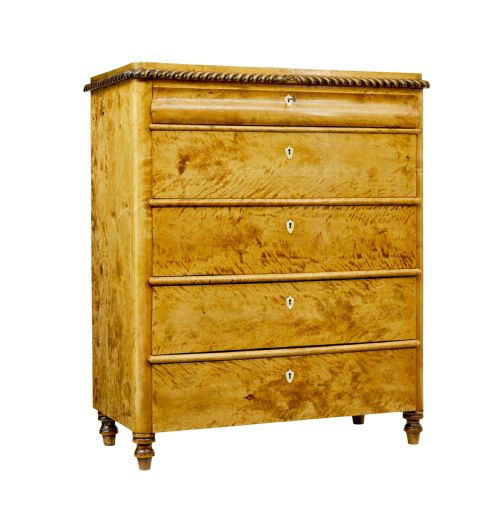
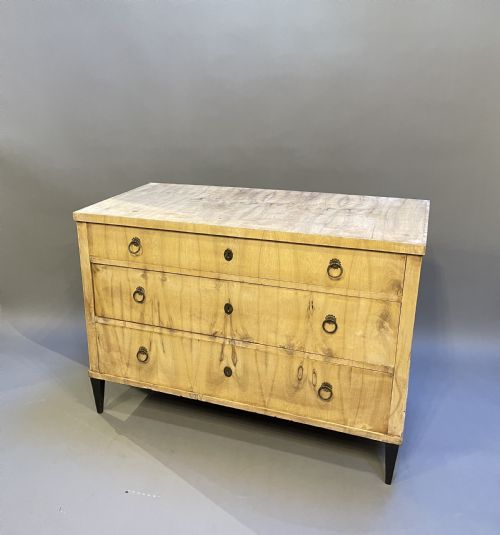
A birch wood chest drawers search uncovers a distinct majority of nineteenth-century Scandinavian examples, alongside Victorian English pieces and occasional twentieth-century items. The forms range from straightforward straight-drawer chests and Wellington chests to secretaire variations, commodes, and dressing table combinations.
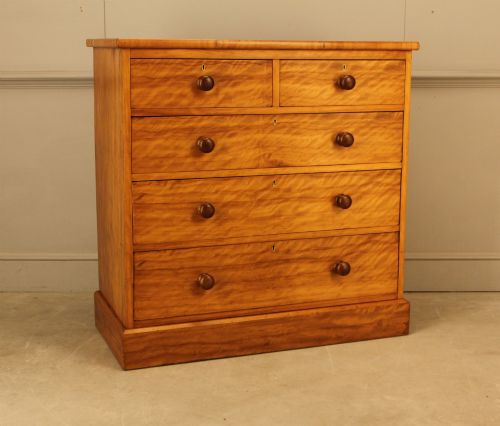
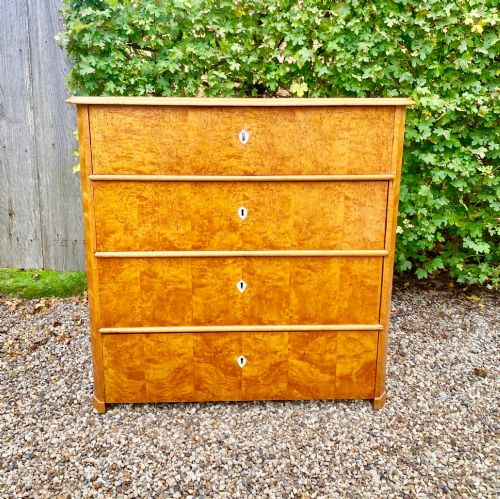
The Scandinavian pieces often display rich figuring such as flame, burr, tiger, or masur birch, whilst British examples frequently utilise satin birch. Buyers encounter both provincial country pieces and sophisticated Continental designs originating from periods spanning the eighteenth century through to the art deco era.
Materials and Technique
Cabinetmakers constructed these pieces using solid pine or secondary timbers as a carcase, overlaid with carefully selected birch veneers to highlight the timber's natural grain. Selected items incorporate brass hardware, bone escutcheons, glass elements, or hand-painted simulations.
Joinery methods rely on traditional cabinetmaking techniques suited to veneered surfaces, allowing the elaborate patterns of flame, tiger, and masur birch to wrap around the drawer fronts and panels.
Materials recorded across the inventory include solid pine, brass, bone, glass, and multiple variations of birch veneer.
Judging Quality
Quality rests upon the selection and matching of the birch veneers, where symmetrical flame or tiger figuring elevates a piece well above plain timber surfaces. The crispness of carved details, the integration of specialised forms like secretaire drawers, and the integrity of the underlying construction separate standard utilitarian chests from finer cabinetmaker output.
Gemla Fabrikers·Holland and Sons·Gillow
The Birch Wood Chest Drawers Glossary
- Flame birch
- A timber veneer displaying a distinct flickering, flame-like grain pattern. This figuring results from the way the tree grew and provides a decorative surface on drawer fronts.
- Masur birch
- A natural wood variation featuring dark dashes and swirling patterns across the grain. Cabinetmakers prized this material for its dense and decorative appearance.
- Secretaire chest
- A chest of drawers featuring a fitted top drawer that folds down to reveal a writing surface and small compartments. It combines desk functionality with standard drawer storage.
- Wellington chest
- A tall, narrow chest of drawers secured by a hinged locking side pilaster bar. This design locks all drawers simultaneously with a single key.
Birch Wood Chest Drawers: Frequently Asked Questions
How do I identify Swedish birch pieces?
Swedish pieces from the nineteenth century often feature pale, highly figured birch veneers combined with clean architectural lines or neoclassical revival styling. They frequently take the form of commodes or straight-drawer chests with polished wax finishes.
English equivalents from the Victorian period tend to use satin birch with different secondary woods like pine, following distinct domestic furniture proportions.
What is tiger birch?
Tiger birch is a descriptive term for timber displaying alternating dark and light bands running across the grain, resembling stripes. Cabinetmakers used these figured veneers to create striking visual movement on drawer fronts.
This natural variation appears frequently on nineteenth-century Scandinavian case furniture.
Where should I place a birch chest?
These chests suit bedrooms, hallways, and living spaces where their pale tones can brighten a room. Their varied drawer configurations provide practical storage for clothing, linens, or everyday items.
Keep them away from direct heat sources to protect the delicate birch veneers from drying out.
How do I care for antique birch?
Maintain the surface by dusting with a soft, dry cloth and applying traditional beeswax periodically to nourish the timber. Avoid modern silicone sprays or excessive moisture.
Stable room humidity prevents the veneered surfaces from lifting over time.