




Scalloped Porcelain Fruit Bowl
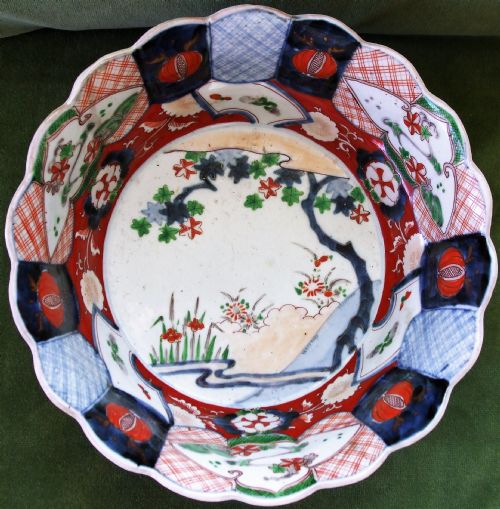
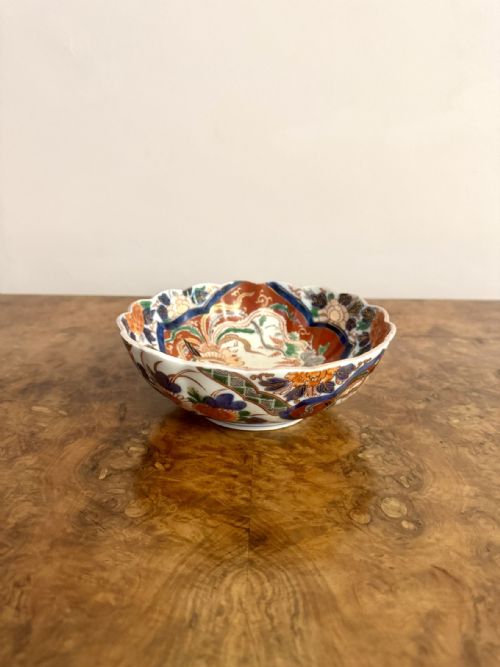
A scalloped porcelain fruit bowl brings rich palette and form to a table, combining traditional Japanese Imari patterns with English porcelain.
Scalloped Porcelain Fruit Bowl
A scalloped porcelain fruit bowl is a decorative vessel defined by its shaped rim and painted ceramic body. Most examples seen here originate from the Japanese Meiji period or late nineteenth century, alongside traditional English pieces from makers like Royal Worcester and Chamberlain Worcester.
The form spans large decorative bowls and cabinet plates, often paired with stands such as a mahogany base. Buyers searching for a scalloped porcelain fruit bowl will frequently encounter Japanese Imari designs characterised by fluted edges and distinctive panel decoration.
How they were made
These items rely on fired porcelain finished with enamel pigments and glaze, often accented with gold leaf and gilding. Artisans shaped the ceramic body with scalloped or fluted edges before applying hand-painted motifs.
English works incorporate specialised glazes and signature hand-painted details, while Japanese Imari pieces utilise traditional kilns and iron-red and cobalt blue enamels.
Scalloped Porcelain Fruit Bowl Retail Price Guide 2026
Typical asking prices for scalloped porcelain fruit bowl among the pieces listed under this phrase on Sellingantiques today, from the lower quarter to the upper quarter. They describe what is for sale here now, not the wider market.
Dragons painted in compartments peer out from nineteenth-century bowls, guarding the fruit long before it arrives.
What varies in quality
Quality rests in the crispness of the porcelain moulding and the precision of the hand-painted enamel work. Pieces with finer brushwork, richer gilding, and well-defined scalloped edges command greater attention.
The integration of original mounts, such as a fitted mahogany stand, adds another dimension of craftsmanship that elevates certain pieces above standard tablewares.
Royal Worcester·Chamberlain Worcester
The Scalloped Porcelain Fruit Bowl Glossary
- Imari
- A style of Japanese porcelain decorated in underglaze blue and overglaze red, gold, and other colours. This palette defines many nineteenth-century export wares.
- Meiji Period
- The era in Japanese history spanning from 1868 to 1912, known for prolific porcelain production aimed at Western markets.
- Gilding
- The application of gold leaf or gold dust to the surface of porcelain to highlight rims, panels, and decorative motifs.
- Scallop Edge
- A decorative border shaped into a series of curves resembling the edge of a scallop shell, common on nineteenth-century bowls and plates.
Scalloped Porcelain Fruit Bowl: Frequently Asked Questions
How do I care for a porcelain bowl?
Wash porcelain by hand using warm water and a mild detergent, avoiding abrasive sponges that might harm the enamel or gold leaf.
Dry the piece thoroughly with a soft cloth before placing it back on a wooden stand or sideboard.
What is the difference between Imari and other porcelain?
Imari porcelain relies on a distinct palette of cobalt blue, iron-red, and gold, typically arranged in dense, symmetrical panels.
Other English types utilise different hand-painted motifs, such as dragon patterns or rope-edge borders.
Can I use these bowls for serving fruit?
These decorative bowls suit dry fruits or display purposes rather than heavy, wet contents that might stain antique glazes.
Use a soft liner if placing items inside to protect the historic enamel surface from scratching.
How can I date an antique porcelain bowl?
Dating relies on stylistic clues like Meiji period motifs, maker marks, and the presence of nineteenth-century potting techniques.
Comparing the glaze texture and pattern density with documented examples helps narrow down the decade of manufacture.