

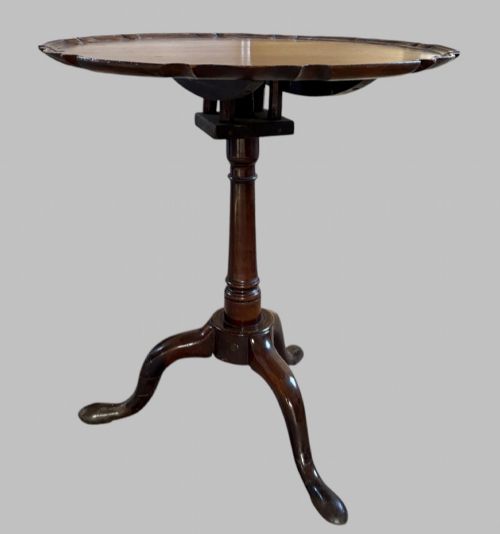
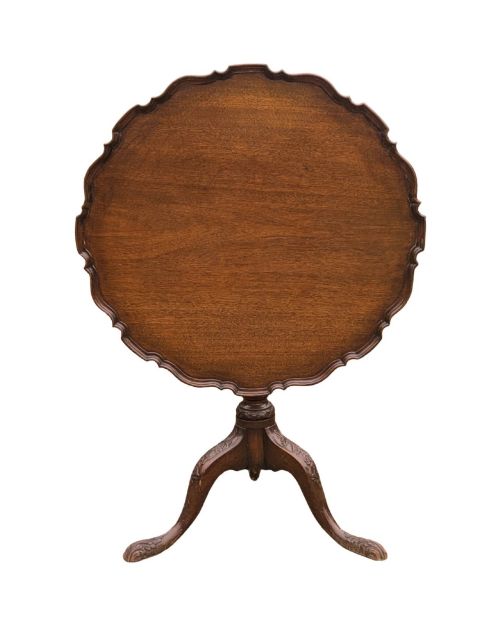
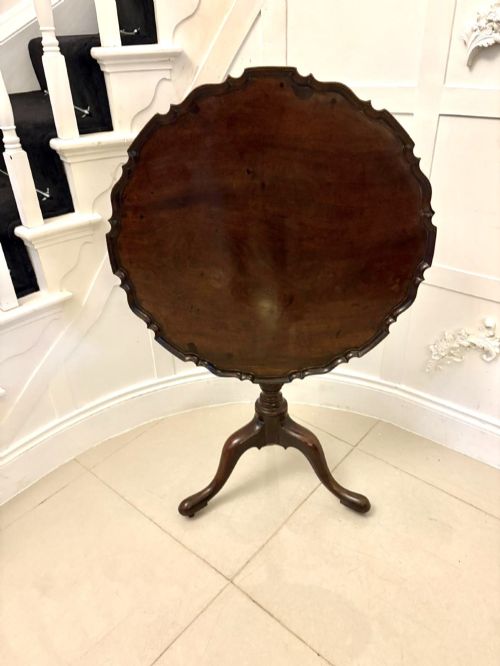
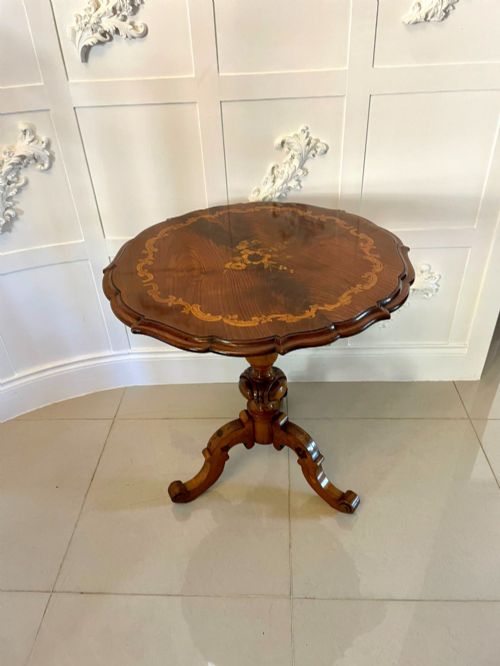
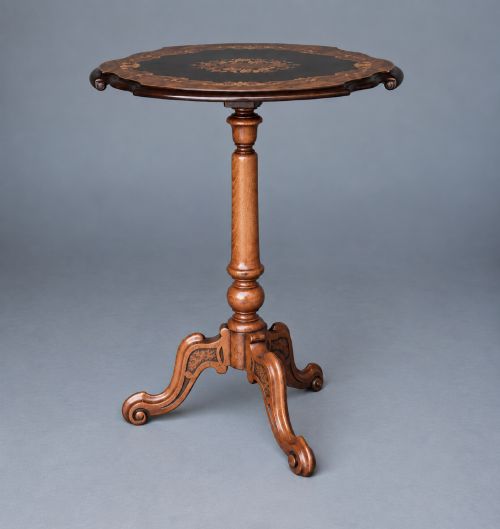
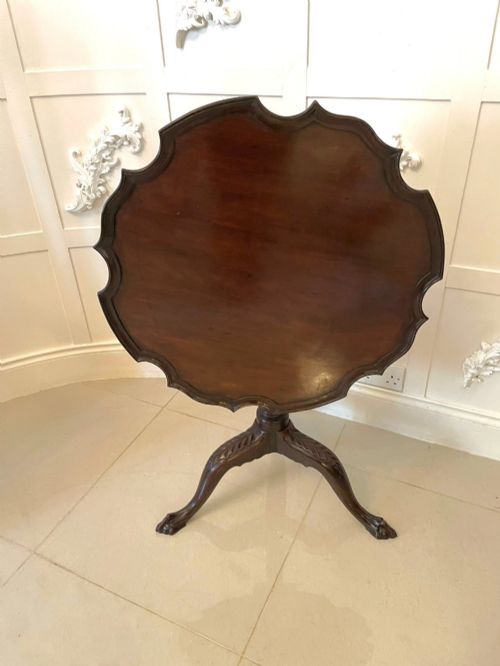
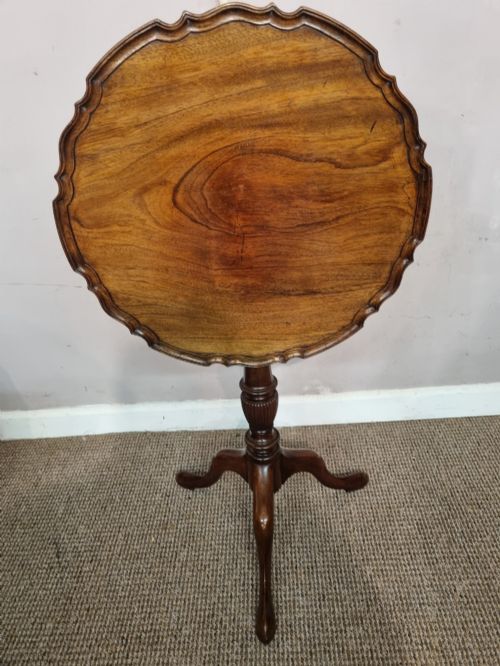
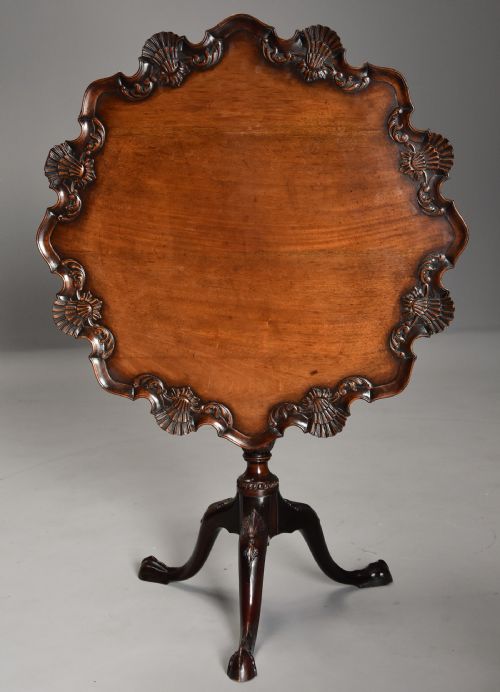
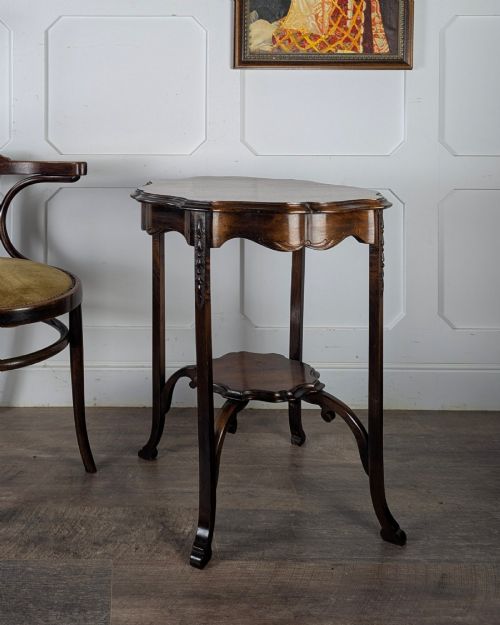
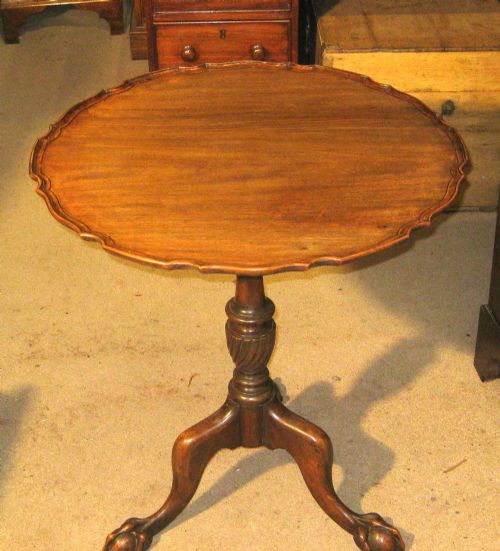
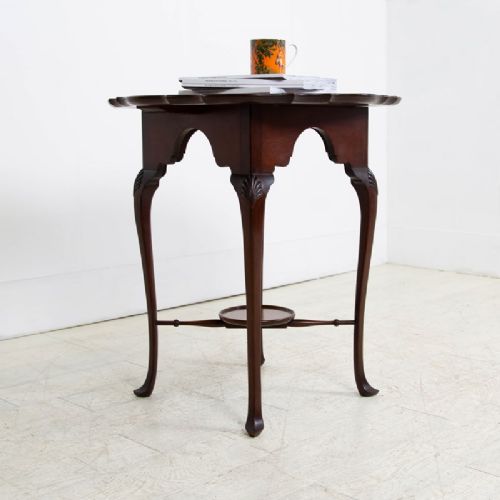
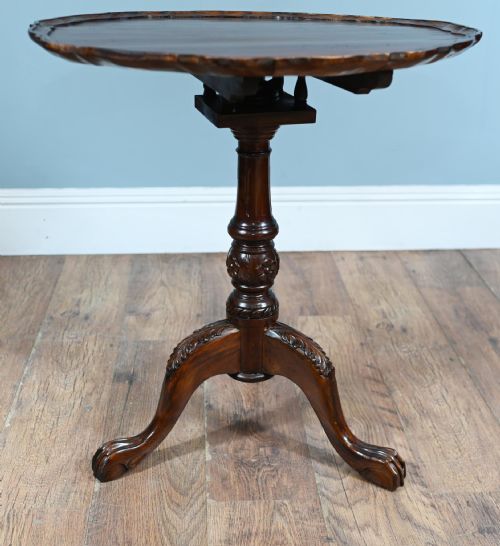
Scalloped Edge Wine Table
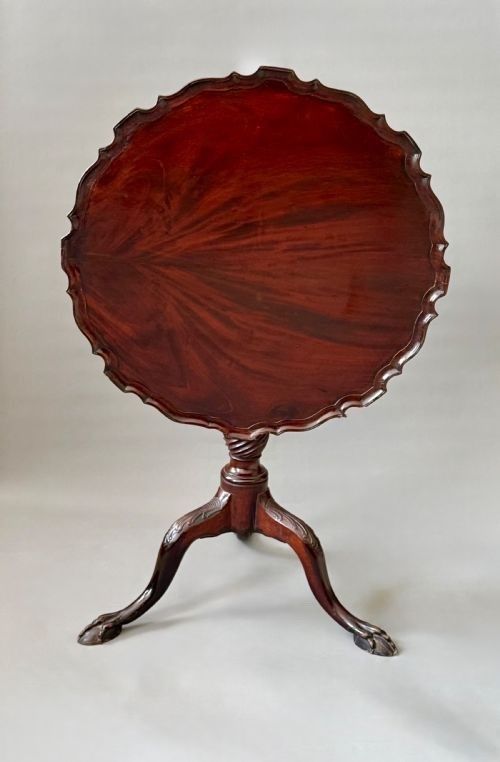
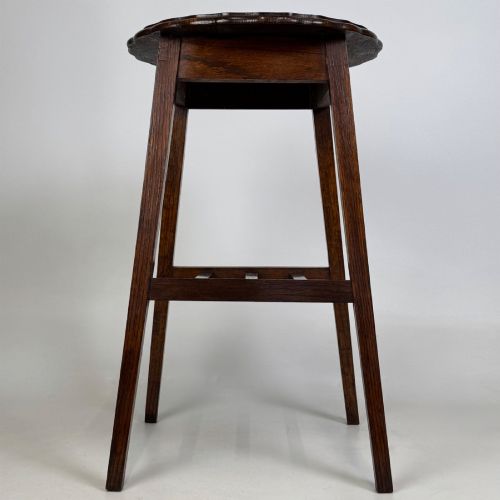
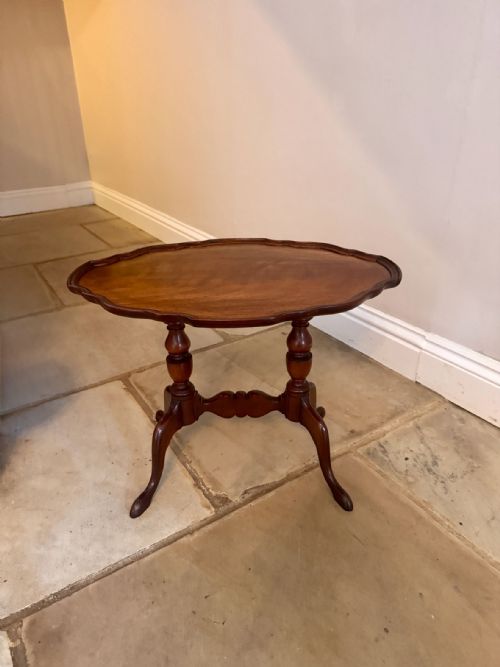
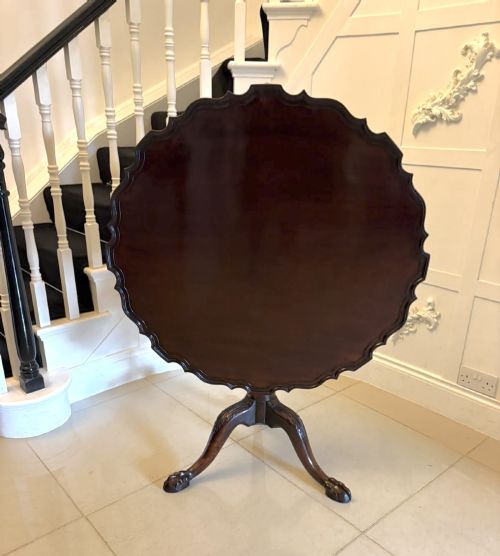
A scalloped edge wine table is a compact occasional piece in mahogany or oak, bringing authentic period form to small spaces.
Scalloped Edge Wine Table
A scalloped edge wine table appears in several classic forms across this page, including tripod tables, occasional tables, and side tables. Buyers seeking a scalloped edge wine table will encounter examples spanning the eighteenth century, the Georgian period, the nineteenth century, and the nineteen twenties.
The materials used across these listings are restricted entirely to mahogany and oak. Stylistic influences include traditional Georgian, George III, Victorian, and Chippendale style.
The specific form known as a kettlestand also appears among these selections. Every piece serves as a functional small table with a distinctive shaped perimeter.
How they were made
Makers constructed these tables primarily from solid mahogany and oak timber. The construction relies on traditional joinery techniques suited to small support furniture.
Tripod bases form the structural support for the circular or shaped tops. Woodturners shaped the central pillars and legs to provide stability while maintaining slender proportions.
Scalloped Edge Wine Table Retail Price Guide 2026
Typical asking prices for scalloped edge wine table among the pieces listed under this phrase on Sellingantiques today, from the lower quarter to the upper quarter. They describe what is for sale here now, not the wider market.
Every single table here manages to balance on three legs without spilling your drink.
What varies in quality
The refinement of the edge shaping distinguishes finer examples from simpler ones. Subtle carving along the perimeter demonstrates greater artisan skill.
Timber selection and the handling of the tripod base determine the visual balance of the piece. Better proportions in the central pillar create a more harmonious silhouette.
The Scalloped Edge Wine Table Glossary
- Tripod table
- A small freestanding table supported by a pillar above three legs. This construction prevents wobbling on uneven floors.
- Kettlestand
- A diminutive table designed originally to hold a tea kettle near the fireplace. These pieces share similar proportions with wine tables.
- George III
- The stylistic period spanning the reign of George the Third. Furniture from this era often incorporates refined mahogany construction.
- Chippendale style
- A design influence named after Thomas Chippendale. Pieces in this style utilise characteristic carving and silhouette details.
Scalloped Edge Wine Table: Frequently Asked Questions
How were wine tables used historically?
These tables served primarily to hold glasses and bottles of wine during social gatherings. Their portable nature allowed servants to move them easily.
They stood beside chairs or sofas for convenient access to drinks without requiring large permanent furniture.
Are these tables made of solid mahogany?
The listings on this page indicate construction in mahogany and oak timber. These traditional hardwoods provided the necessary strength for slender tripod supports.
Joinery methods varied by period, reflecting the workshop practices of Georgian and nineteenth-century cabinet makers.
How do I identify a Georgian wine table?
Georgian tables date from the eighteenth or early nineteenth centuries. They frequently employ mahogany and display traditional period proportions.
Stylistic cues such as George III or Chippendale influence help place an item within this historical timeframe.