

Satinwood Vitrine Cabinet
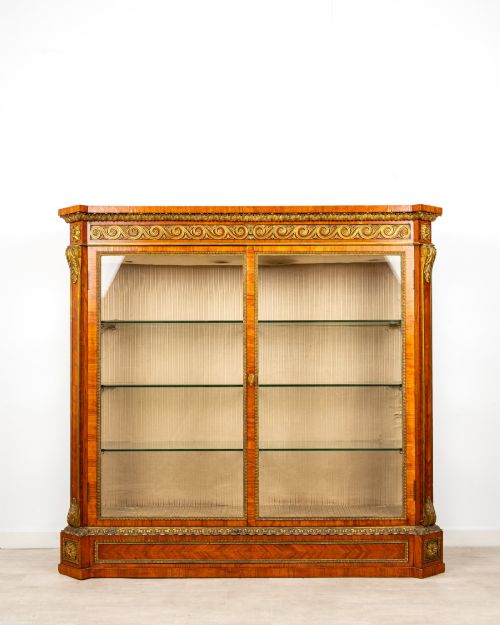
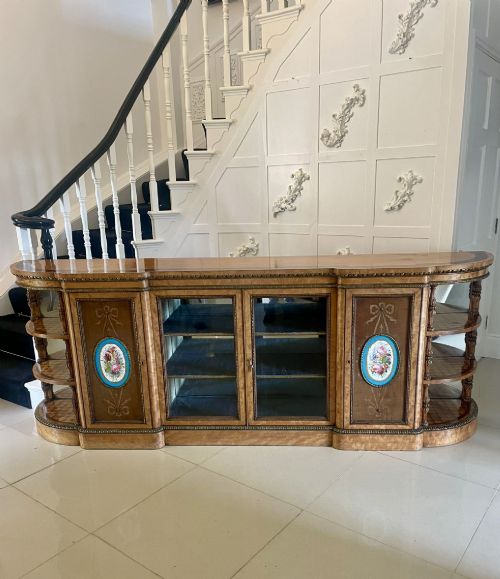
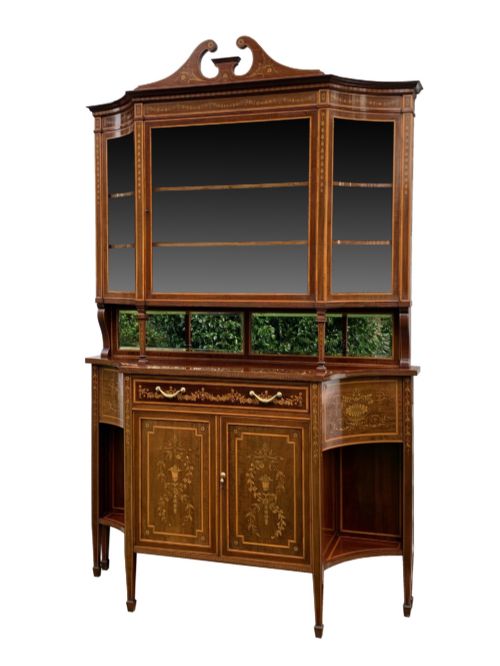
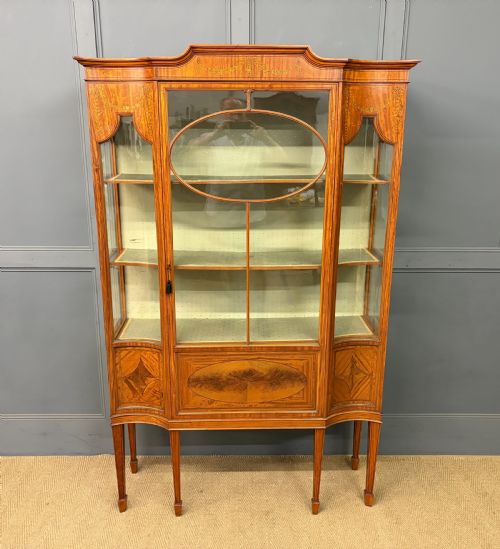
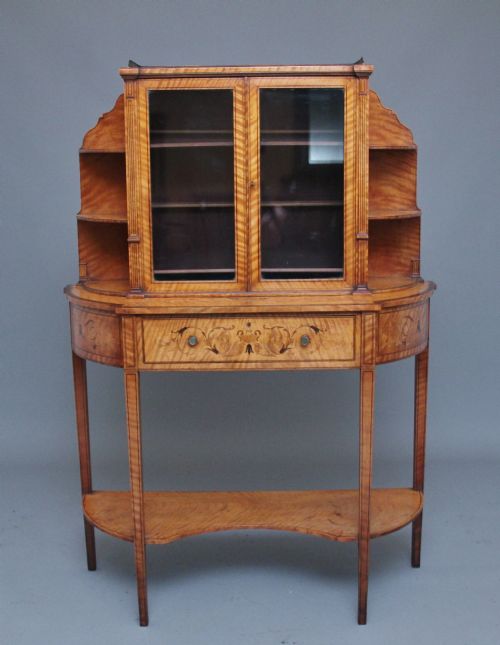
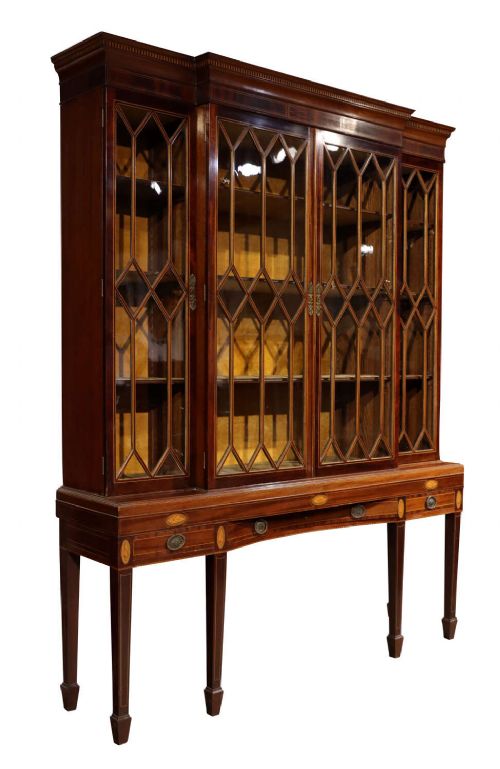
These satinwood vitrine cabinets bring refined display space to a room, offering glazed panels to protect treasured objects.
Satinwood Vitrine Cabinet
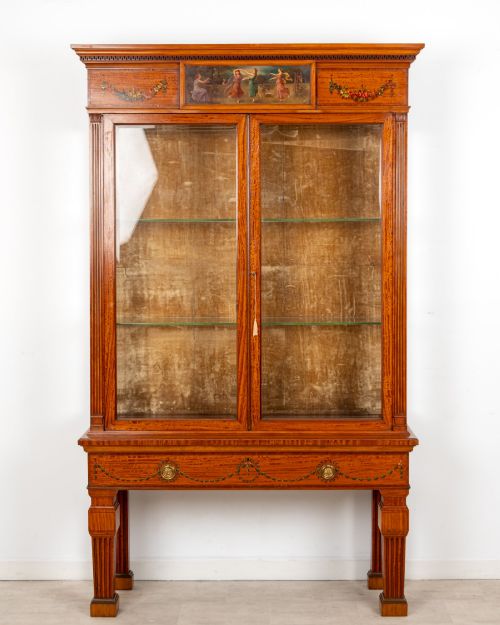
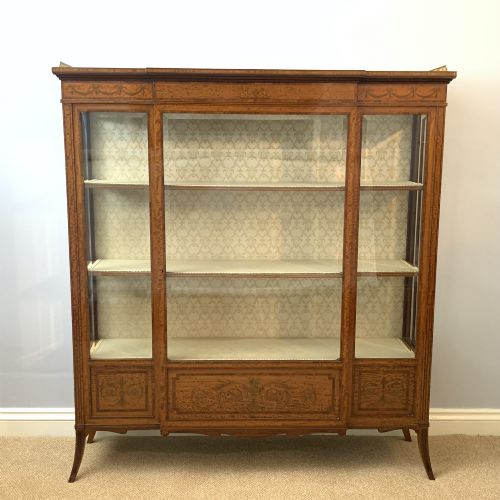
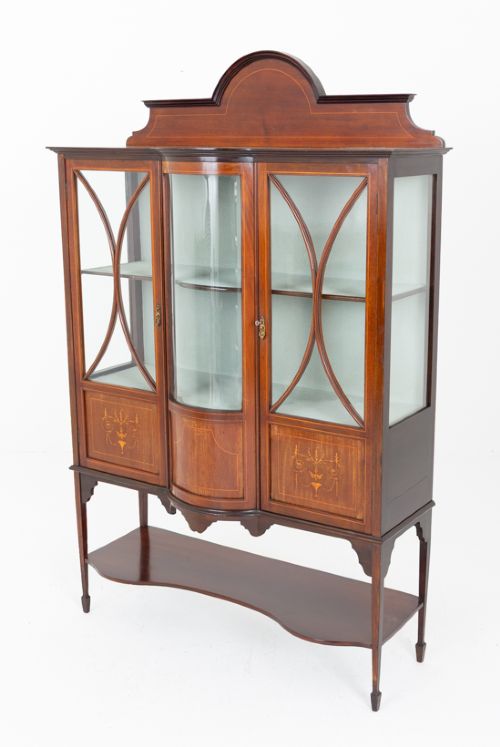
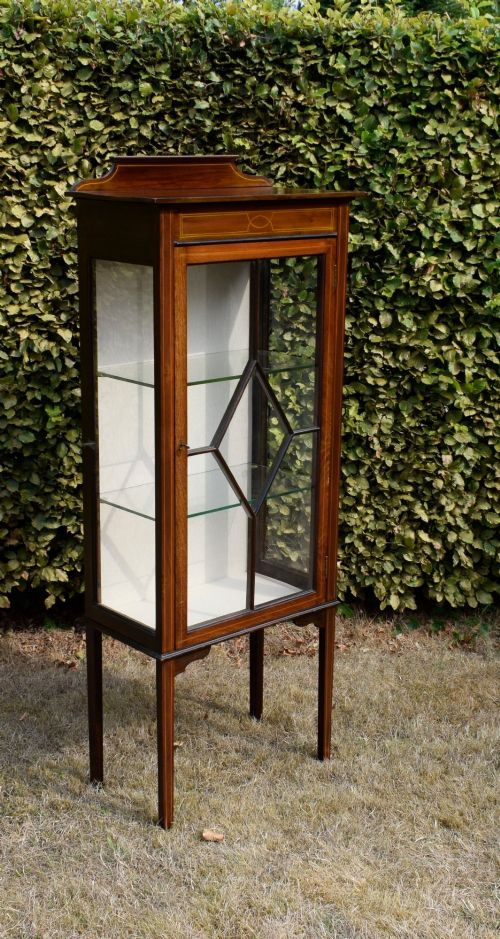
A satinwood vitrine cabinet provides dedicated shelving behind glass doors to showcase collections, ceramics and small curiosities while keeping them dust-free. These pieces primarily emerge from the late nineteenth century and the Edwardian era, spanning revival movements like Sheraton, Louis XVI and Adam.
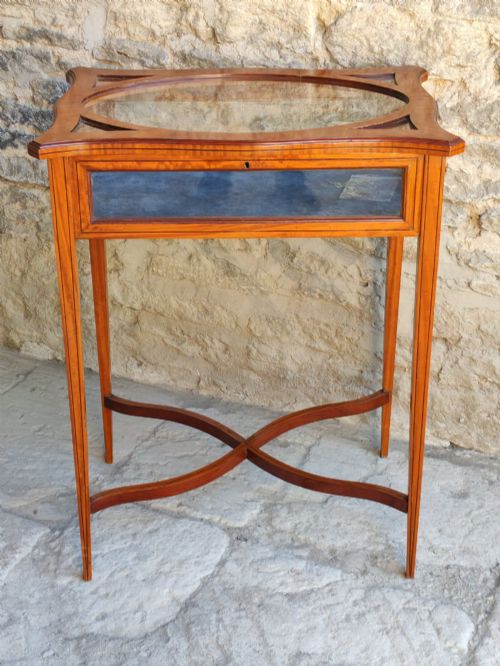
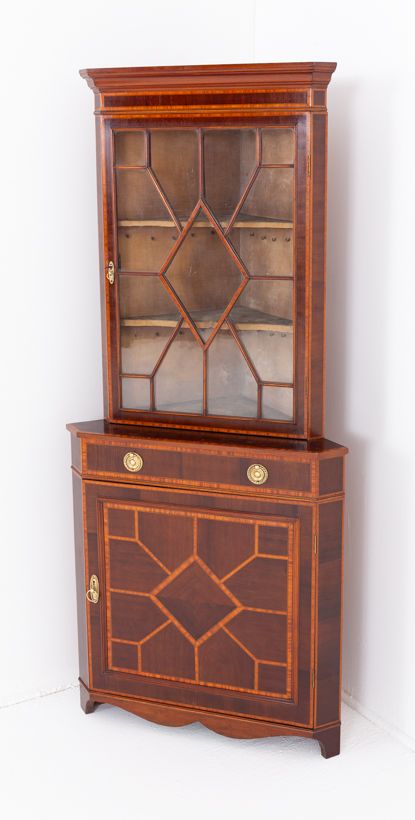
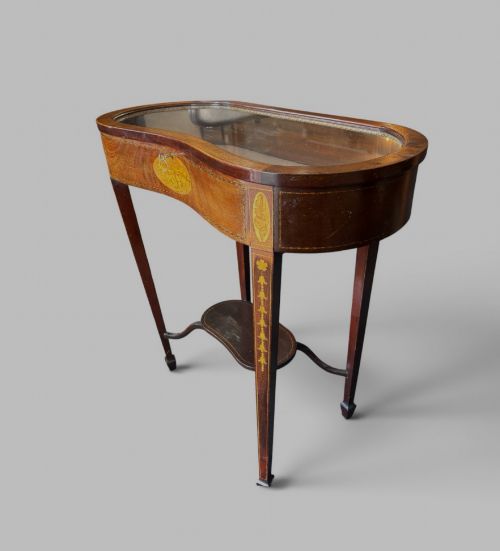
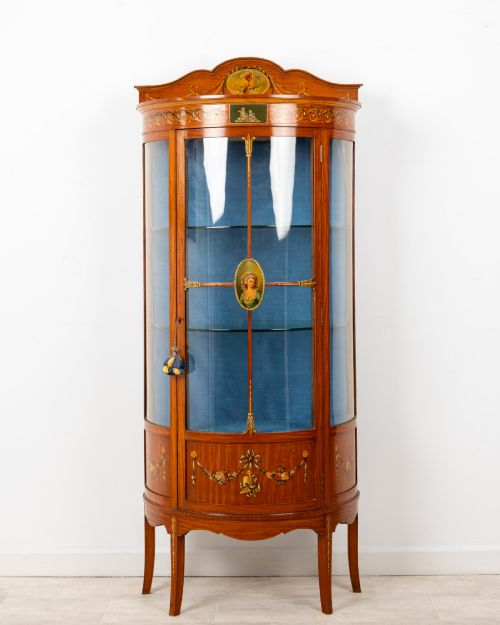
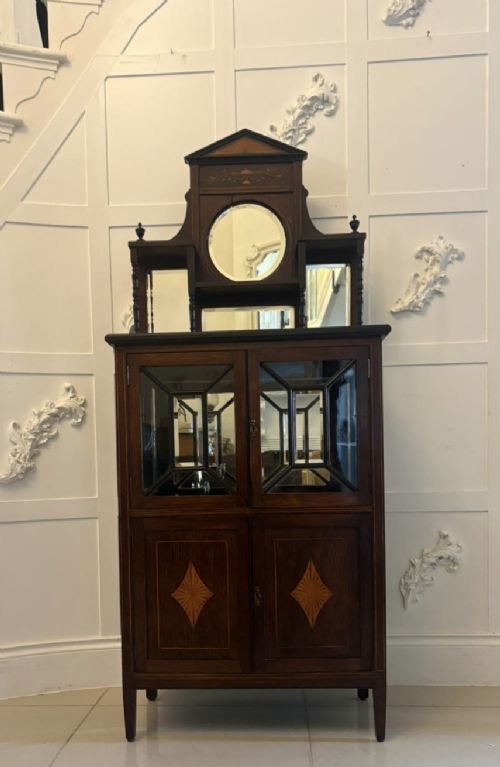
The most frequent form on this page is the upright display cabinet or vitrine, often featuring inlaid mahogany or painted satinwood surfaces. Alongside standard upright models, the selection includes corner cabinets, credenzas, pier cabinets and low bijouterie tables with glass tops.
How they were made
Cabinet makers built these pieces using supportive timber carcases of mahogany overlaid with pale satinwood veneers. Artisans applied intricate fruitwood marquetry, painted motifs and contrasting stringing to enrich the flat surfaces.
Gilt-bronze or ormolu mounts, brass hardware and mirrored backs added reflective depth to the interiors. Glazed doors utilised timber framing to secure large glass panes designed to maximise visibility.
Materials recorded across these pieces include mahogany, ormolu, velvet, mirror glass and intricately figured satinwood veneer.
What varies in quality
Quality rests in the precision of the cabinet work, the complexity of the marquetry and the choice of materials. Finer examples show hand-painted detailing, carefully matched veneer grains and substantial gilt-bronze mounts rather than simple brass plating.
Proportion and structural balance separate standard production from superior pieces. Workshop attribution to notable makers further distinguishes the upper tier of these items.
Hampton & Sons·Edwards & Roberts·H. J. Hatfield & Sons·Maple & Co.·James Hicks
The Satinwood Vitrine Cabinet Glossary
- Satinwood
- A dense tropical timber yielding a lustrous, golden-yellow sheen. It served as a prized veneer for fine eighteenth and nineteenth-century cabinet work.
- Vitrine
- A glass-fronted display cabinet intended for curiosities and fine objects. The term derives from the French word for glass.
- Marquetry
- Decorative patterns formed by fitting small pieces of veneer into a wood foundation. Artisans used various coloured woods to create pictorial designs.
- Bijouterie
- A low display table or cabinet with a glazed top and sides for jewellery and small ornaments. These pieces allowed collectors to inspect items from above.
- Ormolu
- Gilt-bronze mounts applied to furniture for decorative accent. The technique involves coating bronze with a mercury and gold amalgam.
Satinwood Vitrine Cabinet: Frequently Asked Questions
What is a satinwood vitrine cabinet used for?
These cabinets house collections of porcelain, silver, miniatures and small curiosities behind protective glass. They place precious objects on view while shielding them from dust.
Inside, glass shelves and mirrored backs help distribute light across the displayed pieces. They functioned as focal points in period drawing rooms and parlours.
How do I identify a Sheraton revival vitrine?
Sheraton revival pieces emulate the lighter forms and classical ornamentation popular in the late eighteenth century. Look for tapering legs, delicate stringing and symmetrical satinwood veneers.
They often incorporate painted floral swags, urn motifs and neoclassical banding. This style gained immense popularity during the Edwardian period and the late nineteenth century.
Where should I place a display cabinet?
Position these cabinets away from direct sunlight to protect fragile veneers and interior fabrics from fading. Stable room temperatures prevent timber and glue joints from drying out.
Choose an interior wall where natural light from windows can pass through the glazed doors without causing glare. Corner models fit neatly into unused wall junctions.
What is the difference between a vitrine and a bijouterie table?
A vitrine is an upright display cabinet with vertical glass doors and internal shelves. It accommodates taller objects and porcelain collections at eye level.
A bijouterie table is low with a horizontal glazed top designed for flat items, jewellery and small artefacts. These tables allow viewers to look down directly at the contents.