


Satinwood Inlay Furniture
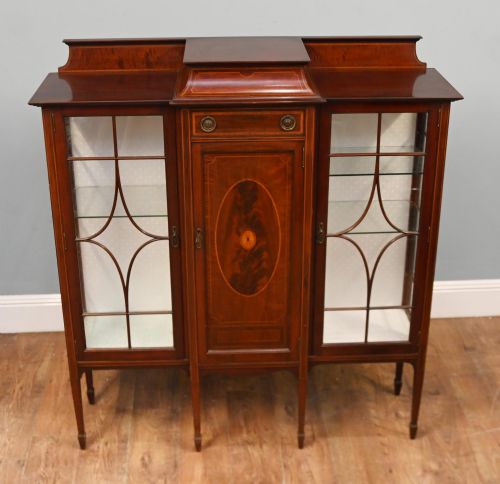
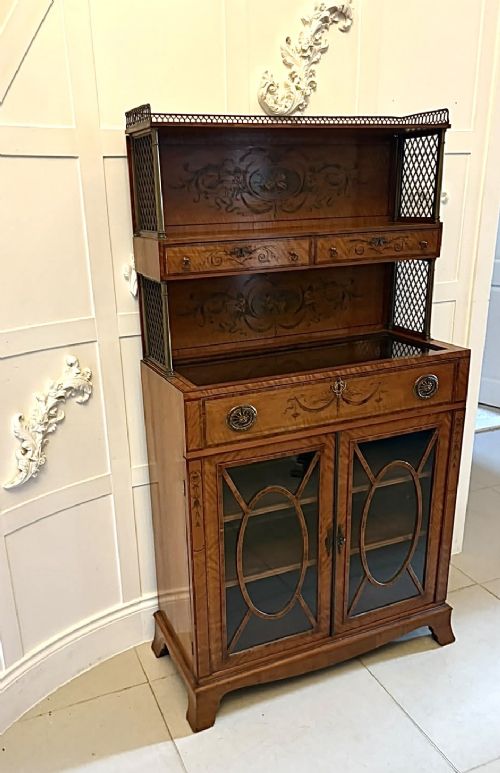
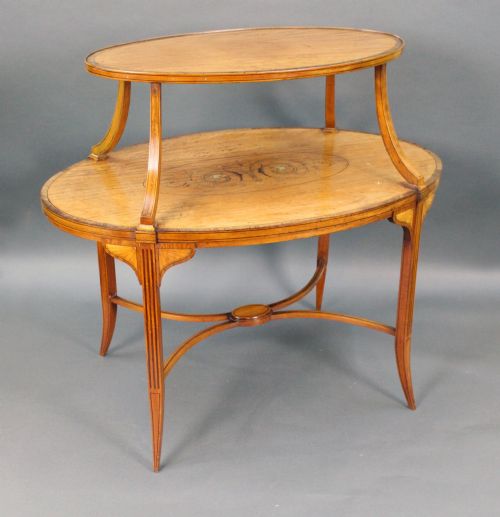
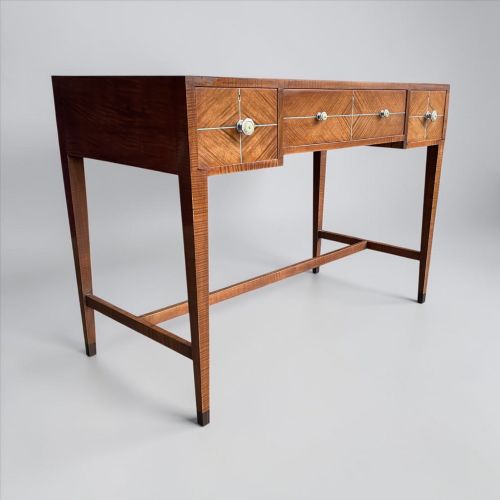
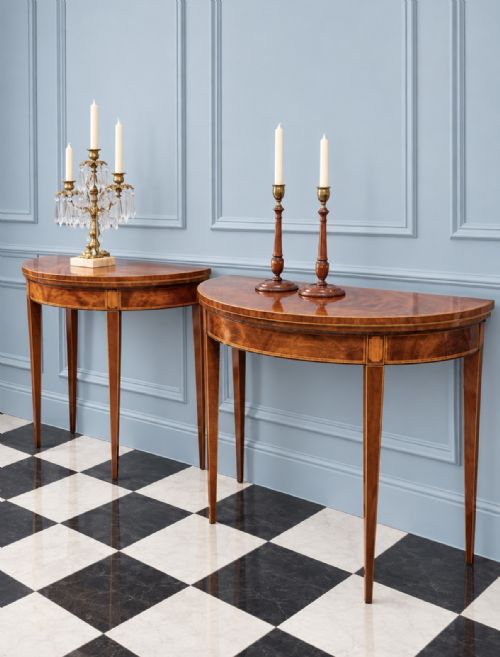
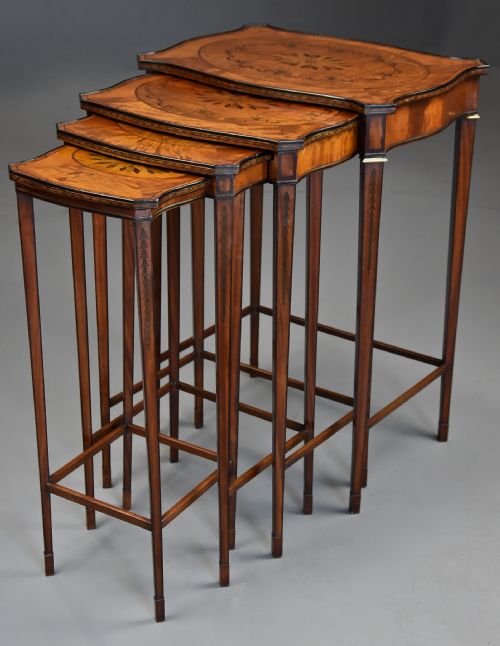
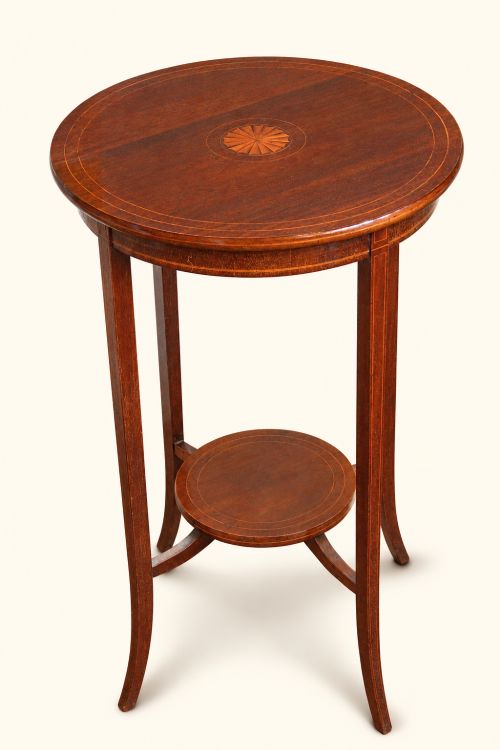
These pieces of satinwood inlay furniture bring a luminous, pale timber surface and sharp contrasting banding into a room.
Satinwood Inlay Furniture
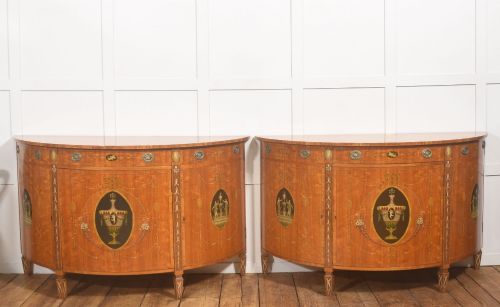
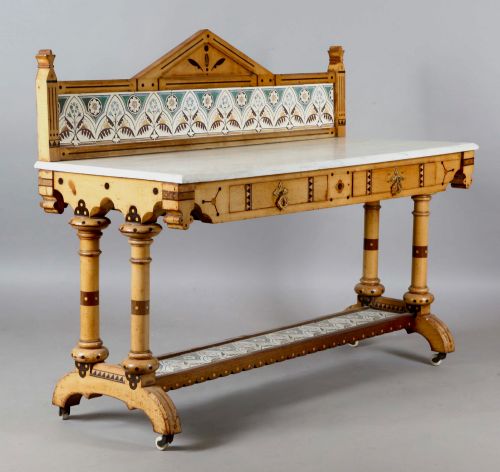
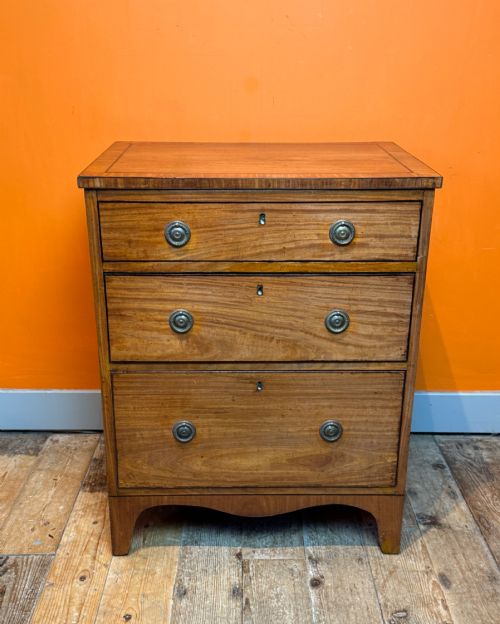
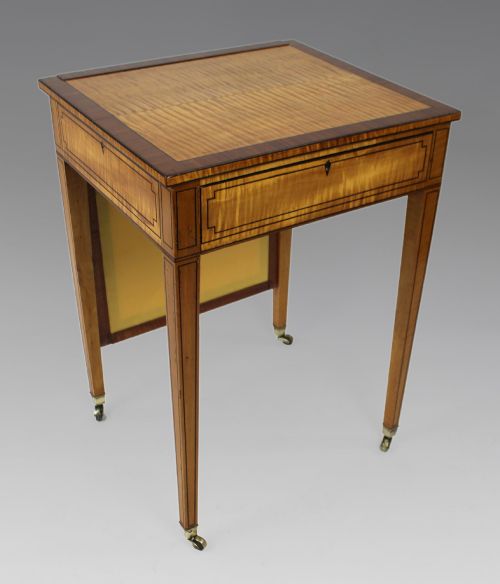
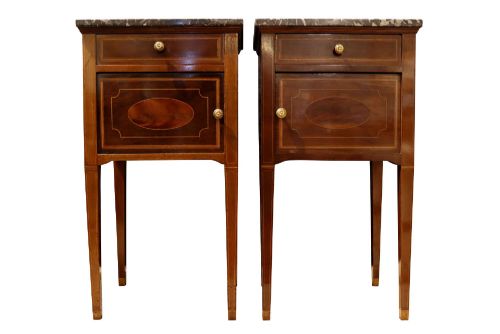
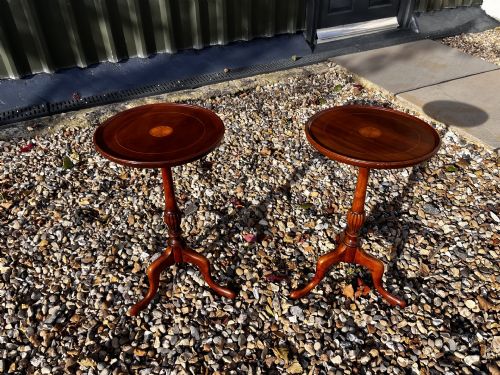
Satinwood inlay furniture covers a diverse range of domestic items designed for storage, display and social use, spanning the eighteenth, nineteenth and early twentieth centuries. Pieces found in this selection include writing desks, card tables, display cabinets, chests of drawers, occasional tables and bedside cupboards.
How They Were Made
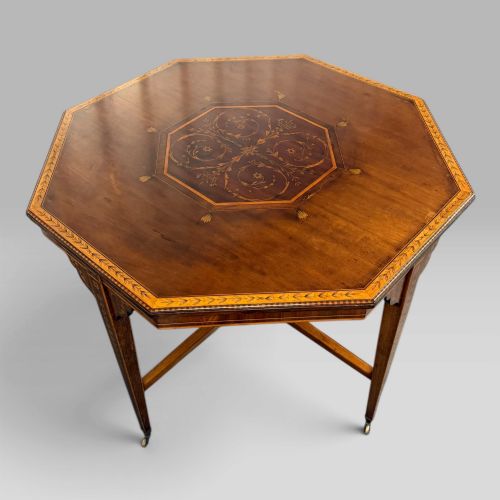
Cabinet makers constructed the primary carcases using solid or veneered mahogany, rosewood and satinwood, applying contrasting linear borders and pictorial motifs. These decorative details relied on precise cutting of boxwood and other tinted timbers to create complex geometric or floral marquetry panels.
Surfaces were meticulously smoothed and polished to accentuate the natural chatoyancy of the satinwood grain. Secondary timbers such as pine or oak were often utilised for drawer linings and internal framing, depending on the period of manufacture.
Satinwood Inlay Furniture Retail Price Guide 2026
Typical asking prices for satinwood inlay furniture among the pieces listed under this phrase on Sellingantiques today, from the lower quarter to the upper quarter. They describe what is for sale here now, not the wider market.
Secret drawers and surprise drinks compartments tucked inside occasional tables reveal the playful ingenuity of Edwardian cabinet makers.
What Varies in Quality
The standard of execution depends heavily on the crispness of the marquetry cutting and the choice of timber figure. Superior examples display tightly fitted inlays with minimal filler, using highly figured satinwood veneers that catch the light from different angles.
Construction methods also dictate grade, where hand-dovetailed drawer boxes, solid brass hardware and well-balanced proportions separate bespoke cabinet work from mass-produced factory output of the later periods.
Charles Bevan·Bath Cabinet Makers·Flashman And Co·Trevor Page And Co·Morant And Co
The Satinwood Inlay Furniture Glossary
- Satinwood
- A hard, dense timber native to Ceylon and the West Indies, prized for its golden yellow colour and satiny sheen. It was widely used in high-end cabinet making from the eighteenth century onwards.
- Marquetry
- The art of applying pieces of veneer to a structure to form decorative patterns and pictures. Craftsmen assemble various coloured woods like boxwood and mahogany within the primary surface.
- Sheraton Revival
- A late nineteenth and early twentieth-century design movement replicating the refined neoclassical style of eighteenth-century designer Thomas Sheraton. It relies on tapered legs, satinwood inlay and delicate proportions.
- Stringing
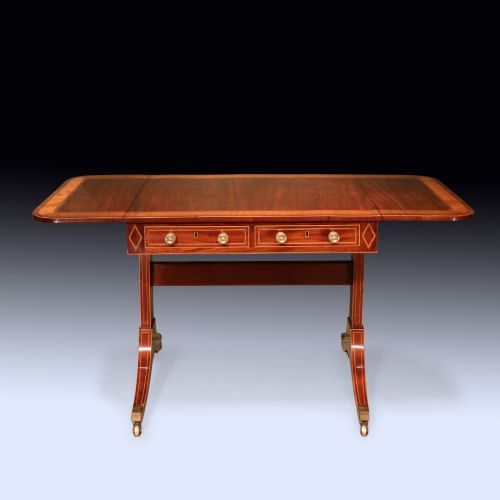
- A narrow strip of contrasting wood inlay used to outline drawers, tabletops and doors. This linear detail defines the edges and geometric panels on period pieces.
Satinwood Inlay Furniture: Frequently Asked Questions
How do I clean satinwood inlay furniture?
Dust surfaces regularly with a soft, dry cloth to prevent dirt accumulation on the delicate veneer. Avoid using modern spray polishes or water, which can damage the old polish and loosen the tiny boxwood stringing.
Feed the timber periodically with a traditional beeswax formulation to maintain the natural lustre of the satinwood. Apply the wax sparingly and buff gently with a clean cloth to protect the grain.
Where should I place these tables?
Keep these items away from direct sunlight and strong heat sources such as radiators or fireplaces. Extreme temperature fluctuations cause the underlying timbers to expand and contract, risking veneer lifting.
Position occasional tables and card tables where they receive ambient light to showcase the contrasting marquetry. Ensure the room maintains stable humidity levels to preserve the antique glues and joins.
How can I tell Edwardian from Georgian pieces?
Examine the secondary timbers inside drawers and behind panels, as Edwardian workshops often utilised machine-sawn pine alongside traditional hand-cut joints. Eighteenth-century pieces typically feature entirely hand-worked oak or deal internal construction with distinct tool marks.
Look closely at the finish and the style of the brass hardware, which often reflects the manufacturing techniques of the late Victorian and Edwardian revivals. Original Georgian pieces display patination and wear consistent with extended age and manual assembly.
What is a pembroke table used for?
This form serves as a versatile breakfast or occasional table featuring hinged drop leaves on either side. Historically, owners moved them around drawing rooms for writing, sewing or taking tea.
Many examples include a small drawer at one end for storage of papers or sewing implements. Their compact footprint makes them practical for placement beside seating in modern living spaces.