

Satinwood Display Bookcase
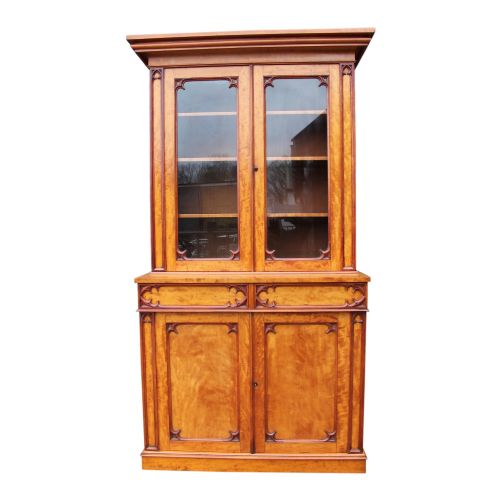
A satinwood display bookcase combines pale timber with glazed shelving, holding books and porcelain while brightening a room.
Satinwood Display Bookcase
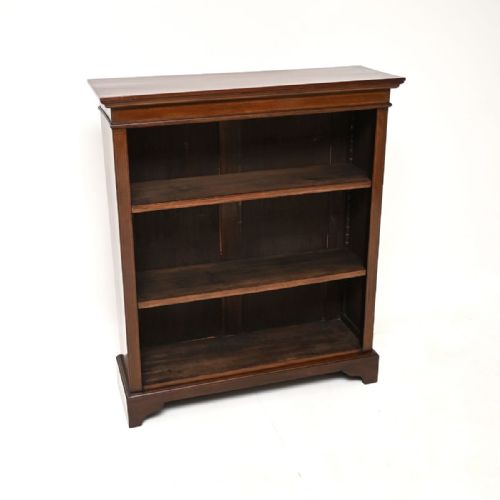
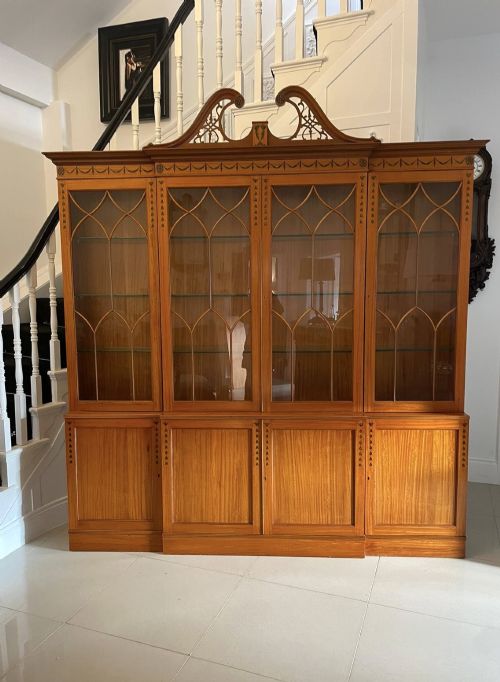
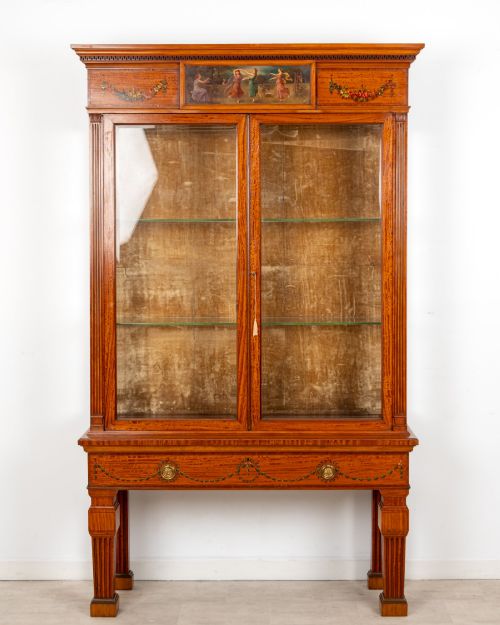
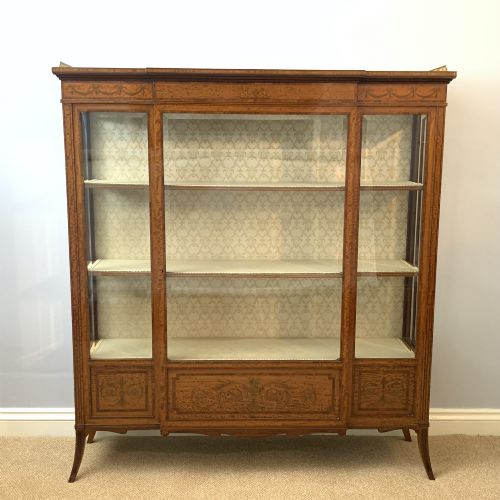
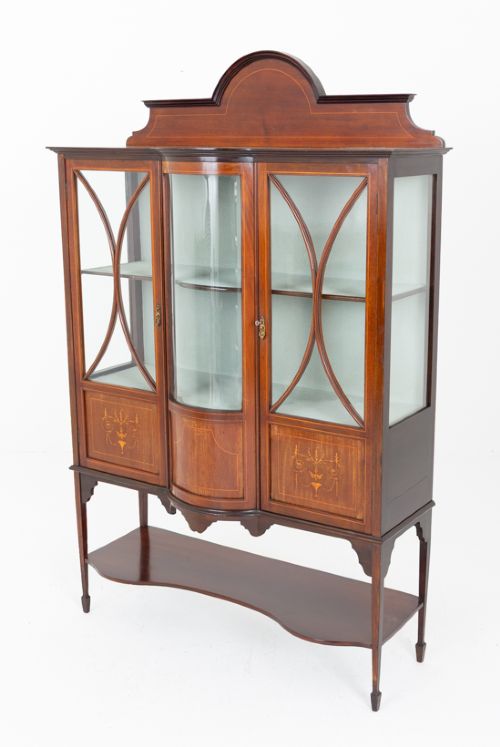
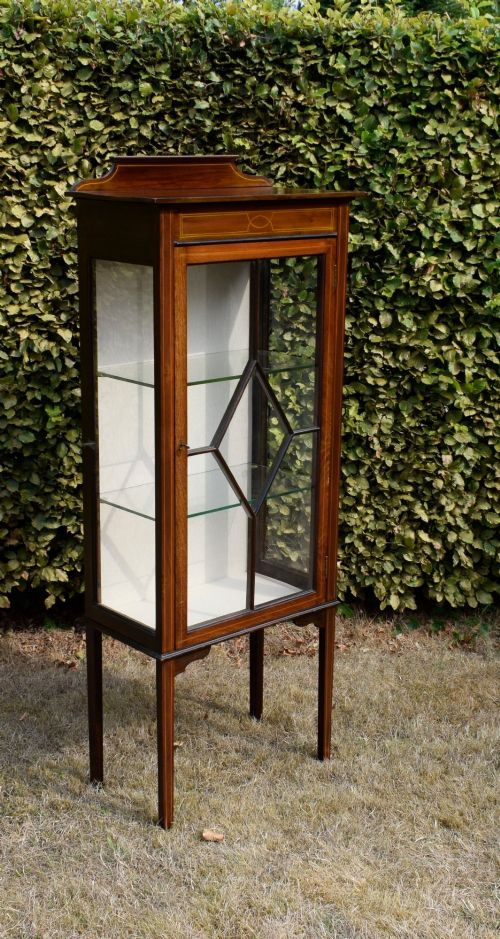
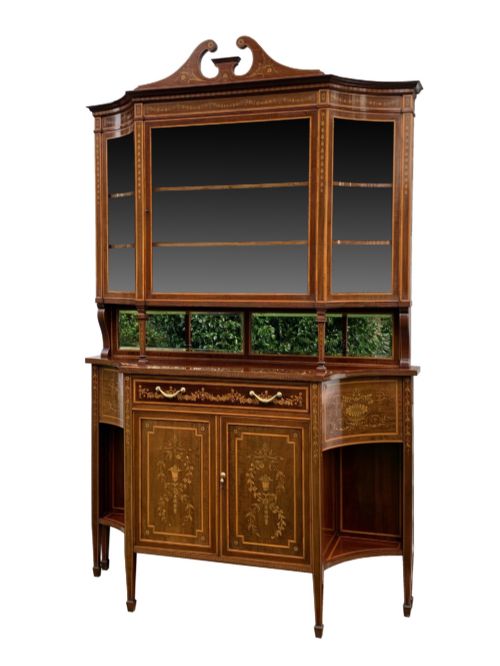
A satinwood display bookcase is a hybrid piece of furniture designed to house volumes behind glass panels whilst showcasing decorative items. Buyers searching for a satinwood display bookcase encounter forms ranging from compact table models to large breakfront cabinets.
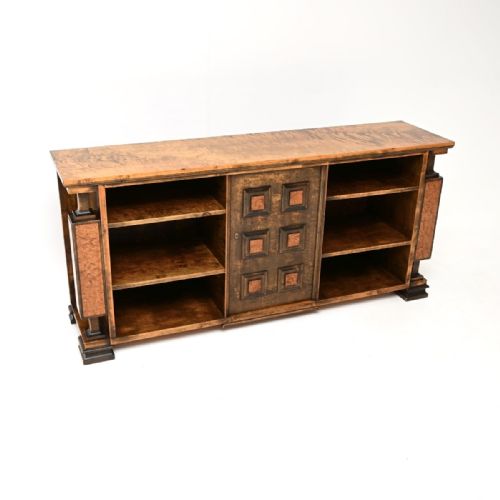
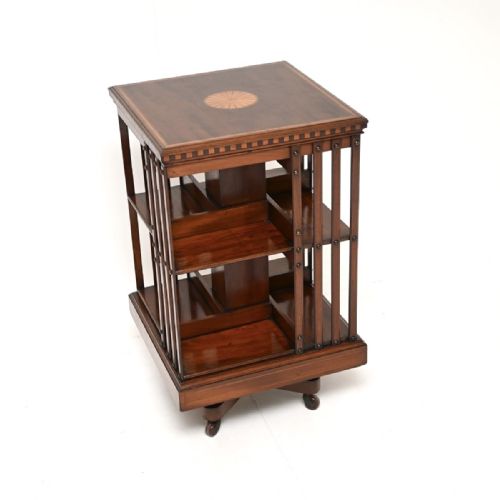
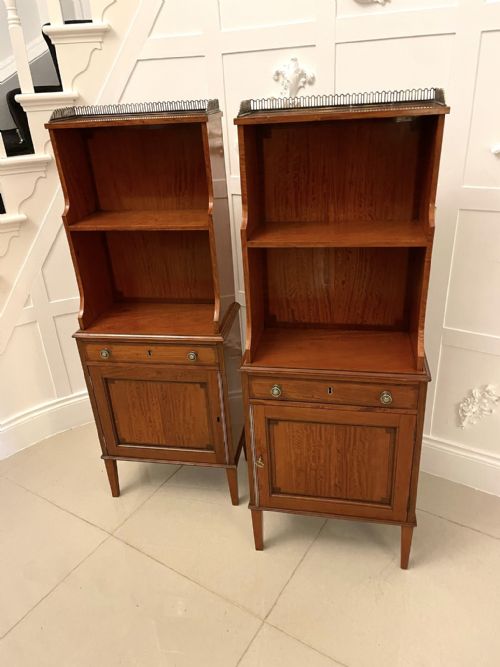
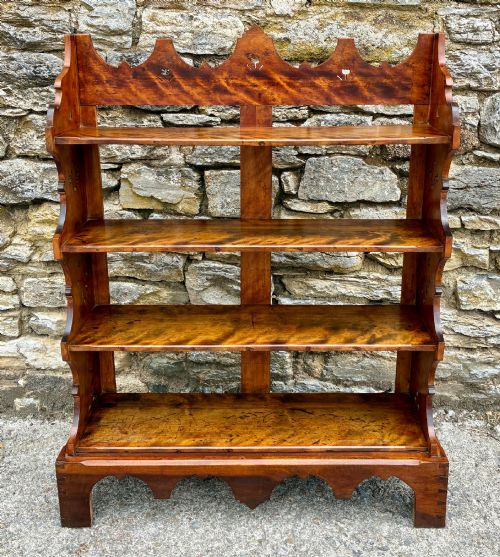
The pieces on this page span the eighteenth, nineteenth and early twentieth centuries, with Edwardian and Victorian Sheraton Revival pieces appearing frequently. Alongside glazed cabinets, the selection includes open bookshelves, revolving designs and secretaire bookcases.
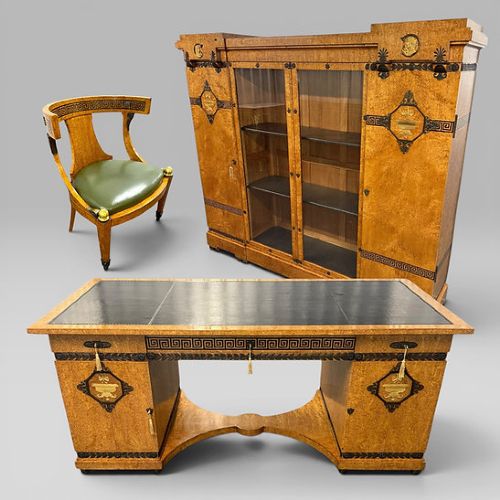
Origins include British workshops and cabinetmakers alongside French and Swedish examples in satin birch and walnut. These pieces served as drawing room or library furniture where owners displayed prized collections alongside bound books.
How they were made
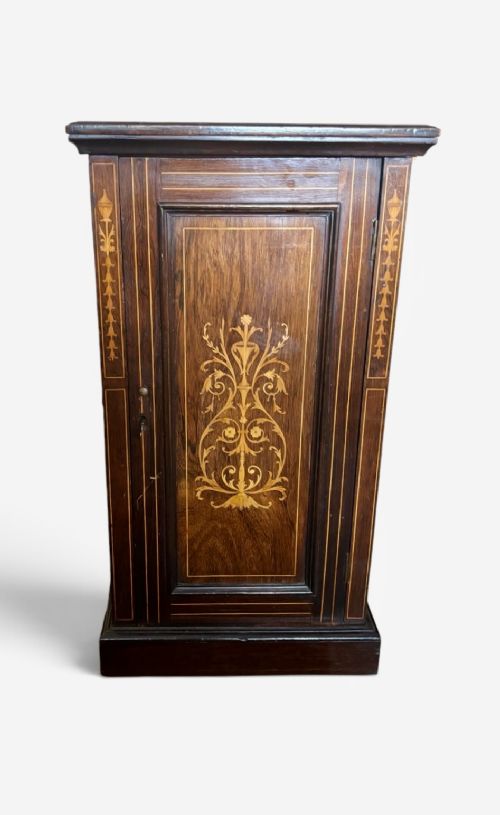
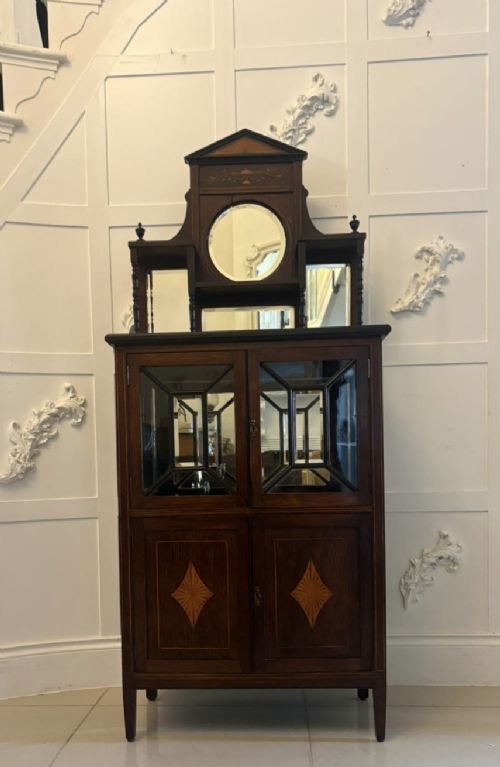
Cabinetmakers built these pieces using solid and veneered satinwood, often laid over mahogany or softwood carcases. Timber selection prioritised figured grain, sometimes enhanced with marquetry, crossbanding and stringing in contrasting woods like rosewood or mahogany.
Glazing techniques utilised individual wooden glazing bars, including astral and geometric patterns, to hold glass panes securely in doors. Painted decoration, hand-brushed floral motifs and gilt brass hardware completed the construction of finer examples.
Several naval pieces dubbed ships bookcases appear here, constructed with enclosed shelving to keep books from sliding out during rough seas.
What varies in quality
Quality rests in the selection of the timber veneer and the precision of the inlaid marquetry. Finer examples display symmetrical grain patterns and crisp, hand-cut inlay rather than printed decoration.
Structural refinement appears in the joinery of the glazed doors, the thickness of the brass fittings and the presence of original painted details. Pieces by documented firms often show greater attention to internal detailing and timber selection.
Hampton & Sons·Edwards & Roberts·Gillows·Mercier Frères·Maple & Co·Jewell of Holborn
The Satinwood Display Bookcase Glossary
- Satinwood
- A hard, yellow-gold timber native to Ceylon and the West Indies, valued for its lustrous grain. It became the defining wood of the neoclassical and Sheraton periods.
- Astral glazing
- A method of dividing a glass door into small panes using slender wooden bars. These bars form geometric patterns that lighten the appearance of heavy bookcase doors.
- Marquetry
- The art of forming decorative patterns on a wooden carcase using thin veneers of different coloured woods. Craftsmen cut floral or neoclassical motifs to enrich flat surfaces.
- Breakfront
- A piece of furniture whose central section projects forward from the flanking wings. This architectural arrangement creates depth and visual rhythm in large display cabinets.
- Secretaire bookcase
- A tall cabinet featuring a fitted writing drawer that folds down to reveal small pigeonholes and compartments. It combines a bureau with upper bookshelf storage.
Satinwood Display Bookcase: Frequently Asked Questions
How do I clean satinwood furniture?
Dust surfaces regularly with a soft, dry cloth to prevent particulate accumulation. Avoid silicone polishes and moisture, which damage aged veneers.
Apply a microcrystalline wax sparingly once or twice a year to nourish the timber. Buff gently with a clean cloth to maintain the natural sheen without building up residue.
Where should I place a display bookcase?
Position the cabinet away from direct sunlight and heat sources to prevent the satinwood veneer from fading or splitting. Stable room temperatures protect aged timber and fragile glue joints.
Ensure the floor is level so the glazed doors hang true and latch correctly. Wall anchoring is recommended for taller breakfront pieces to guarantee stability.
How do I date an Edwardian piece?
Examine the interior construction, drawer linings and backboards for machine-cut marks versus hand-planed surfaces. Edwardian pieces often combine traditional hand joinery with early industrial manufacturing techniques.
Look for style indicators such as Sheraton Revival motifs, which experienced a major revival around nineteen hundred. Maker stamps, paper labels and historical hardware styles also help confirm the manufacturing era.