



Satinwood Dining Table
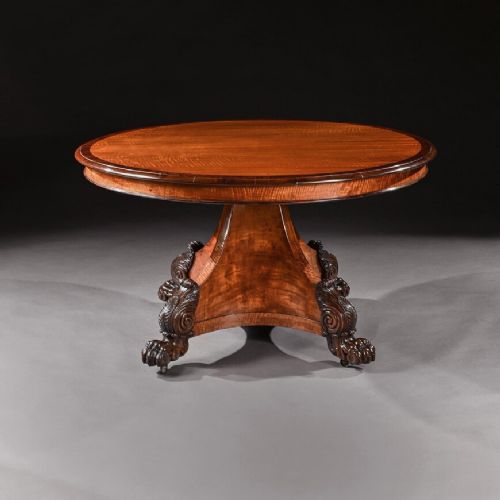
A satinwood dining table brings a luminous, golden warmth to a room through fine veneers and precise geometric stringing.
Satinwood Dining Table
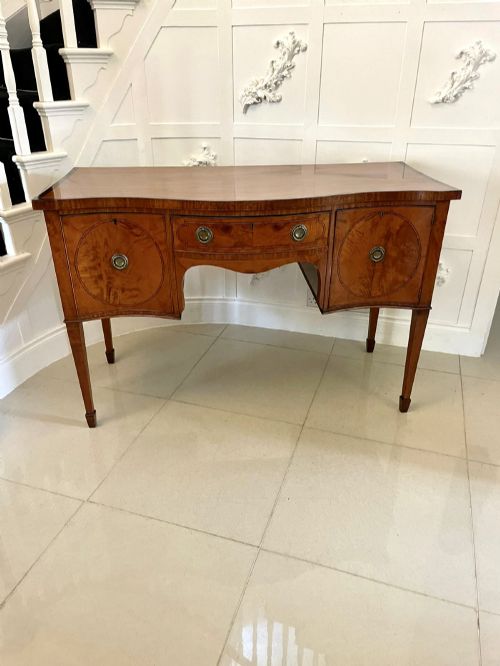
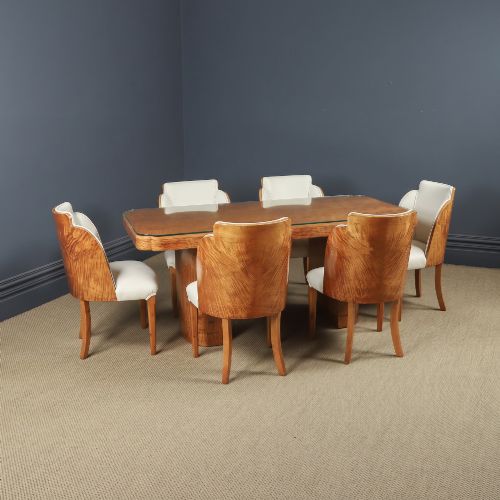
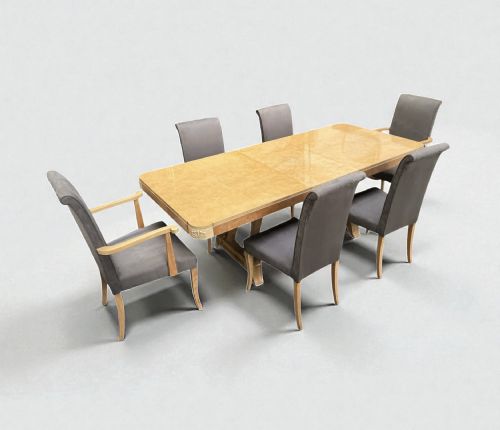
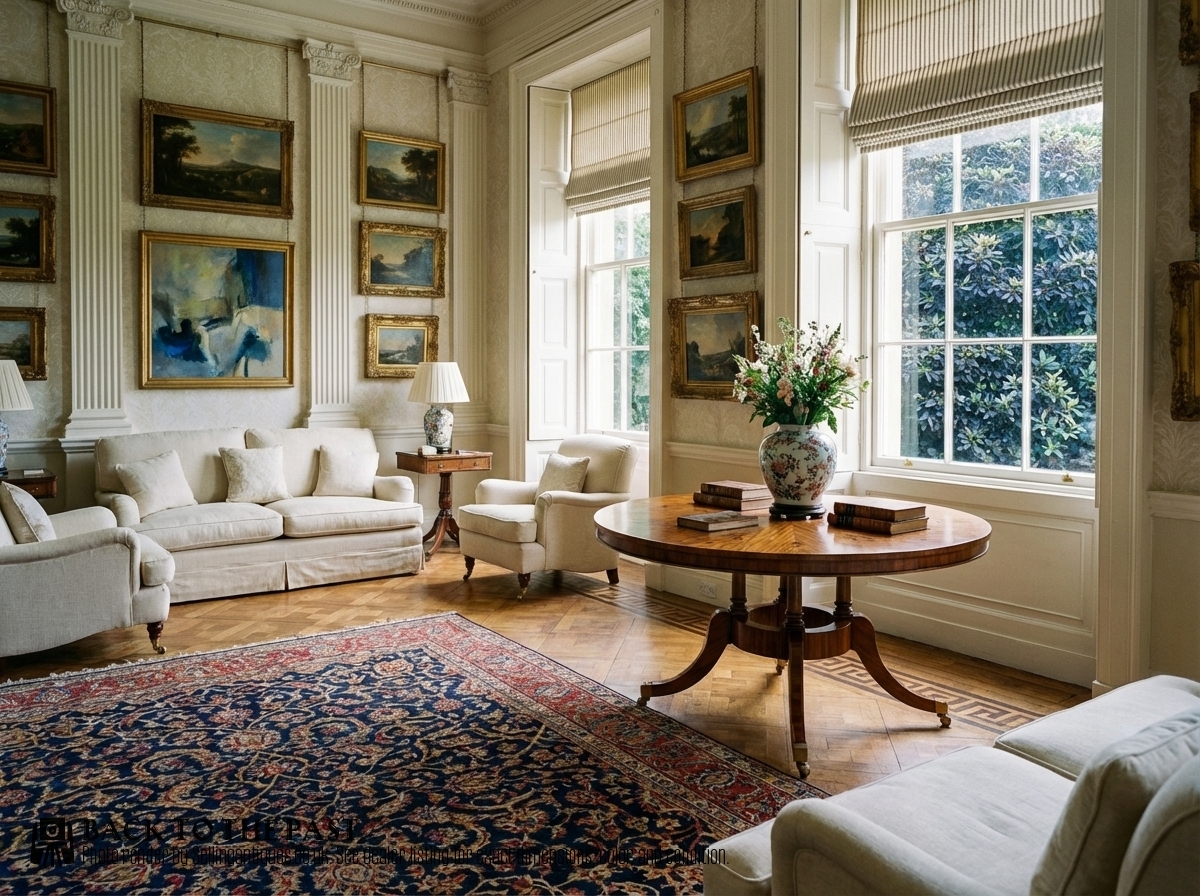
A satinwood dining table is an expression of light and grain, utilising blonde timbers that catch the natural illumination of a room. When you examine a satinwood dining table on this page, you encounter pieces that range from late eighteenth-century Georgian examples to Edwardian revivals and streamlined Art Deco suites.
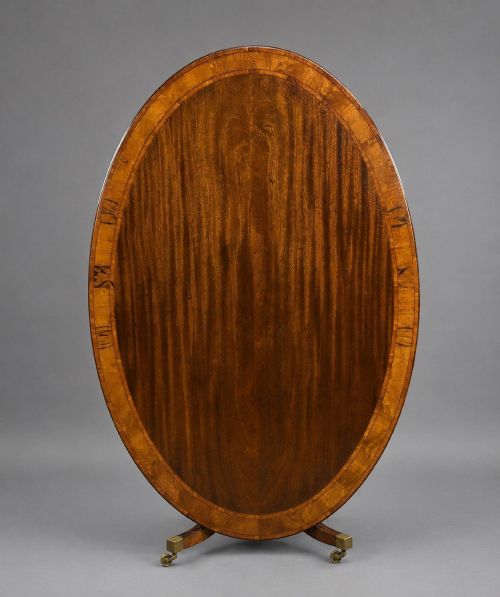
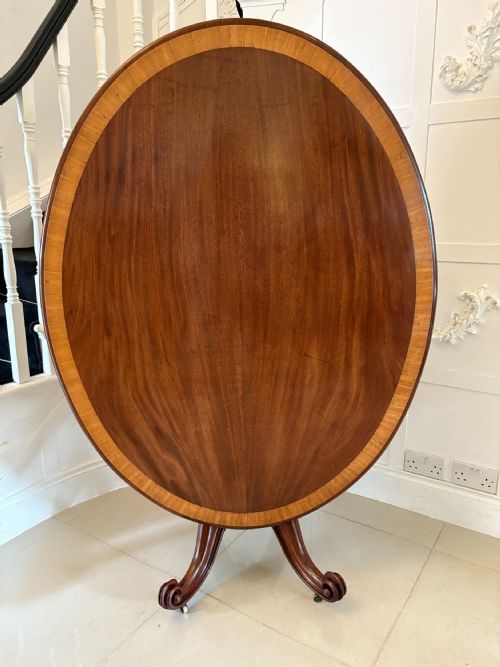
The selection includes circular breakfast tables, extending dining variants, and occasional centre tables featuring contrasting crossbanding in mahogany or rosewood. Makers often employed figured timbers to create striking radial or book-matched surfaces that serve as the visual anchor of a dining space.
Materials and Construction Methods
Cabinetmakers constructed these pieces using dense underlying carcases of mahogany or pine, upon which thin veneers of satinwood, satin birch, or maple were meticulously laid. This technique allowed craftsmen to exploit the chatoyant quality of the grain while maintaining structural stability across large table tops.
Inlay and crossbanding required immense precision, with contrasting strips of ebony, boxwood, and darker hardwoods embedded into the borders. French polishing finished the surfaces, building a translucent layer that protected the timber while deepening its natural lustre.
Satinwood Dining Table Retail Price Guide 2026
Typical asking prices for satinwood dining table among the pieces listed under this phrase on Sellingantiques today, from the lower quarter to the upper quarter. They describe what is for sale here now, not the wider market.
Some tables tilt so cleverly they spent half their lives disguised as vertical wooden shields against the parlour wall.
Markers of Distinction and Craftsmanship
Quality rests primarily in the selection of the veneer and the integrity of its application. Superior pieces display heavily figured timber with a three-dimensional depth that shifts as the viewer moves around the furniture.
Construction details separate standard production from masterwork execution, notably the tightness of the mitres on crossbanded borders and the absence of lifting or bubbling in the veneer. Original hardware, such as brass castors or gallery rails, further elevates the integrity of the piece.
Peters of Genoa·Hille
The Satinwood Dining Table Glossary
- Crossbanding
- A border of veneer laid with the grain running perpendicular to the main surface, often framing the central panel. This technique provides a crisp visual boundary to the table top.
- Satinwood
- A dense, hard timber known for its yellowish-gold colour and satiny sheen, highly prized in eighteenth and nineteenth-century cabinetmaking. It takes a high polish and reflects light brilliantly.
- Marquetry
- The art of forming decorative patterns using thin slices of wood and other materials applied to a structural base. It differs from inlay by assembling the design before fixing it to the carcase.
- Stringing
- Thin, linear inlay used to outline geometric shapes or table edges, usually in a contrasting dark wood like ebony. It creates a refined pencil-thin border.
- Tilt-top
- A mechanism allowing the table top to pivot to a vertical position when not in use, saving space in smaller rooms. The mechanism relies on a sturdy birdcage or block catch beneath.
Satinwood Dining Table: Frequently Asked Questions
How do I care for satinwood?
Keep these surfaces away from direct sunlight and excessive heat, which can dry out the historic polish and fade the golden tones of the timber. Dust regularly with a soft, dry cloth and apply a quality beeswax sparingly to nourish the wood.
Avoid using modern liquid polishes or silicone sprays, as they build up a residue and attract dust. Promptly wipe away any moisture to prevent water rings from penetrating the delicate veneer.
Are these tables suitable for daily use?
Many of these pieces were built for functional dining and retain sturdy frames that handle regular gatherings well. Using protective table pads or heat mats helps preserve the antique polish during meals.
Exercise caution with heavy objects or sharp impacts, as antique veneers are thinner than solid timber boards. Treating the surface with care ensures the longevity of the historical finish.
How do I distinguish Georgian from Edwardian pieces?
Georgian examples often show understated elegance with structural integrity driven by necessity and hand-cut joinery. Edwardian pieces frequently revive earlier styles like Sheraton, utilising machine-cut veneers and lighter internal framing.
Examining the secondary woods beneath the table top or inside the drawer linings often reveals the tool marks and construction methods characteristic of a specific era.
What is a tilt-top table used for?
Tilt-top tables originated as multi-functional furniture designed to be tipped upright and placed against a wall when dining concluded. This clever mechanism freed up valuable floor space in historical homes.
Today, they function as striking display surfaces when tilted or serve as intimate dining tables when locked in the horizontal position.