
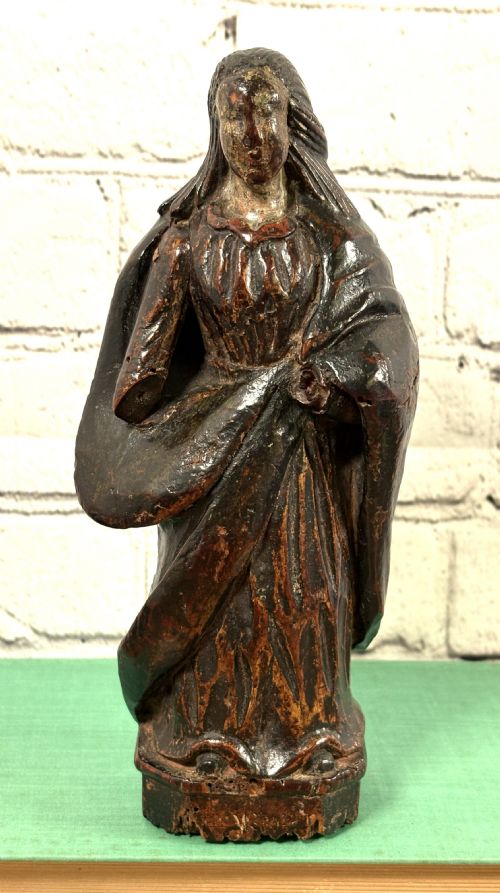


Sacred Art Carving
These sacred art carving pieces are devotional wooden figures and panels from centuries past, sought after for their tangible expression of faith and hand-carved historical depth.
Sacred Art Carving
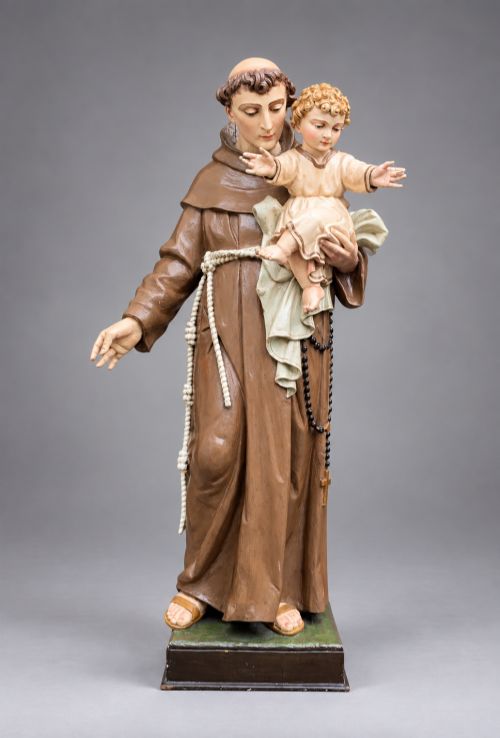
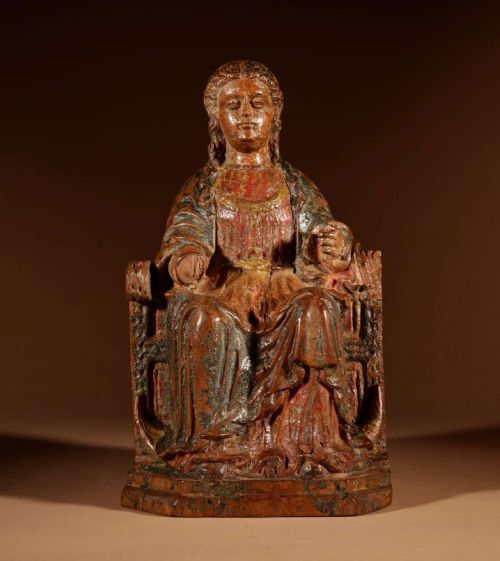
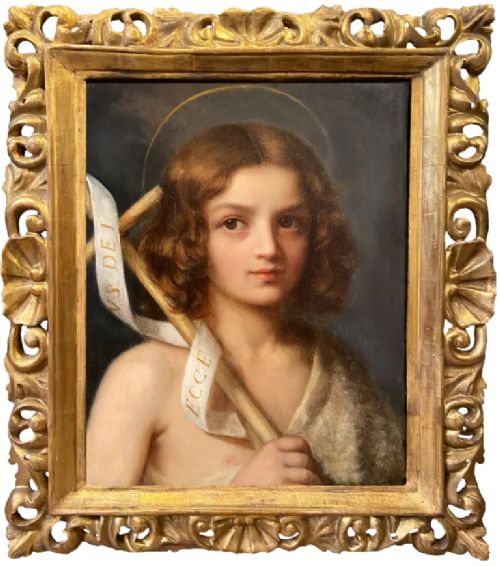
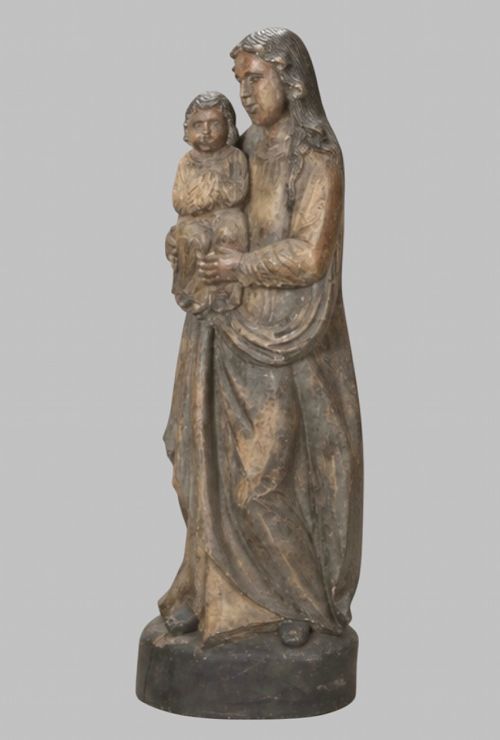
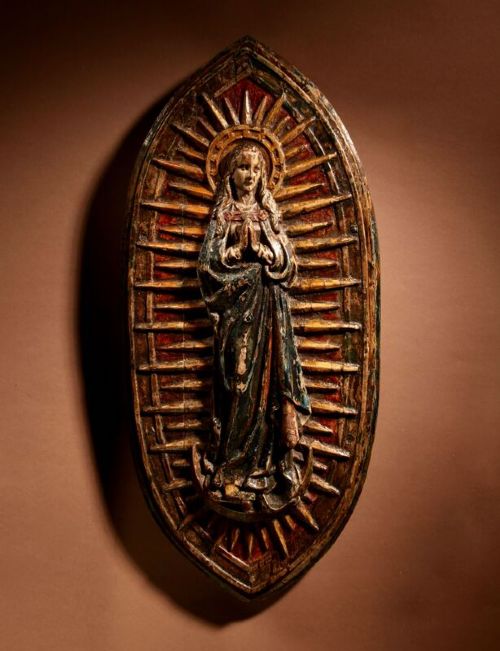
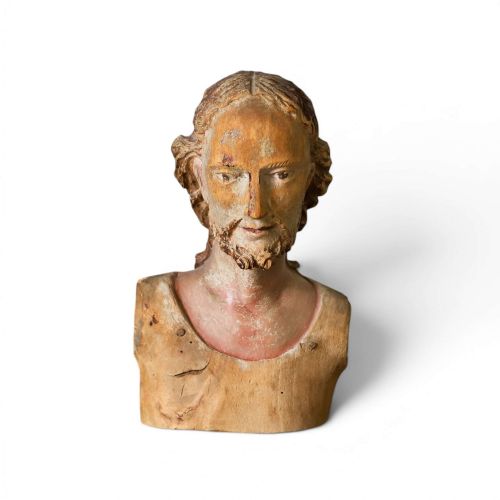
When you search for sacred art carving, you encounter devotional wooden sculptures, panels, and occasional paintings spanning from the pre-16th century through to the early 20th century. The selection ranges from medieval gothic figures of saints and the Madonna to Baroque and Renaissance depictions of Christ.
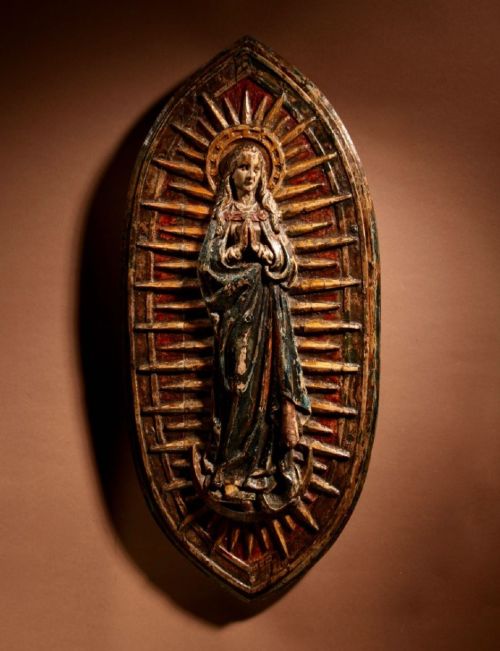
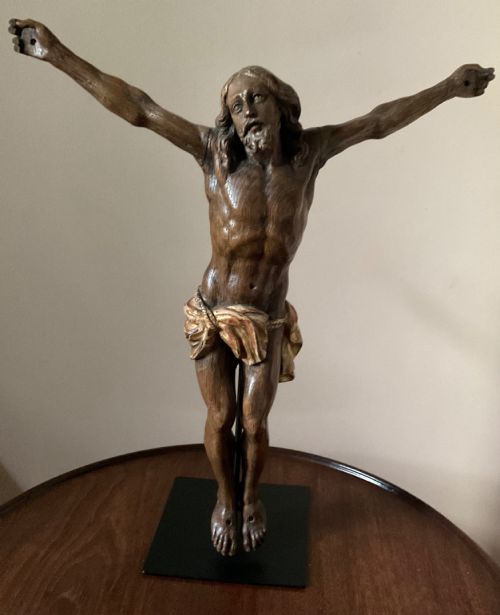
You are most likely to meet oak and limewood devotional figures, alongside walnut and olive wood sculptures. These pieces frequently manifest as standing saints, altarpiece panels, and corpus Christi figures created for European churches and private chapels.
Materials and construction
Carvers shaped these figures primarily from dense timbers such as oak, limewood, walnut, applewood, and pine, working with hand chisels and gouges. Artisans frequently applied gesso as a smooth preparation layer directly onto the wood before adding polychrome paint or laying gold leaf.
Surface decoration often involved intricate parcel gilding and polychrome paint schemes, bringing depth and lifelike colour to the devotional imagery. Over centuries, these layered finishes have acquired natural wear and patination.
Listings span from pre-16th century medieval examples through to the 19th and early 20th centuries, executed in oak, limewood, walnut, and pine.
Assessing quality and execution
The integrity of the timber and the survival of early gesso and polychrome layers dictate the distinction between standard workshop output and exceptional sculptural mastery.
Franz Keller·Juan Ruiz Soriano
The Sacred Art Carving Glossary
- Polychrome
- Decoration in multiple colours applied to the surface of wood sculpture. This technique was widely utilised in religious pieces to impart realism.
- Corpus Christi
- An image or sculpture depicting the body of Jesus Christ on the cross. These figures form the central focus of historic crucifixes.
- Gesso
- A plaster mixture used as a base coat on wood before painting or gilding. It provides a smooth surface for the application of gold leaf and pigments.
- Parcel Gilt
- A method where only specific areas of an object are covered in gold leaf. This creates contrast against the exposed wood or painted background.
- Altarpiece
- A structured artwork such as a carved panel placed behind an altar. Central panels often feature high-relief figures of saints or the Virgin Mary.
Sacred Art Carving: Frequently Asked Questions
How were polychrome sculptures painted?
Artisans applied a white gesso ground directly onto the carved wood surface to seal the grain and create a smooth base for pigments. Natural mineral and earth paints were bound with mediums like egg tempera or oil.
Guilds often finished these surfaces with delicate applications of gold leaf to highlight halos, garments, and divine attributes.
How do I identify the period of a wooden carving?
Dating relies on stylistic clues such as the rigid drapery folds of medieval gothic work versus the naturalism of the Renaissance and Baroque periods. Tool marks, wood species, and the ageing pattern of the underlying gesso also provide clues.
Examining the construction methods and joinery helps place the piece within a specific century.
Where were these carvings originally displayed?
These pieces originated in churches, abbeys, roadside shrines, and private domestic chapels across Europe. Larger works formed parts of elaborate altarpieces, while smaller figures stood in domestic niches for personal prayer.
They functioned as visual aids for religious instruction and contemplation.
How do I care for antique wood carvings?
Keep wooden sculptures in stable indoor environments away from direct sunlight and sudden temperature shifts. Excessive heat or dryness causes timber to split and fragile polychrome paint to flake.
Dust gently with a soft, dry brush and avoid chemical polishes or water on historic surfaces.