

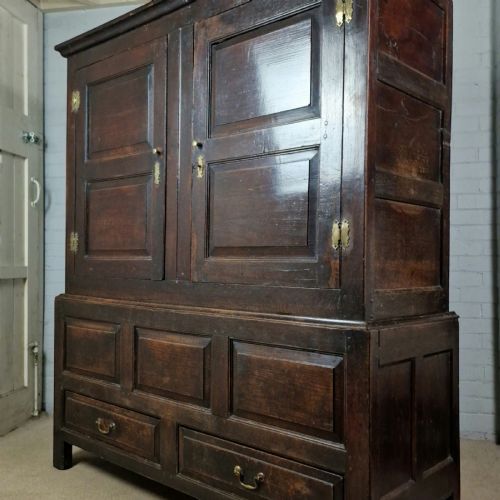

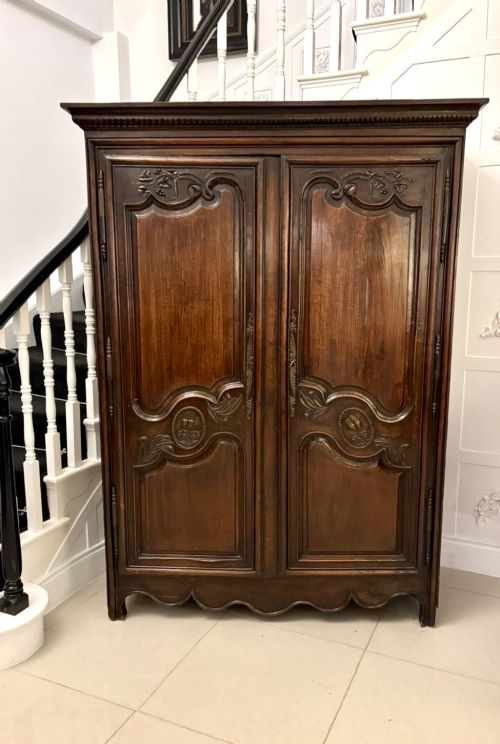
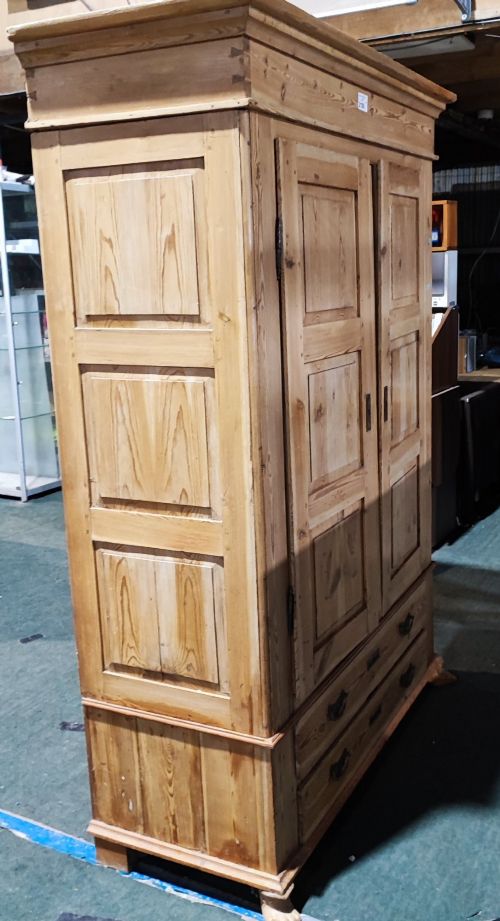
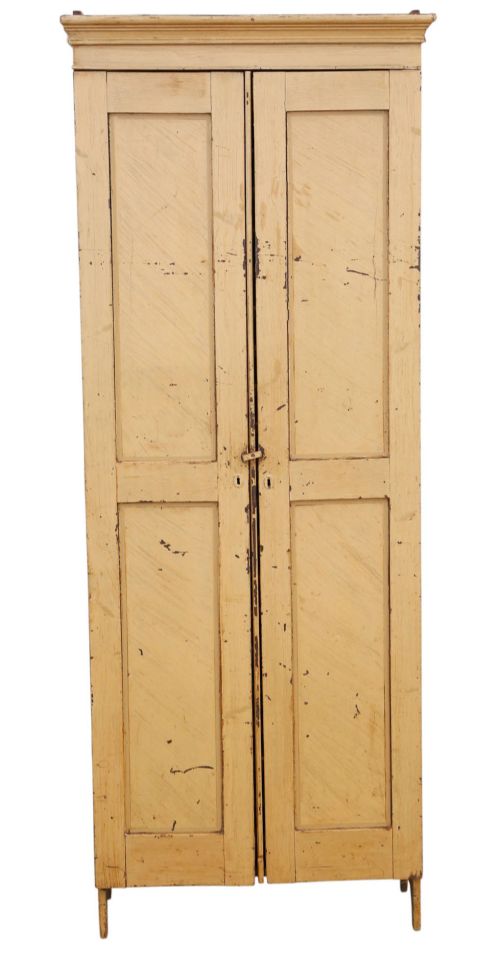
Rustic Wooden Press
A rustic wooden press combines utility and heritage, bringing sturdy storage and provincial character into modern rooms.
Rustic Wooden Press
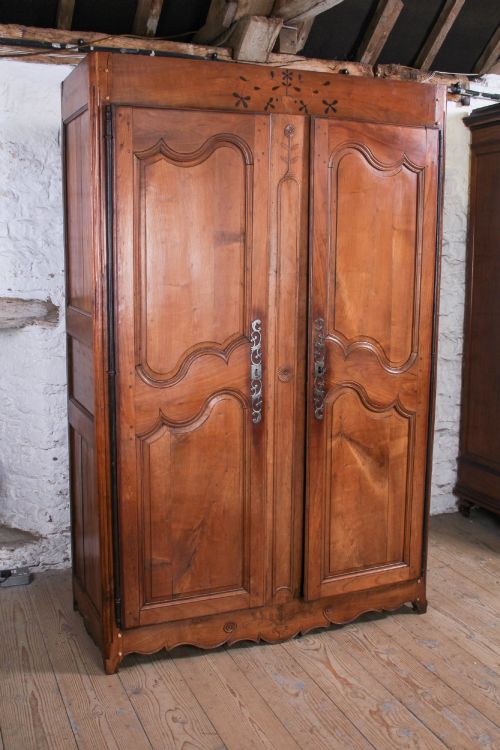
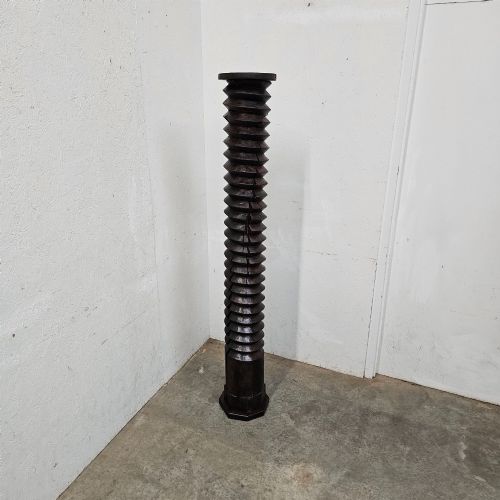
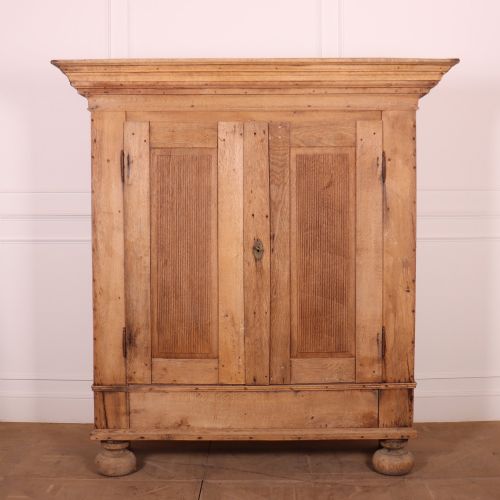
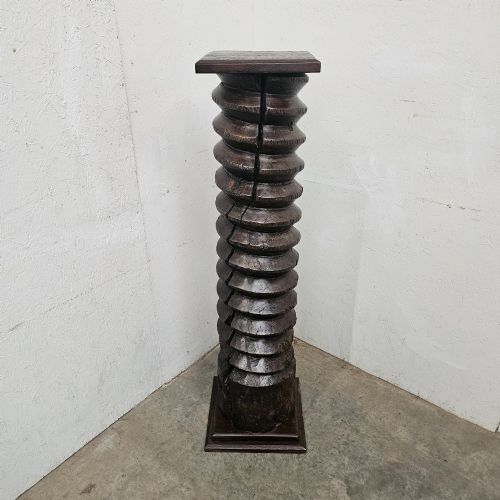
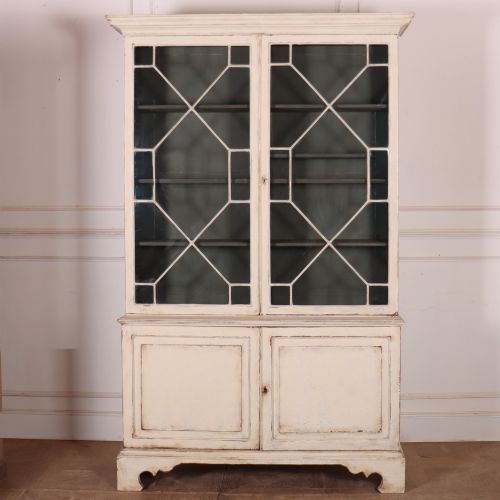
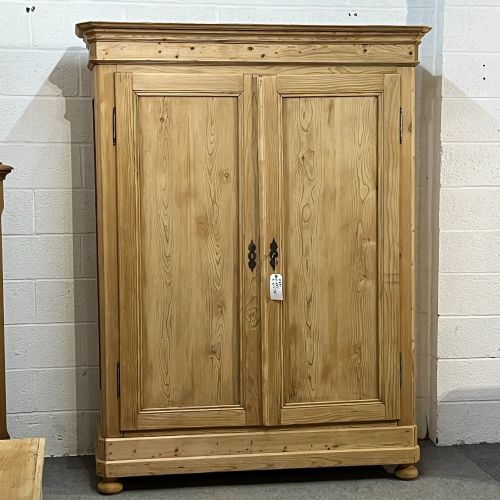
A rustic wooden press encompasses large storage cupboards, linen presses, wardrobes, and specialised functional screws like wine and cheese presses originating from various European regions. Buyers seeking a rustic wooden press encounter pieces designed for practical domestic storage, featuring deep shelving, hanging space, or internal compartments.
The selections span distinct historical eras, most notably the eighteenth and nineteenth centuries, alongside Georgian, Victorian, and early twentieth-century examples. Common regional styles include French Provincial, Scandinavian Country, and English Country, reflecting local vernacular building traditions.
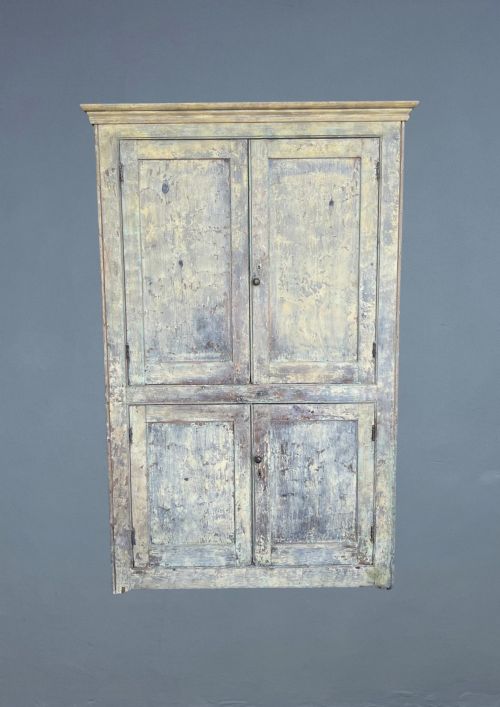
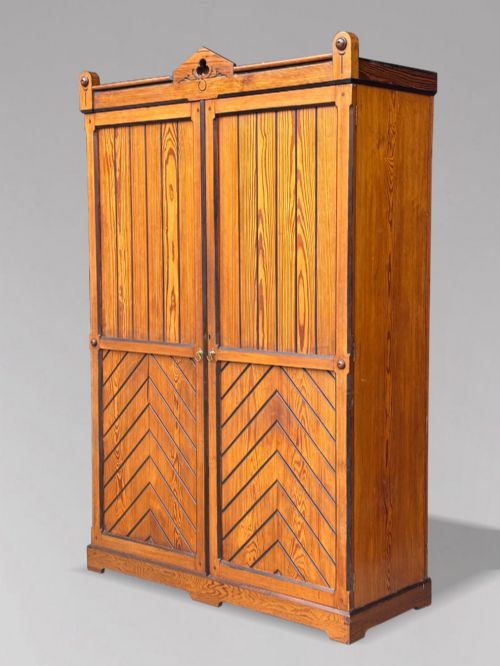
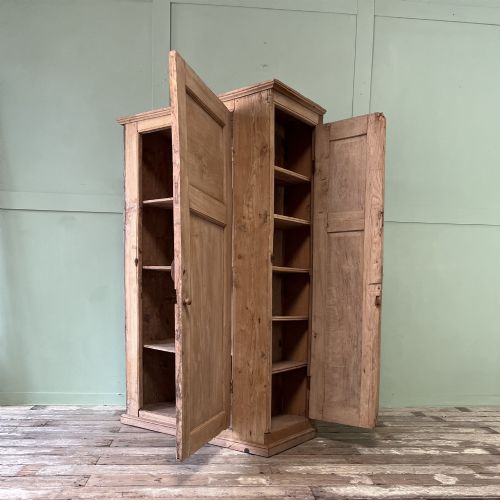
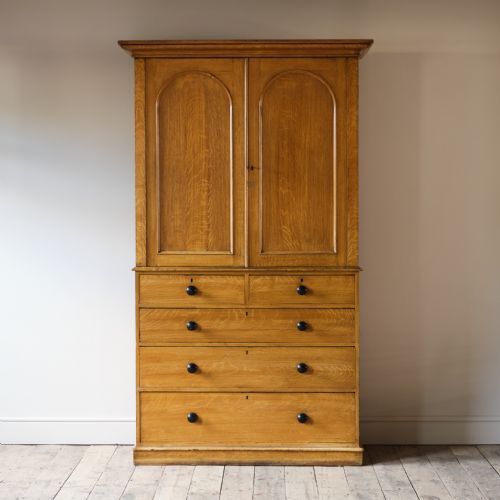
Forms vary from tall narrow housekeeper's cupboards and double wardrobes to low food cupboards and heavy panelled armoires. These pieces serve as focal points in kitchens, hallways, and bedrooms, offering substantial volume for household organisation.
Materials and Construction Techniques
Makers utilised available timbers such as pine, oak, elm, ash, walnut, and chestnut, often selecting softwood for painted regional furniture and hardwood for formal cabinetry. Construction relies on traditional joinery methods, including pegged mortise and tenon joints, hand-cut dovetails, and knockdown frameworks designed for disassembly.
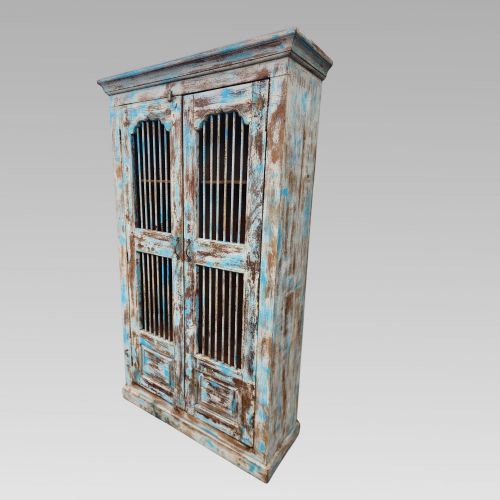
Iron and brass hardware feature heavily, providing structural support through strap hinges, escutcheons, and heavy-duty screw mechanisms. Surfaces display varied finishes, from raw waxed timber and hand-carving to original layers of paint in cream, blue, grey, and black.
Rustic Wooden Press Retail Price Guide 2026
Typical asking prices for rustic wooden press among the pieces listed under this phrase on Sellingantiques today, from the lower quarter to the upper quarter. They describe what is for sale here now, not the wider market.
Several cupboards retain their original harness and tack fittings, having once lived in provincial stables rather than grand dining rooms.
Evaluating Quality and Authenticity
Quality rests in the integrity of the timber selection, the preservation of original surfaces, and the subtlety of hand-carved details or mouldings. Superior examples retain their original paint layers, hardware, and internal shelving without extensive modern timber replacement.
Proportion and scale dictate desirability, with well-balanced cabinet doors, functional knockdown systems, and crisp joinery separating vernacular workshop pieces from mass-produced later equivalents.
The Rustic Wooden Press Glossary
- Linen Press
- A tall piece of furniture designed for storing folded textiles and garments, typically featuring sliding trays or shelves behind upper doors. Early versions often incorporate a heavy wooden screw mechanism to press linens flat.
- Armoire
- A large wardrobe or cupboard, traditionally used for storing arms or clothing. French and continental variants often display deep panelled doors and provincial mouldings.
- Knockdown
- A method of construction where large furniture pieces are assembled using pegs or wedges rather than permanent glue, allowing them to be taken apart for transport.
- Vernacular
- Architecture and furniture design created informally by local craftsmen using regional materials and traditional techniques, prioritising utility over high-style academic design.
- Escutcheon
- A protective plate surrounding a keyhole, often cast in brass or iron on cupboard doors to prevent timber wear.
Rustic Wooden Press: Frequently Asked Questions
How do I use a rustic wooden press today?
These pieces function brilliantly as everyday wardrobes, kitchen larders, or linen storage cupboards in modern homes. Their deep shelves and generous hanging spaces accommodate contemporary storage needs while adding distinct historical character to a room.
Positioning a large cupboard in a hallway or bedroom creates an immediate visual anchor. Ensure you measure ceiling heights and access routes carefully, as many period items possess substantial proportions.
What is the difference between a linen press and a wardrobe?
A traditional linen press specifically houses sliding internal trays or shallow shelves designed for stacking folded linens and textiles. Many period examples also include a mechanical screw press integrated into the upper section.
Wardrobes focus primarily on vertical hanging space for garments rather than horizontal shelving. However, many antique country pieces combine both configurations behind large double doors.
How do I identify the period of a wooden press?
Dating relies on examining construction methods, timber types, and hardware fixtures. Eighteenth-century pieces often feature hand-planed surfaces, pegged joinery, and wrought iron strap hinges.
Nineteenth-century and later vernacular items commonly introduce machine-sawn elements, standardised brass fittings, and painted finishes reflecting regional Scandinavian or Victorian tastes.
Should I choose waxed wood or painted furniture?
The choice depends on your interior aesthetic and the historical surface of the piece. Waxed finishes highlight the natural grain and warmth of old pine, oak, or walnut.
Original painted surfaces, whether cream, blue, or grey, preserve the vernacular folk art tradition of rural European workshops. Avoid stripping paint if the surface possesses genuine historical age.