



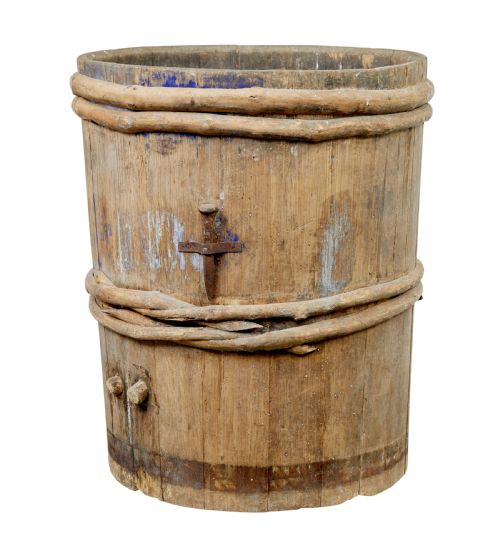


Rustic Wooden Planter
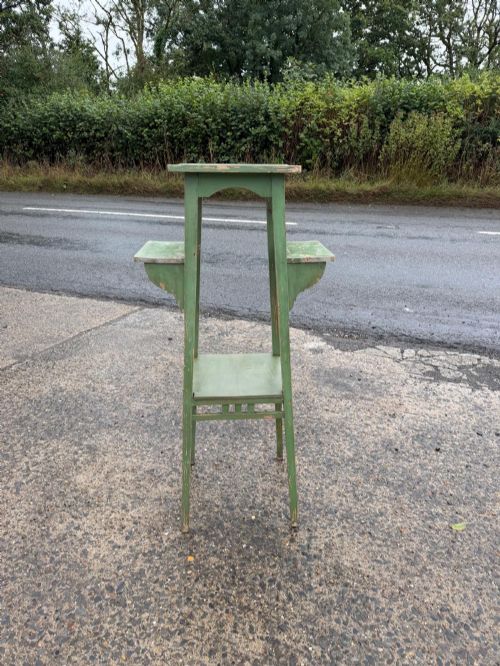
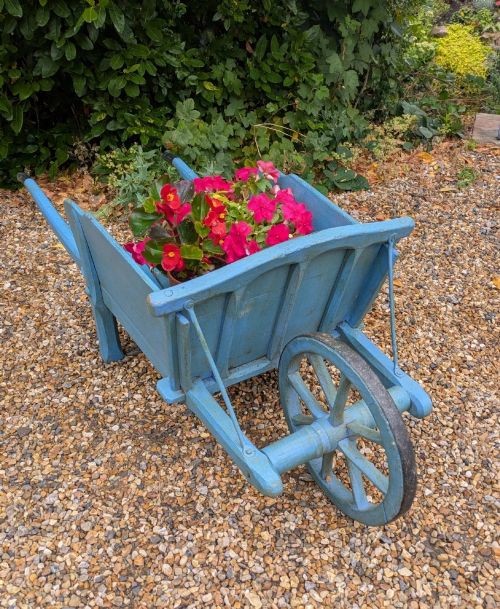
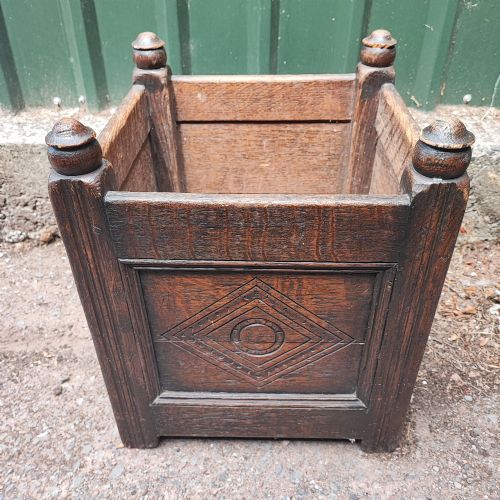
A rustic wooden planter brings tactile warmth to a room, offering functional vessels shaped from pine, oak, and elm.
Rustic Wooden Planter
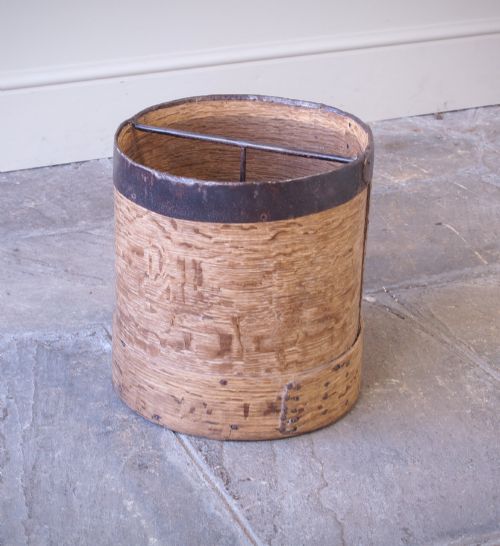
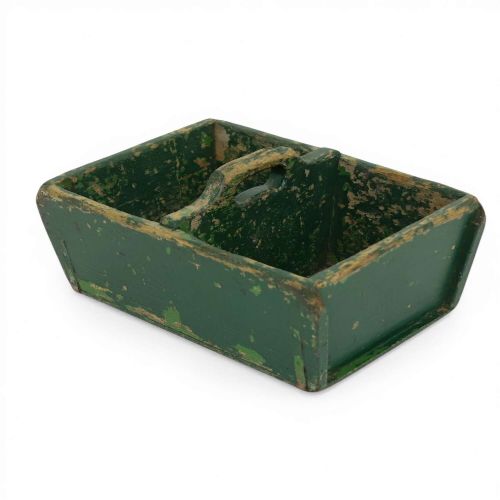
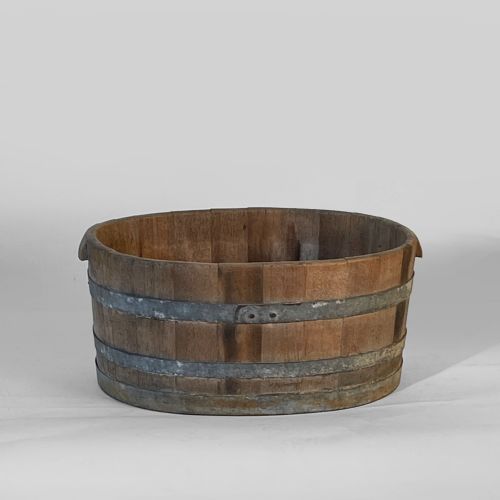
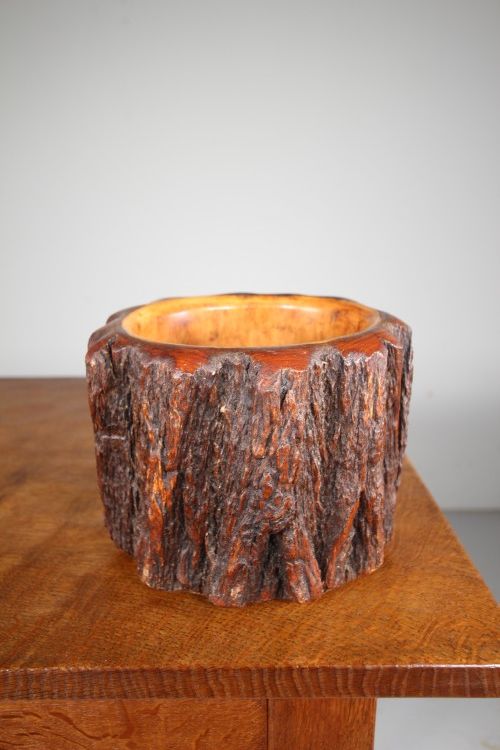
A rustic wooden planter encompasses a diverse group of vernacular vessels, ranging from coopered buckets and barrels to carved dough bins, harvest baskets, and dug-out tree trunks. These utilitarian containers transition naturally from former service in gardens, laundries, and farmhouses to interior displays for foliage.
The selection on this page spans periods from the Georgian era through the Victorian period and into the early twentieth century, drawing on regional traditions including English, French, Scandinavian, and Chinese provincial workshops.
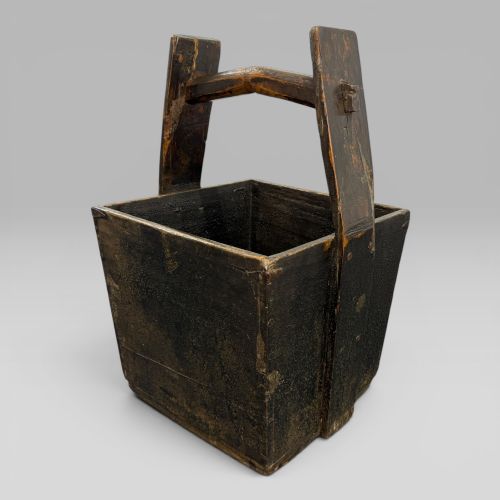
Forms such as coopered well buckets, trugs, and log boxes dominate the offerings, each retaining the robust character of its original working life.
How they were made
Construction relies heavily on traditional cooperage, joining shaped staves of oak, pine, or elm with iron bands, hoops, and wrought iron hardware to hold watertight or heavy dry contents.
Other examples utilise solid timber carved directly from tree trunks, creating dug-out vessels that display the natural grain and contours of the wood.
Surface finishes vary from unadorned timber and hand-carved textures to surviving coats of original paint and regional treatments.
The object forms include coopered buckets, harvest baskets, dough bins, and dug-out tree trunks originating from English, French, and Chinese workshops.
What varies in quality
Quality rests in the integrity of the construction, where tightly fitted staves, secure metal banding, and well-preserved joinery indicate superior craftsmanship from regional artisans.
The retention of original surfaces, such as weathered paint or patinated oak and elm, elevates pieces beyond standard utility and marks the distinction between ordinary containers and collector items.
The Rustic Wooden Planter Glossary
- Coopered
- Constructed from curved wooden staves bound together by metal hoops, traditionally used for barrels, buckets, and tubs.
- Dough bin
- A deep wooden box with a lid, historically utilised for kneading bread in domestic farmhouses and country kitchens.
- Jardiniere
- An ornamental pot or stand designed to hold growing plants or flowers, often raised on legs or fitted with decorative banding.
Rustic Wooden Planter: Frequently Asked Questions
What were rustic wooden planters originally used for?
These pieces served practical roles in agriculture, domestic labour, and transport, functioning as grain measures, harvest baskets, laundry tubs, and well buckets.
Over time, their sturdy construction and water-resistant properties made them natural candidates for holding fuel, logs, and eventually plants.
How do I care for antique wooden planters?
Keep wooden vessels away from direct heat sources and sudden temperature shifts to prevent the timber from drying out and splitting.
When using them for live plants, place a secondary liner inside the vessel to protect the historic wood and metal bands from moisture damage.
How can I tell the age of a wooden planter?
Dating relies on observing tool marks, the style of the iron banding, and the type of timber used, such as seventeenth-century to Victorian oak or nineteenth-century Scandinavian pine.
Signs of heavy hand labour, forged iron rivets, and authentic patination help distinguish older vernacular items from twentieth-century reproductions.
What woods were commonly used for these planters?
Maker workshops selected domestic hardwoods and softwoods based on availability and the intended function of the container.
Oak, pine, elm, and sycamore appear frequently across English, French, and Scandinavian examples, chosen for their durability and grain patterns.