

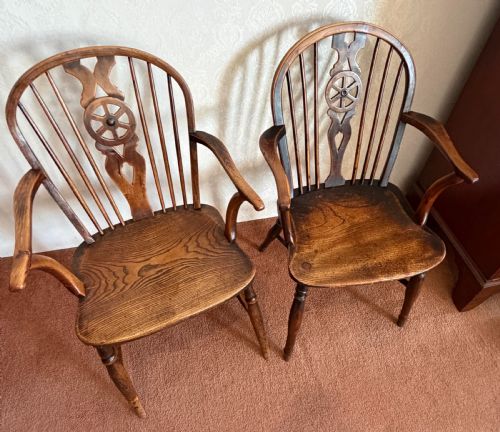


Rustic Wooden Desk Seat
These rustic wooden desk seat examples span the eighteenth and nineteenth centuries, offering solid vernacular charm and sturdy timber construction for daily sitting.
Rustic Wooden Desk Seat
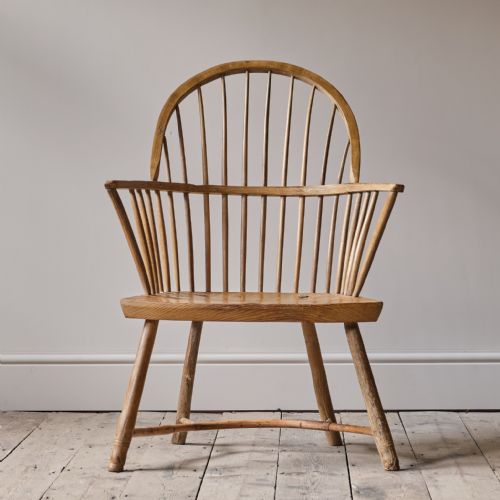
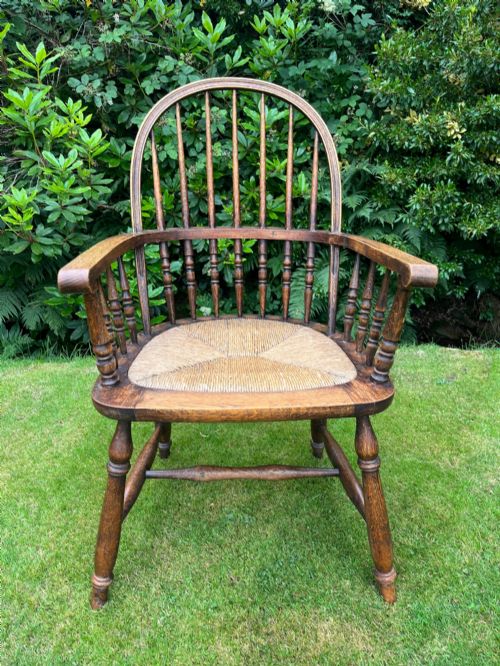
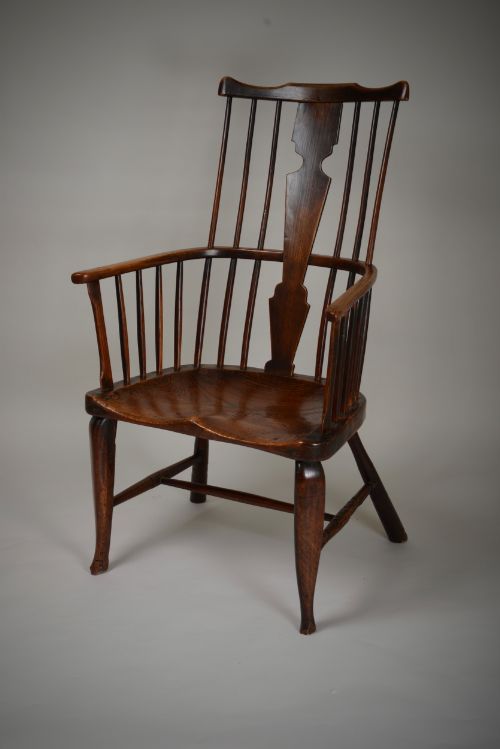
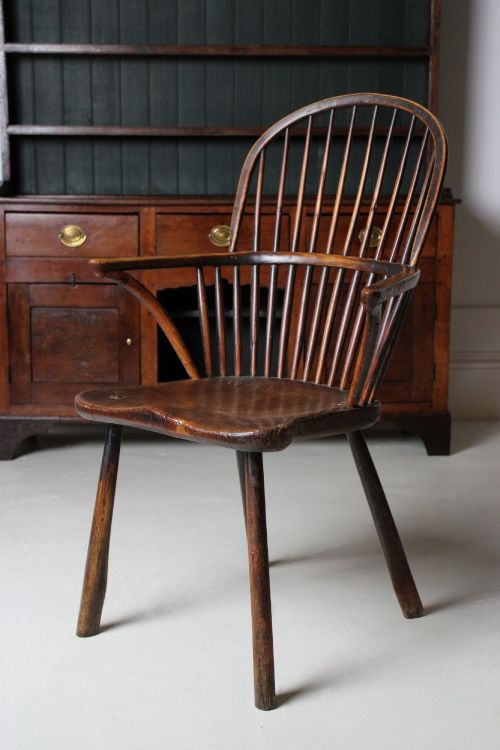
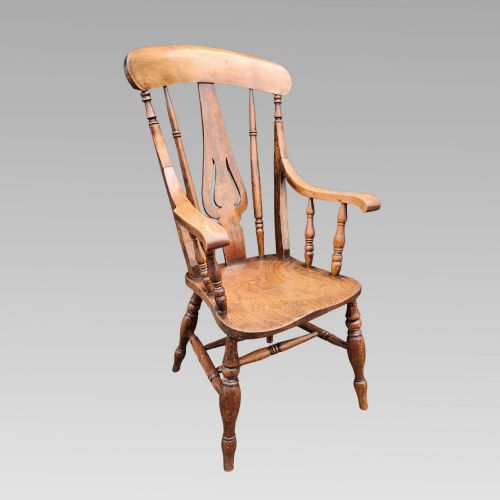
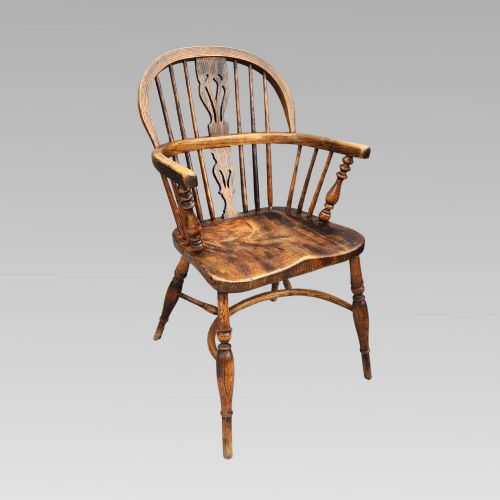
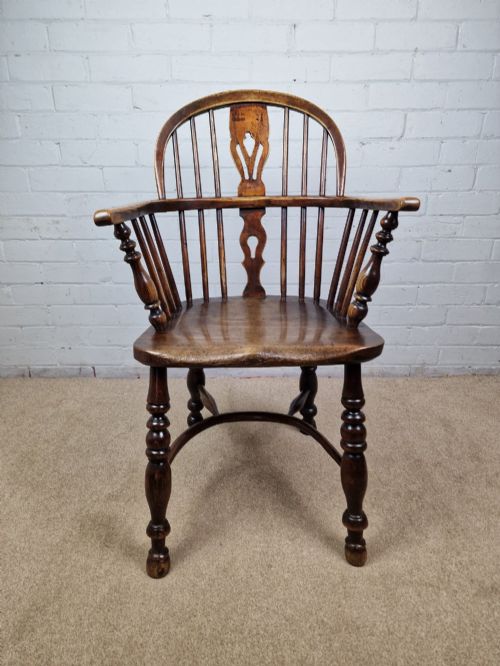
A rustic wooden desk seat typically takes the form of a Windsor or vernacular farmhouse armchair shaped for study or parlour use. These chairs emerge from English country traditions across the eighteenth and nineteenth centuries, including regional variants from the Thames Valley, Nottinghamshire, and Yorkshire.
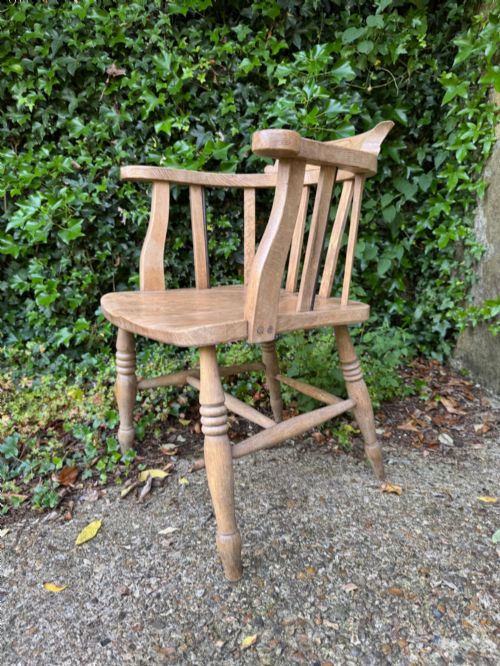
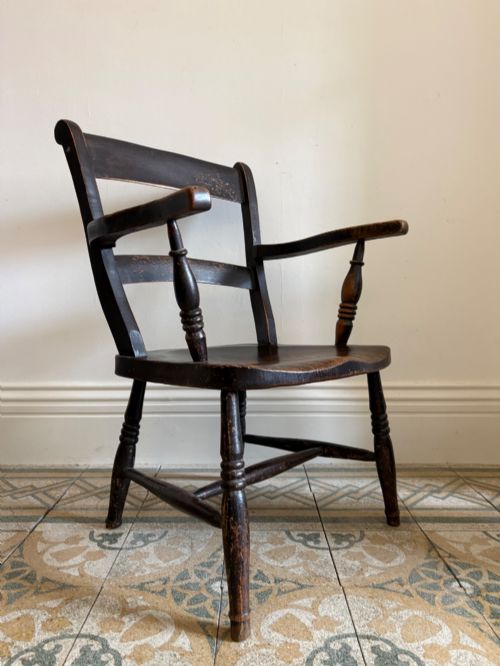
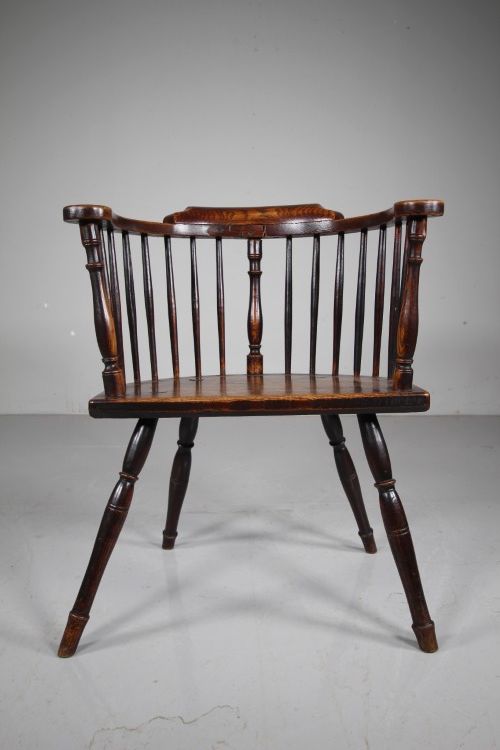
The dominant forms on this page include high-back and low-back Windsor chairs, smokers' bows, and Captain's chairs. Makers built these practical seats using local timbers to provide durable support in domestic studies and country houses.
How they were made
Joiners and country cabinetmakers constructed these seats by combining multiple timber species within a single frame, selecting strong woods for specific structural demands. Elm provided a tough, non-splitting surface for carved saddle seats, while ash, beech, and yew supplied flexible spindles and bentwood hoops.
Thames Valley workshops and regional makers utilised traditional bodging techniques, turning legs and spindles on pole lathes in woodland clearings before assembling the components with wedges and dowels.
The listings span the eighteenth and nineteenth centuries, including Georgian and Victorian periods, with materials featuring elm, ash, beech, oak, yew, fabric, and rush.
What varies in quality
Quality rests in the selection of figured timber, particularly in yew wood grain and deep elm seat platters, alongside the complexity of the spindle arrangement and back design. Pieces featuring comb backs, wheel backs, or lyre motifs demonstrate greater maker skill than plain vernacular forms.
Structural integrity depends on the original wedge joints remaining tight and the undercarriage stability, while surface patination and honest wear from generations of use distinguish superior examples from heavily restored ones.
The Rustic Wooden Desk Seat Glossary
- Windsor chair
- A chair built with a solid wooden seat into which the legs and back spindles are separately inserted rather than joined to a central frame. This construction method defines the core of country vernacular seating.
- Smokers bow
- A sturdy low-back armchair with a rounded continuous arm rail supported by turned spindles, often used in offices and smoking rooms. These comfortable seats share construction traits with Windsor chairs.
- Comb back
- A Windsor chair design where the top of the back rail resembles the teeth of a comb, extending the vertical spindles upwards. This regional variation adds height and decorative emphasis.
- Saddle seat
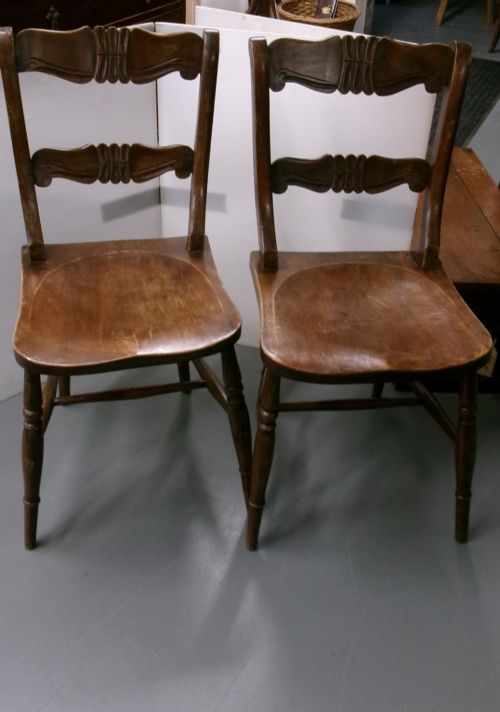
- A wooden seat base scooped and carved to echo the contours of a riding saddle for ergonomic comfort. Makers shaped elm planks deeply to achieve this effect.
- Bodge
- To produce turned wooden chair parts outdoors in the woods using a pole lathe. This method supplied rough components to regional workshops.
Rustic Wooden Desk Seat: Frequently Asked Questions
How do I identify a Thames Valley Windsor chair?
Thames Valley pieces often feature yew wood construction combined with crinoline stretcher frames and distinctive wheel or splat back designs. These regional details separate them from northern vernacular chairs.
Makers in this southern region utilised rich timbers and refined turning techniques that set their seating apart from simpler provincial farmhouse chairs.
What is the difference between a high-back and low-back Windsor?
High-back Windsor chairs provide extended head and shoulder support via tall arrays of turned spindles or a central splat. They suit formal reception spaces and studies.
Low-back variants, including smokers' bows and Captain's chairs, keep the upper back open and lower down, allowing easier arm movement while sitting at a desk or table.
Are these chairs suitable for daily desk work?
These historical country chairs were built for practical daily use, featuring ergonomic carved saddle seats and supportive spindle backs. Their sturdy elm and ash frames handle regular sitting.
Placing them at a modern desk requires checking the seat height against the writing surface, as eighteenth and nineteenth-century proportions can sit lower than contemporary office chairs.
How can I tell an eighteenth-century chair from a Victorian one?
Eighteenth-century examples generally display earlier vernacular traits such as simpler three-piece bent hoops, deep country patination, and robust ash or elm components. Georgian country pieces emphasise utilitarian strength.
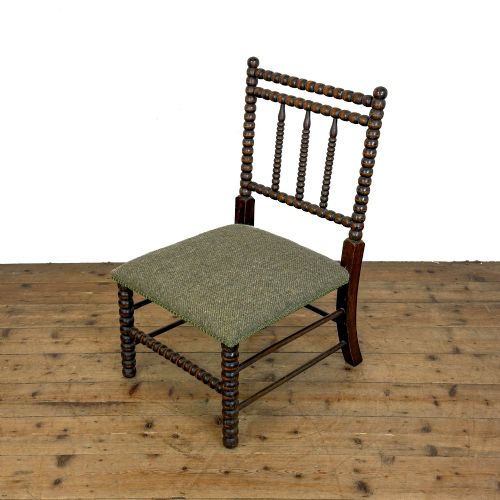
Victorian versions frequently introduce more decorative elements like bobbin turnings, lyre splats, and applied ebonised finishes, reflecting later industrial production methods and revival styles.