
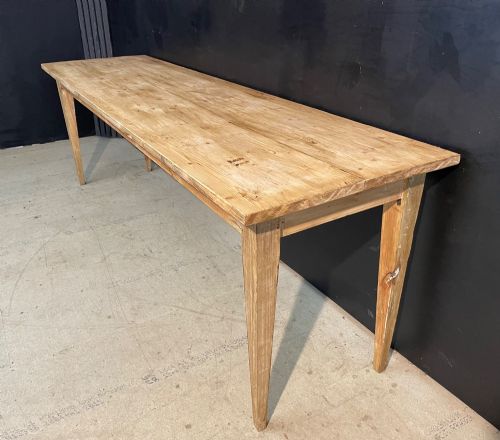
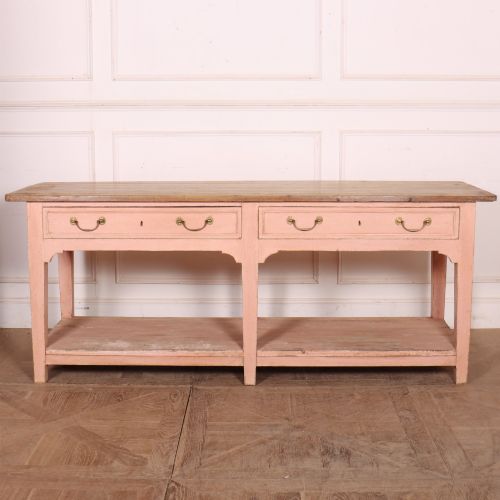
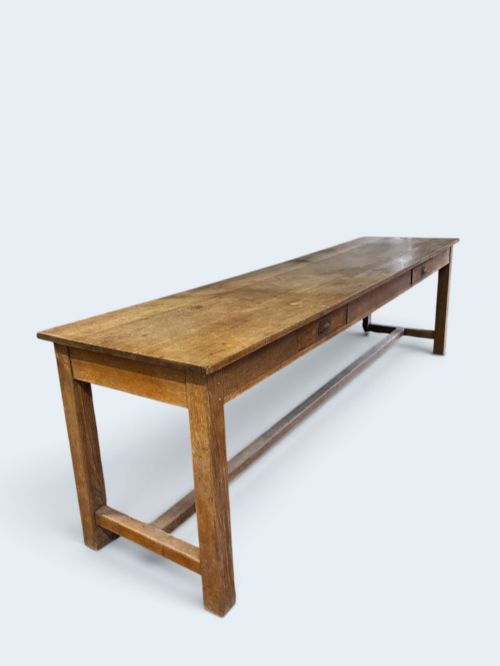
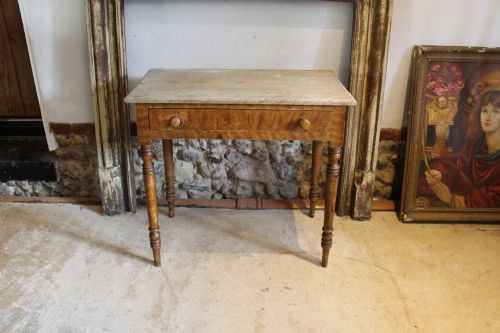

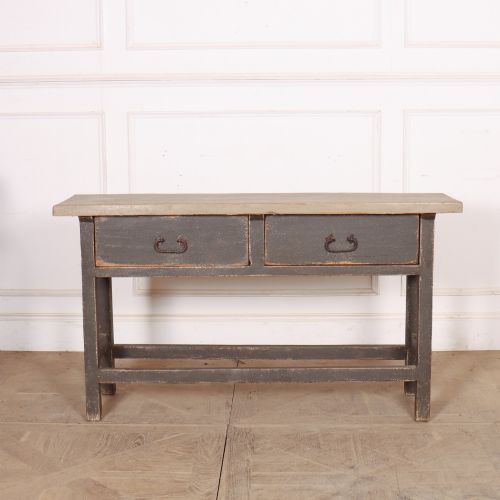
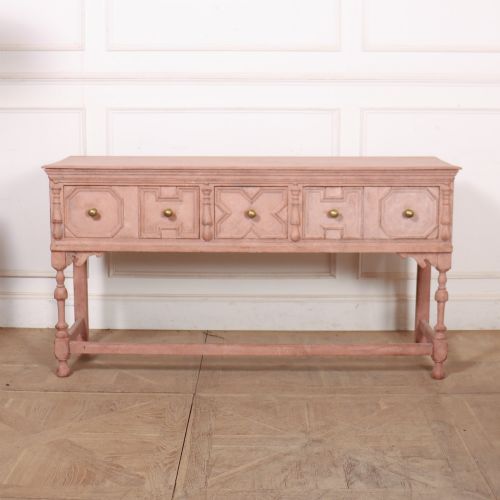
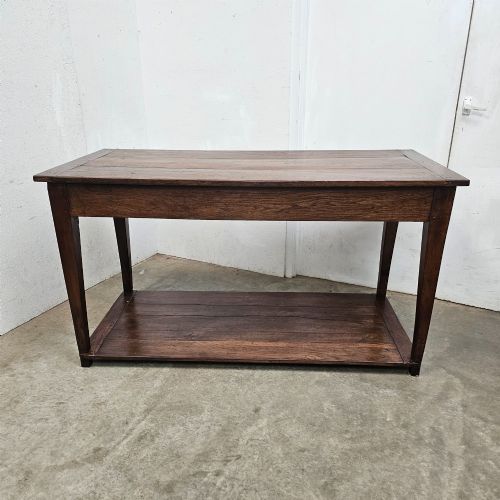
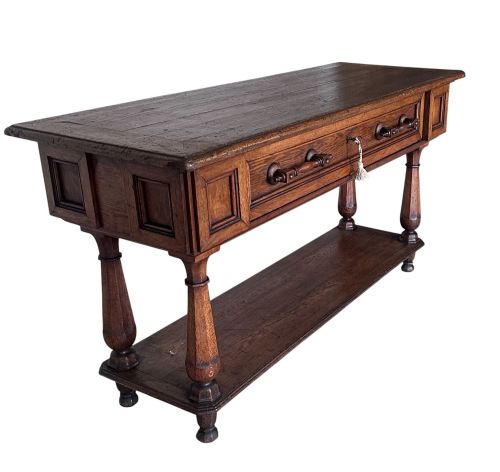
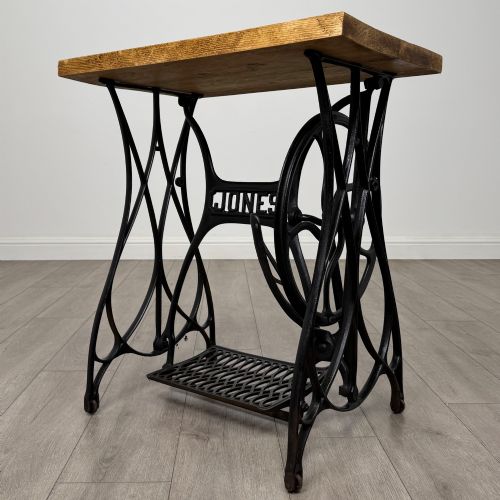
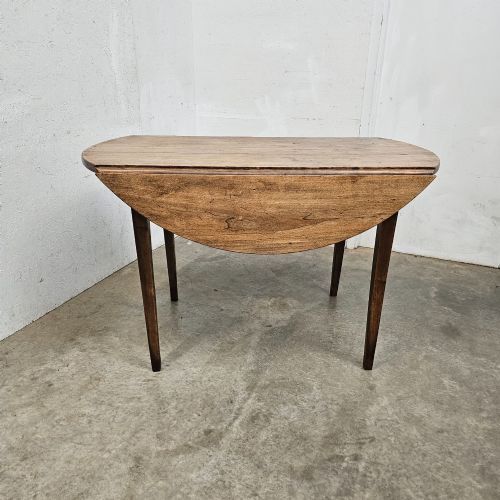
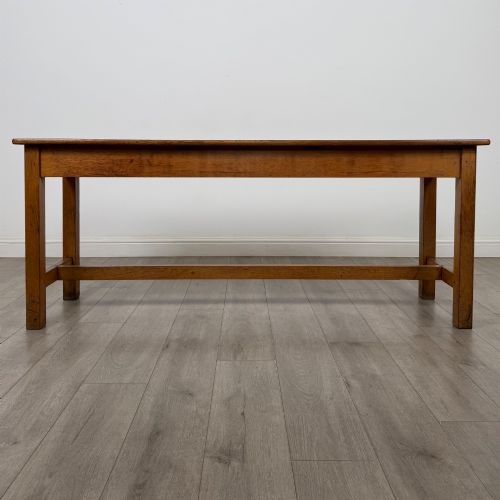
Rustic Wooden Console Table
These rustic wooden console table pieces bring honest, textured warmth to a hallway or living space through plain utility.
Rustic Wooden Console Table
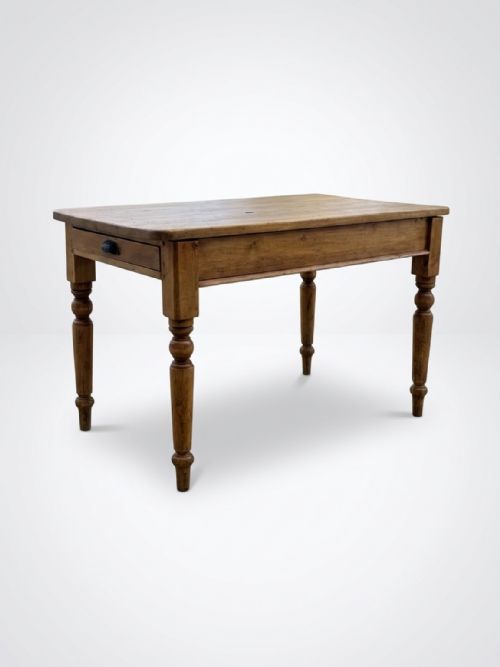
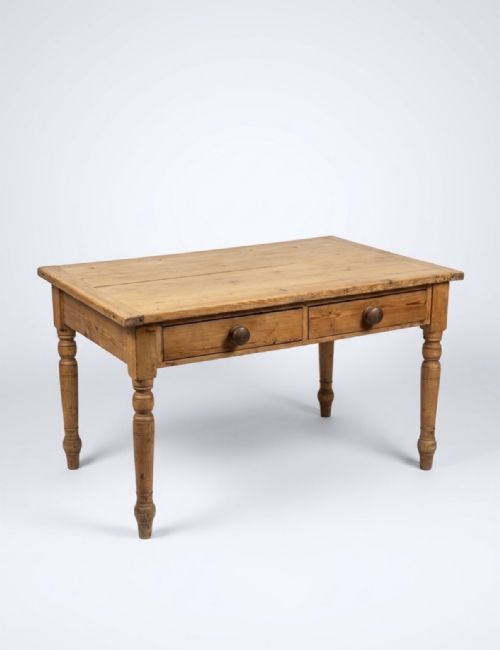
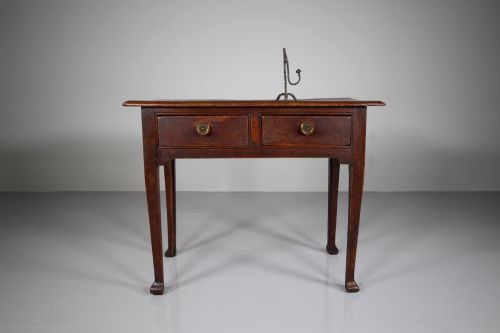
A rustic wooden console table search gathers practical side pieces, serving tables, and dresser bases shaped for daily domestic labour in past centuries. You will mostly encounter pine and oak examples dating from the 18th century through to the early 20th century.
The forms originate from kitchens, sculleries, and country houses where solid timber mattered more than polite finish. Workshops across England, France, Wales, Scotland, Italy, and China produced these sturdy boards and trestles for heavy use.
Many items double as side tables, work tables, and tavern tables, reflecting an era when furniture moved freely between rooms as needs shifted. Their narrow proportions suit modern halls and narrow living spaces just as well as original farmhouses.
How they were made
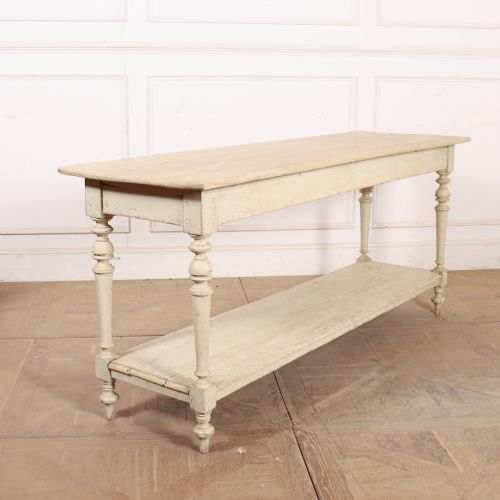
Makers relied on solid native timbers such as pine, oak, elm, sycamore, and fruit wood, joining heavy tops to robust legs with pegged joints and drawers. Surfaces often display original paint, scumble finishes, or scrubbed timber scrubbed clean by decades of water and scrubbing brushes.
Iron and brass fittings appear selectively on handles and braces, adding structural strength where joints take the greatest strain. Construction prioritises utility, leaving tool marks and natural grain variations visible across every surface.
Regional forms on this site include Welsh dresser bases, French laundry tables, and Italian farm tables.
What varies in quality
Quality rests in the integrity of the timber and the depth of surface patina earned through age and service. Pieces retaining their original paint or untouched scrubbed surfaces stand apart from those stripped down or over-restored.
Proportion and construction weight separate utilitarian workshop pieces from finer domestic furniture. Strong joints, original boards, and balanced proportions determine whether a piece holds its character over centuries.
The Rustic Wooden Console Table Glossary
- Potboard dresser base
- A low kitchen storage unit featuring an open lower shelf for stacking pots and heavy crockery.
- Scumble
- A translucent oil-based glaze applied over a lighter painted ground to simulate the grain of more expensive hardwoods.
- Scullery table
- A heavy, water-resistant utility table designed for food preparation and washing tasks in the domestic service areas.
- Tavern table
- A robust pub or inn table built with thick wooden tops and sturdy stretcher frames to withstand constant public use.
- Patina
- The soft sheen and complex coloration developed on wooden surfaces through handling, wax, and age.
Rustic Wooden Console Table: Frequently Asked Questions
How do I style a rustic console in a modern home?
Place the table in a narrow hallway or behind a sofa to anchor the room with natural texture. Keep the top simple with a ceramic bowl or a stack of books to let the wood grain speak.
Allow the honest marks and worn edges to contrast against clean modern walls. These pieces bring warmth and grounding to neutral contemporary spaces.
Were these tables originally used in hallways?
Most of these tables spent their early lives in kitchens, sculleries, dairies, and farmhouses as working surfaces. They served for food preparation, laundry, and general domestic tasks rather than decorative display.
Their narrow proportions and sturdy frames make them natural fits for modern corridors today. Over time, their practical utility translated easily into hallway furniture.
How do I tell original paint from modern decoration?
Original paint shows natural wear, craquelure, and subtle fading built up over decades of cleaning and use. The surface feels integrated with the wood beneath rather than freshly applied.
Examine areas of friction like drawer edges and leg bases for genuine age and thinning. Modern paint often lacks the varied depth and organic accumulation found on untouched period pieces.
What is the difference between pine and oak versions?
Pine tables tend to be lighter in weight and often carry layers of old paint, scrubbed finishes, or scumble glaze. They originated mainly in sculleries, dairies, and farmhouse kitchens for everyday chores.
Oak examples usually offer a darker, heavier presence with prominent grain patterns suited to serving and dining rooms. Both timbers provide robust support, but oak generally brings a more formal country house character.