


Rustic Wooden Chest
A rustic wooden chest brings tangible history into a room, offering honest utility through centuries-old storage forms.

Rustic Wooden Chest
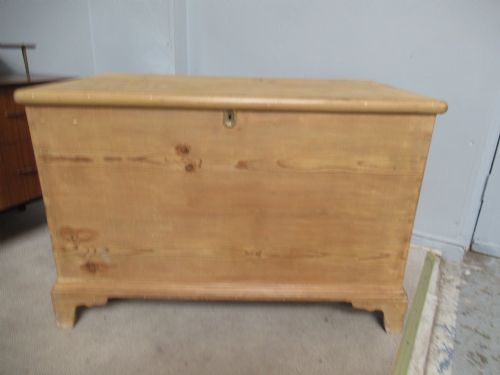
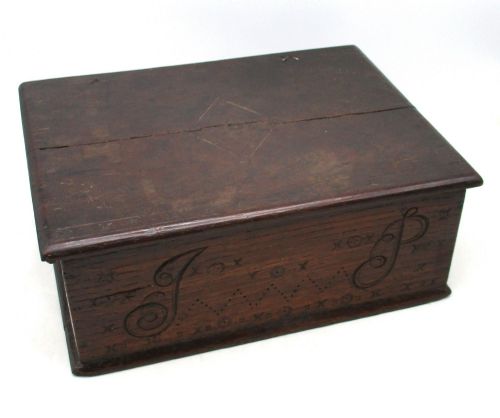
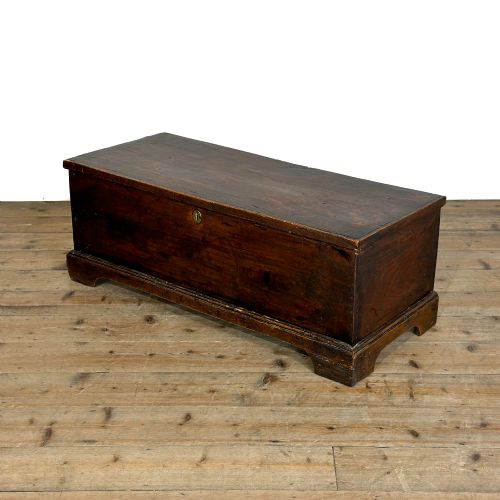
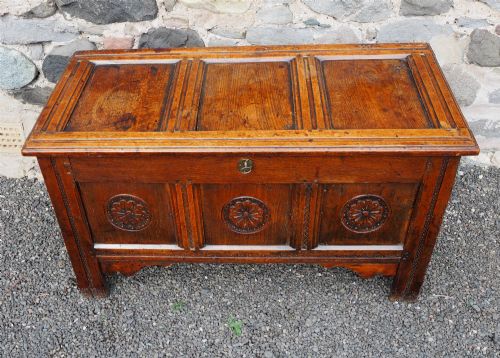
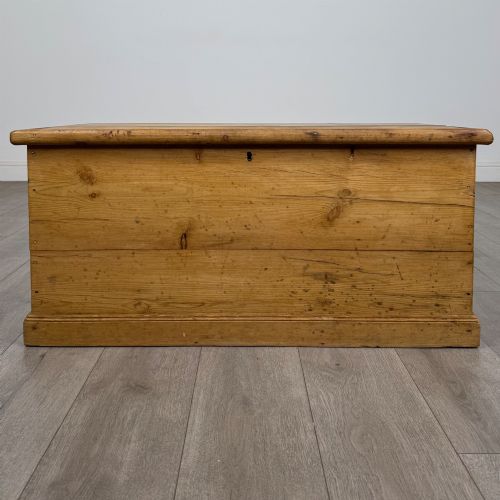
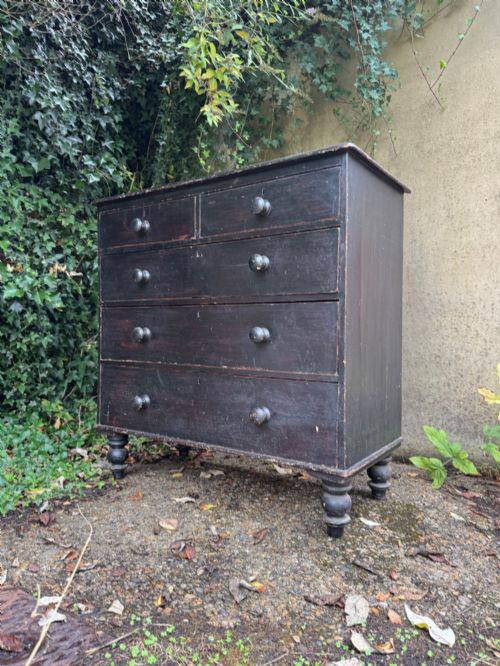
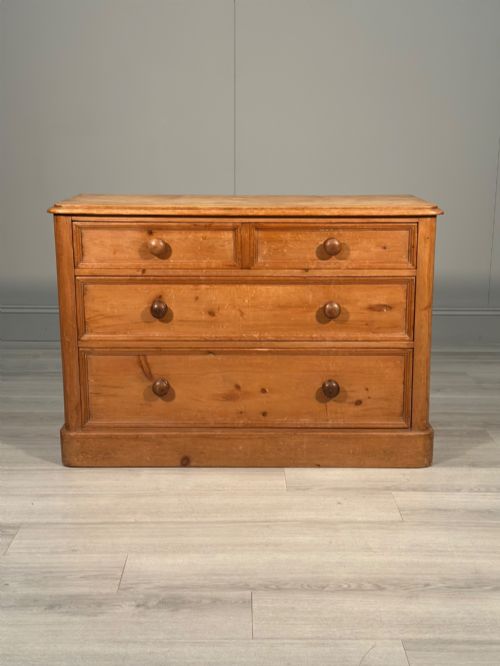
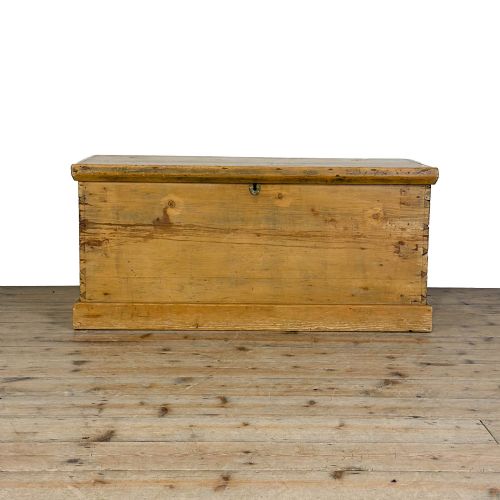
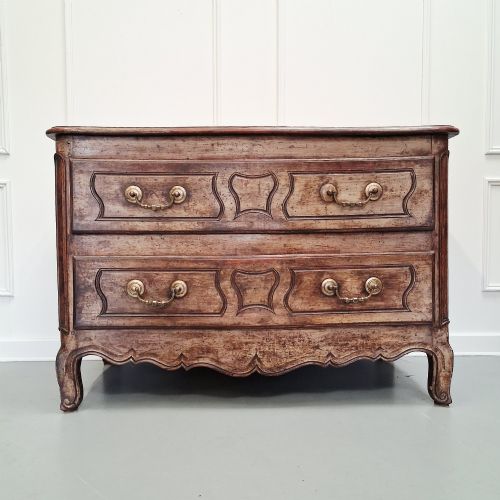
When buyers search for a rustic wooden chest, they encounter a diverse selection of storage forms spanning multiple centuries. These pieces encompass blanket boxes, document boxes, coffers, trunks, and chests of drawers intended for domestic utility.
The pieces most frequently met on this page are pine blanket boxes and oak coffers originating from the seventeenth, eighteenth, and nineteenth centuries. Regional examples such as Welsh and French provincial pieces appear alongside standard English country furniture.
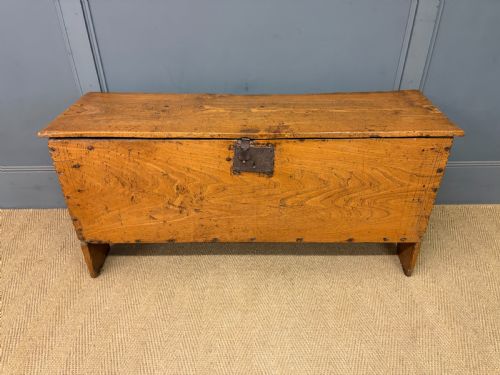
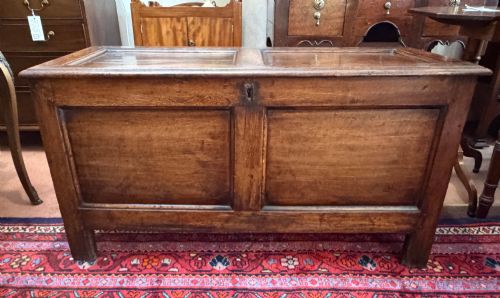
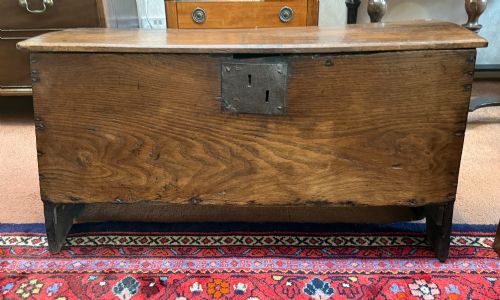
Forms range from simple six-plank construction and tool chests to sophisticated panelled coffers and multi-drawer chests of drawers in oak, elm, and pine. Iron strapwork, brass hardware, and painted finishes frequently accompany these wooden structures.
How they were made
Makers utilised native timbers such as oak, pine, elm, and ash, selecting materials suited to structural demands and regional availability. Oak and elm provided robust strength for early coffers, while softer pine served utility trunks and blanket boxes.
Joinery techniques relied on traditional methods including panelled framing, dovetailing, and six-plank construction. Hand-forged iron strapwork and brass fittings reinforced corners and lids while securing functional hinges.
Listings feature timbers including pine, oak, elm, ash, and brass-fitted metal components across periods spanning from the seventeenth century through the Edwardian era.
What varies in quality
The distinction between tiers rests upon the integrity of the original construction and the preservation of authentic surfaces. Examples retaining untouched patination, original ironwork, and uncompromised timber joints occupy the upper echelon of the market.
Proportion and regional character also dictate distinction, where small proportions or documented provenance elevate a standard storage piece. Conversely, heavy alterations or unsympathetic stripping diminish the historical integrity of the timber.
The Rustic Wooden Chest Glossary
- Coffer
- A heavy wooden box traditionally used for storing valuables, linens, or documents. These storage vessels often feature hinged lids and robust panelled construction.
- Blanket box
- A large chest designed specifically for holding bedding and woollen items. They frequently appear in pine or oak across the Victorian and Georgian periods.
- Six-plank coffer
- A primitive chest constructed from six distinct boards joined directly at the edges. This method represents one of the oldest forms of joined wooden box construction.
- Strapwork
- Decorative or reinforcing metal bands applied across the exterior of a chest. Hand-forged iron examples provide structural stability alongside visual contrast against the wood.
- Commode
- A French term for a low chest of drawers originating in the eighteenth century. These pieces combine domestic storage utility with decorative veneered or solid timber surfaces.
Rustic Wooden Chest: Frequently Asked Questions
What is a rustic wooden chest used for?
These pieces served historical households for storing textiles, documents, tools, and personal valuables safely away from damp floors. Today, they function effectively in modern interiors as coffee tables, blanket storage, and hallway seating.
Their robust timber construction allows them to endure daily domestic use while maintaining historical character.
How do I date an old wooden chest?
Dating relies upon examining construction methods, tool marks, timber species, and hardware styles. Seventeenth-century examples typically feature joined oak panels and hand-wrought iron hinges, whereas nineteenth-century pine boxes show machine-sawn boards and standardised fixings.
Secondary woods and interior linings also offer clues regarding the period of manufacture and subsequent alterations.
What is the difference between a coffer and a trunk?
A coffer generally denotes a heavier, highly structured wooden box featuring framed panels and pegged joints, often associated with earlier centuries. A trunk typically implies a travel or storage container, sometimes covered in leather, canvas, or fashioned from simpler board construction.
Both forms overlap significantly in vernacular terminology over long periods of domestic use.
How do I care for antique pine furniture?
Maintenance requires avoiding direct sunlight and extreme temperature fluctuations that cause timber to warp or split. Periodic application of natural wax helps nourish the surface and preserve the historic patina without sealing the wood.
Harsh chemical cleaners should be avoided entirely to protect original finishes and painted decorations.