
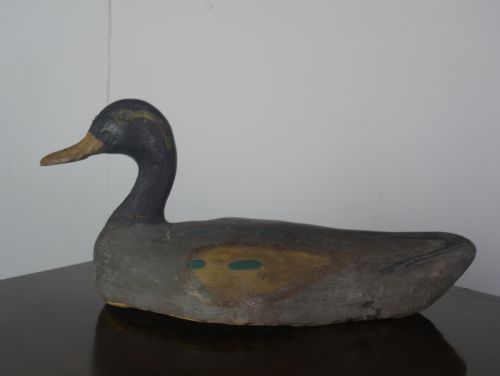


Rustic Wooden Bird Sculpture
A rustic wooden bird sculpture brings the quiet charm of the countryside indoors, capturing the simple form of a wildfowl in carved timber.
Rustic Wooden Bird Sculpture
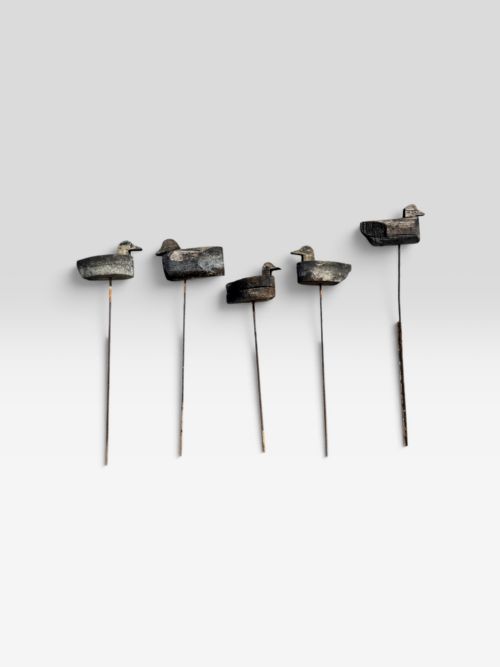
When you search for a rustic wooden bird sculpture, you find working decoys and folk art figures shaped by hand from pine and other native timbers. These pieces served practical purposes on rivers and fields before finding a place on mantels and sideboards.
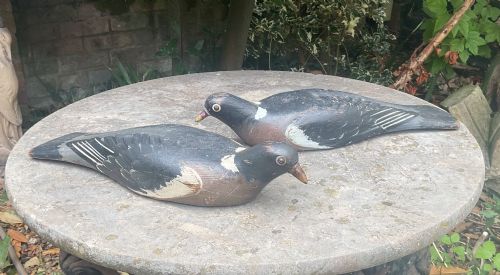
The selections here span the nineteenth century through the nineteen-thirties, taking the form of ducks, pigeons, geese, herons, and doves. English and Scandinavian country traditions dominate the styles, alongside French provincial examples.
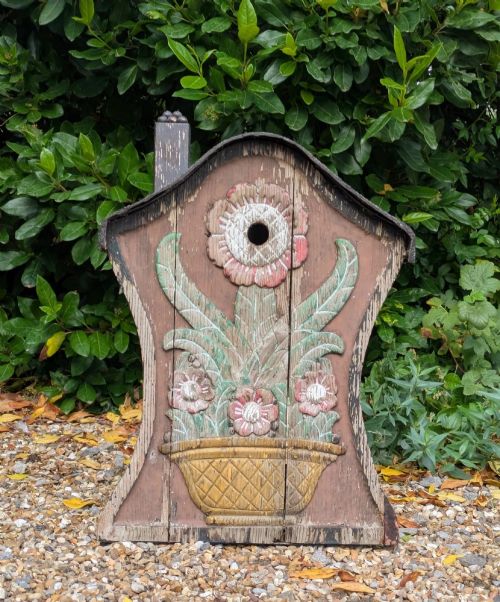
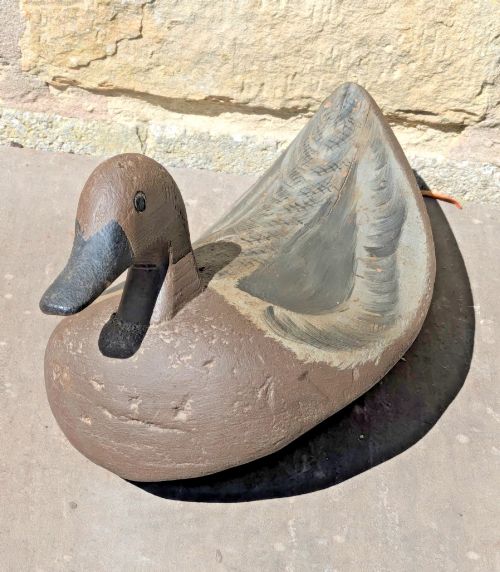
Decoy ducks form the core of what meets the eye, alongside carved pigeons and occasional dovecote figures. Their simple outlines and weathered surfaces define the look of country folk art.
How they were made
Maker's hands shaped these birds from solid timber, utilising pine and carved wood for the main body. Iron and metal components occasionally appear in the construction of working parts or mountings.
Surface decoration relies on simple paint applications that have weathered over decades of use. Papier mâché and straw alternatives appear in specific folk art studies, showing varied regional techniques.
A solitary heron waits quietly in the pine, cast in timber long before it ever saw a riverbank.
What varies in quality
The strength of a carving lies in the character of its silhouette and the honesty of its wear. Pieces retaining their original painted surface hold greater visual depth than those stripped or heavily restored.
Proportion and the handling of the wood grain distinguish an expressive folk art study from a standard utility item. The best examples show the confident hand of a maker working with simple tools.
The Rustic Wooden Bird Sculpture Glossary
- Decoy
- A carved or moulded figure used to attract wildfowl. These working objects form the basis of most rustic bird sculptures.
- Dovecote
- A structure or shelter for domesticated pigeons. Sculptures from these settings often display architectural or decorative forms.
- Pine
- A softwood commonly utilised in country carvings for its accessibility and ease of working. It takes paint well and ages with a soft patina.
Rustic Wooden Bird Sculpture: Frequently Asked Questions
What is a rustic wooden bird sculpture?
These pieces are hand-carved working decoys and folk art figures originally made for shooting or display in rural settings. They capture wildfowl like ducks, geese, and pigeons in simple timber forms.
Most examples date from the nineteenth century up to the nineteen-thirties, reflecting English, French, and Scandinavian country traditions.
How were decoy ducks used?
Hunters placed wooden decoys on water or marsh edges to lure wild birds within range. Their basic shapes and painted markings sufficed to deceive passing flocks.
Over time, exposure to weather created the weathered surfaces and worn paint that collectors value today.
Are these sculptures signed by makers?
Working decoys and folk art carvings were rarely signed, as makers viewed them as utilitarian equipment rather than fine art. Attributions rely on style, timber choice, and regional paint characteristics.
English, French, and Scandinavian origins often show distinct regional traits in the carving style and paint application.
How do I care for antique wood sculptures?
Keep carved wooden birds away from direct sunlight and sudden temperature changes to protect the timber and original paint. Dust them gently with a dry cloth rather than using liquid polishes.
Allowing the surface to remain untouched preserves the historical patina earned over a century or more.