


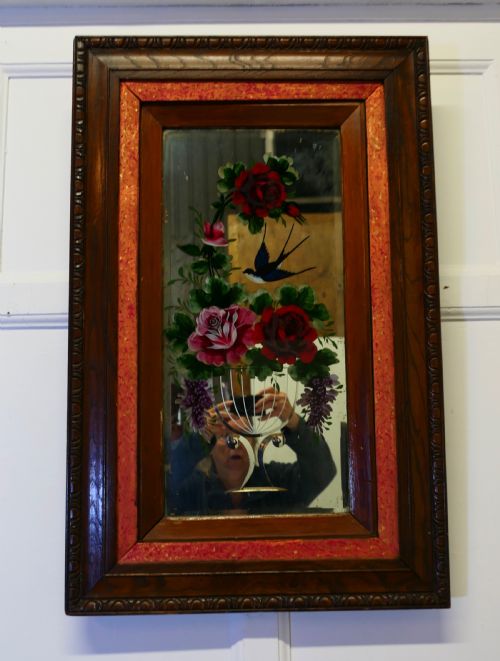
Hand Painted Bird Carving
These hand painted bird carving examples are traditional wooden and porcelain avian sculptures that bring rustic charm and decorative character to an interior.
Hand Painted Bird Carving
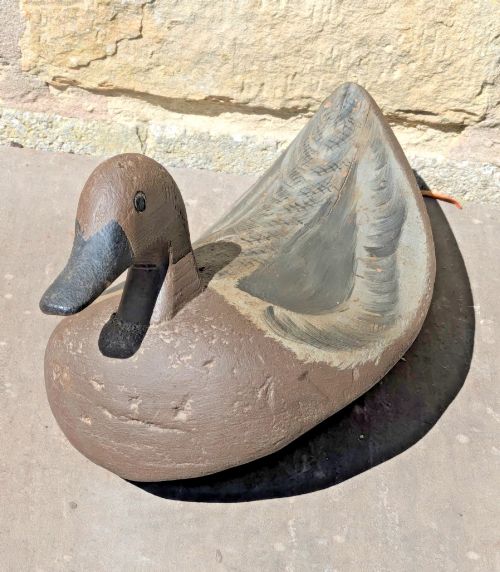
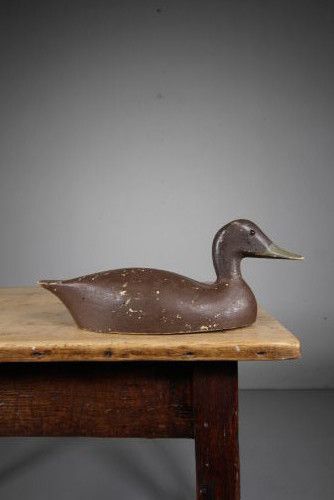
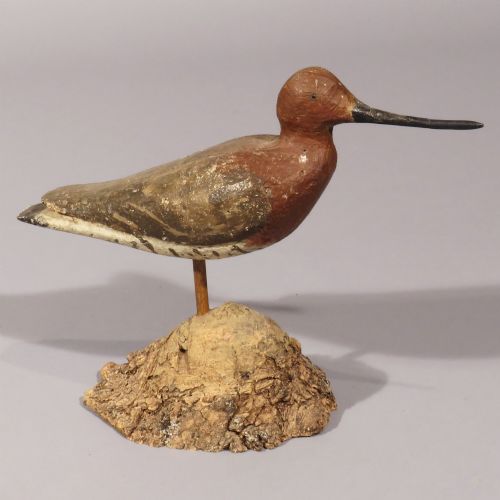
When you search for a hand painted bird carving, you encounter a distinct array of sculptural forms ranging from working wooden decoys to decorative porcelain figures. The selection includes utilitarian objects shaped to attract waterfowl alongside ornamental pieces created purely for display in the home.
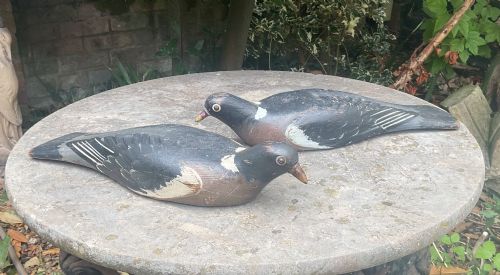
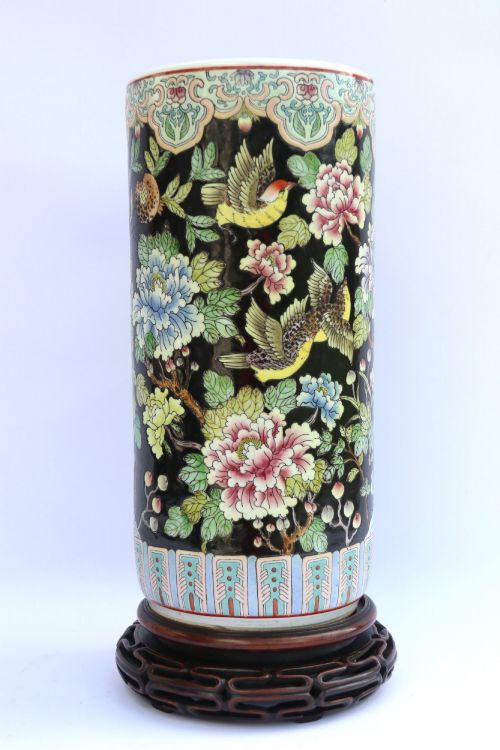
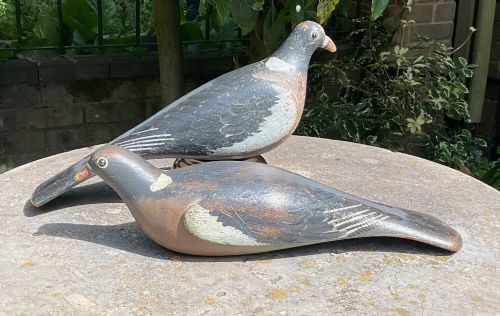
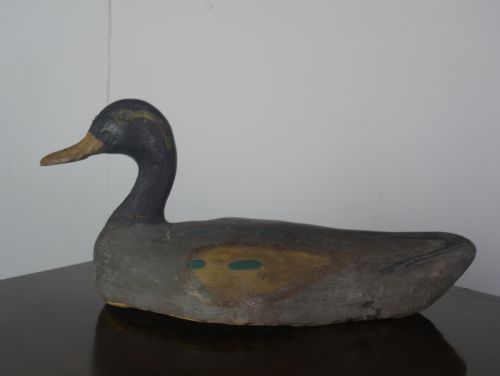
The most common versions met on this page are wooden decoy ducks and pigeons originating from the nineteenth and early twentieth centuries. Alongside these country pieces, the listings incorporate porcelain ducks and vases decorated with coloured glazes from various periods.
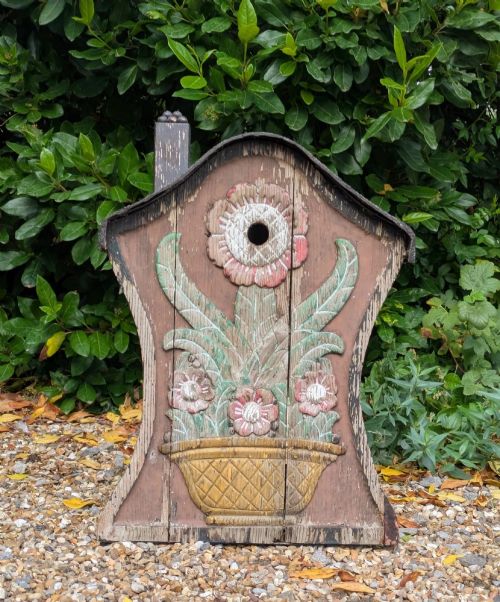
Origins span English, Scandinavian, and Chinese traditions, encompassing folk art sculptures and functional birdhouses. Each piece reflects the specific aesthetic of its maker and the period of its creation, whether Edwardian, Victorian, or early twentieth century.
How they were made
Makers shaped these objects primarily from wood and hardwood, employing carving techniques to establish the bodily forms of ducks, geese, pigeons, and loons. Artisans then applied layers of paint, enamel, or coloured glazes to render the plumage and characteristic markings of each species.
Porcelain examples involved shaping ceramic clay, followed by firing and the application of intricate painted details or sancai glazes. Some pieces incorporated glass elements or mirrored panels alongside the carved timber components.
Object types include folk art sculptures, Vases, decorative figures, and traditional birdhouses alongside working decoys.
What varies in quality
The distinction between ordinary and superior pieces rests upon the confidence of the carving and the preservation of the original surface paint. Stronger examples display expressive anatomical lines and an authentic patination acquired through age and use.
Artistic execution in the hand painting dictates the visual impact of the object, with finer specimens exhibiting careful detailing of feathers and eyes. The integrity of the material, whether solid timber or well-fired porcelain, further separates standard production from exceptional works.
The Hand Painted Bird Carving Glossary
- Decoy
- A carved and painted representation of a bird utilised by hunters to attract wildfowl. These working objects form a substantial portion of early folk art sculptures.
- Folk art
- Utilitarian or decorative items created within a regional tradition by self-taught or local makers. This style prioritises functional expression over formal academic training.
- Sancai
- A type of ceramic glaze utilising three distinct colours, commonly seen on Chinese porcelain pieces. The technique creates a mottled, flowing effect across the surface of the pottery.
- Hardwood
- Dense timber derived from broad-leaved deciduous trees, chosen for carving durable figures and stands. It resists warping and provides a stable base for detailed sculptural work.
- Reverse painted
- A decorative technique where paint is applied to the rear face of glass or a mirror so the image is viewed through the transparent medium. This method protects the pigment from surface wear.
Hand Painted Bird Carving: Frequently Asked Questions
What is a decoy duck?
A decoy duck is a carved wooden figure historically used by wildfowlers to lure real birds onto open water. Makers shaped the timber and applied paint to mimic the appearance of live waterfowl.
Over time, these utilitarian objects transitioned from working gear into sought-after decorative sculptures appreciated for their rustic aesthetic and connection to rural traditions.
How do I date a wooden decoy?
Dating a carved bird involves examining the tool marks left by the maker, the type of timber utilised, and the composition of the paint layers. Earlier nineteenth-century pieces often show hand-tooling rather than modern mechanical shaping.
Comparing the silhouette and species representation to documented regional styles helps place the object within a specific era, such as the Edwardian period or the early twentieth century.
Where should I display these carvings?
These carved and painted birds suit placement on mantelpieces, bookshelves, or within cabinet displays alongside other country and folk art objects. Their natural wood tones and painted finishes complement rustic and traditional interior schemes.
Keeping them away from direct heat sources and strong sunlight protects the painted surfaces and wooden structures from drying out or fading over time.
Are porcelain birds the same age as wooden ones?
Porcelain figures and vases span various historical periods, appearing alongside nineteenth and twentieth-century wooden pieces on this page. Chinese porcelain examples often reflect traditional Ming or Qing styling.
While wood decoys served practical purposes in rural settings, porcelain counterparts were produced as ornamental vessels and decorative figures for domestic interiors.